Advanced Game Search
OPUS: Prism Peak

OPUS: Prism Peak

PCNintendo
Released

Release Date: April 16, 2026

Adventure, FPP, TPP, Indie Games, Photography, Singleplayer

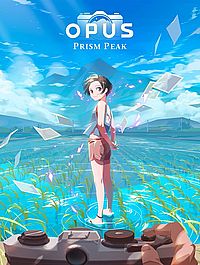
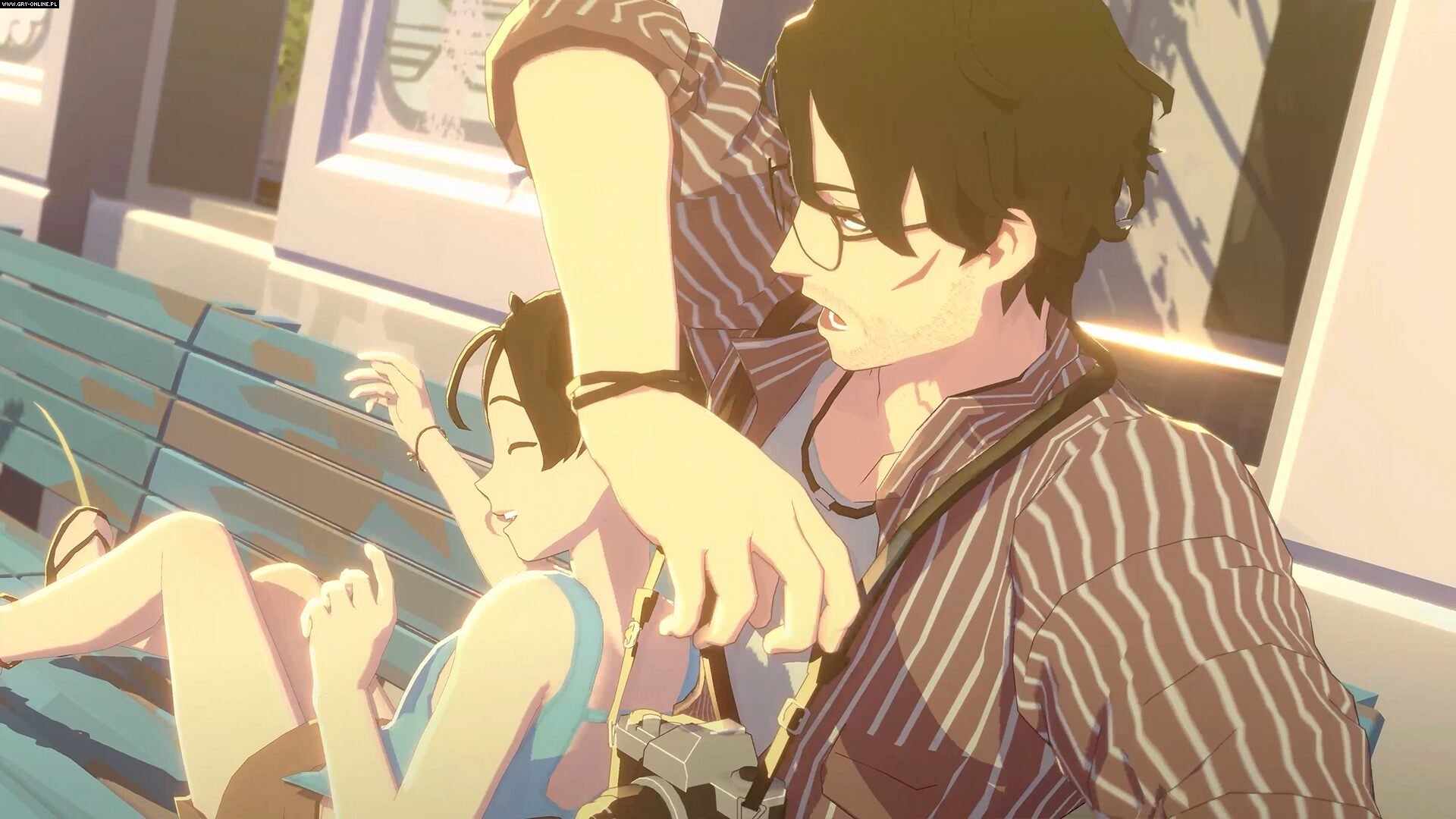
The fourth installment of the adventure game series OPUS, started back in 2015. OPUS: Prism Peak is a tale of a photographer trying to find his way home, using his camera to uncover secrets hidden by the ethereal world he wanders.

8.7

OpenCritic

9.3

Steam

Rate It!
Ratings
[0:58] - Launch Trailer Videos: 7
Screenshot Images: 23
Screenshot
Screenshot
Screenshot

In 2015, the Taiwanese studio Sigono created an adventure game titled OPUS: The Day We Found Earth. This game was so successful that it started a series, on which the company was to focus in the following years. Each of the productions representing this cycle tells a fully independent story.

The fourth installment of this series, OPUS: Prism Peak, tells the story of a middle-aged photographer whose escape from a big metropolis to his hometown ends with a journey to an ethereal world full of secrets. The protagonist meets the spirit of a mysterious girl affected by amnesia, sensing that she should help him.

Gameplay

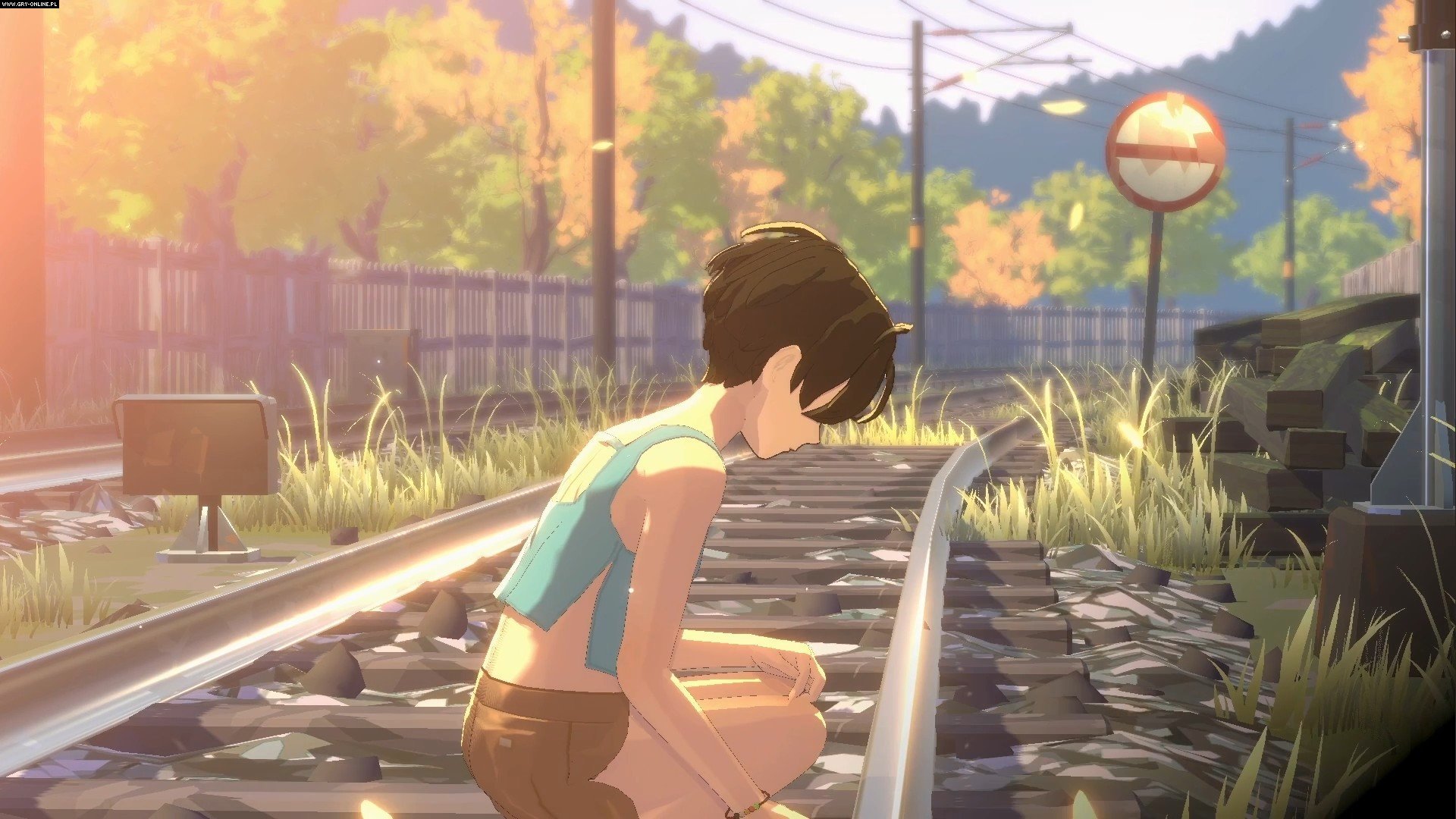
In OPUS: Prism Peak we view the events from a third-person perspective (TPP). The mountainous area that we explore during the game is inhabited by animal spirits. The tool that allows us to better understand the depicted world, to closely examine its elements and immortalize them, is the camera, which is in the hands of the protagonist.

Read More

Platforms:

PC Windows

PC Windows

Nintendo Switch

Nintendo Switch

Switch 2

Switch 2

Developer: Sigono

Publisher: Shueisha Games

Game Series

OPUS: Prism Peak
OPUS: Prism Peak
OPUS: Prism Peak

4GAMES

OPUS Game Series

OPUS Game Series

Features

System Requirements

System Requirements for OPUS: Prism Peak Video Game:

PC Windows

PC / Windows

Minimum System Requirements:
(30 fps, 1080p) Intel Core i5-7400 / AMD Ryzen 5 1600, 8 GB RAM, graphic card 3 GB GeForce GTX 1060 / 4 GB Radeon RX 570, 9 GB HDD, Windows 11 64-bit.

Recommended System Requirements:
(60 fps, 1080p) Intel Core i5-12400 / AMD Ryzen 5 5600X, 16 GB RAM, graphic card 8 GB GeForce RTX 3060 / Radeon RX 6600 XT, 9 GB HDD, Windows 11 64-bit.

Ratings

Game Ratings for OPUS: Prism Peak Video Game.

8.7

OpenCritic Rating

Game is Recomended by 98% of Critics. There are 40 Critic Reviews.

OpenCritic

RPG Fan: 92 / 100 by Audra Bowling

OPUS: Prism Peak is an emotive fantastical graphic adventure exploring the intricacies and messiness of life.

Full Review

Gamer Social Club: 9.5 / 10 by Stephanie Richards

I find myself with a knot in my throat just writing about this game. OPUS Prism Peak feels at times a lot less like a game and more like a work of art. That is if you can handle the joy, the loss, the pain, or in other words, life. It is cathartic, it is real, it is beautiful, and it is sad. The jadedness of adulthood, the naivete of youth, joy of life, and the journey we take to get to our endings. But also that there is hope, there is a future, sometimes we just need to take a photo, pause, and reflect.

Full Review

Try Hard Guides: 9 / 10 by Erik Hodges

OPUS: Prism Peak is an emotionally devastating, bittersweet work of art that takes an honest, if not always happy, look at life, past losses, and how to pick up the pieces and move on. A slow title focused on exploration and attention to detail, this game will appeal to anyone with the patience and determination to see it through, even if your first playthrough might feel overwhelming and incomplete… by design.

Full Review
93%

STEAM Score

All Reviews: Very Positive (1,038)

STEAM
User Reviews Summary generated by AI

The main pros of the game

  • Emotional Storytelling: The narrative is deeply engaging and explores themes of memory, loss, and self-discovery, resonating with players on a personal level.
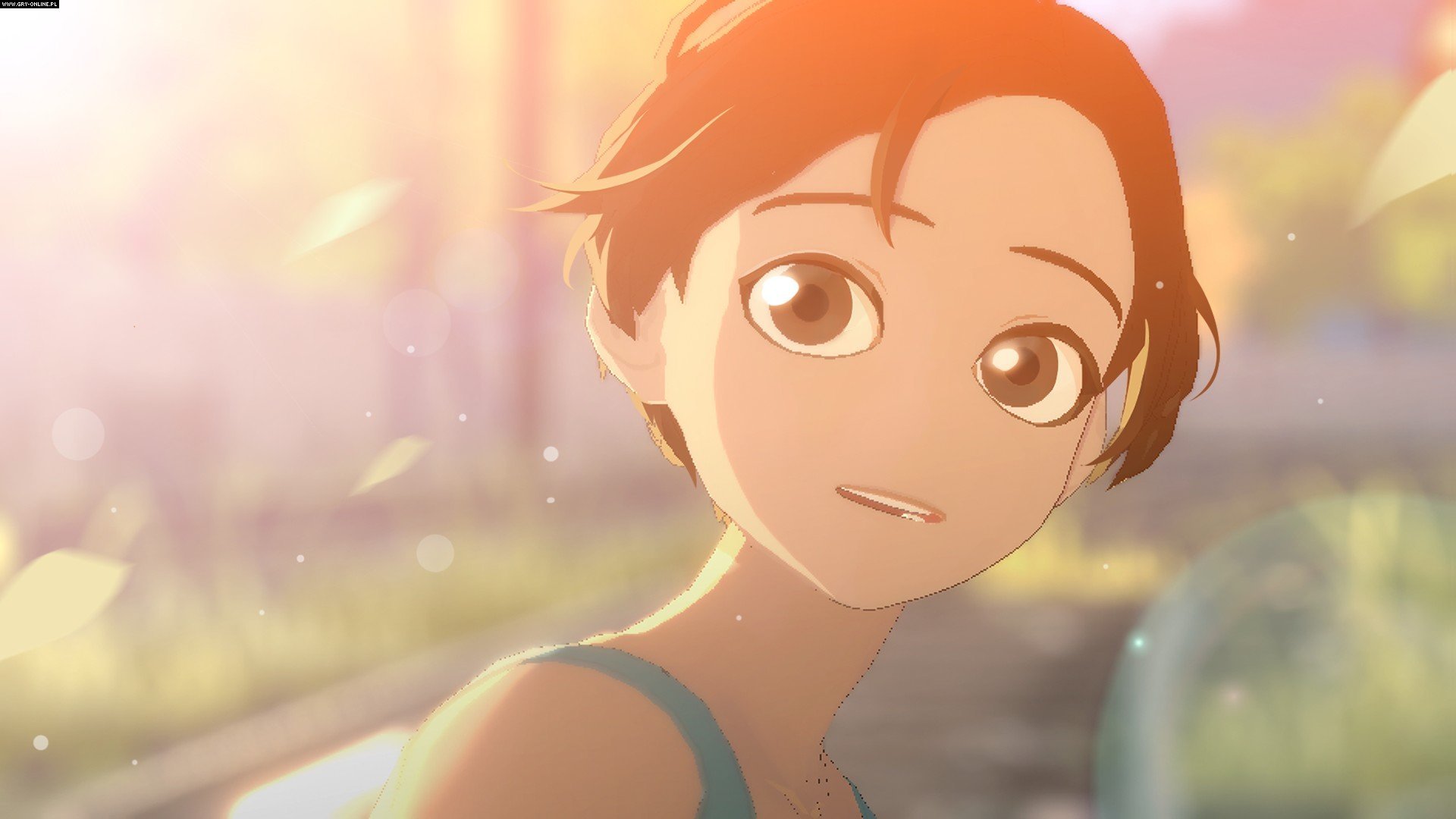
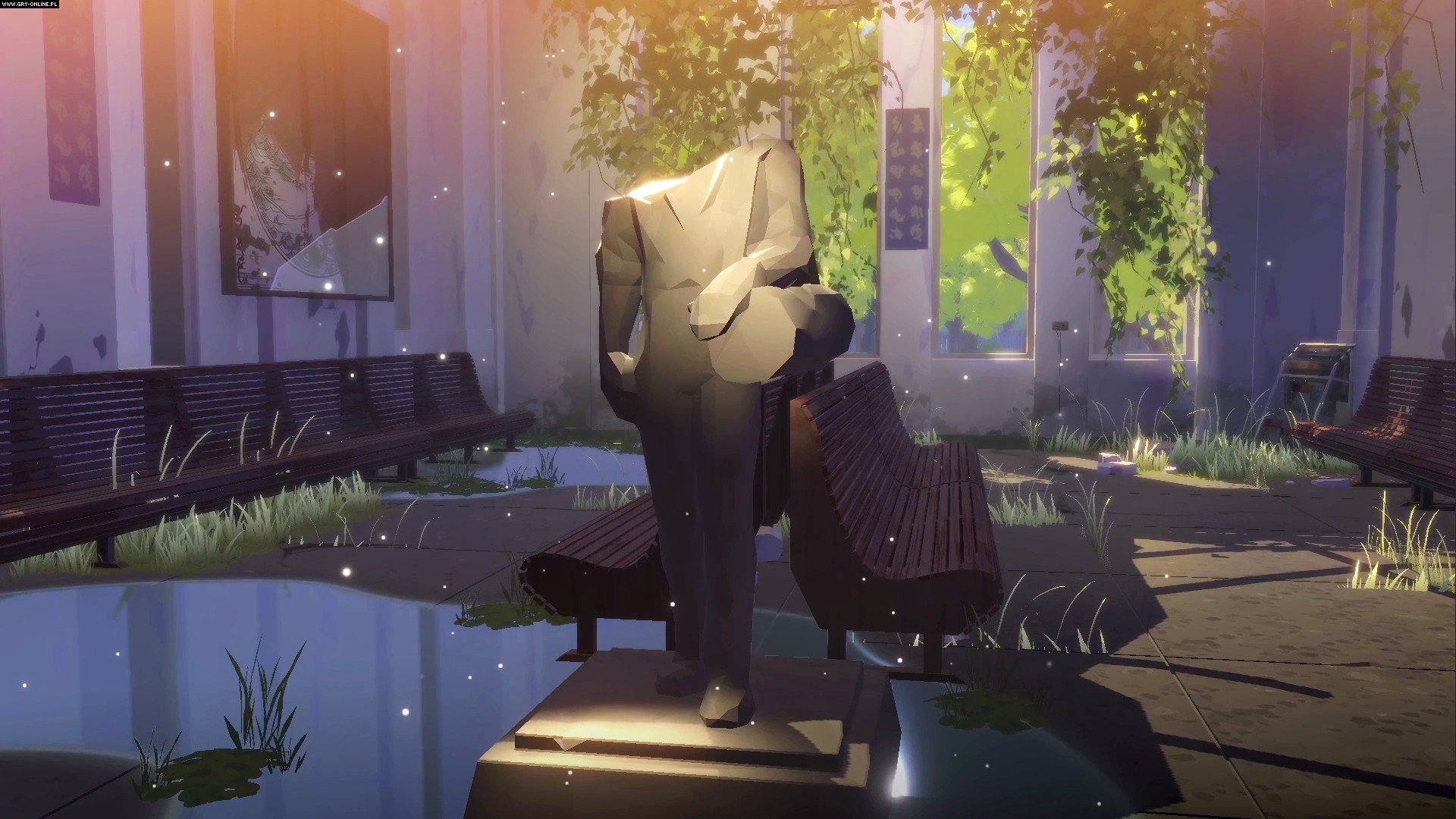
  • Beautiful Visuals and Art Direction: The game's art style is frequently described as stunning, with many comparing it to a living painting or an anime film, creating a surreal and immersive experience.
  • Integrated Gameplay Mechanics: The photography mechanics are well-integrated into the story, making each captured moment feel significant and personal.
  • Soundtrack and Audio Design: The music is noted for enhancing emotional moments, complementing the narrative beautifully, while the voice acting (especially in Japanese) is praised for its quality.
  • Replayability: The game offers multiple endings and encourages players to explore and revisit chapters, providing depth and additional content through photography and lore.

The main cons of the game

  • Pacing Issues: Some players feel the game is too slow-paced, with long cutscenes and moments that disrupt the flow of gameplay.
  • Limited Gameplay Mechanics: While the focus on storytelling is appreciated, some players find the gameplay lacks action and can become monotonous.
  • Missable Content: There is a significant amount of lore and collectibles that can be missed, leading to frustration for completionists. The absence of a chapter select feature to revisit missed content is also a common complaint.
  • User Guidance: Players have noted that the game does not adequately guide them on what to photograph for progression, leading to confusion and missed opportunities.
  • Technical Issues: Some reviews mention performance hiccups, such as frame rate drops and a lack of manual save options, which can disrupt the experience.

The features or elements that are missing from the game according to users

  • Quality of Life Improvements: Suggestions include implementing a manual save feature and improving the chapter select system to allow players to revisit missed content without restarting the game.
  • Better User Guidance: Players expressed a desire for clearer instructions on key gameplay mechanics, especially regarding photography and progression.
  • Enhanced Action Elements: Some users wished for more active gameplay segments to balance the slower narrative pace and provide a varied experience.
  • Expanded Locales: Additional locations to explore would enhance the game's richness and allow for more diverse storytelling.

Summary

  • Overall, OPUS: Prism Peak is celebrated for its emotional depth and artistic presentation, while also facing criticism for pacing, gameplay limitations, and user guidance.

Summary generated on: