Anno 117: Pax Romana review: Roman setting brings evolution the Anno series needed
I must admit that the Anno series has always been close to my heart. And although I haven't been particularly fond of it in recent years, this time, thanks to the Roman setting and new mechanics, I once again felt a long-lost excitement.
The review is based on the PC version. It's also relevant to PS5, XSX version(s).

When I first heard that the next Anno game would take us to the Roman Empire, I was both excited and a bit doubtful. Could the ancient Rome setting compete with the atmosphere of Anno 1800, which consumed hundreds of hours of my life? Now, after spending a good chunk of time with Anno 117: Pax Romana, I can definitely say – yes. This game is the evolution that the popular series desperately needed.
I must admit honestly – the Anno series has always been close to my heart. Those were the games I always went back to when other titles let me down. Although in recent years I haven't particularly been in tune with it—Anno 1800, while great, started to feel a bit overwhelming to me—this time, thanks to the Roman themes and fresh mechanics, I once again felt a long-lost excitement in building my own city. Because I am no longer an anonymous builder, but a flesh-and-blood politician who must navigate between personal ambitions and the will of the emperor. And you know what? That changes everything.
From the first villas to monumental buildings...
Taking on the role of a Roman Empire provincial governor was definitely a breath of fresh air. It may seem like a minor change, but it completely reshapes the way I perceive the gameplay. I never thought of myself as anything more than just an independent builder before—I could always do what I wanted, when I wanted. And now, I have to think politically. My decisions had real consequences, and more importantly, they mattered to someone other than myself.
Anno 117: Pax Romana, Ubisoft Blue Byte, 2025
When I first decided to oppose the emperor in one of my games, I felt a thrill—the kind I hadn't experienced in strategy games for many years. The emperor is not just an abstract system; he is an opponent with real forces, ambitions, and the potential for a real threat. This is no longer just a game about building—it's a game about power, choices, and their consequences.
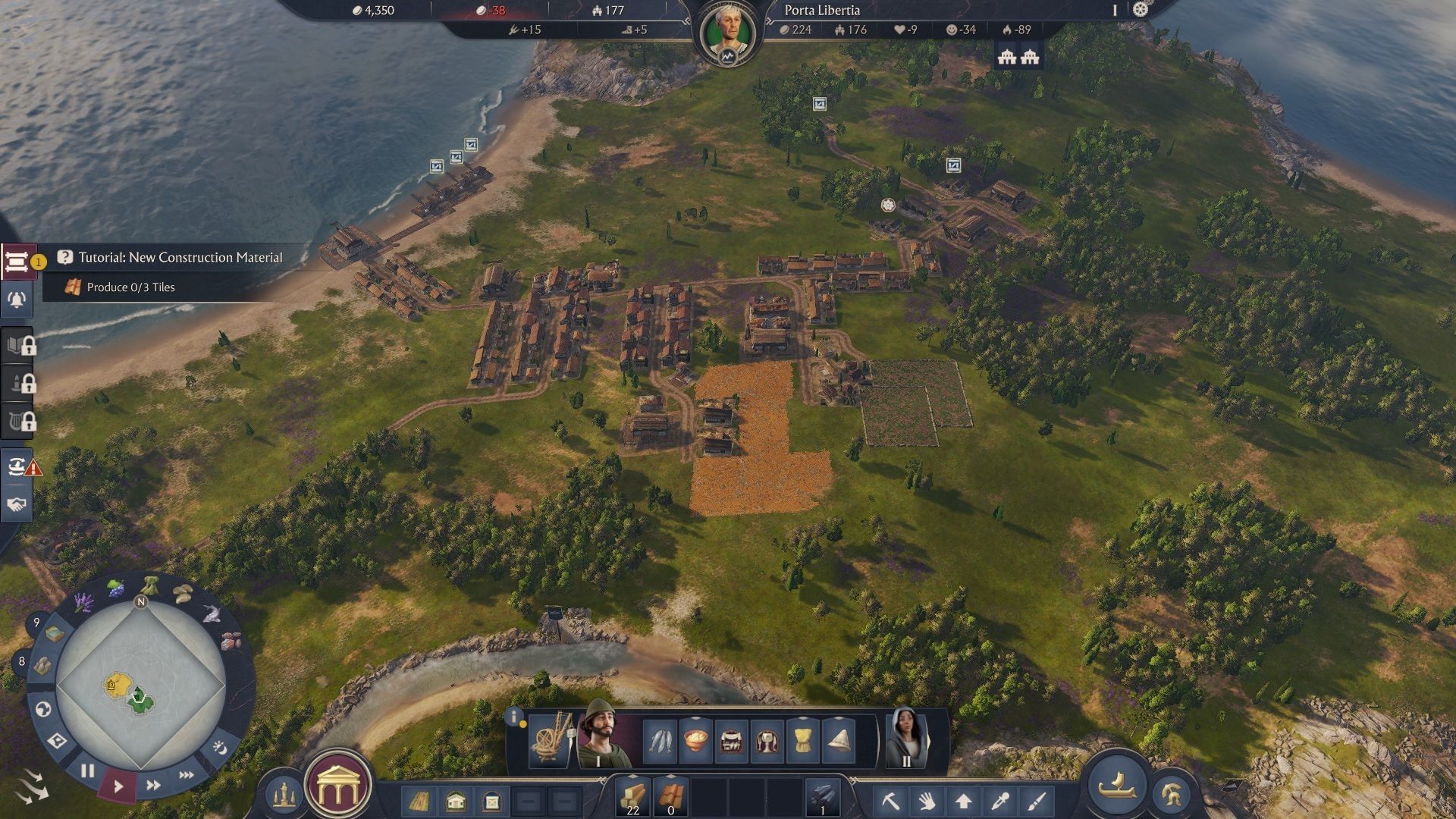
The core of the game is all about growth: starting with a few villas on the hills, then investing in aqueducts and public services, and eventually creating stunning monumental buildings with impressive architecture. Every choice you make really pops visually too - the graphics engine is killing it; shadows move naturally, the light shifts color with the time of day, and the detailed architecture totally sucked me in. I remember sitting down with the intention of playing for an hour, and suddenly I noticed that five hours had passed. No game has been able to do that for a long time.
Loyalist or rebel? You can choose your path
Anno 117 stands out from the competition - it allows you to choose your path, which truly matters. The game offers a system of two radically different development paths. These are solutions that provide completely different experiences.
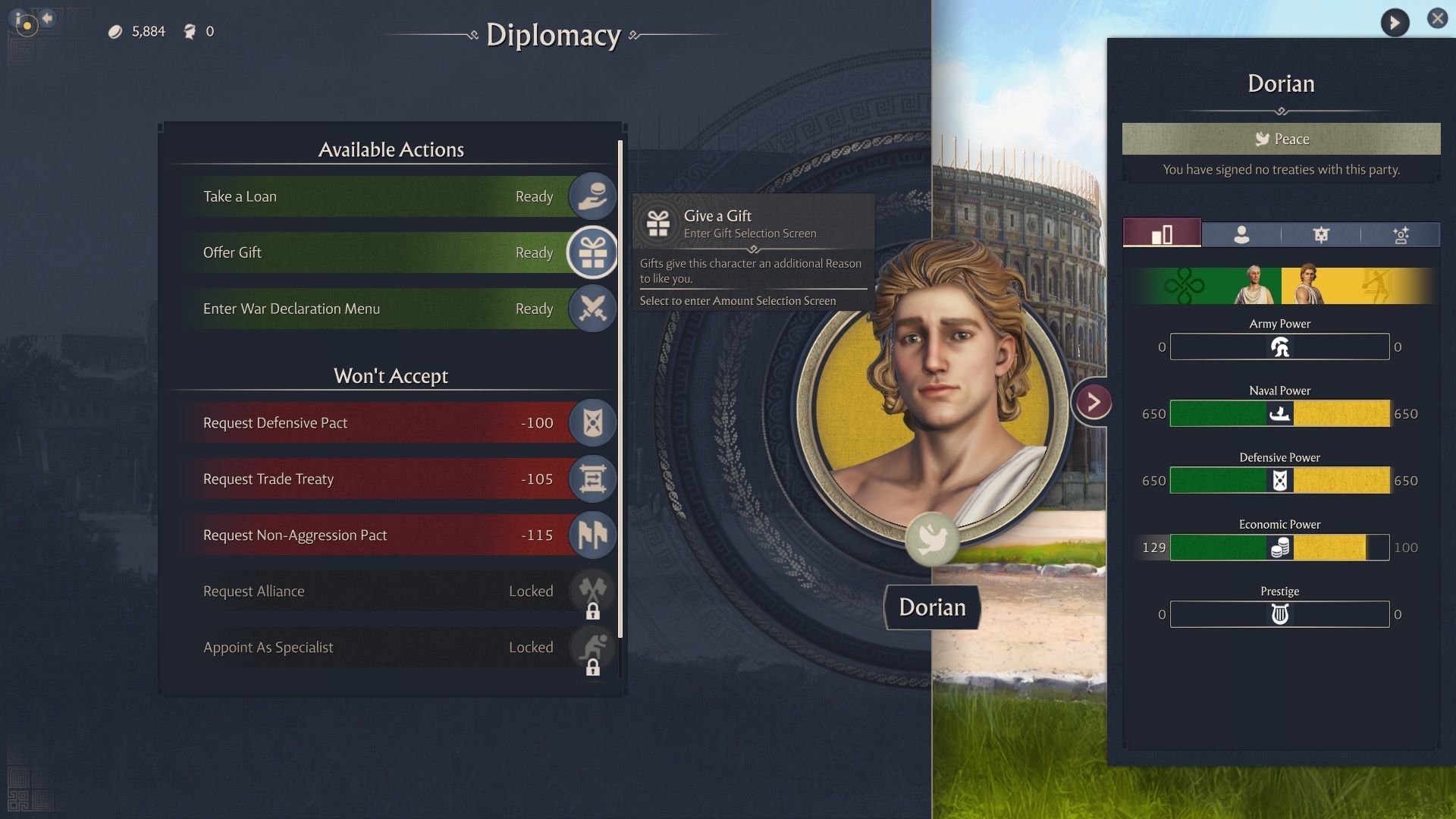
In my case, the first playthrough was the path of loyalty. I was building up my province and keeping things cool with Rome. I followed orders from the metropolis, completed objectives for the emperor, and tried to be worthy of his trust. It was comfortable, safe - but maybe too safe? After a few hours, I started to wonder if it was really a game or a desk job.
Anno 117: Pax Romana, Ubisoft Blue Byte, 2025
In the second campaign, I decided to rebel. And I must admit - it was a complete rollercoaster! The imperial fleet and army immediately moved against me. I spent hours preparing the defense, building forts on the shores, strengthening ships, and recruiting legions. The tension was thick in the air - I felt like a real provincial governor who just made a decision that could be a death sentence. When I finally repelled the imperial attack, the sense of satisfaction was incredible. The emperor, albeit reluctantly, had to acknowledge my strength. The game is all about political maneuvering within the system, which I think is a smart move. It keeps things historically accurate while still letting players have a real impact.
This is exactly what I missed in previous games of the series. I didn't just want to build - I wanted to be someone, to be involved in a real story. And here, Anno 117 took care of that aspect. Every choice, whether it's sticking to the rules or going rebel, really shapes how my game story unfolds.
Battles return, but it's not the end of the world
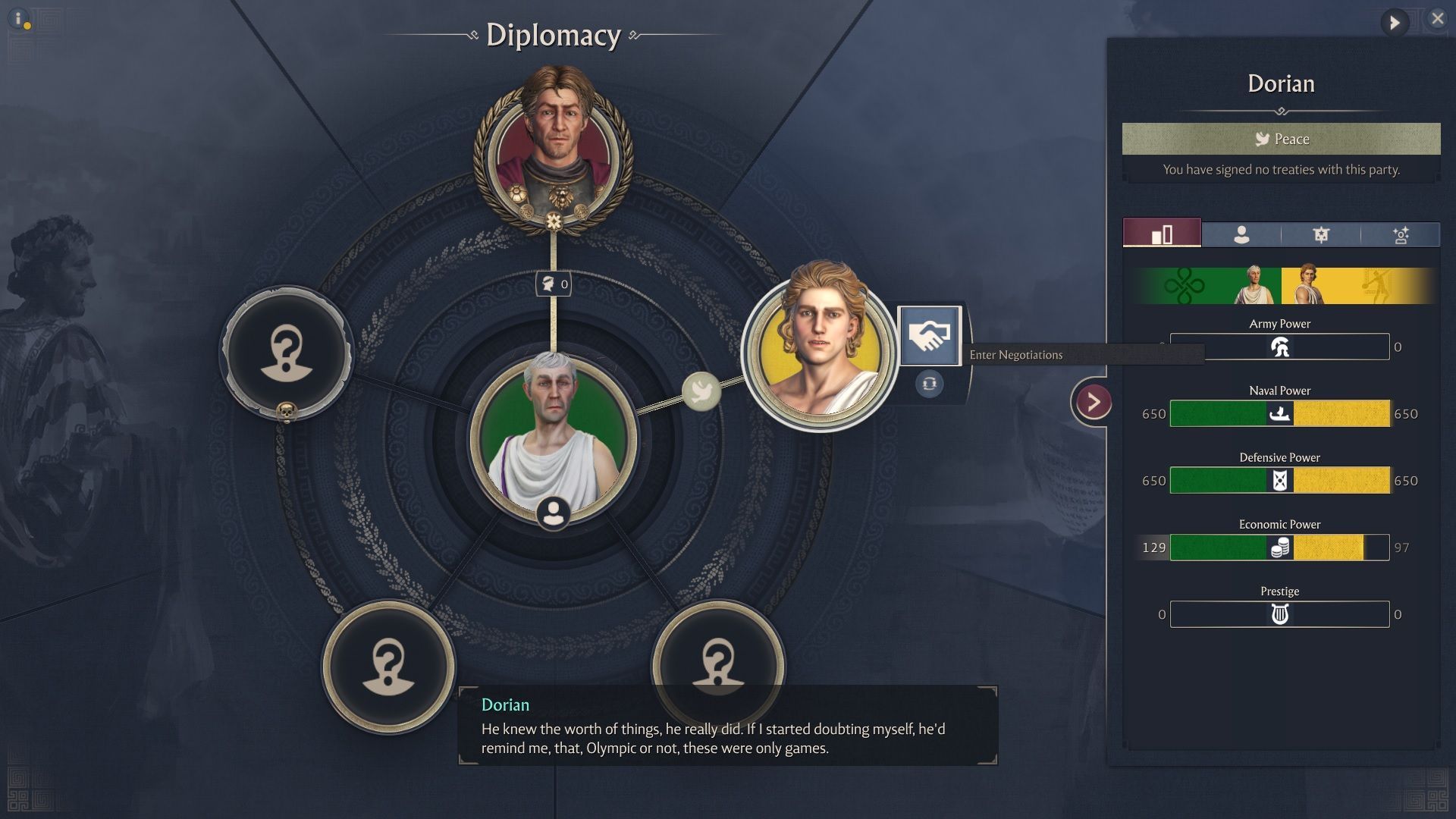
Now let's move on to another important matter - the return of battles. As a long-time fan of the series, I was really curious to see how Ubisoft would bring back land combat. In Anno 1800, I focused mainly on economy and diplomacy. Anno 117 shakes things up by adding not just land battles, but also a surprisingly well-done modular naval combat system.
Anno 117: Pax Romana, Ubisoft Blue Byte, 2025
I must admit, however, that at the beginning I was overwhelmed. I had to learn how to compose a fleet and choose the right modules for my ships. Plan land tactics and deploy units on the battlefield. Learning this was very difficult, but the game helped with on-screen tutorials.
What may be important for purists: the combat is optional. In one of my playthroughs, I completely ignored it and focused solely on the economy and diplomacy. But... I still had to protect myself from attacks, which meant building basic defenses. You can't completely avoid the military stuff, even if you would rather not deal with it. For someone like me, who loved the peaceful, meditative city-building in Anno 1800, this might be overwhelming—but is it really a bad thing? I don't think so. A game needs to be challenging; otherwise, it becomes boring.
Streets at a 45-degree angle
Now I'll move on to something that truly delighted me—the road system. In Anno 117: Pax Romana, there's a new road system, at least for the series, where you can lay roads at a 45-degree angle. It sounds simple, but it's a major revolution when it comes to city-building.
Anno 117: Pax Romana, Ubisoft Blue Byte, 2025
I felt like my Roman cities were alive, not just simple square grids like in the earlier Anno games. I could create gentle curves, squares at intersections, circular district layouts, and meandering streets that look natural. This gave urban planning a sense of realism and incredible freedom. I remember exactly the moment when I started building my first city—I sat and designed every street, every intersection. After several hours of preparation, my city finally didn't resemble a soulless mathematical scheme.
It was something! With excitement, I built each new district, watching as the streets beautifully connected into a harmonious whole. The architecture of ancient Rome suddenly wasn't a forced scheme but something organic and alive. I could create a forum surrounded by buildings, with straightforward roads connecting important city points, or even districts designed in completely different styles. This is exactly what I always wanted from city-building games.
- Beautiful graphics and atmosphere;
- new road bulding system;
- discovery tree and long-term strategy;
- taking on the role of a provincial governor gives a real sense of power;
- complex production chains;
- religion system.
- Steep learning curve;
- military system may be overwhelming for economic purists;
- too many systems to coordinate simultaneously.
A favorable god
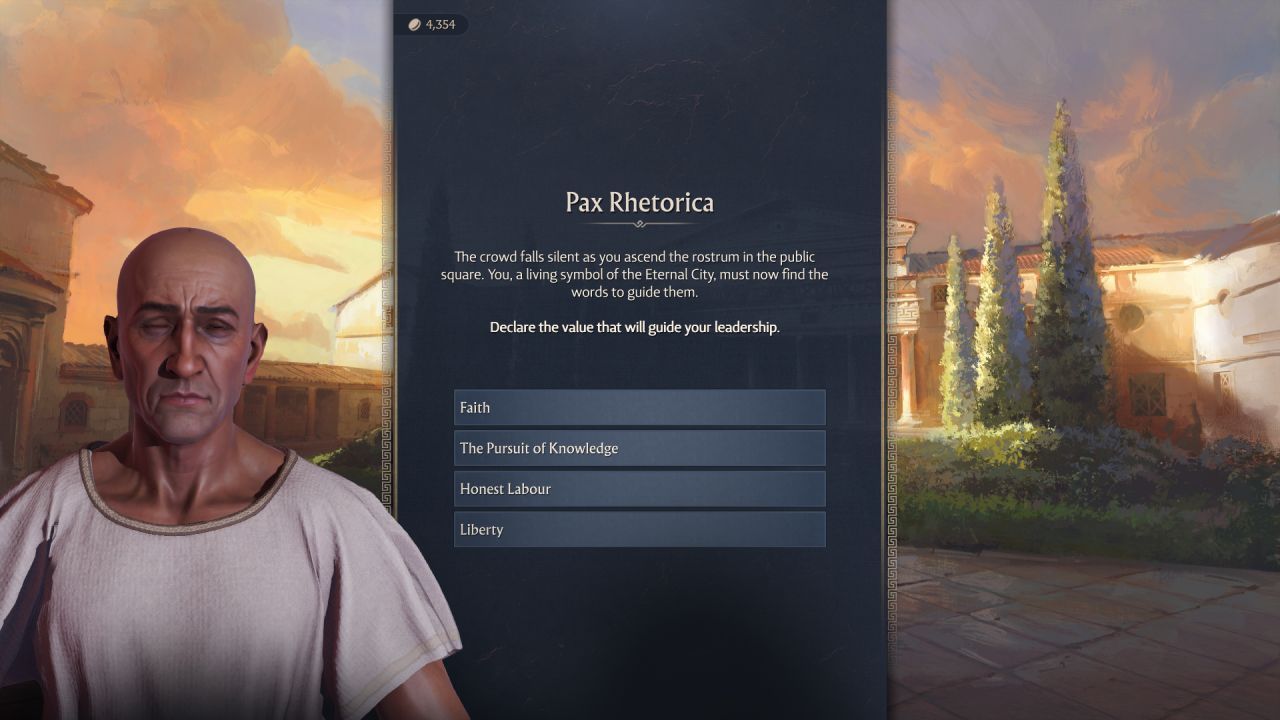
It's a nice surprise to see a more detailed religion system being introduced. Each island—both in Latium and Albion—can have its own patron among the gods of the pantheon. Want to strengthen your legions? Choose Mars. Want to have better crops? Go for Ceres. Want to focus on trade? Neptune will favor you.
Every choice in this area brings real, noticeable benefits. This is not just cosmetic - religion impacts gameplay. Moreover, unlocking new levels of deities gives you a sense of long-term strategy, and with strong expansion, it can totally change up your gameplay style. Let's not kid ourselves - it's a brilliant solution. Sometimes I switched up the gods of my provinces based on what I needed at the moment, and other times I stuck with one god throughout the game, building up their cult.
This system fits perfectly into the ancient Roman context. The Romans are known for their religious syncretism, incorporating the deities of conquered lands into their own religion. Anno 117 gives off this vibe - I can tweak my religion to fit my needs, but I also gotta remember that other players might have different patrons. This creates interactions, negotiations, and sometimes conflicts.
Discovery tree - strategy on a new level
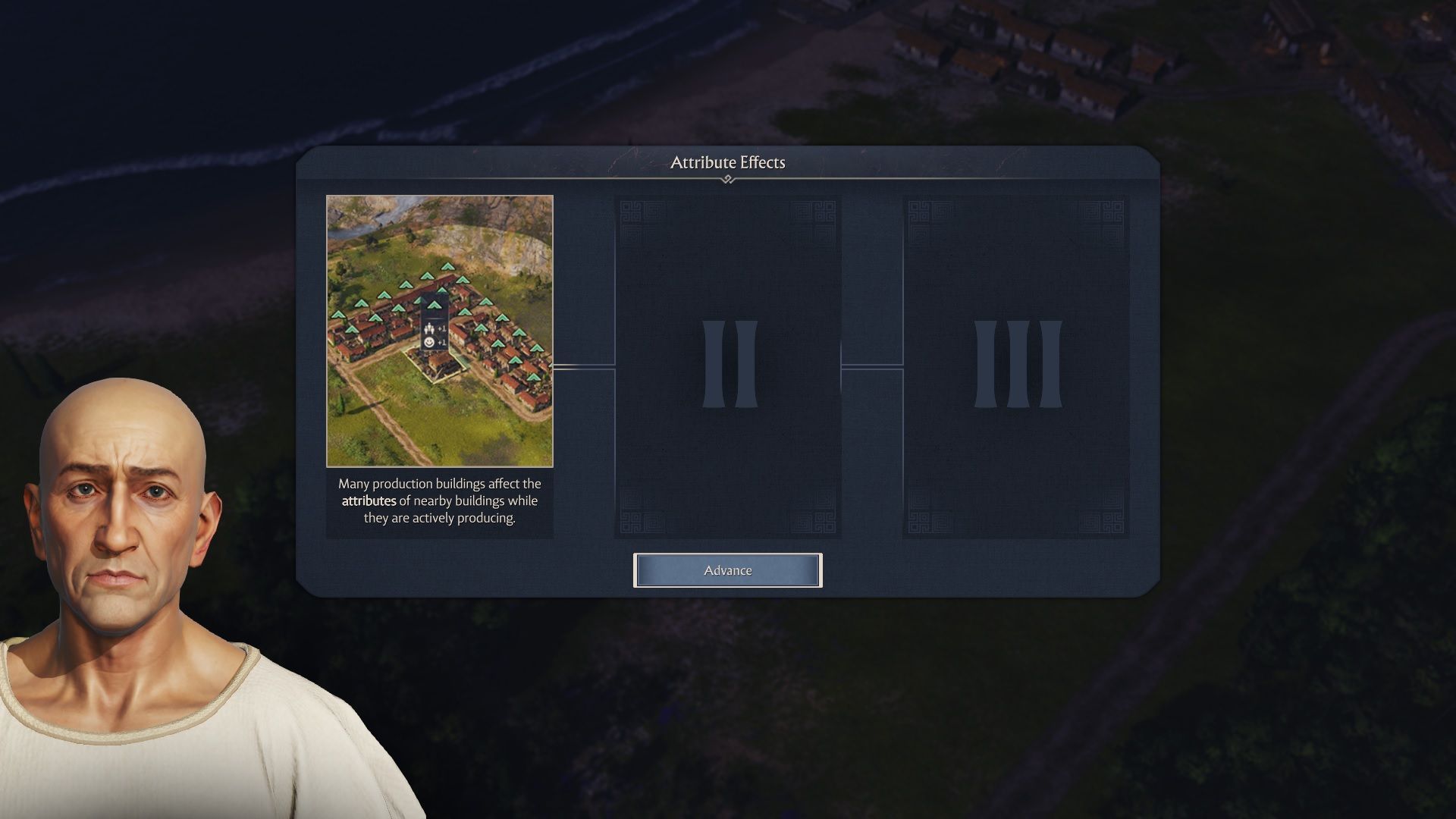
The biggest change in Anno 117, however, is the introduction of the discovery tree. In previous installments, I developed technologies at a natural, linear pace. Here, I have to strategically plan which discoveries to unlock first. This fundamentally changes the entire dynamic of gameplay.
I remember the exact moment when I had to choose between focusing on agriculture or investing in military tech. I went with agriculture, which helped me grow my economy faster, but it also made me more vulnerable to attacks. This decision had consequences for the next hours of gameplay. I began to regret this choice. I couldn't defend myself, I could lose territories. I learned that in Anno 117, you have to think several steps ahead, much like in a virtual chess game.
Anno 117: Pax Romana, Ubisoft Blue Byte, 2025
The system of residents' needs has also seen changes. I no longer have to meet every requirement unconditionally. It's up to me whether I invest in bread or focus on entertainment, and each of these choices directly impacts the city's happiness, work efficiency, and other key attributes. I have real power over how I want to govern my province. This is the path to a more emotional approach to the game.
The economic system requires planning complex production chains: from wheat, through mills, to bakeries. Each building has its requirements, each produces specific goods. When everything finally works like clockwork, the feeling of satisfaction is indescribable. But until that moment? I was so nervous I could've pulled my hair out.
When everything falls apart - a lesson learned the hard way
Not everything is perfect, however. For new players, Anno 117 can be overwhelming—there are so many systems to master, so many things to take care of. I had the advantage of experience from Anno 1800, but even I needed a few hours to feel comfortable with the new mechanics.
In one of my playthroughs, I focused on military expansion, building a fleet, recruiting an army, and preparing for conquest. I felt like an actual governor preparing for a grand campaign. However, I encountered a problem: I neglected the economy of my province. It was a classic mistake on my part. I focused on one aspect of the game, forgetting about the others.
Anno 117: Pax Romana, Ubisoft Blue Byte, 2025
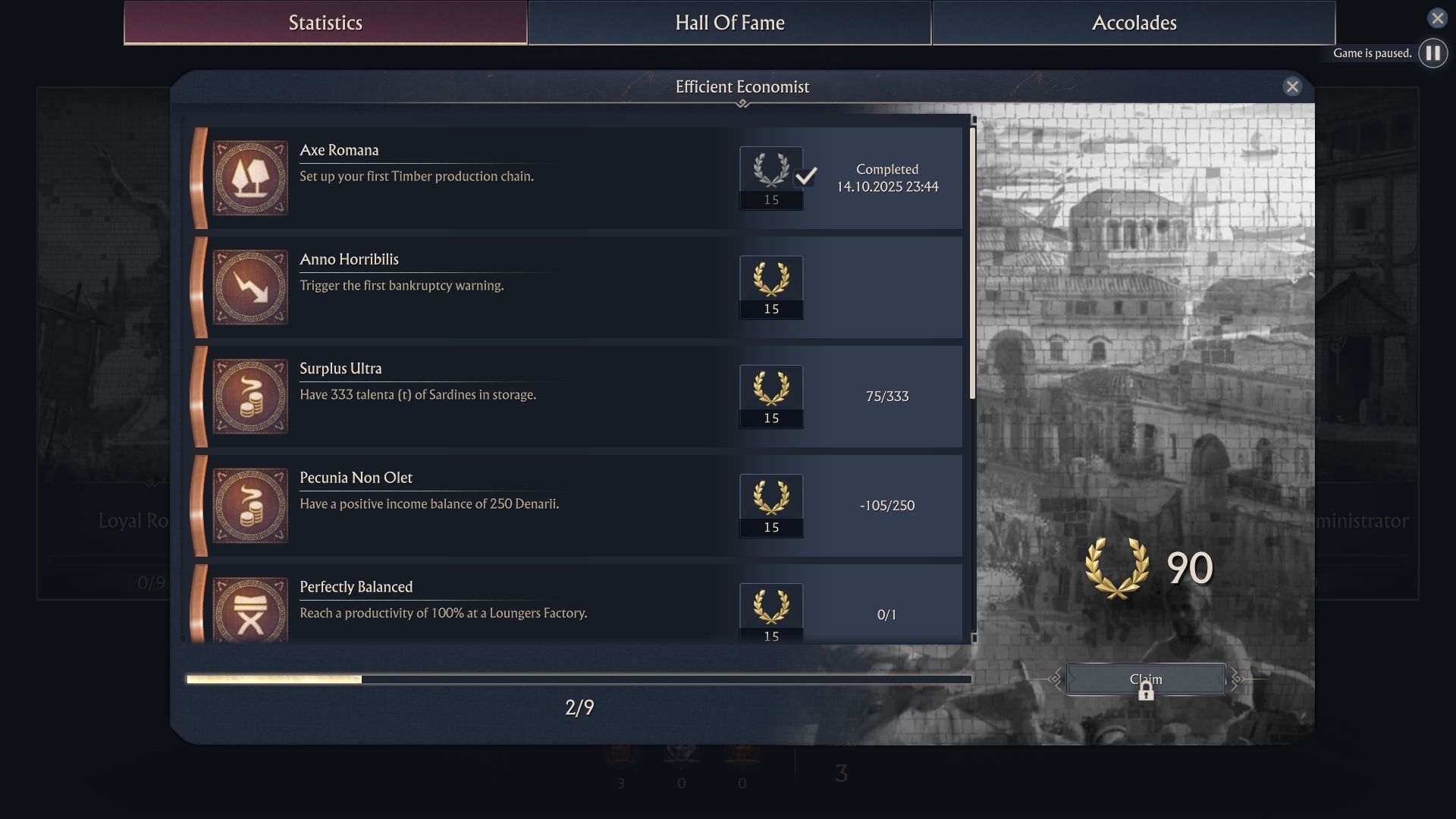
As you might guess, the gameplay turned into a complete disaster. The residents became dissatisfied, production dropped, and income collapsed. Before I knew it, I was drowning in debt. Each passing day brought more debts, more deficits. I had to sell part of the fleet to stay afloat. I felt like a real politician who mismanaged resources. It was tough, but I learned an important lesson - in Anno 117, you can't ignore any part of the game for too long.
The tutorial is helpful, but the feeling of being overwhelmed remains. The game requires the player to think on multiple levels simultaneously - economic, political, military, and urban planning. Even the veterans need a lot of time to get comfy, so imagine how it is for newbies diving into the Anno series for the first time.
Graphics and atmosphere
I must take a moment to focus on the graphics because they truly deserve a separate mention. Anno 117 looks very good. And I'm not exaggerating here. Ancient Rome has never looked so stunning in a strategy game. The architecture is authentic, and the details are breathtaking.
The lighting effects look natural, shadows move realistically, and the textures are really detailed. The game isn't heavy on your computer, but it looks like it would be - and that's a big win for a lot of players.
Sound is equally important; orchestral sounds echo off the city walls, and the sounds of work create an atmosphere that draws the player deep into the world of Anno 117: Pax Romana. Sometimes I did absolutely nothing just to listen to the sounds of the city I built. This is a rare experience in modern strategy games.
VERDICT:
For Anno fans, it's a must-have. For new players, this is a great chance to dive into the series - the fascinating ancient Rome setting and the deep mechanics make it totally worth pushing through the initial learning curve. Anno 117: Pax Romana will be consuming my time for weeks, months, maybe even years to come.
Find all our reviews on Metacritic, Opencritic, and CriticDB.
Final thoughts
Do the aforementioned issues and challenges make Anno 117 a bad game? Absolutely not. It's an ambitious game that tries to introduce many new systems and mechanics. After spending countless hours with Anno 117: Pax Romana, I can confidently say it's the best installment in the series in years. Ubisoft Mainz has created a game that retains everything we loved about Anno 1800 while introducing innovations that make the gameplay fresher, deeper, and more emotionally engaging.


Anno 117: Pax Romana
Anno 117: Pax Romana review: Roman setting brings evolution the Anno series needed
For Anno fans, it's a must-have. For new players, this is a great chance to dive into the series - the fascinating ancient Rome setting and the deep mechanics make it totally worth pushing through the initial learning curve. Anno 117: Pax Romana will be consuming my time for weeks, months, maybe even years to come.