Painkiller review: An empty shell exploiting a legendary brand
The new Painkiller tries to revive a classic with modern co-op action but ends up missing the mark. Despite solid shooting mechanics, its short campaign, weak AI, and uninspired design leave the experience feeling flat.
The review is based on the PC version. It's also relevant to PS5, XSX version(s).

There are some brand comebacks we quietly hope for, and then there are those that make us wonder right from the start, "Why bother?" After spending a few hours with the new Painkiller, I have absolutely no doubt which category this title belongs to. I'll be straight with you – this game is just bland, poorly thought out, and the worst part for an arena shooter, it's just plain boring.
The creators had a bold idea: take the classic demon-slaying formula, crank up the speed to match modern boomer shooters, and wrap it all up in a co-op experience. Like Doom Eternal meets Left 4 Dead in a dark, gothic sauce. Sounds like a plan that can't fail, right? And yet. This attempt to make a co-op Doom fails on almost every level.
So in this review, I'm not going to focus on whether the shooting feels "fun" because that doesn't really matter when everything else around it is falling apart. New Painkiller is very short – you can finish the campaign in just one evening, around four to five hours. It offers absolutely no meaningful progression that would motivate a return. To make matters worse, the game is riddled with basic design flaws. You've got forced co-op with terrible bots, wasted potential in the progression systems, and bland characters that look like Fortnite rejects, spouting cringeworthy jokes.
Is this co-op really necessary?
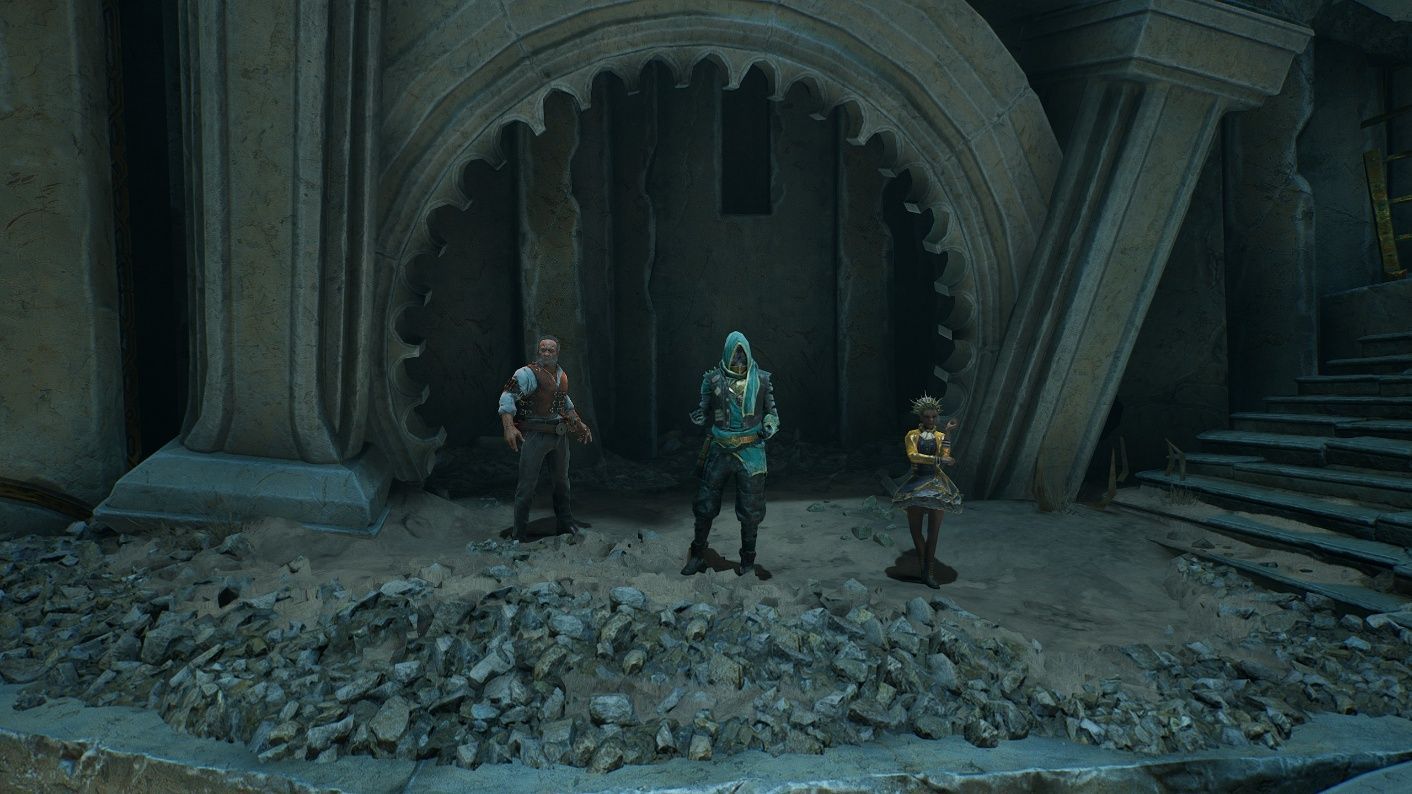
If I had to point out one major mistake, it would be making the game a forced co-op experience. And it's not an option or an additional mode that we can turn on to play with friends. It's the core on which the entire title is built. Even if you're like me and prefer to tackle these kinds of challenges solo, the creators have made it clear – you can't. Choosing the "campaign" is synonymous with choosing to play in a three-person team.
What does this mean in practice? If we can't find two friends to join in on the adventure, the game will automatically add AI-controlled partners. Two running, shooting, and, worst of all, talking bots that accompany us from the beginning to the end of each mission. This design choice is like a slap in the face to the classic Painkiller formula, which has always been about the fantasy of being a one-man army. Here, that fantasy is replaced with the formula of "one player and two annoying pals." Right from the start, we feel that something is deeply wrong.
Painkiller, Anshar Studios, 2025
This forced nature of the game also leads to problems on a purely technical level. Since we're playing co-op, even if our partners are just scripts, don't expect something as basic as a pause button. In the new Painkiller, you can't pause the game. Ever. I found out about it in the most annoying way possible. Halfway through a mission, I wanted to step away from the computer to have dinner. I put my character in a safe corner, figuring the bots would handle any leftover enemies. When I returned after a few minutes, I was greeted with a message on the screen saying I had been kicked off the server due to inactivity. Let me say it again, I got kicked out of my own "solo" campaign session just because I took my hands off the keyboard for a moment. It's not a campaign with optional co-op; it's a hollow shell that treats solo players like a nuisance instead of the main audience.
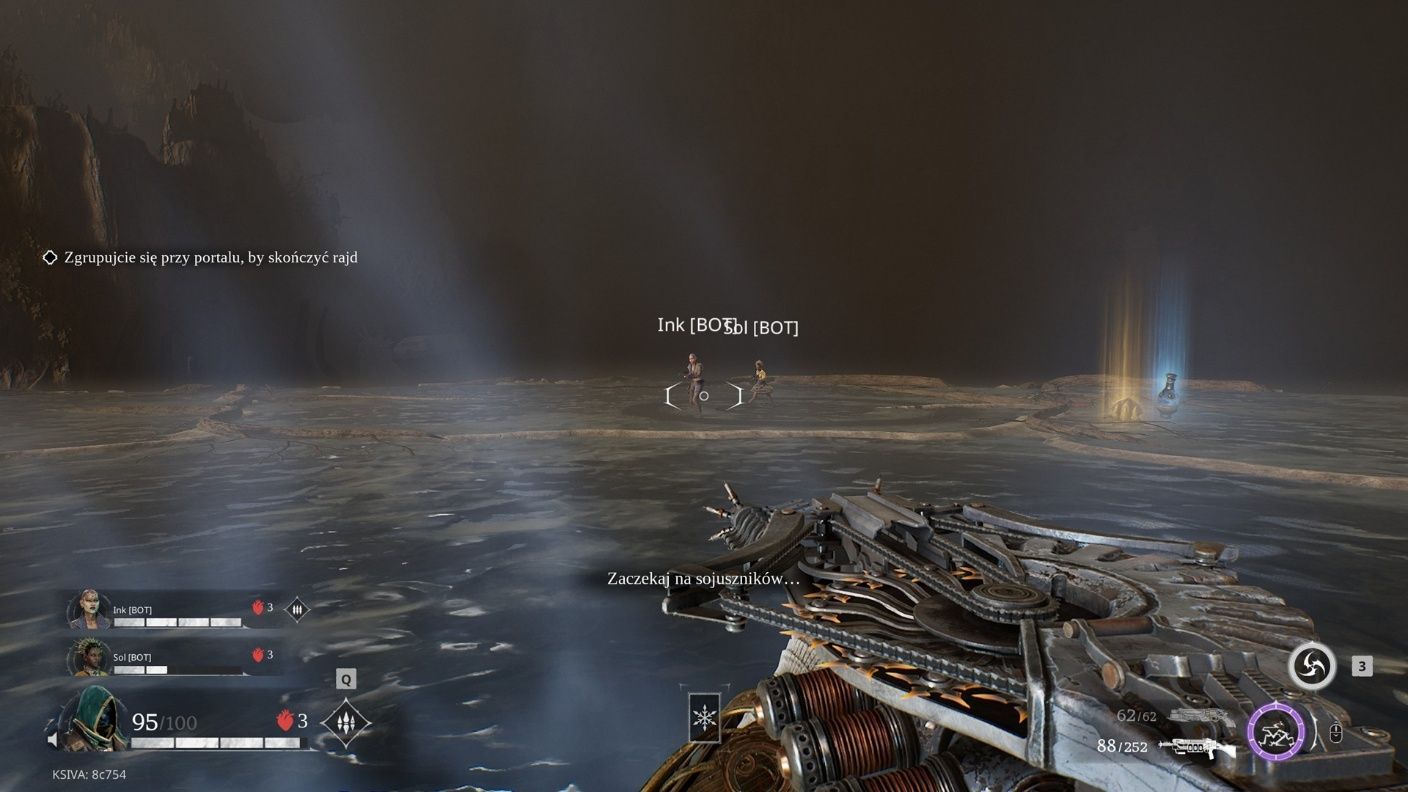
However, the real drama begins when we realize we are stuck with these digital companions. The bots in Painkiller aren't just weak—they're dumb and are more of a threat to your mission progress than any demon. Their AI basically has two modes: either mindlessly charging at the enemy or getting stuck on some random part of the environment. They notoriously like to get stuck somewhere, block themselves, or freeze behind a wall.
This leads to bizarre situations that ruin the game. For example, after I took down one of the bosses, a victory celebration and mission summary should have appeared on the screen. Instead, there was nothing. The boss is dead, and I'm just running around an empty arena because the game won't end the mission. Reason? The script needed all three characters to get to a specific spot to trigger the cutscene. Meanwhile, my bots stood frozen, and absolutely nothing could make them move. The only solution? Restart the entire several-minute level.
Painkiller, Anshar Studios, 2025
As if that wasn't enough, our partners just can't stop talking. The creators thought it would be a great idea to record dialogue lines where the bots throw around cheesy jokes and try to be "funny." In practice, while we're trying to focus on just getting through, we're bombarded with a constant stream of bad jokes. It totally kills the vibe, and after five minutes, all you want to do is chuck your keyboard at the wall. This forced co-op isn't just a failed feature—it's a big mistake that messes up the fun at every turn.
Fortnite characters
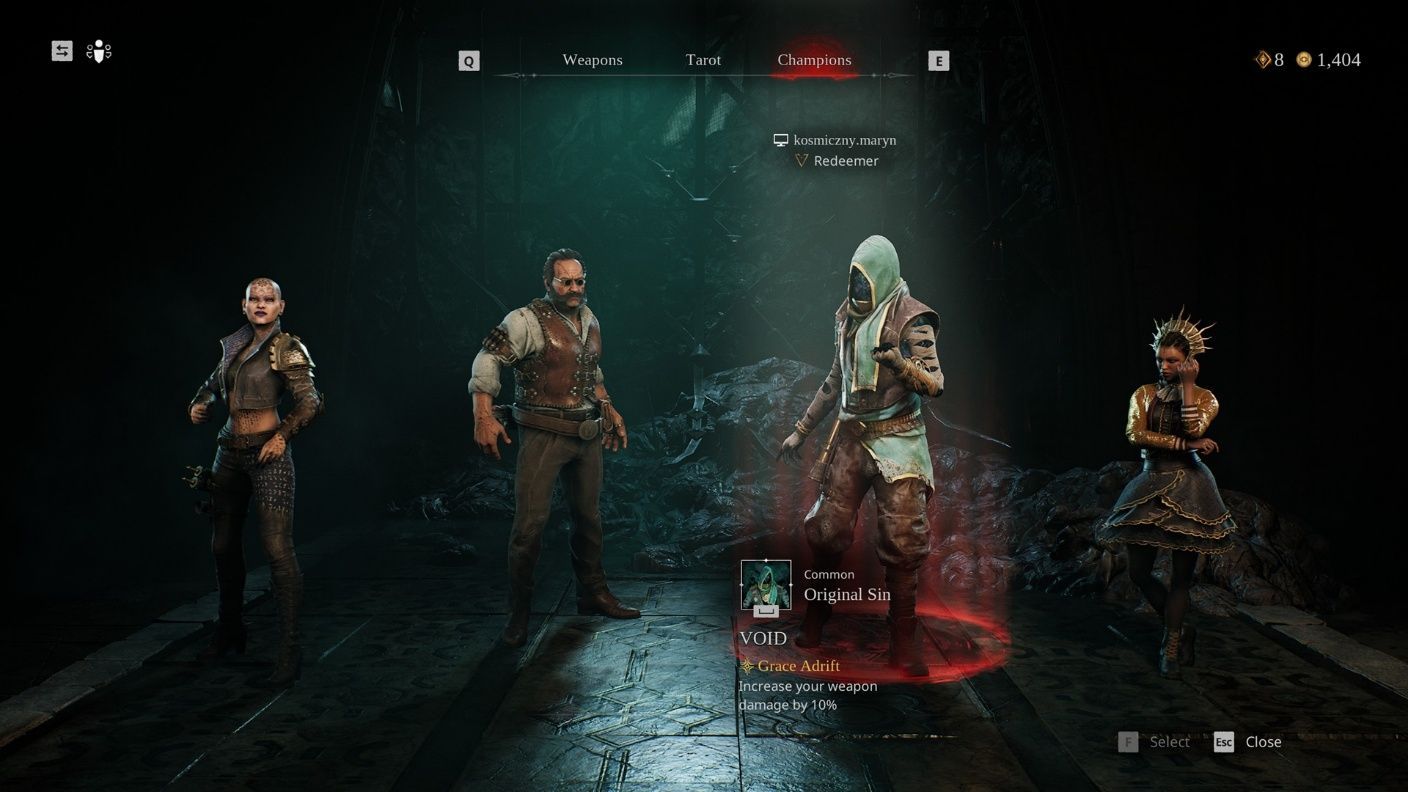
The co-op system is one thing, but the game tries to make up for it by introducing four "unique" characters. However, this is just another illusion. These characters look like a random bunch of Fortnite skins tossed out of the store – just generic types with zero personality or visual consistency. They might as well be characters from any other live-service game. The problem is that there is absolutely nothing behind this design. The devs apparently decided that in a co-op game, it's enough to give players different character models, forgetting the foundation of this genre—diversity.
All four differ from each other by literally one passive statistic. One character has slightly more health points, another deals slightly more damage. That's it. There are no unique skills, special weapons, different movement styles, or any mechanics that would define their role on the battlefield. Every character plays the same way, uses the same six weapons, and does exactly the same stuff. In a game that emphasizes cooperation so much, this is simply bad. There is no synergy and no reason to choose a specific team composition—it's just four identical avatars running alongside each other.
Painkiller, Anshar Studios, 2025
The creators tried to give them some kind of backstory, but the way they did it is probably even worse than the design itself. All the exposition, character dialogues, and key plot points are delivered to the player during the most intense firefights. It's simply hard to follow. No one in their right mind is going to try reading subtitles or listening to dialogue while battling hordes of demons.
As a result, I had no idea what the story was about, who these characters were. Even when I tried to focus for a bit, all I could think was that the script was just as bland as everything else. It's just another generic demon story, written without any flair. The characters and storyline, instead of being motivating, just end up as annoying background noise.
A campaign for one afternoon
If you were hoping that the terrible character design and bot issues would be made up for by the other content, well, you're in for a big letdown there, too. The campaign in the new Painkiller is short. You can totally finish the whole thing on normal difficulty in one evening—it'll take you around four, maybe five hours. That length would be fine for a super intense, polished, and replayable game.
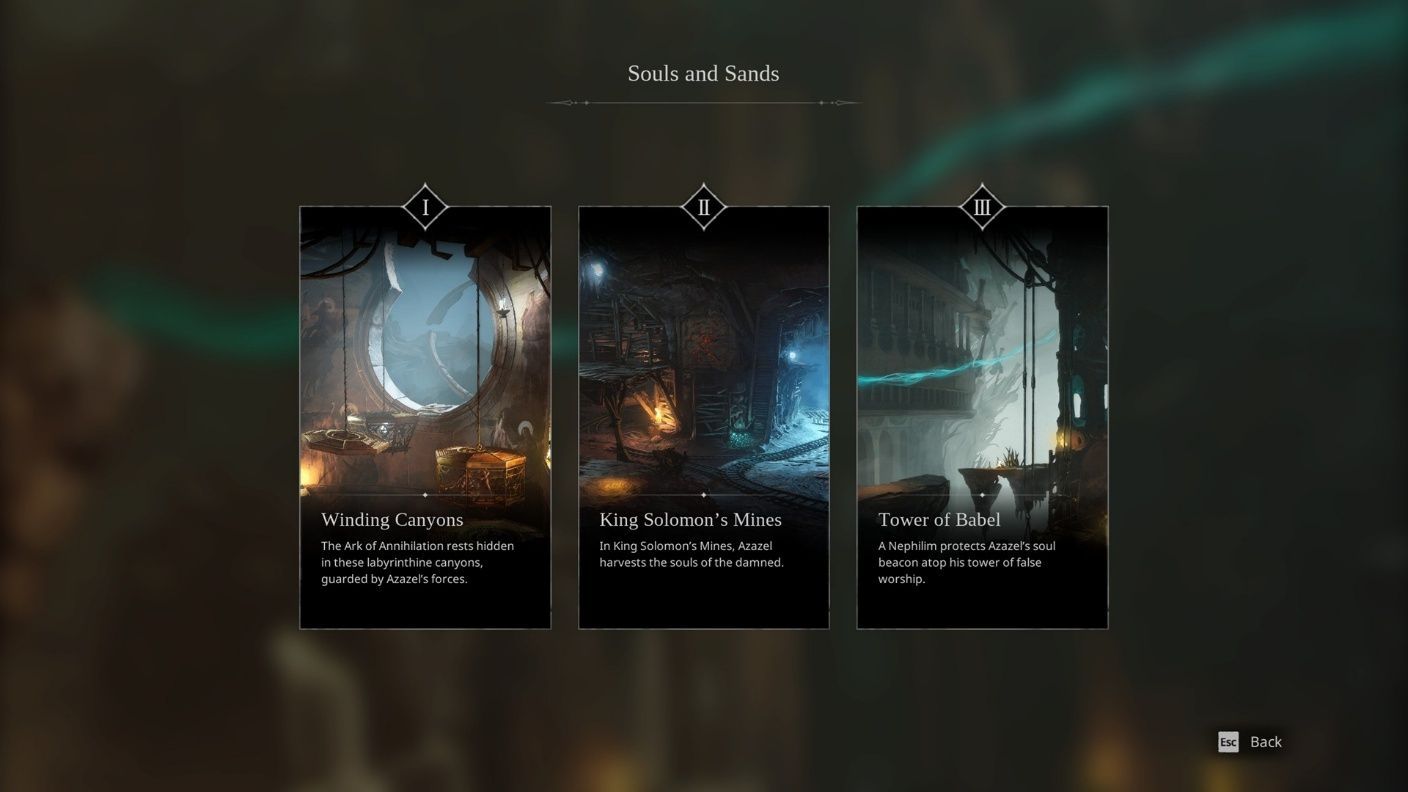
The structure of this short adventure only deepens the chaos. Instead of a straightforward, well-thought-out progression, the campaign is split into three main biomes, each with three levels, so there are only nine missions in total. The game lets us explore these biomes in any order we want. Such non-linearity is the nail in the coffin for any narrative coherence. Since it's already impossible to follow the conversations during the shooting scenes, the way we jump between storylines all over the place makes the whole plot feel like a big, jumbled mess. There's no building of tension, character development, or sensible narrative—it's just a collection of nine disconnected maps.
Painkiller, Anshar Studios, 2025
What awaits after those 4-5 hours? The game is trying to save the day with an extra roguelike mode, which at first glance seems pretty decent. It locks us in arenas, throws waves of enemies and various challenges at us, and lets us pick up temporary power-ups. The issue is that this mode also suffers from the main problem of this creation—a lack of any depth. The fun stops when you either complete the run or die. There is no progression. We don't permanently unlock new skills, level up characters, or get resources that make future attempts easier. This makes the mode just as repetitive and boring as the campaign, only even faster.
Painkiller offers absolutely no content or systems that make you want to come back to it. After going through a campaign, there's literally nothing to do here. It's a one-and-done game that ends up in the trash before we even remember the characters' names.
- Satisfying shooting mechanics;
- boss fights are the best element of the game;
- six available weapons in the game are reasonably varied;
- visited biomes can at least be atmospheric in terms of visuals.
- Campaign is very short, it can be completed in 4-5 hours;
- co-op is forced, there is no option to play solo without bots;
- generic characters, without any diversity;
- bots can get stuck, forcing you to do the mission from the start;
- poor storyline, which is hard to follow;
- level and challenge designs are boring and linear;
- uncreative and repetitive mission objectives;
- game lacks enemy variety;
- wasted potential of the Tarot Card system;
- weapon upgrade system is too simplified.
It could have been good
We finally reach the core, which is the shooting. And here, I must admit, Painkiller can be satisfying. The fundamentals are in place – the shooting feels quite good. Blasting demons is a real thrill, and the six weapons you can choose from are pretty nicely varied. The game is fast-paced, and our character is super dynamic, which should make for a really fun experience. The problem is that these solid foundations have been buried under a pile of terrible design choices that totally ruin the fun of the combat.
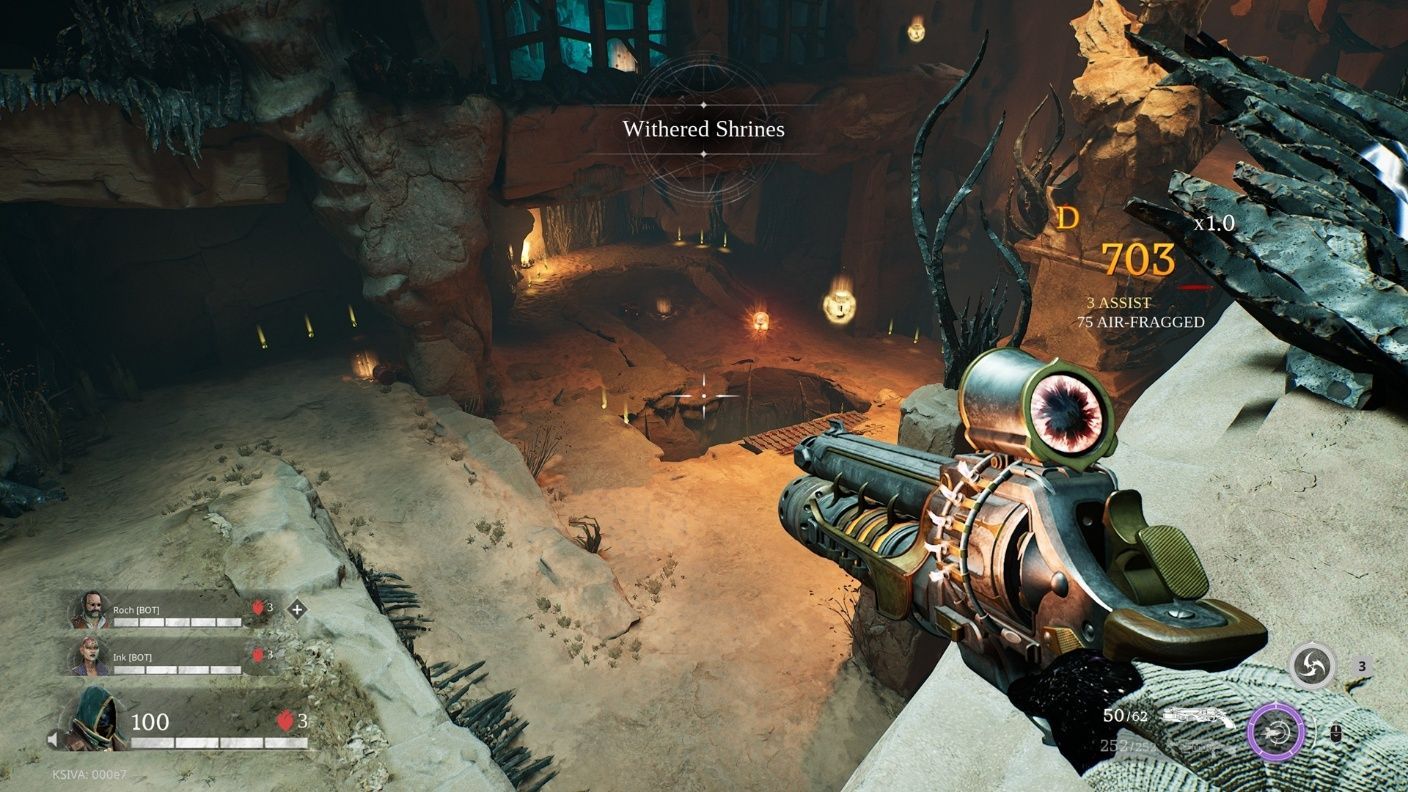
Let's start with the level design. Even though we're checking out three different biomes that look pretty cool, the architecture is a total fail. The levels are boring, linear, and offer absolutely no interesting paths, challenges, or secrets to discover. The entire gameplay boils down to moving from one small, claustrophobic arena to another. The cramped design doesn't really work well with the characters' fast movements.
Painkiller, Anshar Studios, 2025
In these small arenas, we're stuck doing boring and repetitive objectives. Forget about interesting mission goals – the whole gameplay loop here is just about wiping out waves of demons, filling up some barrels with blood, moving soul containers to a specific spot, or just standing in a circle and waiting for something to load. To make matters worse, in these repetitive tasks, we constantly fight the same enemies. The game doesn't really bring in new challenges with the new biomes; it just changes the scenery and throws the same demons at us that we were fighting an hour ago.
The cherry on top of this mess is the total visual chaos. When three characters and a bunch of demons clash in a small arena, the screen turns into total mess. There are so many particle effects, explosions, and blood that after a while, you can't see a thing. The dynamic movement, which should be our asset, becomes useless because we can't control what's happening on the screen.
Progression systems
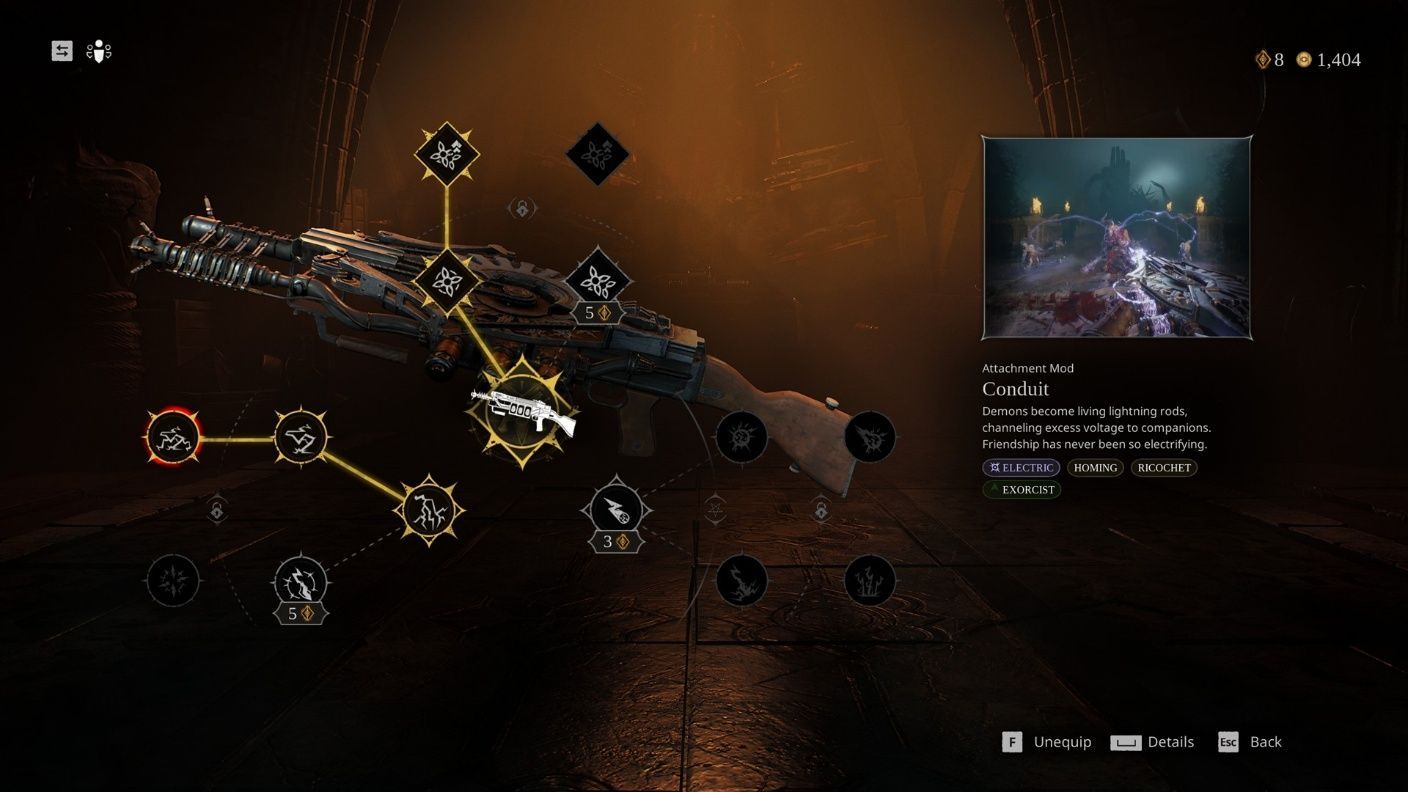
Since the campaign fails and the mission objectives fall short, do the progression systems at least give us a reason to keep going? Unfortunately, Painkiller continues the festival of wasted potential and shallow mechanics. Take weapon upgrades, for example. We've got six different guns and we can upgrade them. In practice, this system is extremely simplified. It boils down to choosing one of two basic upgrades and one of two add-ons. That's it. A rather nice idea is that to pick the best upgrades, you actually have to use the weapon a lot. The issue is that with such a short campaign, we'll max out our favorite weapon super-fast, and the whole system becomes pointless. There's no depth, no interesting skill trees, nothing to keep us engaged in the game for longer.
Painkiller, Anshar Studios, 2025
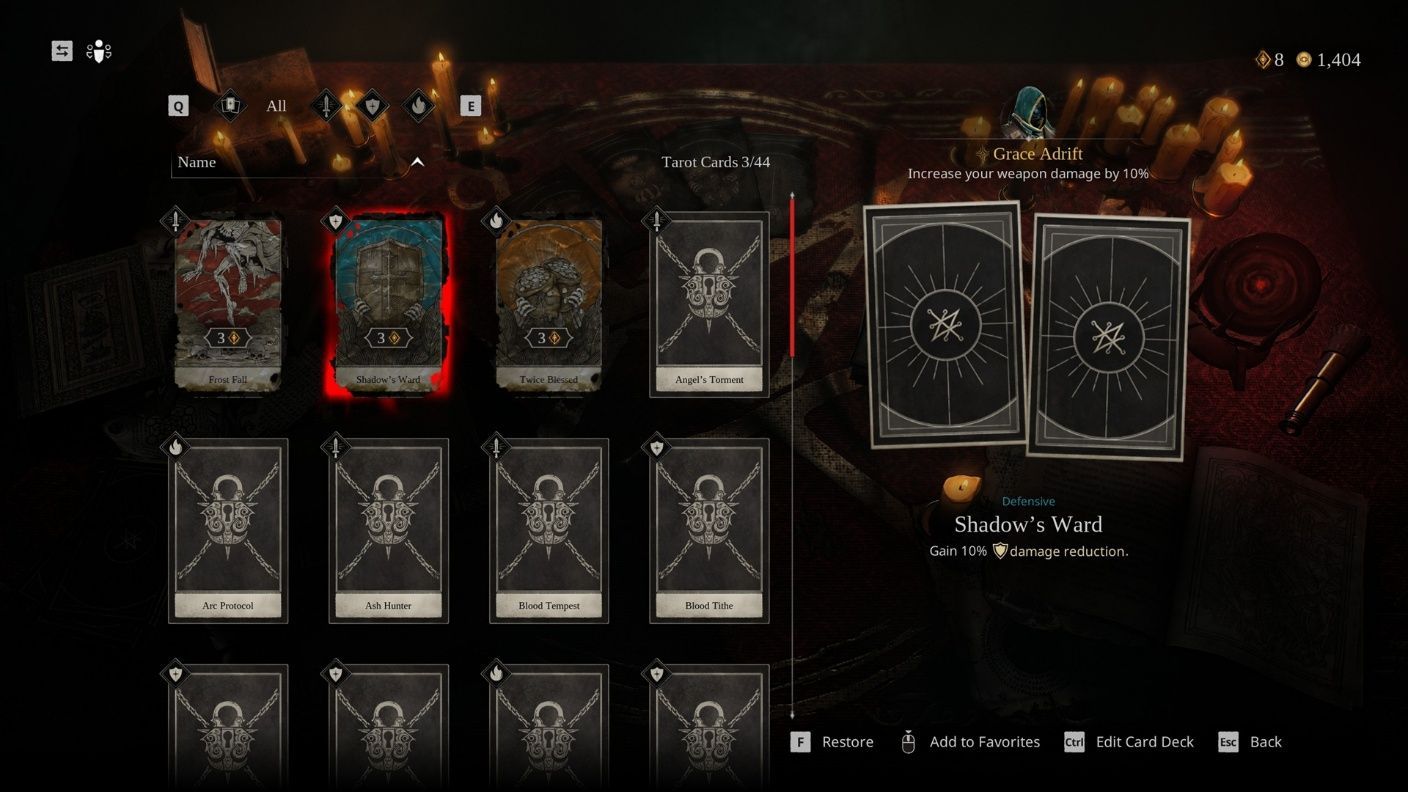
But the real kicker and standout feature of this game is the Tarot Card system. It was supposed to be the mechanic that ensures replayability and allows for creating interesting builds. However, it's a tedious and boring system that punishes the player. Here's how it works: you can spend 3000 gold to randomly get a new card. Before the mission, we can gear up two of them to give us some extra perks. It sounds standard, but the devil is in the details. First, most of the cards only give you small, dull perks. Second, unlocking them is such a hassle that by the time I finished the whole campaign, I only had a few in my collection and didn't really care about them.
The worst part, however, is the fundamental resource conflict. The Tarot Cards are consumed after one use. If we want to use them again, we have to unlock them with currency. The same currency that we use for permanently upgrading weapons. So the game forces you to choose – do you want to buy a permanent weapon upgrade or just a one-time, weak bonus from a card? The answer is obvious. It's a system that sabotages itself, discouraging experimentation. Instead of adding replay value, it just turns into an annoying gimmick that most players will ignore.
Painkiller, Anshar Studios, 2025
Bright spots?
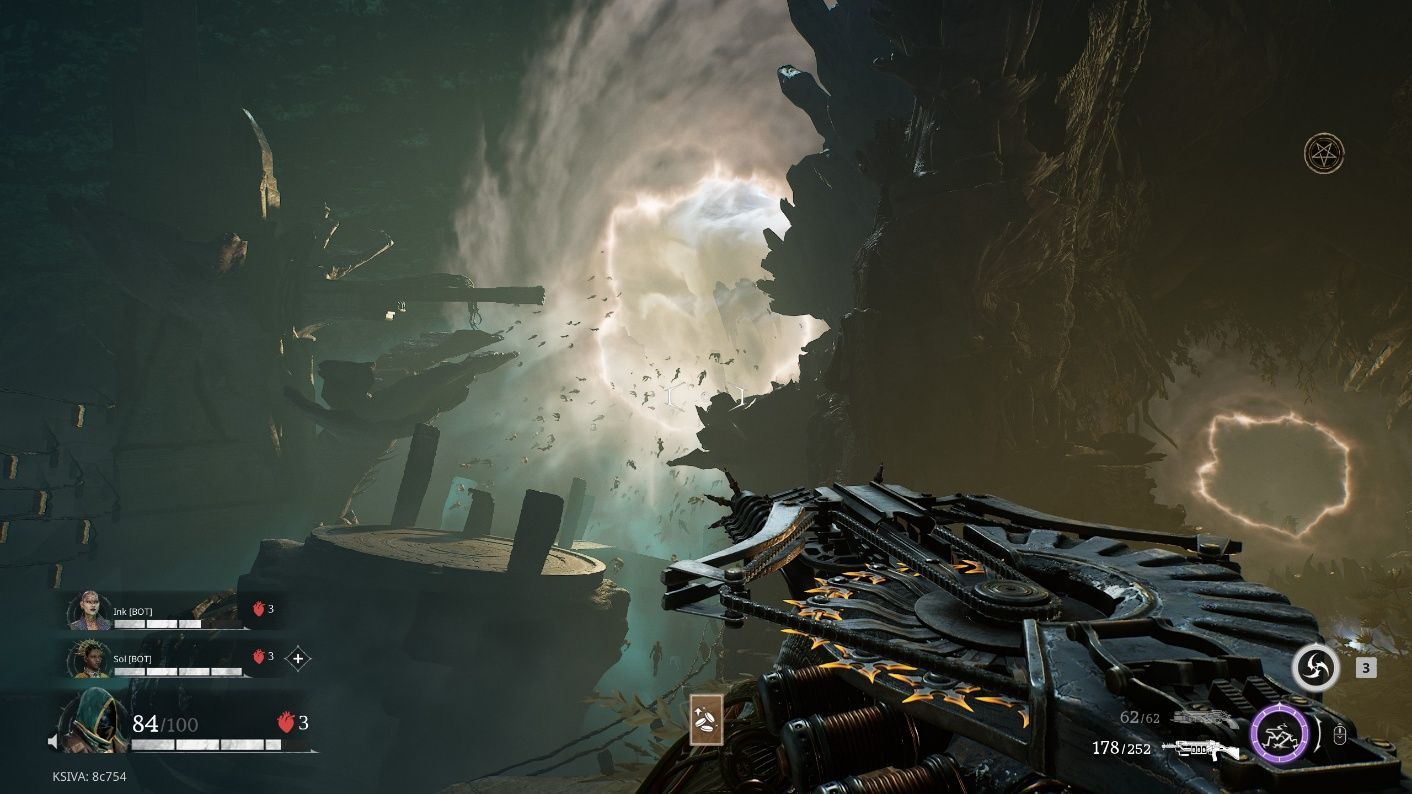
After all the criticism, I must honestly admit that Painkiller has one undeniably strong element. Once we get past the boring hallways, dull missions, and glitchy bots, the game can actually throw a challenge our way that's pretty impressive. I'm talking about the boss fights.
These are the moments when you can see that there is potential lurking somewhere in this studio. The final opponents' projects are awesome and really interesting. The bosses are big, have a great atmosphere, and you can really feel like you're up against something powerful. They aren't just bigger enemies with a giant health bar—they have their phases, unique attacks, and can surprise you. During those battles, I kind of forgot about the chaos and stupidity of the bots because the fight design was engaging enough.
Painkiller, Anshar Studios, 2025
However, even here, there was a slight hitch. Although these encounters were impressive, I felt they were a bit too lengthy. The battles dragged on way too long, turning into a patience test of dodging attacks rather than a real skill challenge. Combined with the visual chaos, it could get pretty exhausting. Nevertheless, these fights are what save this game from complete disaster. It's just a shame that they make up such a small portion of the entire experience.
VERDICT:
The new Painkiller is not a good game. This is not a title that almost succeeded or has untapped potential that modders will fix. This is a short production, poorly made and ill-conceived at almost every level.
Find all our reviews on Metacritic, Opencritic, and CriticDB.
Conclusion
So, we're wrapping things up, and there's really only one way to put it – the new Painkiller is not a good game. This is not a title that almost succeeded or has untapped potential that modders will fix. This is a short production, poorly made and ill-conceived at almost every level. Every system feels like it's been thrown together haphazardly, with no rhyme or reason, and no idea how it should fit in with everything else. It's an empty shell trying to exploit a legendary brand, offering almost nothing in return.
It's hard not to ask why co-op was implemented in such a form at all. Painkiller has always been about solo power, not a team effort. But since the studio insisted on this direction, they should have committed to it. They should have created interesting characters with unique abilities that actually impact gameplay and require cooperation. They should have built a sensible, long-term progression system around it and, most importantly, provided much more content than just a one-evening campaign. Without it, the whole co-op thing is just an annoying, broken, and totally unnecessary extra.
The worst part, however, is that the creators left us with no choice. You can't turn off this farce and simply play solo without the assistance of bots. We're stuck dealing with dumb scripts that keep messing up the fun, freezing, and getting in the way of progress. Not being able to play solo just shows that the devs totally missed the mark on what the brand and genre are all about.
The recommendation is simple and painful – it's definitely not worth it. There are tons of better and more engaging co-op shooters out there that respect your time, and they're in the same price range.


Painkiller
Painkiller review: An empty shell exploiting a legendary brand
The new Painkiller is not a good game. This is not a title that almost succeeded or has untapped potential that modders will fix. This is a short production, poorly made and ill-conceived at almost every level.