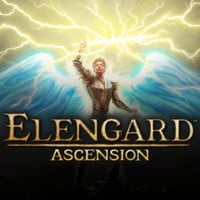
Elengard: Ascension

Early Access
Release Date: January 19, 2026 Early Access
Release Date: January 19, 2026 Early Access
Dragon Age: The Beginning and Neverwinter Nights are cult RPGs that, while using new (at the time of their release) solutions, also drew handfuls from the classics of the genre. Years later, they served as a source of inspiration for independent developer Stephano M.M.G., behind the project Elengard: Ascension.
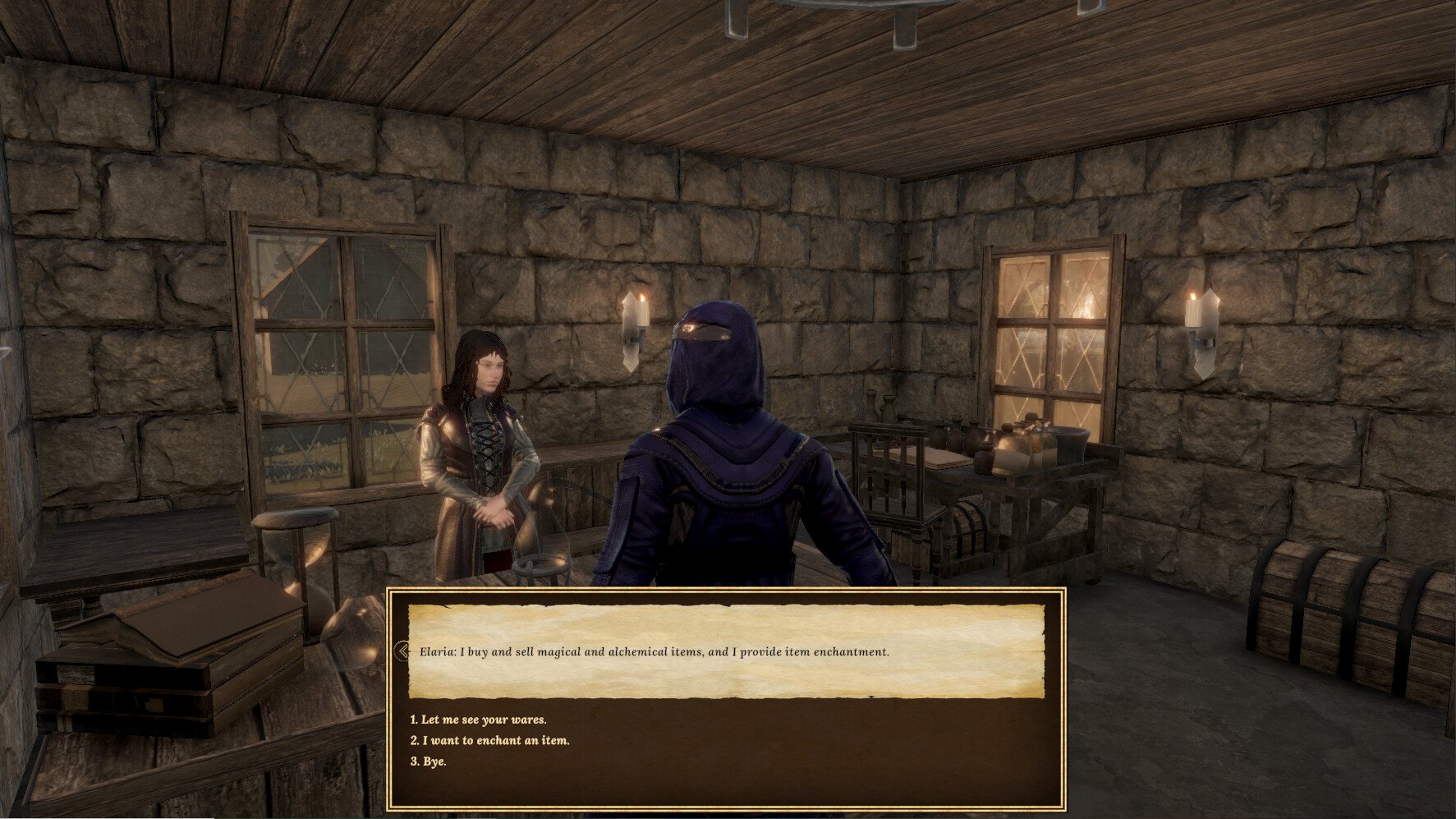
In Elengard: Ascension, events are viewed from a third-person perspective (TPP). Wandering through the game's open world, we get to know its inhabitants, have conversations with them (choosing dialogue issues on our own) and complete tasks pushing the story forward and side missions. In addition, we fight enemies and gradually develop the hero or heroine.
During the gameplay, we take on the role of a character whose gender, appearance and archetype we decide on our own. Archetypes can be categorized into character classes (we are talking about warrior, rogue, mage, priest and druid, among others). Although they are associated with archetype skills, the development of which can provide certain bonuses, we have access to all abilities, which allows us to create diversified "builds". characters.
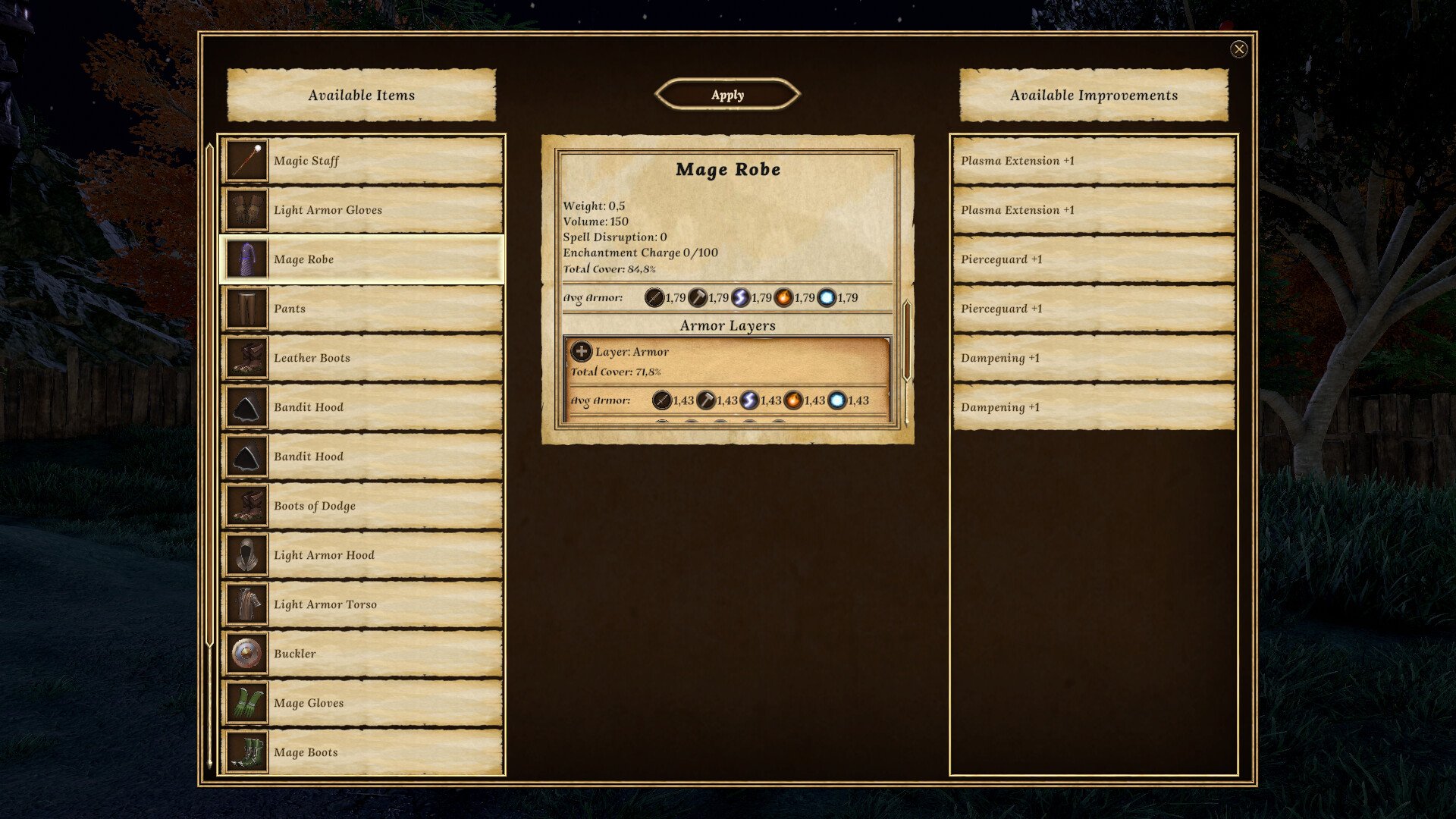
In addition to character development, its combat potential is increased with the help of increasingly better equipment. The latter can be found in the game world, purchased from merchants or manufactured and upgraded by ourselves.
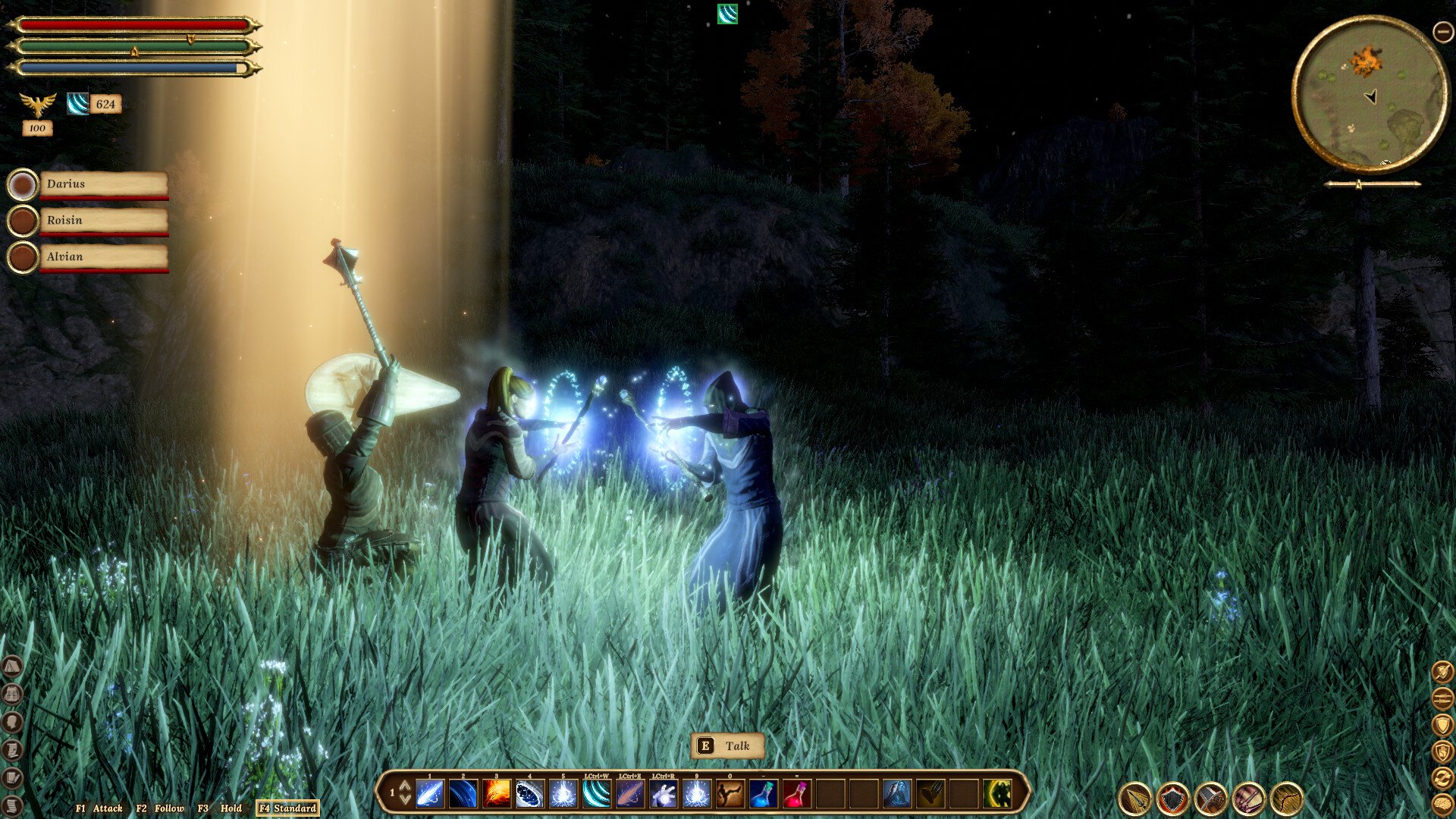
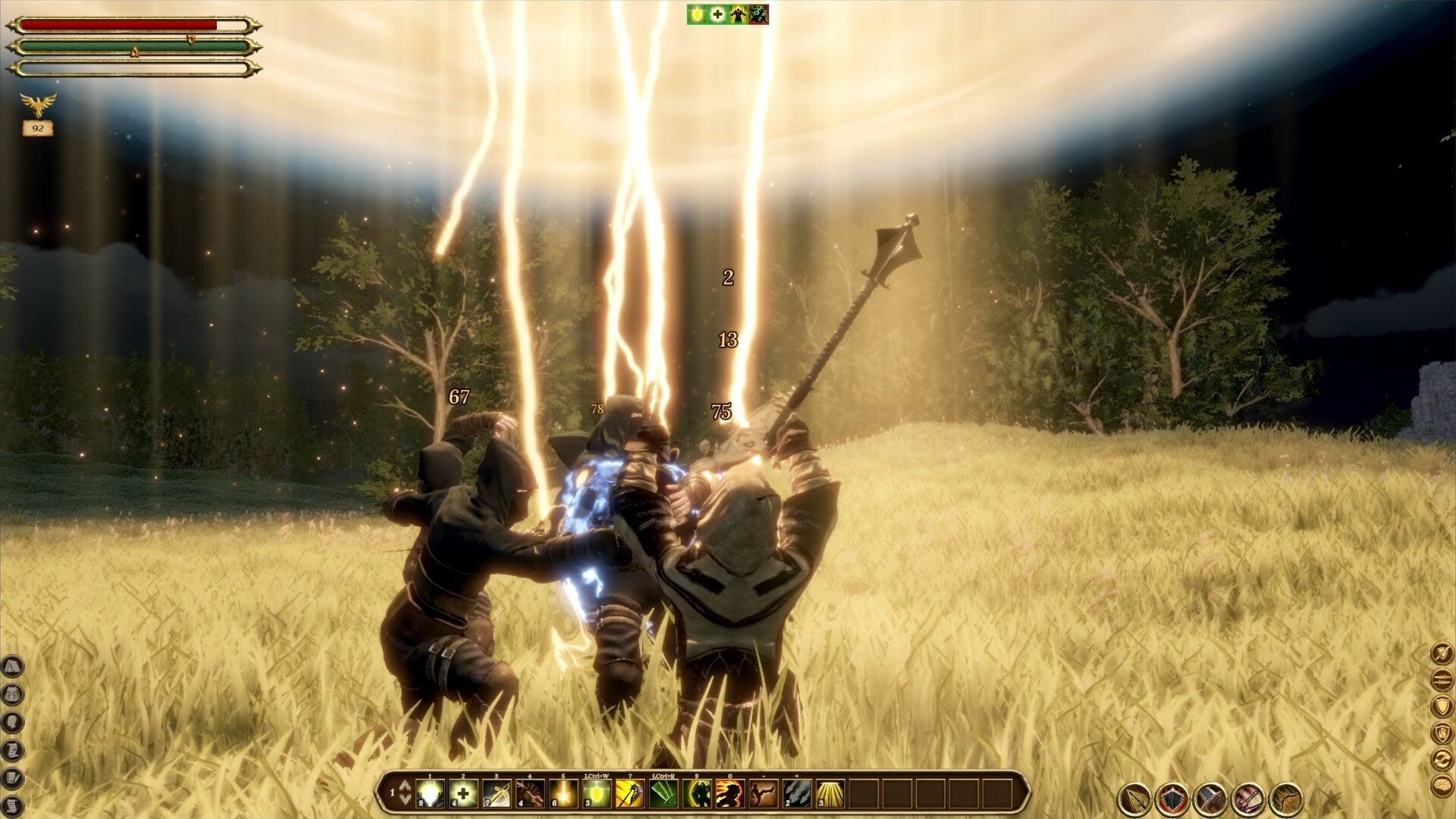
A real-time combat system with two control modes has been implemented in Elengard: Ascension. The manual one forces us to perform successive attacks and active defense on our own, which we do by pressing certain buttons. The automatic variant, on the other hand, makes the character act automatically after giving the order to attack. There is no lack of an active pause system, allowing you to stop the action and calmly issue commands.
We can configure the abilities and spells used on the battlefield, deciding on their power, range, radius and associated skill and combat actions, as well as modes and stances. These include, among other things, enriching spells with additional effects, attacking single targets or entire groups, selecting specific movements with white weapons (thrusts, slashes, assaults) or using one- or two-handed weapons.
Our chosen fighting style directly translates into our effectiveness on the battlefield. This forces us to be flexible, as one-on-one duels require different tactics, while clashes with groups of enemies require different ones.
Elengard: Ascension is set in a fantasy universe inspired by The Lord of the Rings and Dragon Age: The Beginning. During the gameplay we play as a resident of a peaceful village, who one day discovers that he is burdened with a curse that could bring destruction to him and his loved ones. After setting out on a journey in search of a cure, he learns that the world around him hangs a threat from dark forces that have chosen him as a target. From now on, his task is not only to deal with the problem plaguing him, but also to confront the darkness.
Platforms:

PC Windows
Developer: Stephano M.M.G
Publisher: Stephano M.M.G
Age restrictions: 16+
Similar Games:
System Requirements for Elengard: Ascension Video Game:
PC / Windows
Minimum System Requirements:
AMD Ryzen 5 3400G, 8 GB RAM, graphic card Radeon RX Vega 11, 40 GB HDD, Windows 10.
Recommended System Requirements:
AMD Ryzen 7 3700X, 24 GB RAM, graphic card 8 GB GeForce RTX 3060 Ti, 40 GB HDD, Windows 10.
Game Ratings for Elengard: Ascension Video Game.
The main pros of the game
The main cons of the game
The features or elements that are missing from the game according to users
Summary
Summary generated on:
![[2:12] - Combat Gameplay Trailer](https://cdn.gracza.pl/galeria/filmy/640x360/-1355136875.jpg)