Advanced Game Search
Pompeii: The Legacy

Pompeii: The Legacy

PC
Released

Release Date: April 9, 2026

Strategy, Economic, Ancient History, Indie Games, Ancient Rome, City Builder, Singleplayer

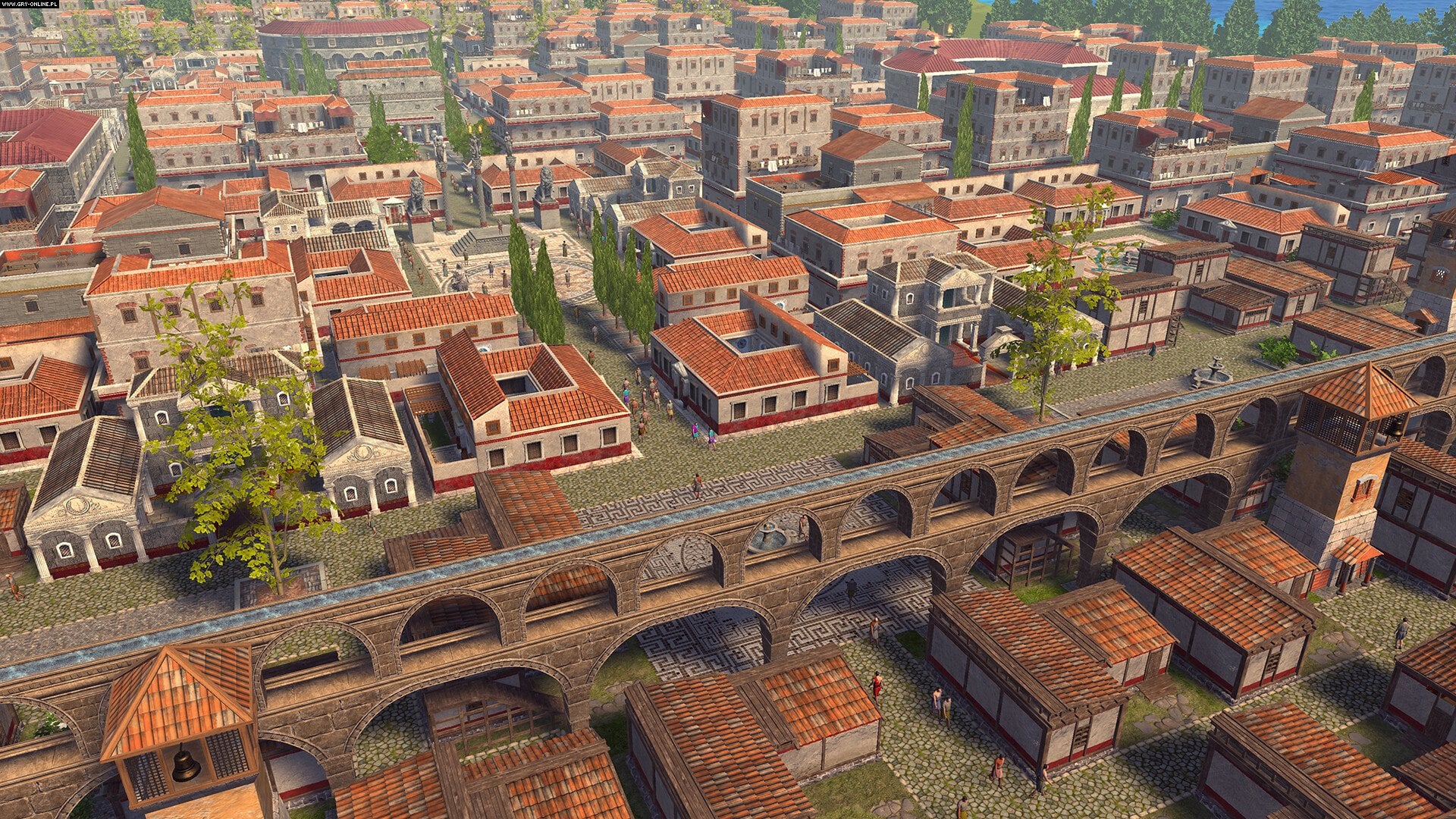
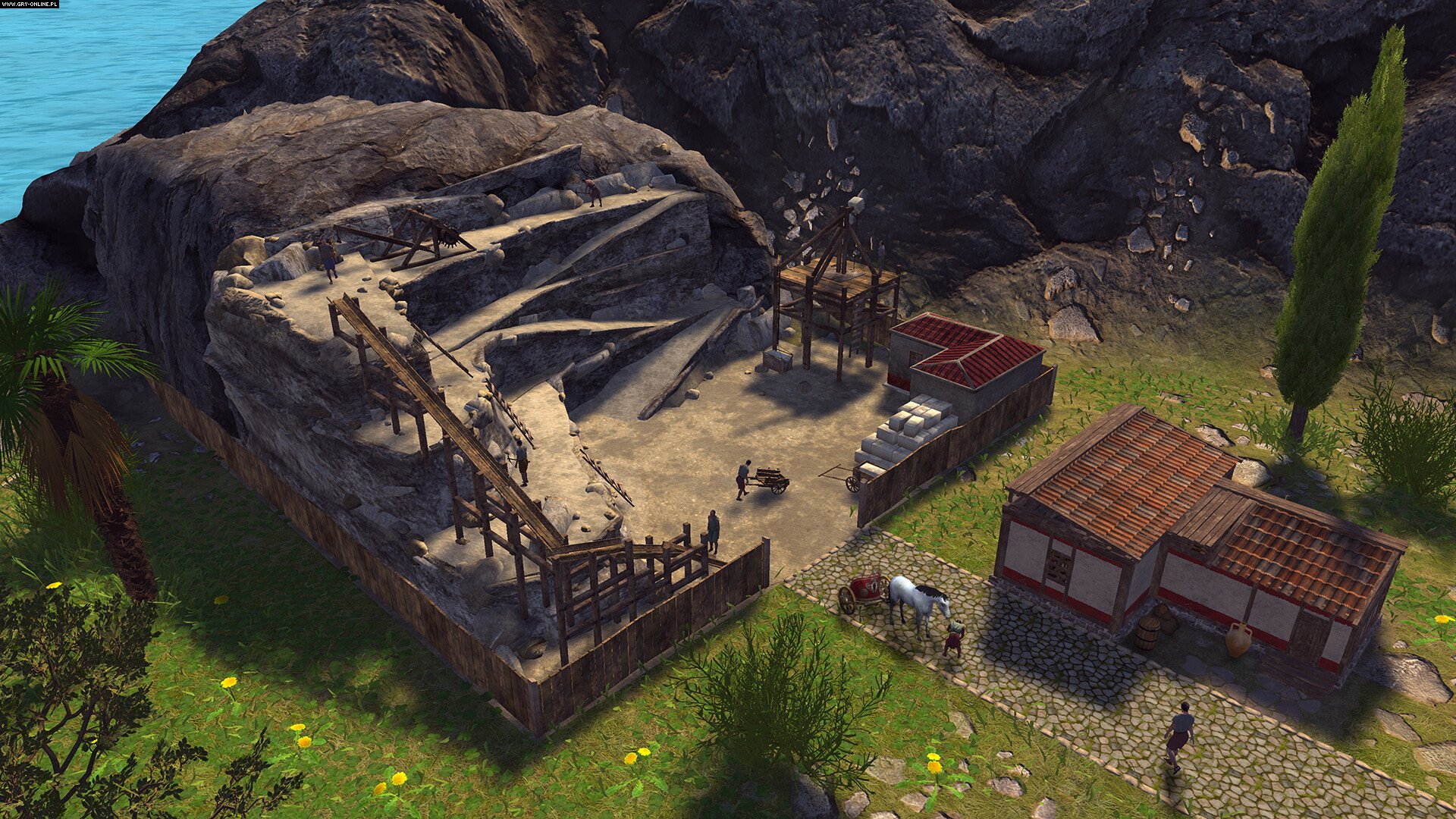
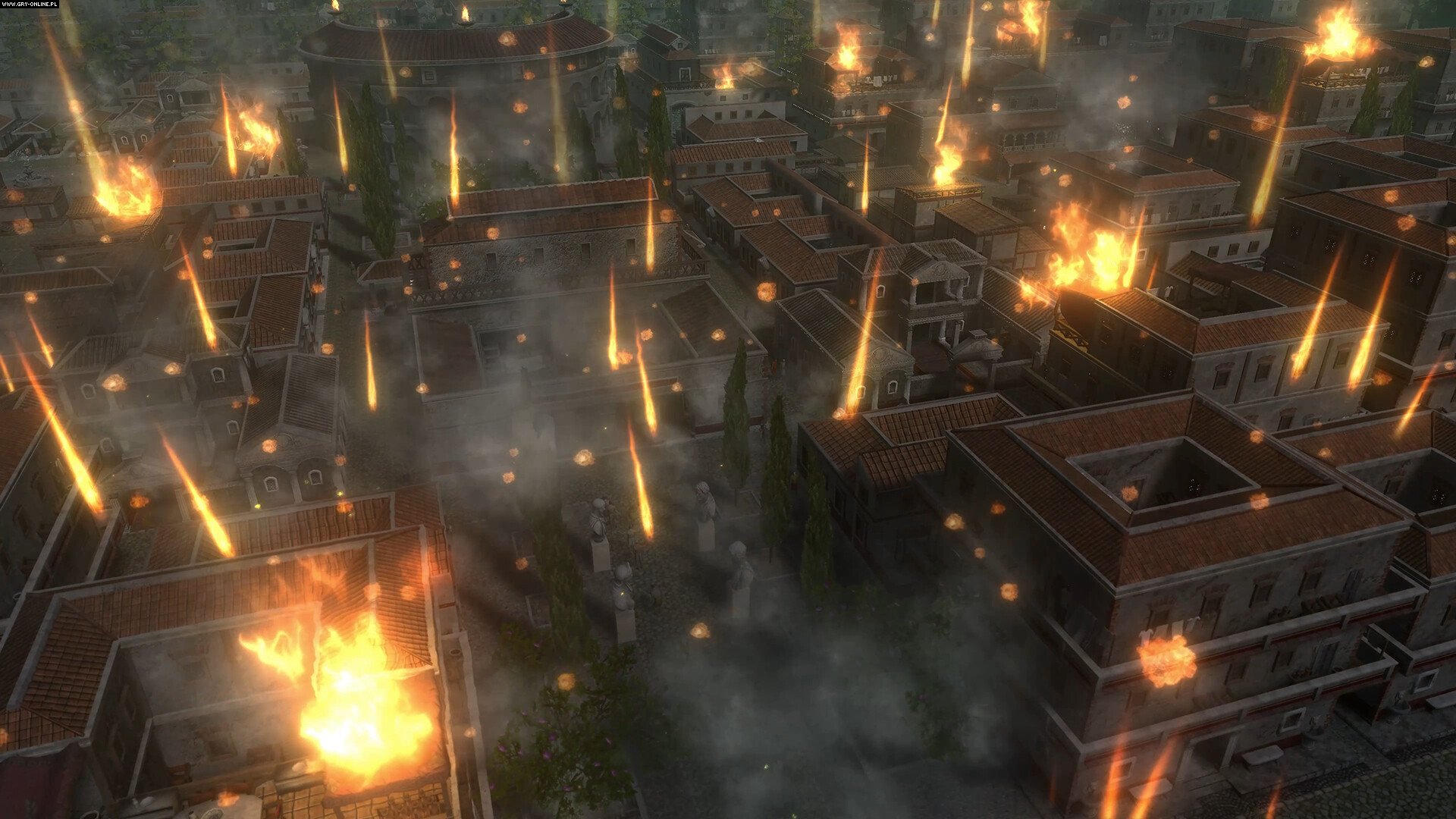
A city builder strategy game. Pompeii: The Legacy takes us to the historical city of the Roman Empire which was destroyed after the eruption of the Vesuvius volcano. Our task is to slowly rebuild the city's former glory over the course of over 200 years.

8.4

Steam

Rate It!
Ratings
[1:01] - Full Release Trailer Videos: 3
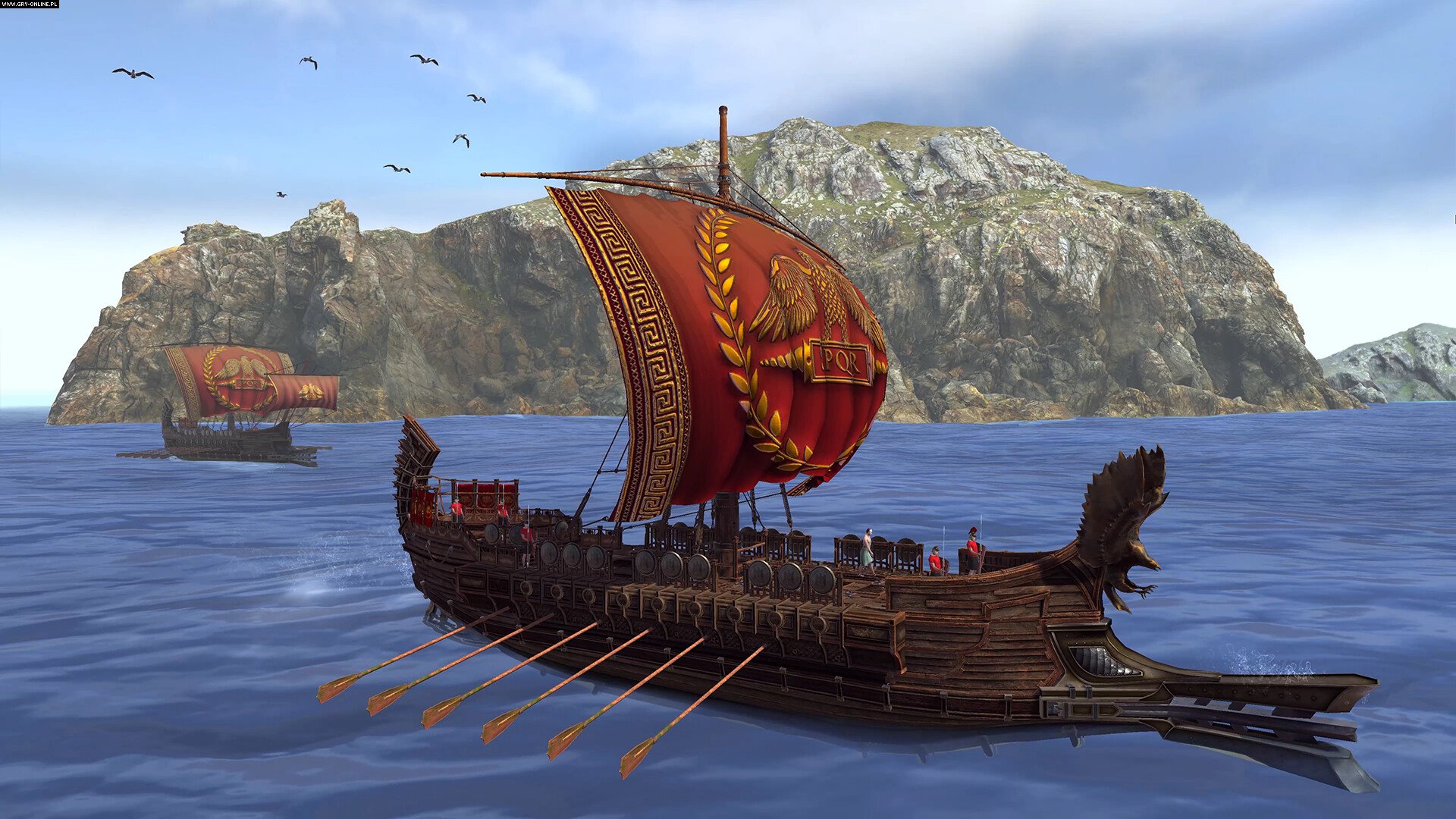
Screenshot Images: 6
Screenshot
Screenshot
Screenshot

Pompeii: The Legacy is almost a one-man project by Zeljko Kos, a Croatian indie games veteran. It represents the genre of city builder type games, but it also offers elements known from economic strategies. The game's narrative presents an alternative version of history.

Plot

The story in Pompeii: The Legacy begins two decades after the eruption of the volcano Vesuvius, which destroyed many cities that were part of the Roman Empire. One of them was Pompeii, known for its maritime trade.

As the head of a Roman family, we oversee the reconstruction and development of Pompeii over several generations, navigating the complex social hierarchy of the Roman Empire and fulfilling tasks received from emperors such as Trajan, Hadrian and Marcus Aurelius.

Read More

Platforms:

PC Windows

PC Windows

Early Access:September 23, 2025

Developer: Siscia Games

Publisher: Siscia Games

Features

System Requirements

System Requirements for Pompeii: The Legacy Video Game:

PC Windows

PC / Windows

Minimum System Requirements:
Intel Core i5-3470 / AMD FX-6350, 16 GB RAM, graphic card 3 GB GeForce GTX 1060 / 4 GB Radeon RX 560, 24 GB HDD, Windows 10 64-bit.

Recommended System Requirements:
Intel Core i7-3770 / AMD Ryzen 5 1600, 16 GB RAM, graphic card 6 GB GeForce GTX 1060 / 8 GB Radeon RX 590, 24 GB HDD, Windows 11 64-bit.

Ratings

Game Ratings for Pompeii: The Legacy Video Game.

84%

STEAM Score

All Reviews: Very Positive (235)

STEAM
User Reviews Summary generated by AI

The main pros of the game

  • Historical Authenticity: The game is praised for its attention to detail and historical accuracy, immersing players in the Roman era.
  • Engaging Storyline: Players appreciate the narrative-driven gameplay, which blends city management with a compelling story.
  • Graphics and Visuals: Many reviews highlight the game's beautiful graphics and detailed environments, enhancing the overall experience.
  • Community Engagement: The developer is noted for being responsive and actively engaging with the community for feedback and improvement.
  • Gameplay Mechanics: The mix of city-building, resource management, and political intrigue is well-received, offering a blend of strategy and planning.
  • Multiple Game Modes: The inclusion of campaign, sandbox, and creative modes provides variety and options for different play styles.

The main cons of the game

  • Camera Controls: Several users expressed frustration with the camera being locked and lacking the ability to tilt and zoom freely, which limits exploration.
  • User Interface (UI) Issues: The UI is described as clunky and in need of improvement to enhance usability, particularly regarding resource management and notifications.
  • Balancing Problems: Players noted issues with resource production and consumption, leading to difficulties in managing supply chains and citizen satisfaction.
  • Limited Replayability: The game currently offers a single map, which some players feel limits long-term engagement and variety in gameplay.
  • Performance Issues: Some users reported performance problems, including low frame rates and long loading times, particularly on certain systems.

The features or elements that are missing from the game according to users

  • Quality of Life Improvements: Suggestions include the addition of hotkeys for building menus, clearer trade menus, and notifications for resource shortages or building requirements.
  • Enhanced Trading System: Users desire a more dynamic trading system with variable prices and better management options for resources.
  • Additional Maps: Many players expressed a wish for more maps to increase replayability and challenge.
  • Military Features: While the game currently focuses on city management, players are looking forward to the implementation of military elements for added depth.
  • Improved Pathfinding and Citizen Interaction: Some reviews mention that villager pathing and interactions could be enhanced for a more realistic experience.

Summary

  • Overall, while "Pompeii: The Legacy" has received positive feedback for its concept and execution, players have identified several areas for improvement that could enhance the gameplay experience as the game continues to develop in early access.

Summary generated on: