Hyrule Warriors: Age of Imprisonment review: Musou mayhem meets Zelda magic
A fast-paced musou spin on Zelda’s rich lore, Age of Imprisonment expands Tears of the Kingdom’s world while delivering the series’ most polished Hyrule Warriors entry yet.
The review is based on the NS2 version.

Breath of the Wild introduced us to the largest Legend of Zelda world the franchise had ever seen, and the games that followed have continued building on that foundation. Along the way we’ve met unforgettable characters, uncovered a legend that spans centuries, and trekked across vast, meticulously crafted landscapes. Tears of the Kingdom expanded things even further, giving us more tools, more freedom, and more ways to let our imaginations run wild as we experimented with new methods of traversal and combat.
It’s been over a decade since our first journey through this version of Hyrule, yet Nintendo still isn’t ready to say goodbye. Instead, Hyrule Warriors: Age of Imprisonment arrives as one last (hopefully final) return to this universe. Rather than leaning into the puzzles and emotional storytelling the main series is known for, it embraces the mindless yet undeniably addictive musou-style battles popularized by Dynasty Warriors. And even though the storytelling seems rushed at certain moments, the overall experience works far better than you might expect.
The Legend of Zelda to the Past
Age of Imprisonment takes place a hundred years before Tears of the Kingdom. The game opens with Zelda being sent back in time while Link deals with the aftermath of Ganondorf’s chaos in the present day. You really should play Tears of the Kingdom first, because Age of Imprisonment constantly references its characters, locations, and overarching lore. More importantly, Tears of the Kingdom provides the emotional grounding and context that this game only hints at; without it, you’d miss out on the scale and impact of the events this musou spinoff merely brushes against.
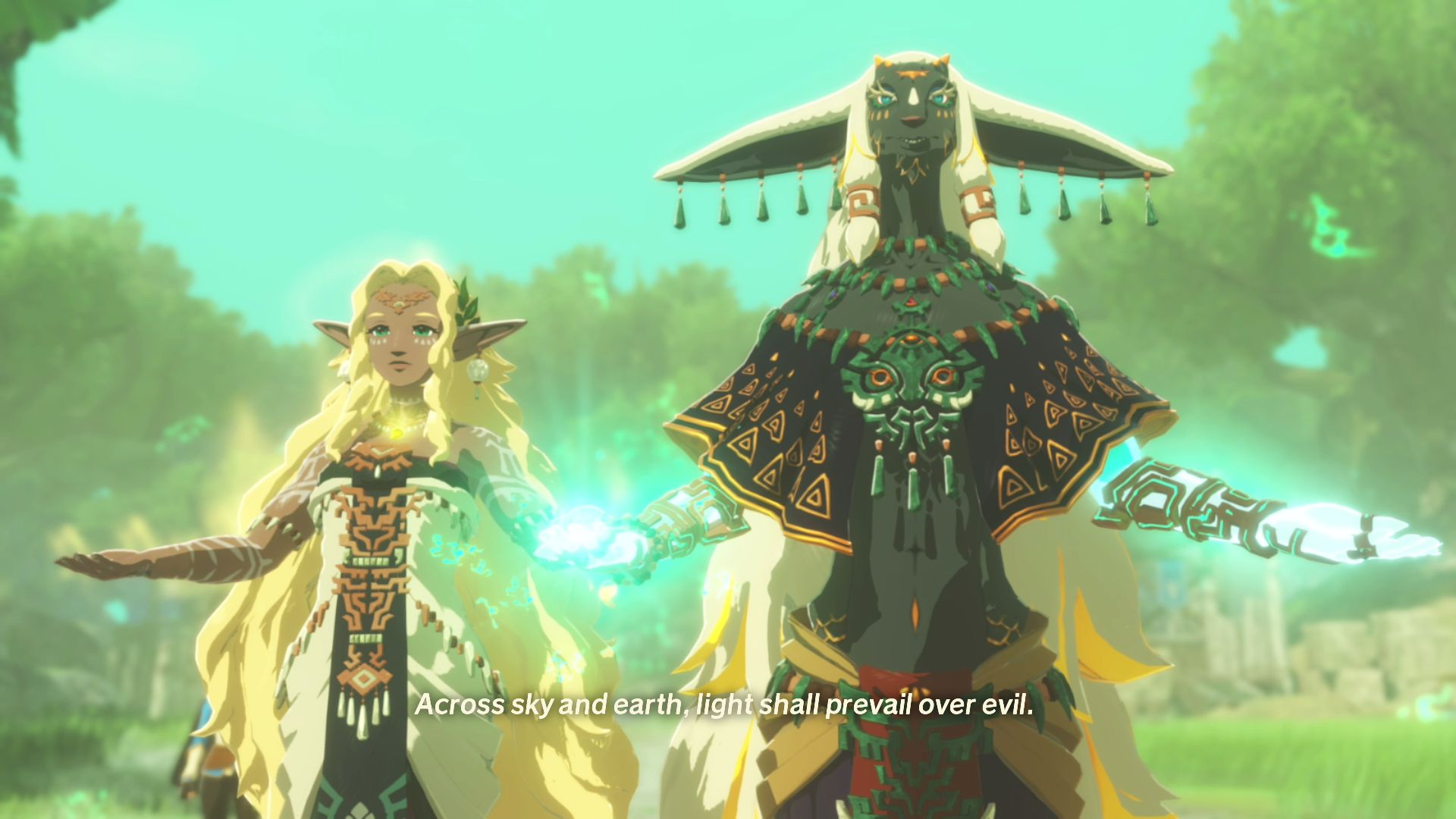
Being a musou title, Age of Imprisonment only has so much space for storytelling, but what’s here is already far more substantial than what Age of Calamity offered. The events depicted align more cleanly with the main series canon, and they flesh out moments we never truly saw in Tears of the Kingdom—scenes we previously experienced only through scattered cutscenes and flashbacks. Here, we get a closer look at what Zelda endured while trapped in the past. The game also introduces several new characters who broaden our understanding of the world, especially as the original sages join you in battle and you fight through pivotal events that directly influence the future you already know.
Hyrule Warriors: Age of Imprisonment, Koei Tecmo, 2025
Even so, the game doesn’t dwell too long on its narrative. Most of the storytelling remains confined to cutscenes and brief bits of skippable dialogue during battle. Hearing King Rauru, Zelda, and newcomers like Colomo and Qia interact adds welcome depth and nostalgia, often pulling you back to the excitement of discovering this world for the first time. But there’s still a clear sense of missed potential—several new characters barely receive any development, leaving them feeling more like filler fighters than meaningful contributors to the story. Age of Imprisonment pushes its narrative as far as a musou format can reasonably allow, but that format ultimately limits how deeply it can explore its cast.
You Versus the World
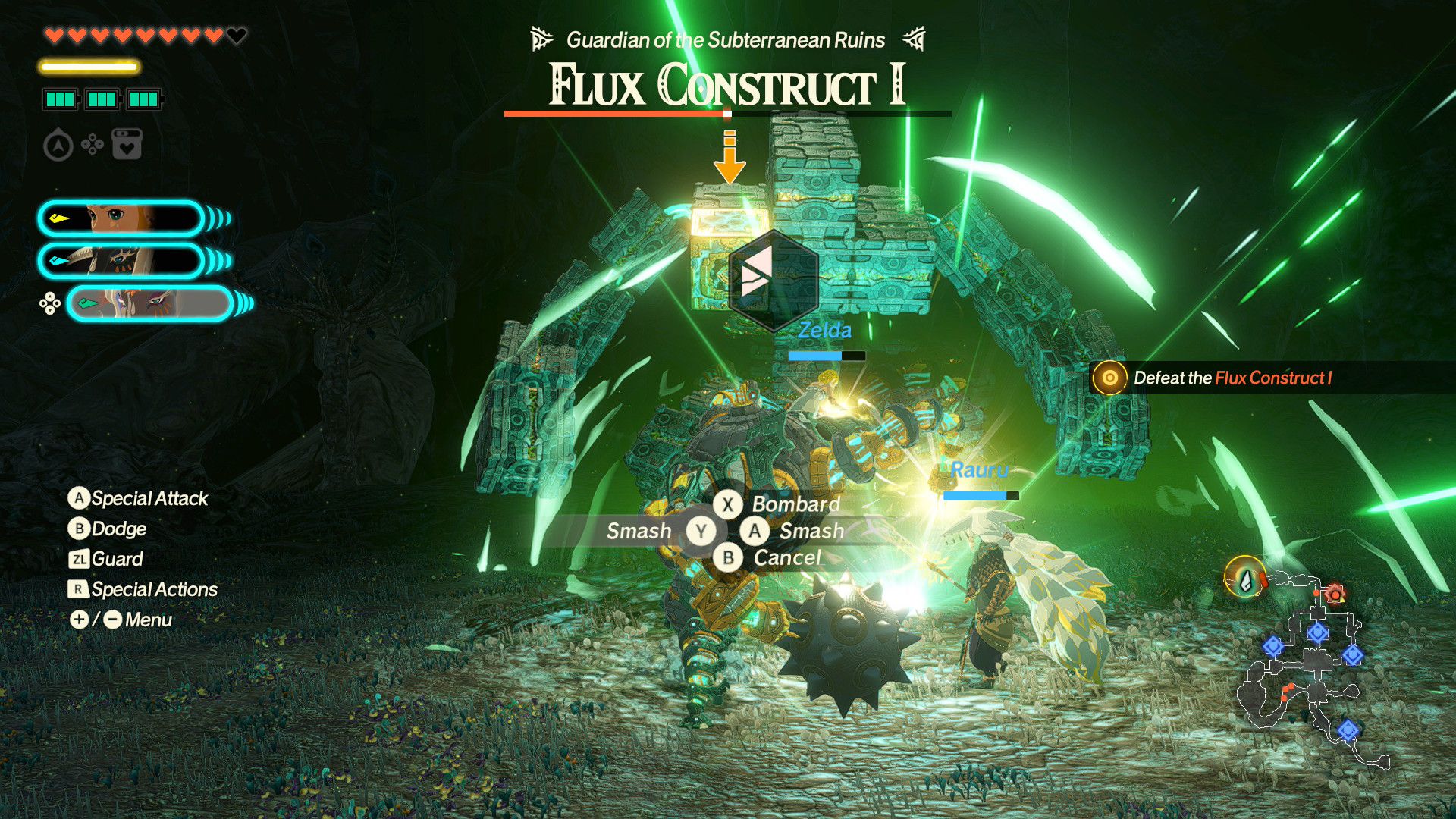
Combat, of course, is the heart of the game. Like most musou titles, Age of Imprisonment pits your team against hundreds of enemies you’ll carve through with satisfying button-mashing. Each chapter introduces battles set across different regions of the world map, from the surface of Hyrule to the eerie underground Depths. Standard foes crumble quickly, while bosses require more deliberate offense. The combat system is simple: mash the Y button, occasionally mix in the X button, and string together combos and finishers. The right shoulder button pulls up your special attacks and items, while the left lets you block attacks.
Hyrule Warriors: Age of Imprisonment, Koei Tecmo, 2025
Positioning matters too. Dodging becomes essential, especially since a perfectly timed dodge enables a flurry attack that slows time and deals heavy damage. Unlike that in Soulslike titles, the timing window is surprisingly generous, reinforcing the idea that the game just wants you to tear through enemies without much resistance.
Each battle also allows you to bring along allies you can switch to instantly. You all share a health bar, meaning one character’s defeat ends the mission. Though everyone controls similarly, each character features unique combos and varying ranges for their AOE attacks. Mineru, for example—due to her love of technology—uses Zonai constructs and summons a massive spiked machine to crush enemies. Zelda, on the other hand, fires light arrows from the sky and manipulates time to rewind attacks for extra damage. Visually, these moves are consistently fun to watch, and the straightforward controls make even the flashiest attacks accessible.
Hyrule Warriors: Age of Imprisonment, Koei Tecmo, 2025
The game encourages nonstop aggression, mixing in special attacks you can trigger to interrupt aerial foes or stagger charging enemies. When not directly controlled, allies will continue fighting on their own, and the game will alert you whenever one of them is in position to counter an incoming attack. Sync Strikes, activated once you fill a shared meter, deliver devastating combo attacks that vary depending on the pair of characters involved. Altogether, you’re given plenty of tools to keep the action constantly engaging—even if it rarely requires much thought.
- A deeper dive into Zelda’s time in the past complete with more lore that makes it a great accompaniment to Tears of the Kingdom;
- Zonai devices add a unique Zelda twist to battles;
- fast, satisfying musou combat with a good amount of characters to play.
- Repetitive mission structure;
- side quests feel like filler to make the game feel longer than it is;
- story is limited by the musou format.
Musou Setbacks
Despite being a musou game, Age of Imprisonment still carries a distinct Zelda identity—more so than Age of Calamity ever did. Zonai devices now play a major role in combat, and you can carry them or place them down like turrets. They offer elemental attacks that help chip away at stronger enemies like burning ice-armored foes to stagger them and open them up to big damage, making encounters feel much easier on Normal difficulty. In a way, these devices essentially replace the series’ traditional puzzles, giving you more choice and customization in how you approach certain encounters.
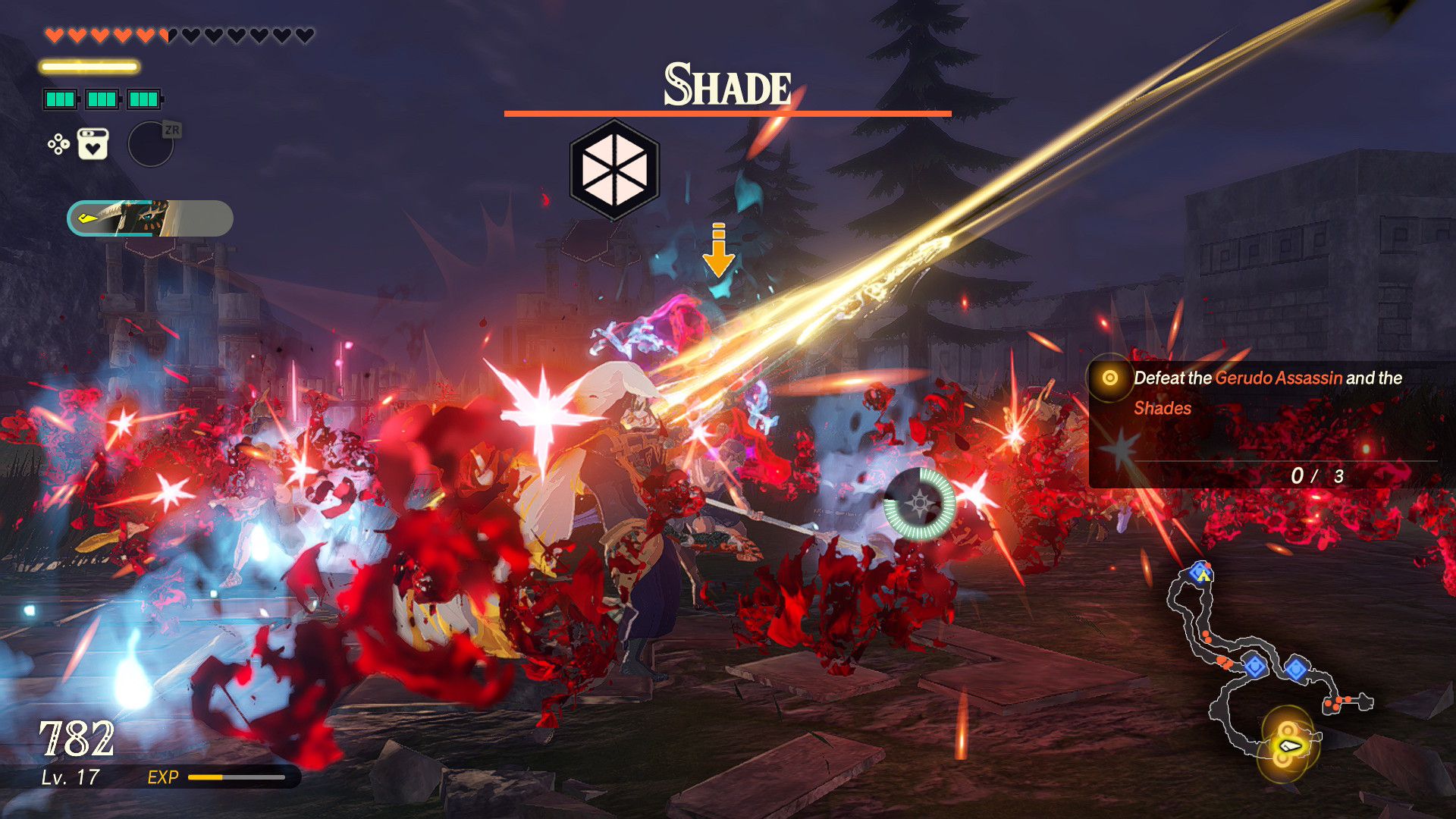
Hyrule Warriors: Age of Imprisonment, Koei Tecmo, 2025
Still, missions tend to follow a very familiar structure: reach an area, rescue someone, defeat waves of enemies, and take on a boss. The combat is satisfying, but the button-mashing nature of it means you could practically look away from the screen and still win—I did this a few times. It’s a musou game through and through, so don’t expect much variation. It’s best enjoyed in short bursts to avoid fatigue from repeating the same objectives.
Outside of battle, the game pads itself with side quests that often recycle environments you’ve already cleared. Some require you to defeat more enemies while others simply ask you to supply camps with materials collected from past fights. Completing these unlocks training grounds, stat boosts, and other upgrades. Despite feeling tedious, they’re worth completing—both for the rewards and the experience needed to tackle later story missions. Think of them as a necessary (if repetitive) path to victory.
VERDICT:
While it suffers from occasional repetition and blandness, Hyrule Warriors: Age of Imprisonment stands as the best Hyrule Warriors entry to date—and one of the most enjoyable Zelda spinoffs we’ve gotten so far.
Find all our reviews on Metacritic, Opencritic, and CriticDB.
Final Thoughts
Visually, Age of Imprisonment looks fantastic and runs at a near-perfect 60 fps in single-player, occasionally slowing down during cutscenes. Adding a second player drops the game to 30 fps, but the attention to detail remains impressive. Its environments and character models are so polished they’re nearly indistinguishable from Tears of the Kingdom if not better thanks to the Switch 2’s upgraded power. Even the soundtrack—full of remixed themes and energetic battle music—adds to the experience.

Hyrule Warriors: Age of Imprisonment, Koei Tecmo, 2025
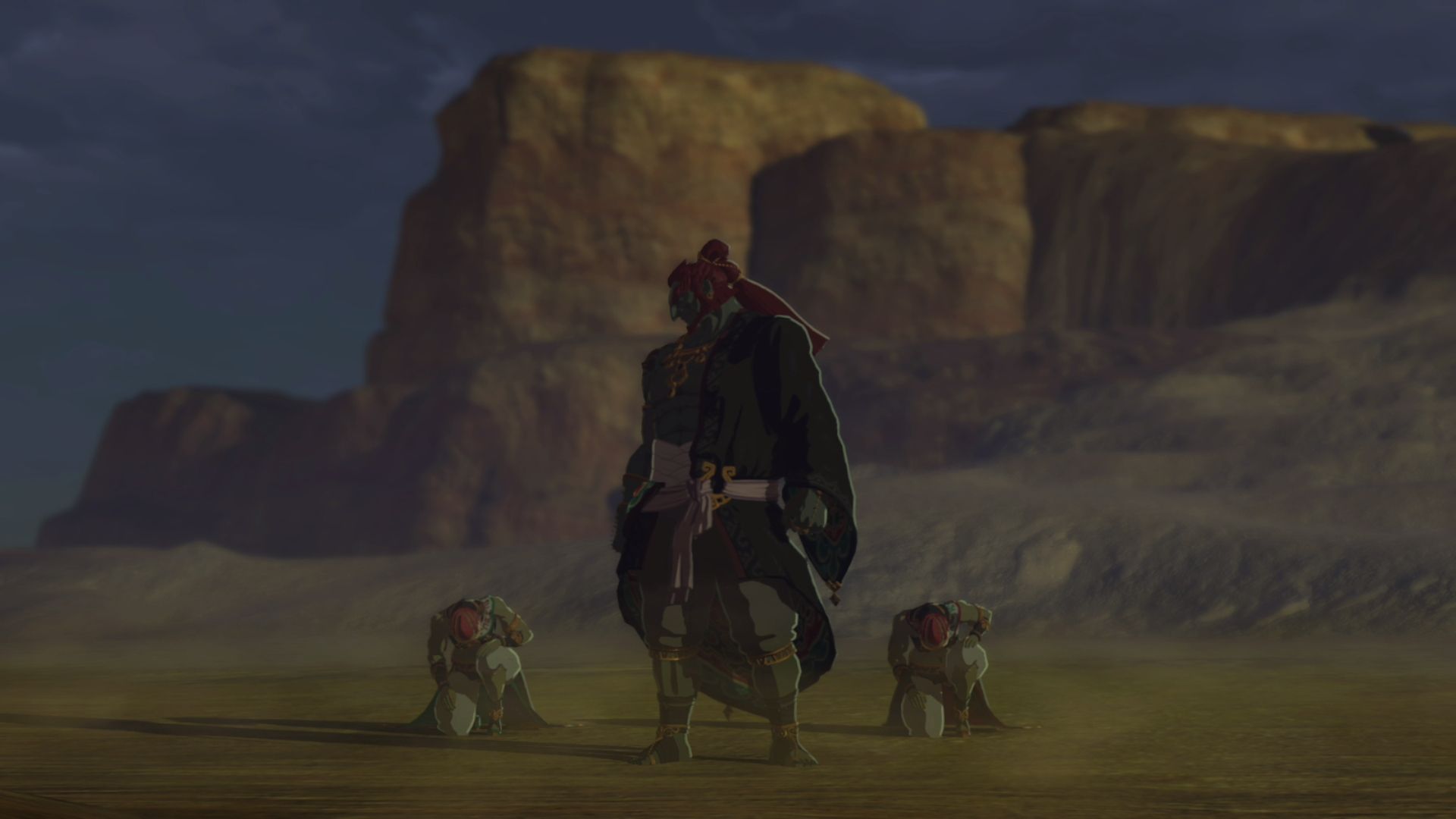
In the end, Age of Imprisonment serves as a worthy companion to Tears of the Kingdom. It’s not a true sequel or prequel—its gameplay is far too different—but it does help fill in narrative gaps left open by the main game. Still, in its 20-hour run it could have done more to flesh out its new cast or give Zelda a more prominent role instead of placing so much emphasis on the Mysterious Construct you meet and his origins.
Even if musou games aren’t usually your thing, Hyrule Warriors: Age of Imprisonment integrates Zelda elements into its gameplay with surprising finesse and delivers lore in a way Age of Calamity couldn’t quite manage.

Hyrule Warriors: Age of Imprisonment
Hyrule Warriors: Age of Imprisonment review: Musou mayhem meets Zelda magic
While it suffers from occasional repetition and blandness, Hyrule Warriors: Age of Imprisonment stands as the best Hyrule Warriors entry to date—and one of the most enjoyable Zelda spinoffs we’ve gotten so far.