Advanced Game Search
Never Second in Rome

Never Second in Rome

PC
Released

Release Date: May 5, 2026

Strategy, Turn-based, Ancient History, RPG Elements, 2D, War Strategy, Indie Games, Ancient Rome, Historical, Singleplayer

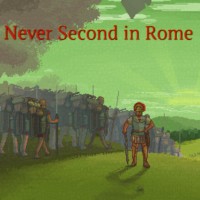
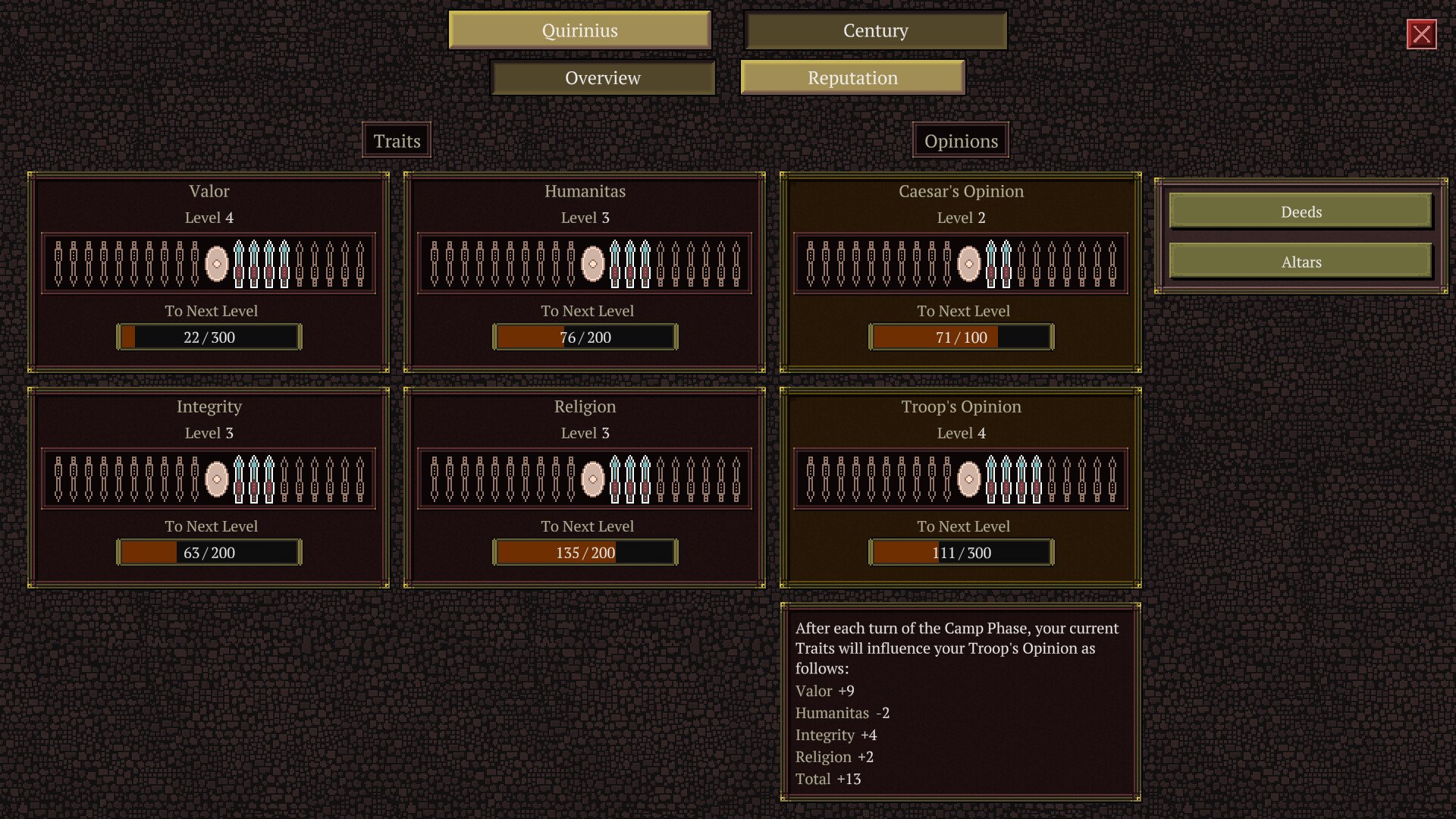
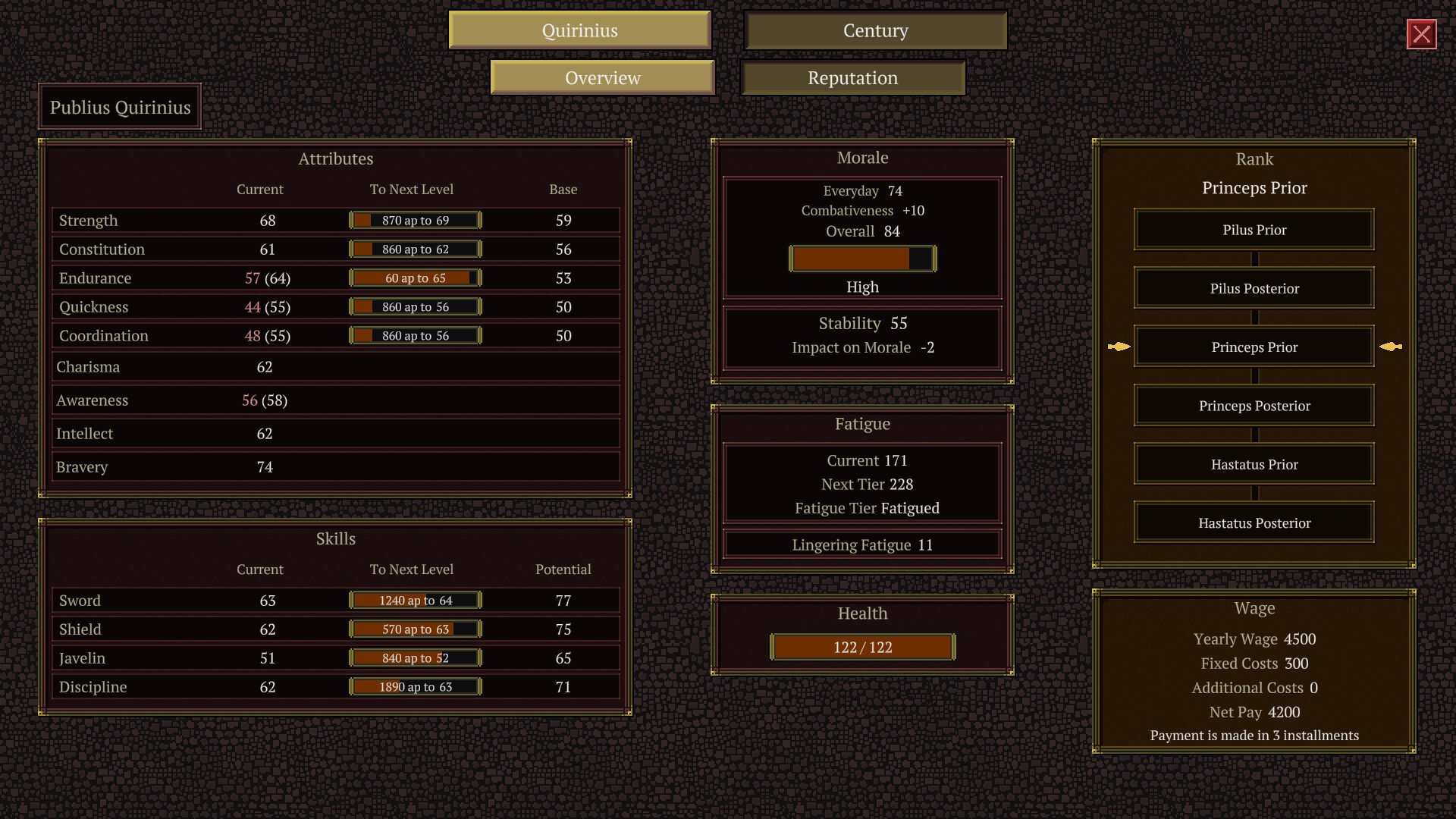
A turn-based strategy set in the Medieval times, offering extensive RPG elements. In Never Second in Rome we play as a Roman centurion during the Gallic Wars and command nearly 100 soldiers. Our protagonist can take part in combat and his decisions can influence the army's morale.

8.1

Steam

Rate It!
Ratings
[1:41] - Gameplay Trailer Videos: 1
Screenshot Images: 12
Screenshot
Screenshot
Screenshot

Never Second in Rome is a turn-based game set in ancient Rome, combining strategic management with character development typical of RPG titles. It was created by Alessandro Roberti, an independent Italian developer and author of A Legionary’s Life.

Story

Never Second in Rome takes us to the first century BC. The powerful Roman Republic, dominating the Mediterranean region, although shaken by internal conflicts, will soon begin a series of campaigns against Celtic tribes. The arrival of the new governor under the leadership of Julius Caesar to our province marks the beginning of a series of events defining the future of the empire.

Read More

Platforms:

PC Windows

PC Windows

Early Access:February 18, 2025

Developer: Alessandro Roberti

Publisher: Alessandro Roberti

Features

System Requirements

System Requirements for Never Second in Rome Video Game:

PC Windows

PC / Windows

Minimum System Requirements:
Intel Core 2 Duo E8200, 2 GB RAM, graphic card DirectX 10, 500 MB HDD, Windows 7 SP1 64-bit.

Ratings

Game Ratings for Never Second in Rome Video Game.

81%

STEAM Score

All Reviews: Very Positive (594)

STEAM
User Reviews Summary generated by AI

The main pros of the game

  • Historical Accuracy and Immersion: The game offers a rich narrative experience, immersing players in the historical context of Julius Caesar's campaigns, which many players found engaging and educational.
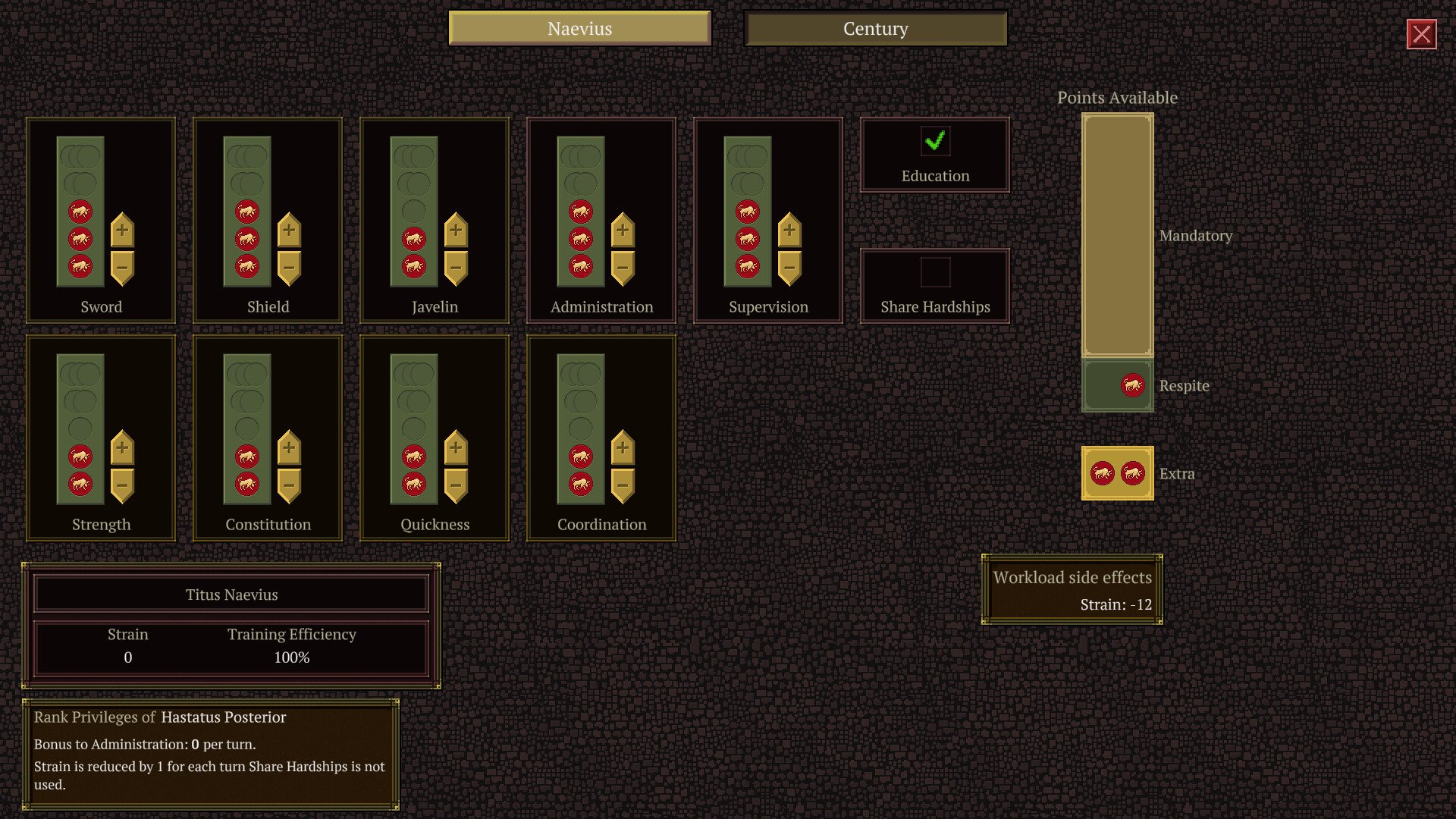
  • Complex Mechanics: Players appreciated the depth of the mechanics, particularly in individual combat and the management of a century, allowing for strategic gameplay.
  • Writing Quality: The storytelling and character development were praised, with many users noting the excellent writing and attention to historical detail.
  • Unique Perspective: The experience of commanding a century rather than just being a single soldier provides a fresh take compared to the developer's previous title, "A Legionary's Life."

The main cons of the game

  • Complexity and Learning Curve: Many players found the game overly complicated with a steep learning curve, making it difficult to grasp the mechanics without extensive reading or guidance.
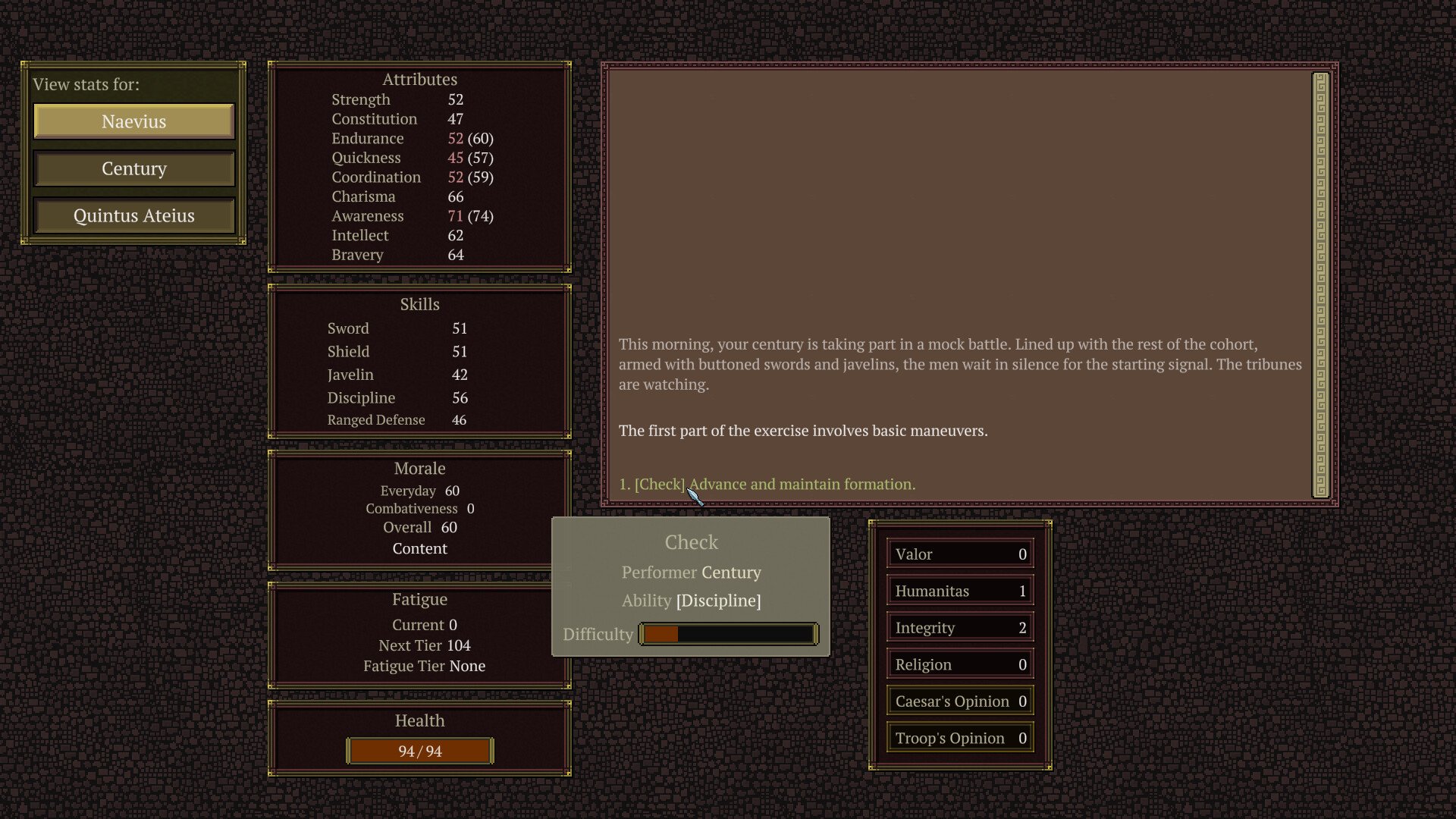
  • RNG Elements: The reliance on random number generation (RNG) for combat outcomes was a common frustration, with players feeling that it diminished their sense of agency and control.
  • Tedious Gameplay: Some users described the gameplay as repetitive and tedious, particularly during training segments and large-scale battles, which often felt like clicking through a series of dice rolls without meaningful engagement.
  • Lack of Meta-Progression: Unlike its predecessor, the game lacks a system that allows players to carry over achievements or improvements from previous playthroughs, making it feel less rewarding.

The features or elements that are missing from the game according to users

  • Character Progression System: Players expressed a desire for a system that allows for character development over multiple playthroughs, similar to the meta-progression in "A Legionary's Life."
  • More Customization and Agency: Users wanted greater opportunities for customization and meaningful choices that impact gameplay beyond just statistical improvements.
  • Enhanced Combat Mechanics: Suggestions included more engaging combat systems that reduce reliance on RNG and provide clearer feedback on player actions and decisions.
  • More Variety in Events: Players hoped for additional random events or side quests that could break up the monotony of training and combat, enhancing the narrative experience.

Summary

  • Overall, while "Never Second in Rome" has been praised for its historical context and depth, it faces criticism for its complexity, reliance on RNG, and lack of rewarding progression systems that could enhance replayability and player engagement.

Summary generated on: