“We want to celebrate the cute, cozy, and goofy sides of having pets!” Says the team behind Petal Runner
Today, I had the pleasure of sending some questions to Nano Park Studios about their exciting upcoming game, Petal Runner.

From the moment I first laid eyes on Petal Runner, I knew it was special. I didn’t even know what the game was about, but the retro-style pixel art and limited color palette made sure it stood out at this year’s Summer Game Fest. During my time there this past June, I had the pleasure of sitting down with the development duo at Nano Park Studios and playing an early version of the game. The demo took maybe half an hour to complete, but I was immediately hooked.
Petal Runner takes place in a futuristic cyberpunk-inspired world where people have HanaPets, sort of like if a Tamagotchi were actually alive and could materialize outside of their devices. Explore the Sapphire Valley on your motorcycle, delivering the newest version of HanaPets to the residents. This wholesome creature collector takes out any combat or battles and instead focuses on cute and clever mini-games that you must complete to compile Leap Cells, the batteries for the new HanaPets.
To get to know more of my experience and why this game felt so much like a cross between Pokémon and WarioWare, you can read about my Summer Game Fest experience. But today, I had the pleasure of sending some questions to Nano Park Studios about their exciting upcoming game, Petal Runner.
Petal Runner, Nano Park Studios, 2025
Matt Buckley: Could you introduce yourselves to our audience? What is your role on the team, and what is your background? Have you worked on games before Petal Runner?
Brandon James Greer: Hi, I'm Brandon! I'm the Creative Director of Nano Park Studios and lead artist for Petal Runner. I've been making pixel art for ten years, which has included several small projects and fake game mock-ups. Petal Runner is my first serious effort at making a game, and it's been satisfying putting that experience to use and finally making something so involved (and real)!
Danny Guo: Hey, I'm Danny, Technical Director of Nano Park Studios and programmer for Petal Runner. I was attending college for ICT and working on a mobile game project with a couple of my friends on the side when I met Brandon. We kicked off development for Petal Runner in my final year of college, and it's been a dream come true to work as an indie!
Petal Runner, Nano Park Studios, 2025
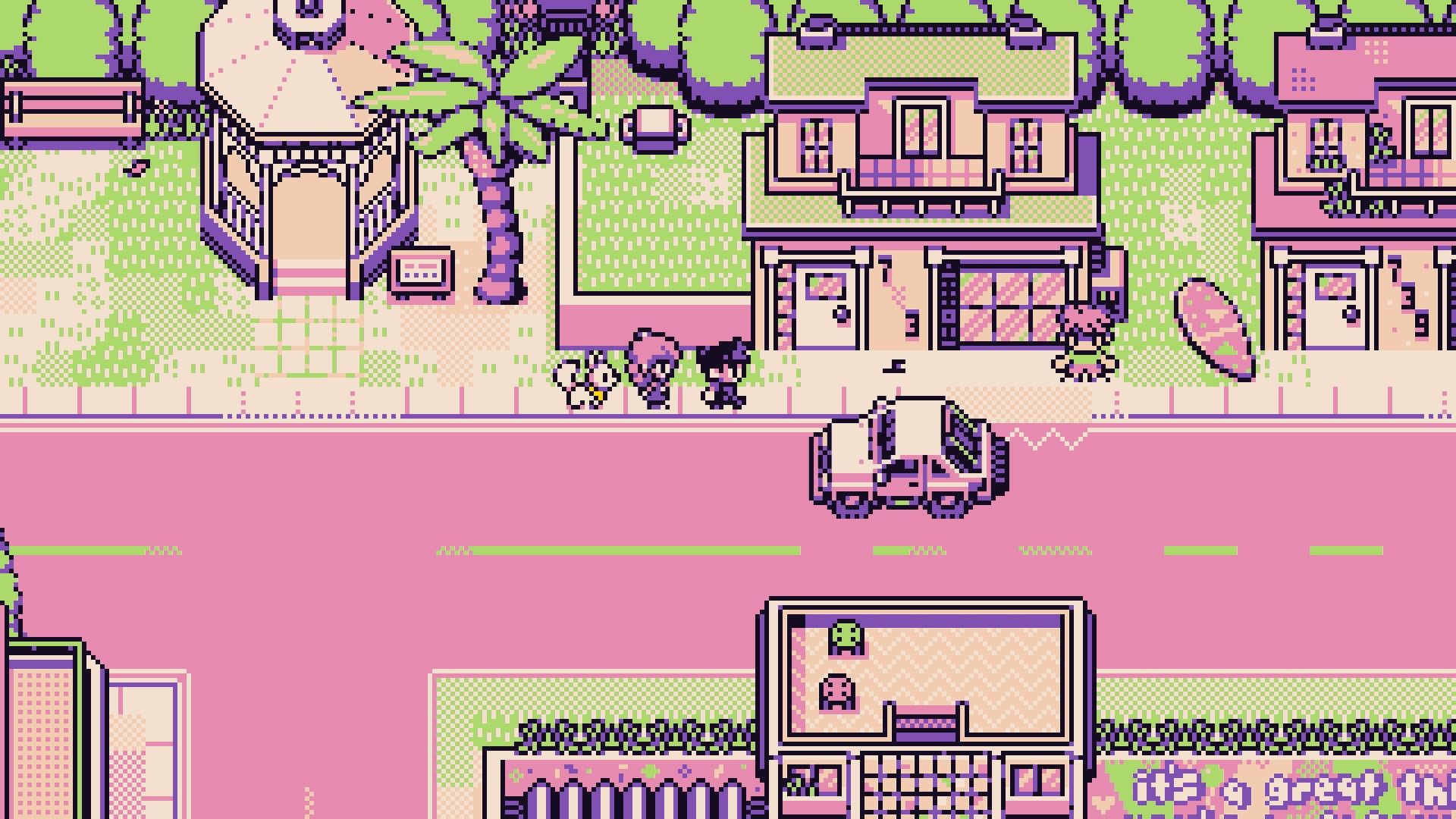
MB: The first thing that catches people’s attention when they see this game is the pixel art. I think I’ve heard you say that you wanted to focus on a limited color palette, and that’s apparent from the focus on pinks, purples, and light greens. As someone who’s not nearly as visually artistic, can you explain that decision?
Brandon: That's right, the core aesthetic is inspired by the appearance of retro handheld consoles, particularly the Game Boy and/or Game Boy Color. I have an affinity for this style because the limited colour count creates an interesting abstractness to the detailing; it's fun to find design solutions within these narrow constraints. The 'pink' colour scheme came about from experimenting with limited-palette colour combos in my own work. I really liked how pink worked as a neutral tone; it could step up into lighter yellows and peach colours, and step down into darker purples and blues. It has a vibrant look and a great energy that works well for sci-fi settings, and this lends a recognizable and characteristic feel to Petal Runner.
MB: The beautiful pixel art certainly stands out and screams “retro,” but what are the challenges you’ve found in making a game that also lives up to modern gameplay standards?
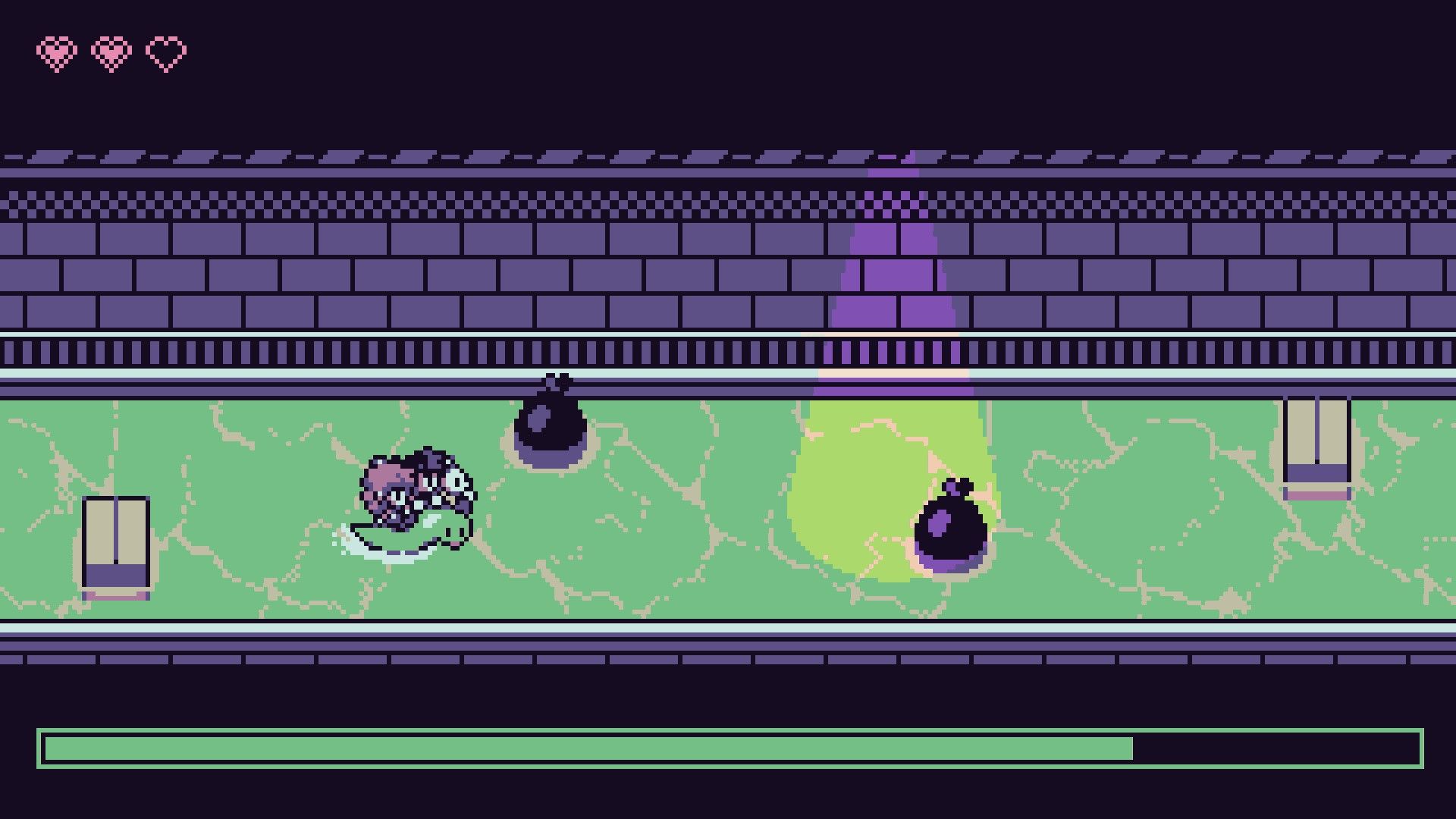
Brandon: As fun and inspirational as they are, retro games can be very unforgiving in their quality-of-life features. A core mechanic of Petal Runner is the motorcycle travel and delivery, so we knew it'd be important to nail the feel of the bike, giving it intuitive handling and nuanced animation for a smooth response. We also have modern conveniences like a map with waypoints and character position labels, and quest-tracking journal entries so you can always find your bearings within the world and story.
MB: I remember you mentioning that you created sixteen different sprites for the motorcycle, which helps make it feel much smoother than you might expect. Have there been any other animations or sprites that you went over the top for?
Brandon: Each neighbourhood in the game is a sort of major "character," and there's been a lot of effort put into finding unique aesthetics for each, as well as the detailing and ambient animations throughout. It makes a huge difference to have animated billboards, blinking and moving mechanical parts, leaves that blow in the wind, etc. It makes the world feel immersive and believable.
Petal Runner, Nano Park Studios, 2025
MB: Recently, a growing movement of people, including developers and fans, has emerged to celebrate retro games. Do you think this is purely nostalgia, or do you find something else drawing people to create, revisit, or play retro or retro-inspired games?
Danny: It's inarguable that nostalgia is a factor; retro games are a window into a simpler time in many people's lives, mine included. However, I think there's more to it, too. There's a special whimsiness that comes through these games. It's like, "Wow, isn't it amazing that we can do this with a game?" It wasn't just passion or talent that went into enjoying these games, but a collective awe for what was possible. One experienced by players and creators alike.
It's funny, it didn't occur to me until writing this, but I think these feelings continue to exist in indies today. Having to learn how to wear so many hats has that effect on the creative process. And I think that comes through to the players, too.
Petal Runner, Nano Park Studios, 2025
MB: As a long-time fan of classic Pokémon games, I would be remiss not to at least talk about how it inspired you. This isn’t a game about battling creatures or even building a party of them, so I can’t help but wonder, when the two of you played those classic creature collectors, how did you approach them? Were you trying to catch them all or to be the very best like no one ever was?
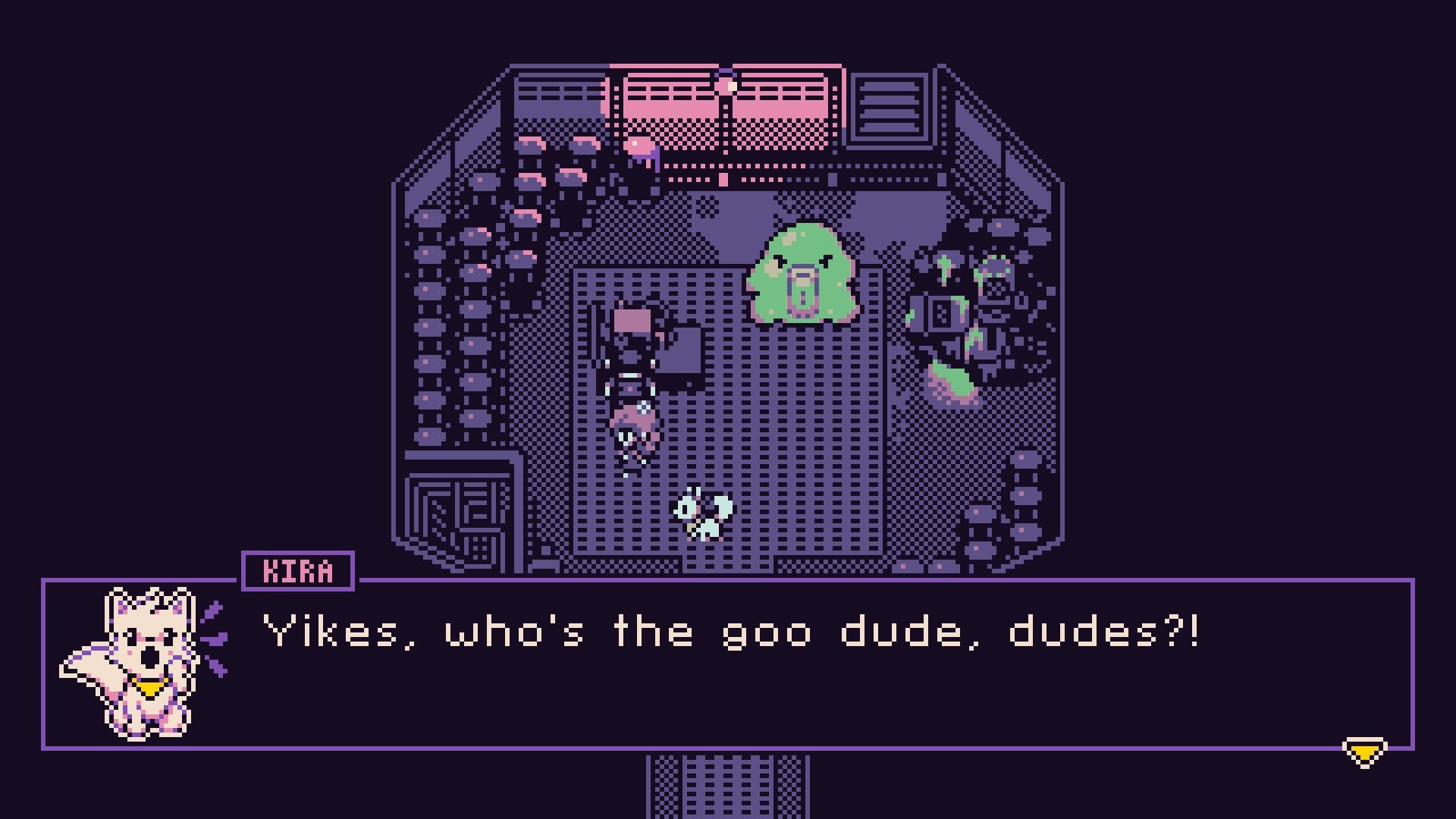
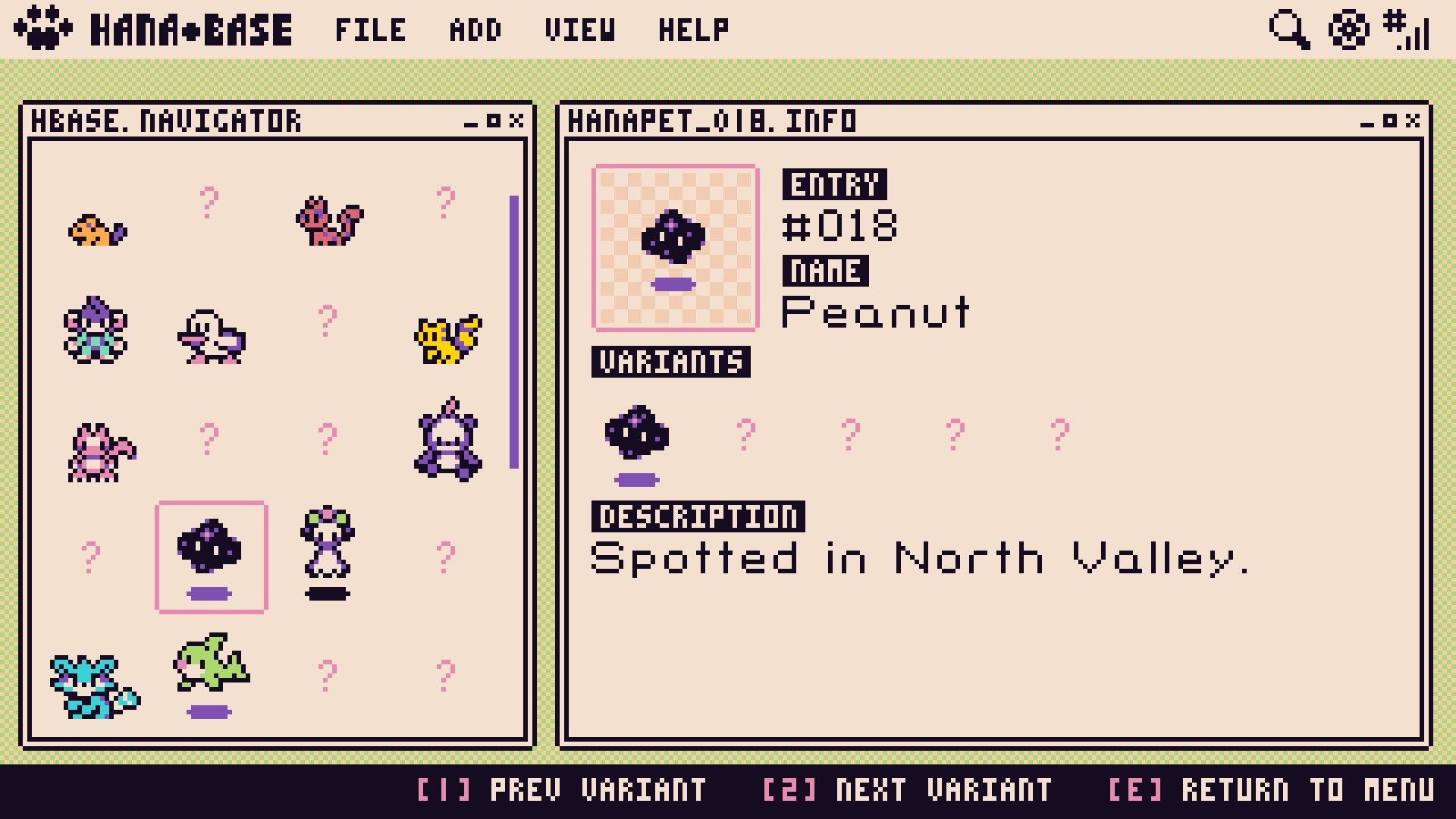
Brandon: My friend and I love quoting that song and - no joke - my favourite line is "Oh, you're my best friend...". It kinda comes unexpectedly, and it's a tad cheesy, but also endearing and sentimental. Funnily enough, that's kinda the space the Petal Runner lives in. And listen, I love the Pokémon games and enjoy putting a balanced party together and clearing all the gyms, etc. Those games are fantastic and have their own iconic thing, but we've sought our own authentic expression of a "creature" game with Petal Runner, with a focus on the story of companionship one has with a pet. Our "battle" mechanic of micro games focuses on nurturing the pets rather than being combative or destructive. We want to celebrate the cute, cozy, and goofy sides of having pets!
Petal Runner, Nano Park Studios, 2025
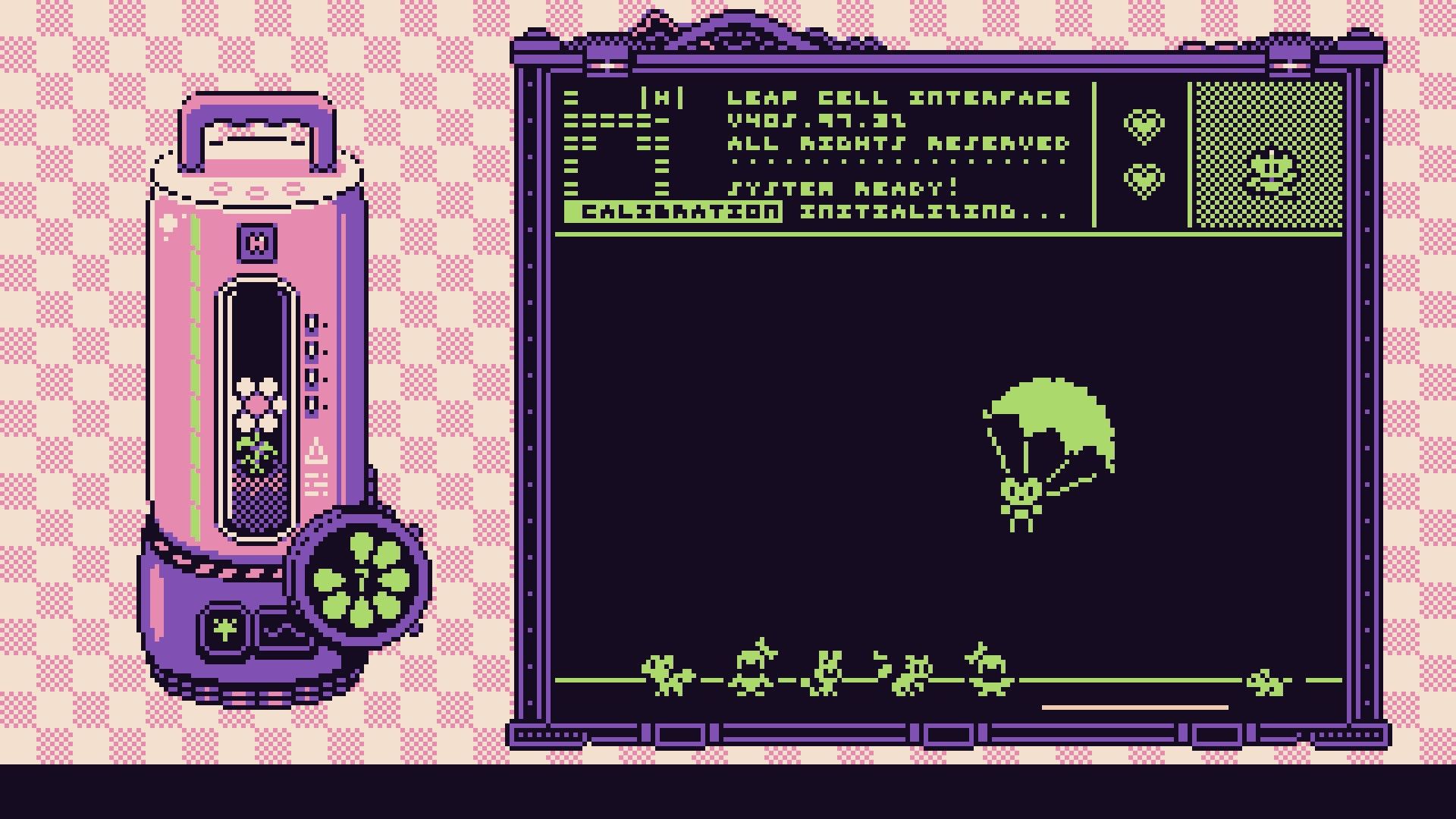
MB: A big part of the gameplay loop involves compiling leap cells; this is where the mini-games, or “micro-games,” come into play. They seem like a wholesome version of WariorWare. Are there any micro-games that are more challenging than others? Or will it mainly depend on the player and how they react and interpret what they see? Either way, how do you find a balance where a micro-game doesn’t feel too challenging or frustrating?
Danny: We've put a lot of thought into balancing the challenge of our Leap Cell calibrations. Especially since Petal Runner is a cozy game, getting this right is important to us. When putting together calibration minigames, we look for elements that are satisfying and engaging. This usually comes in the form of some tactile feedback — be it SFX or animation — in addition to a small challenge. However, it's been our observation that a game can be *too engaging*, if it demands too much of your attention or performance. We don't want you to feel stressed, so this is the line we have to walk. The difficulty progresses at a comfortable rate, and different calibrations offer unique challenges that aren't necessarily harder, but change up the pace a little.
MB: I have read in other interviews that Petal Runner is aiming to be an open-world game. This made me wonder if there are any roadblocks at specific points. Is the world completely open from the start, or will the world gradually expand as the player progresses through the story or completes quests? Are there leap cells that are “higher level” and more challenging if you take them on early?
Danny: The world gradually expands as you progress the story, but it won't be long before you find yourself familiar with the greater part of Sapphire Valley! Yet, there's also a lot of depth to every region that opens up. We feel good about the rate at which the world is introduced. And yes, there are some more challenging Leap Cells for the players who look for them!
Petal Runner, Nano Park Studios, 2025
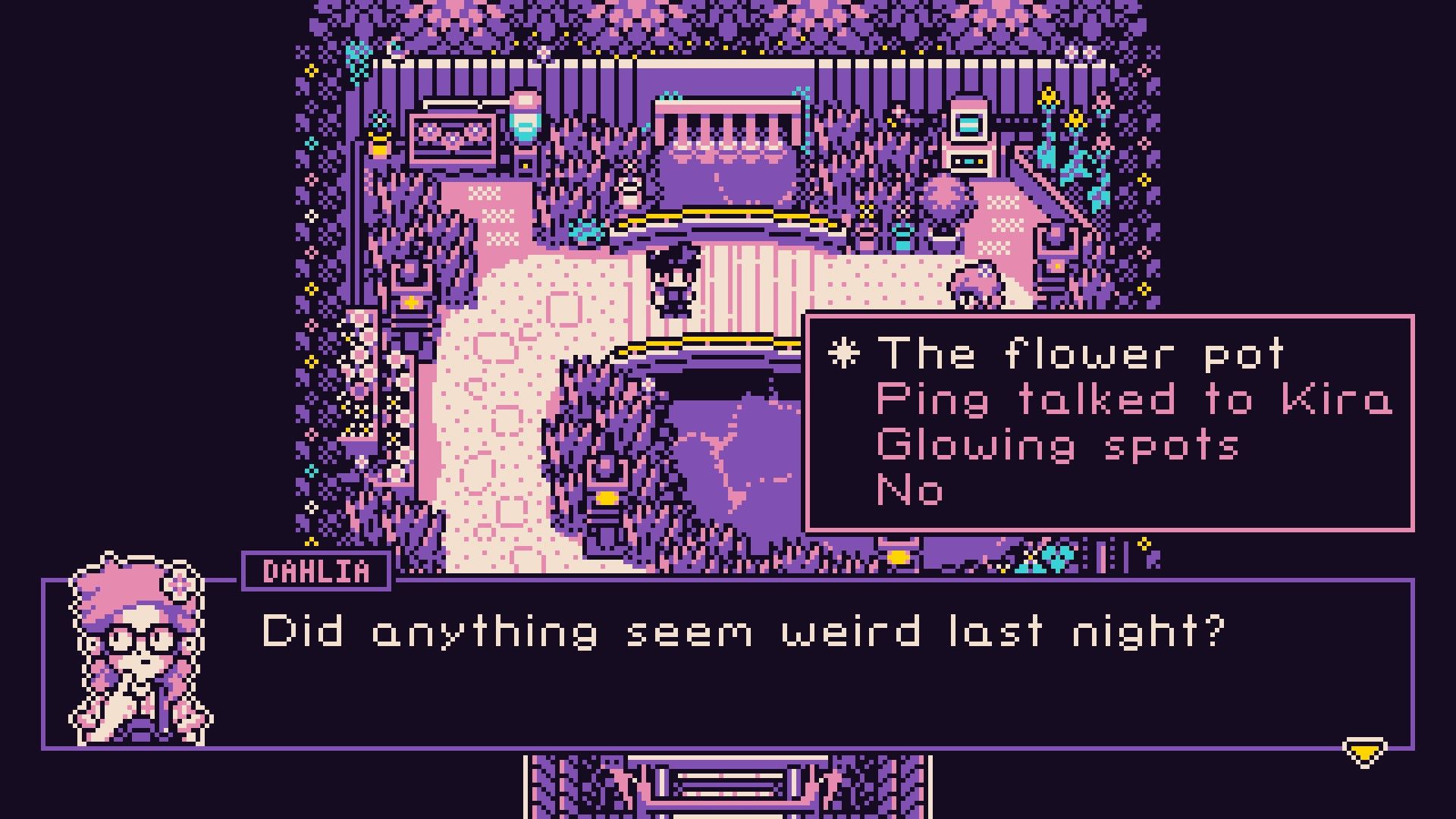
MB: I don’t want to get into spoiler territory, of course, but what can players expect from Petal Runner’s narrative? This is a chill, wholesome game, but there’s also something sinister happening in the background, threatening to phase out the old generation of pets. I have to ask, is the villain capitalism?
Danny: We want to tell a story that feels real, even with this funny premise of delivering digital hologram pets. We explore themes like taking care of pets, friendship, and growing up. There are certainly villainous figures in our game whom you can point fingers at. But if we're talking themes, then I see the true villain as the passage of time. It's bittersweet.
MB: Just for fun, if you could remake one modern video game with a retro / pixel-art style, what would you choose and why?
Brandon: It'd be interesting to look at genres that didn't even exist in the 8-bit/16-bit era. Imagine a hero shooter like Marvel Rivals or Overwatch but with the stylings of a Super Nintendo game (...one that also has online play!). Sure, it could end up being a regrettable abomination, but at the very least, it's a good thought exercise in finding a creative expression we haven't seen before.
Danny: Give me a retro-style Ring Fit Adventure game! The reason why is because I just think it'd be pretty novel to play a retro-style game that has some real workouts built into it.
