Advanced Game Search
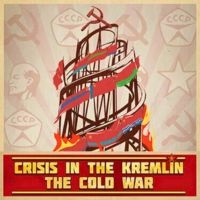
Crisis in the Kremlin: The Cold War

Crisis in the Kremlin: The Cold War

PC
Released

Release Date: July 11, 2025

Strategy, Economic, Cold War, 2D, Politics, Indie Games, Alternative History, 80s, Simulation Elements, 90s, Grand Strategy, Singleplayer

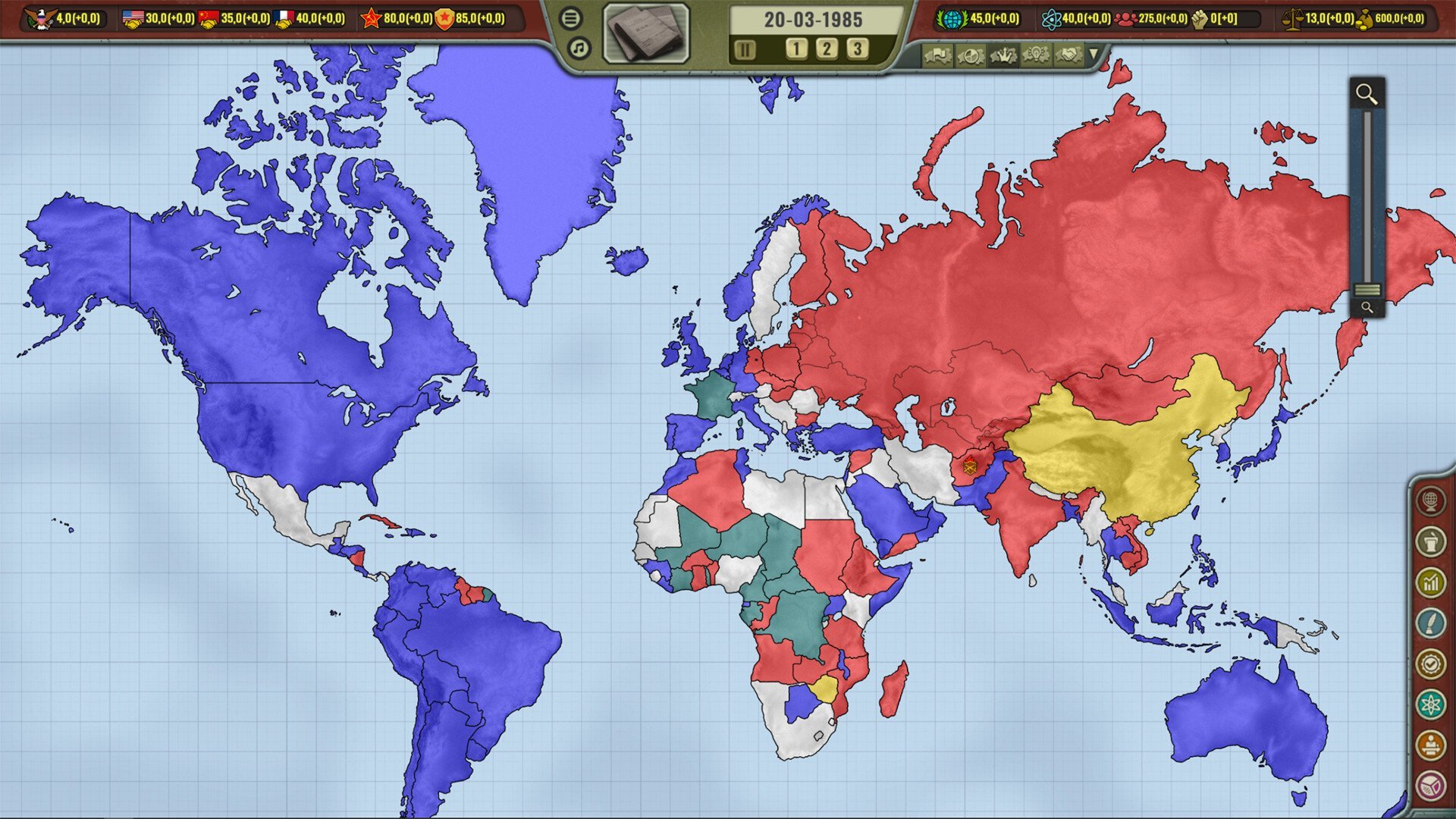
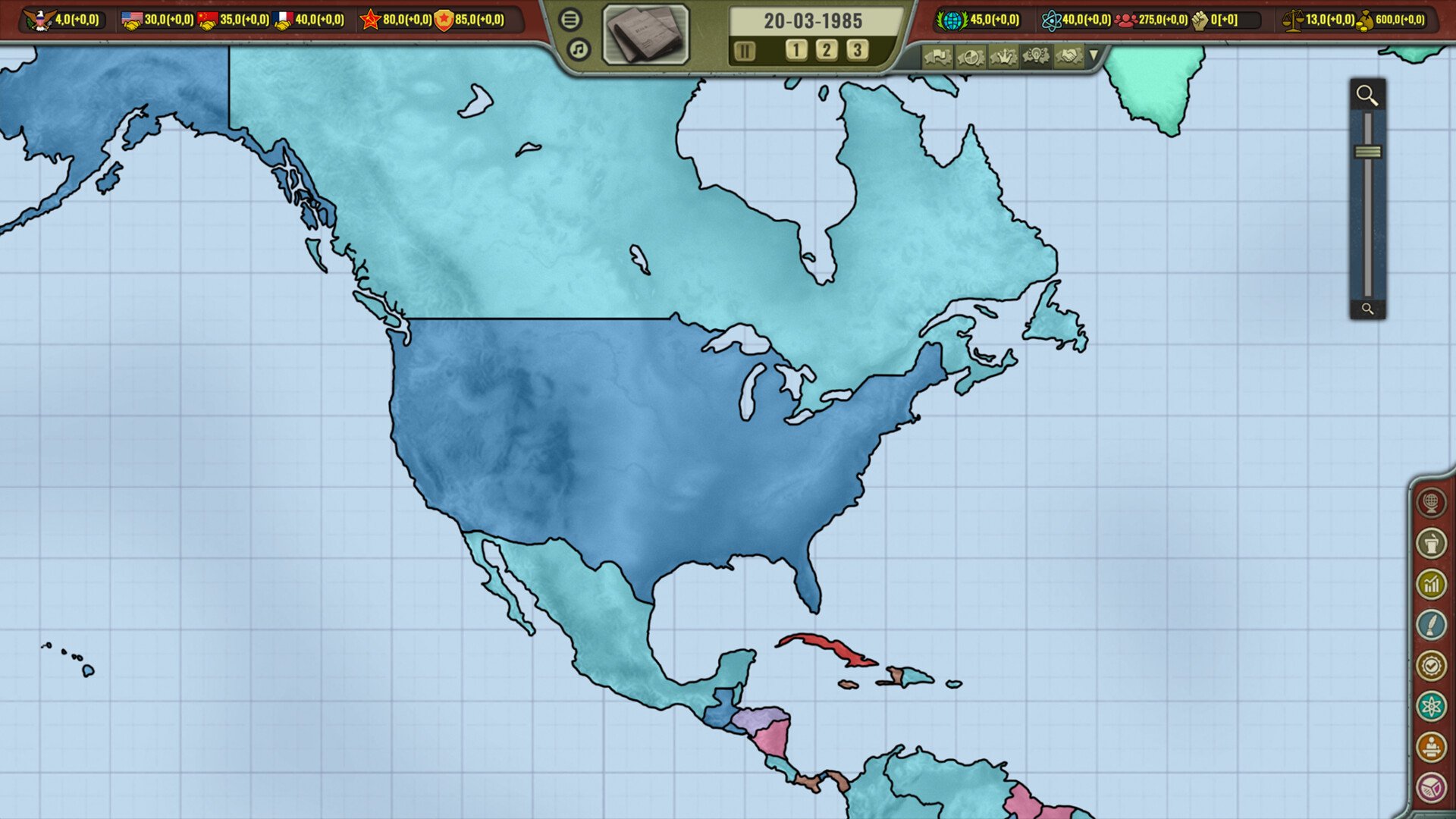
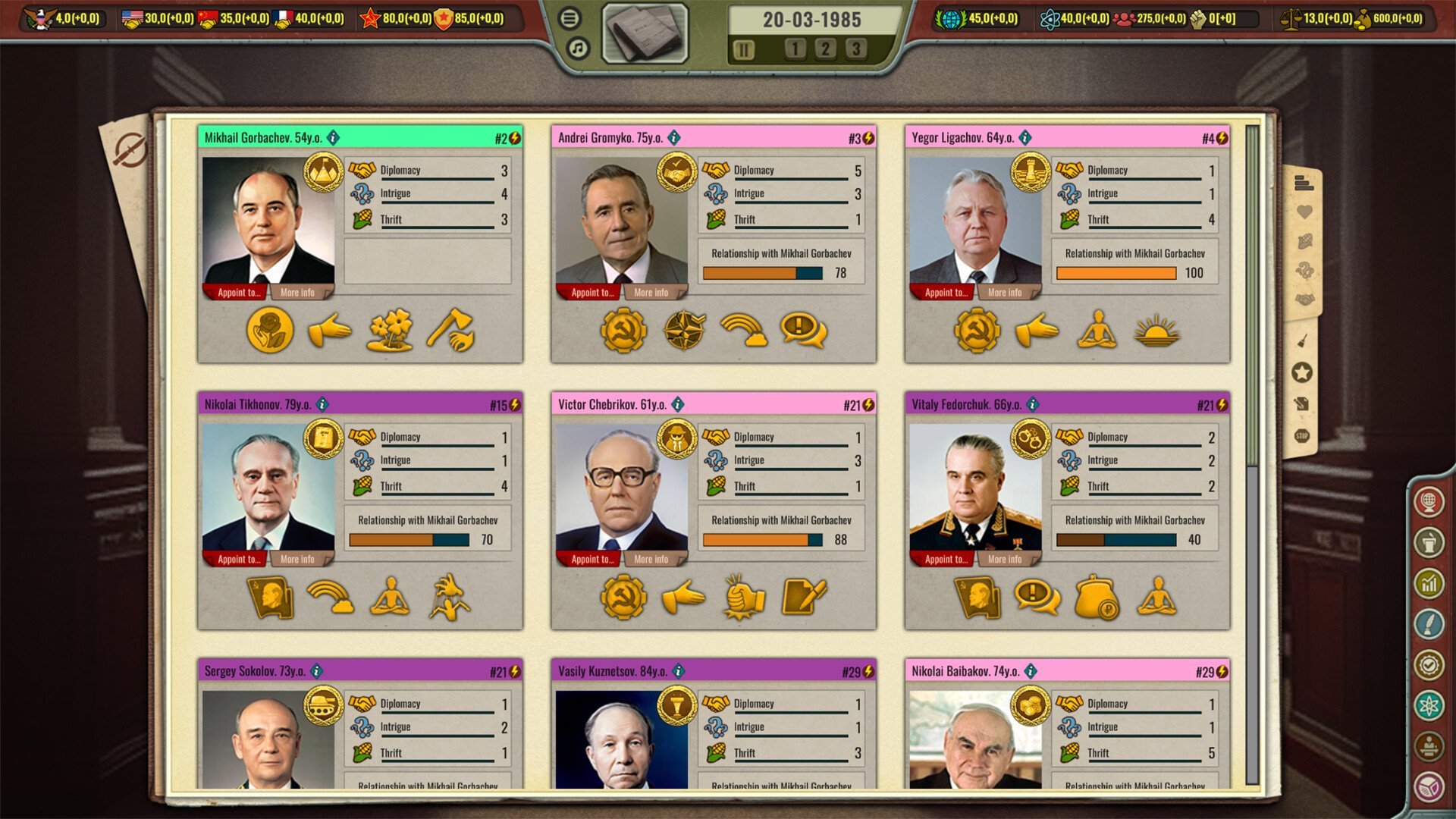
A political strategy about trying to lead the communist USSR from the 1980s out of crisis. In Crisis in the Kremlin: The Cold War we play as the appointed General Secretary, making decisions related to the economy and diplomacy. We can also participate in the arms race, conduct research and start proxy wars.

8.7

Steam

Rate It!
Ratings
[1:32] - Trailer #1 Videos: 1
Screenshot Images: 8
Screenshot
Screenshot
Screenshot

Crisis in the Kremlin: The Cold War is a political strategy game created by an independent studio Nostalgames, consisting of two people - an Uzbek and a Ukrainian. The game is based on Crisis in the Kremlin from 1991. We move to the USSR in the last decade of its existence and undertake the challenge of leading the country out of crisis.

Plot

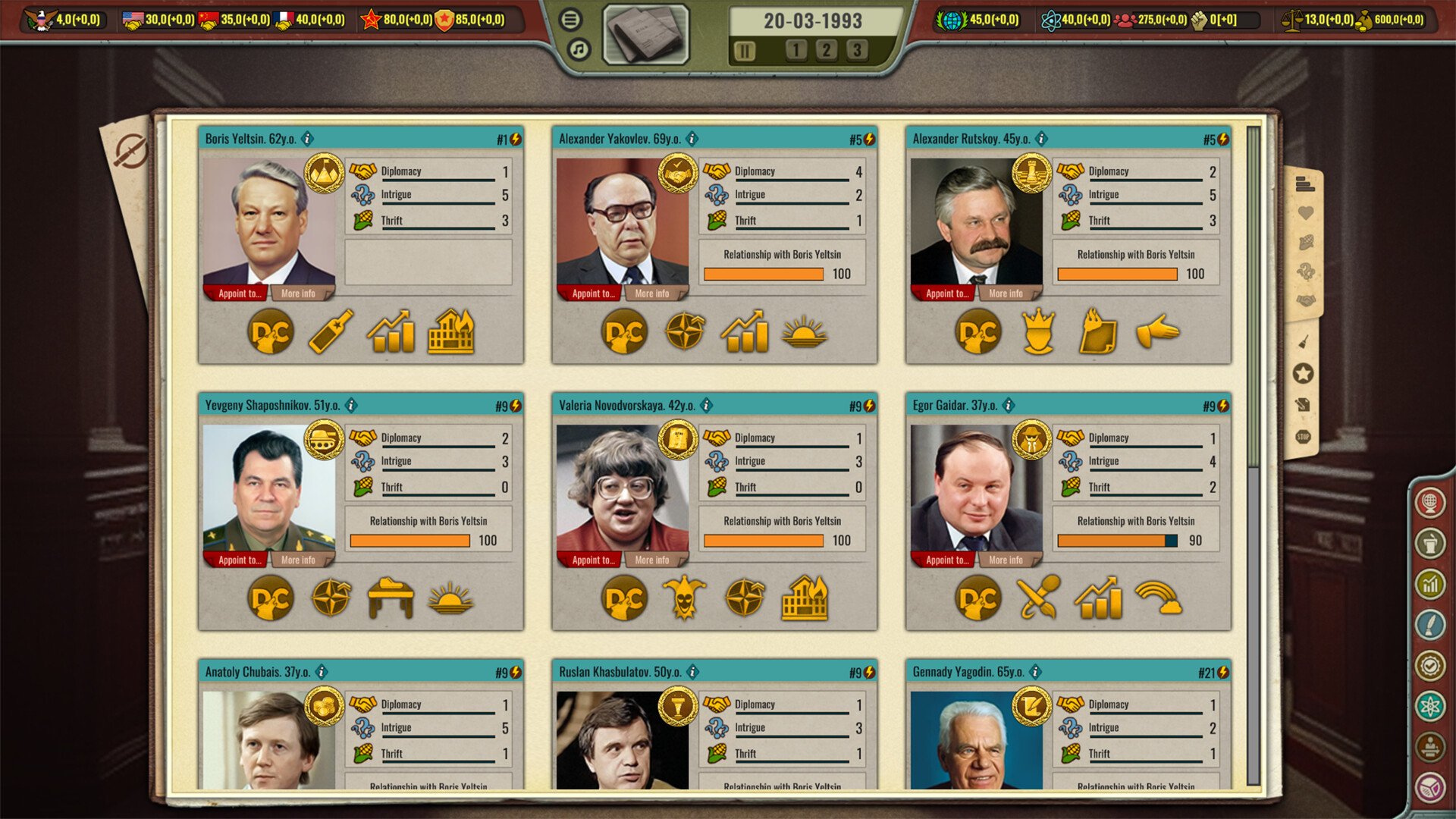
We start in the 1980s and The Soviet Union is facing collapse. Some see its future in returning to the past, others in cautious reforms, and there is also a group of people who desire radical changes. The challenge of leading the country out of crisis is undertaken by the General Secretary of the Central Committee of the Communist Party of the Soviet Union, who we control. In Crisis in the Kremlin: The Cold War, not everyone is supportive of our actions, and traitors lurk within the Kremlin itself.

Read More

Platforms:

PC Windows

PC Windows

Developer: Nostalgames

Publisher: Nostalgames

Age restrictions: 12+

Features

System Requirements

System Requirements for Crisis in the Kremlin: The Cold War Video Game:

PC Windows

PC / Windows

Minimum System Requirements:
Intel Core 2 Duo, 2 GB RAM, graphic card DirectX 10, 1 GB HDD, Windows 7(SP1)/10/11.

Ratings

Game Ratings for Crisis in the Kremlin: The Cold War Video Game.

87%

STEAM Score

All Reviews: Very Positive (561)

STEAM
User Reviews Summary generated by AI

The main pros of the game

  • Improved Complexity and Mechanics: Many users appreciate the complexity of the game, with a more nuanced economic and political system compared to its predecessor. The game allows players to engage deeply with various indicators and has a rich decision-making framework.
  • Better UI and Accessibility: The user interface has been significantly improved, making it more accessible and easier to navigate than previous versions. Tooltips and explanations for game mechanics are clearer, helping players understand the effects of their decisions.
  • Historical Detail and Replayability: The game features a high level of historical detail, with numerous decisions and paths to explore, contributing to its replayability. Players can engage with various ideologies and outcomes, which adds depth to the gameplay.
  • Engaging Political Simulation: Players enjoy the political dynamics, including managing relationships with various factions and countries, which adds to the immersion and challenge of the game.
  • Active Development and Updates: Many users note that the developers are actively updating the game and addressing issues, which bodes well for future improvements.

The main cons of the game

  • Economic System Issues: A significant number of reviews highlight problems with the economic simulation, describing it as overly random and lacking clarity. Players often experience sudden economic collapses with little explanation, making it frustrating to manage.
  • Balancing Problems: Users have pointed out that certain laws and paths in the game are unbalanced, leading to dominant strategies that overshadow others. This affects the overall gameplay experience and limits diversity in play styles.
  • Lack of Clear Guidance: The tutorial is often criticized for being unhelpful, leaving players to figure out complex mechanics through trial and error. Many players feel overwhelmed by the game’s depth without sufficient guidance on how to navigate its systems.
  • Bugs and Inconsistencies: Some users report bugs and inconsistencies that hinder gameplay, including issues with research and economic indicators. These problems can detract from the overall experience and enjoyment of the game.

The features or elements that are missing from the game according to users

  • More Detailed Explanations: Players express a desire for more comprehensive tooltips and explanations regarding how various indicators and decisions impact the game. This would help in making informed choices and understanding the consequences of actions.
  • Enhanced Economic Feedback: Users suggest that the game should provide clearer feedback on economic performance and the reasons behind fluctuations, allowing players to make better strategic decisions.
  • Balancing Between Paths: There is a call for better balancing between the different political paths and laws, ensuring that players can explore a variety of strategies without one being overwhelmingly superior.
  • Additional Content: Some players hope for more content, such as additional playable countries or scenarios, to further enhance the game’s replayability and depth.

Summary

  • Overall, "Crisis in the Kremlin: The Cold War" is seen as a significant improvement over its predecessor, with many engaging features and a rich political simulation. However, issues with the economic system, balancing, and clarity in gameplay mechanics remain areas for improvement.

Summary generated on: