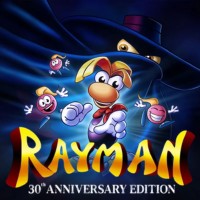
Rayman: 30th Anniversary Edition


Released
Release Date: February 13, 2026
Release Date: February 13, 2026
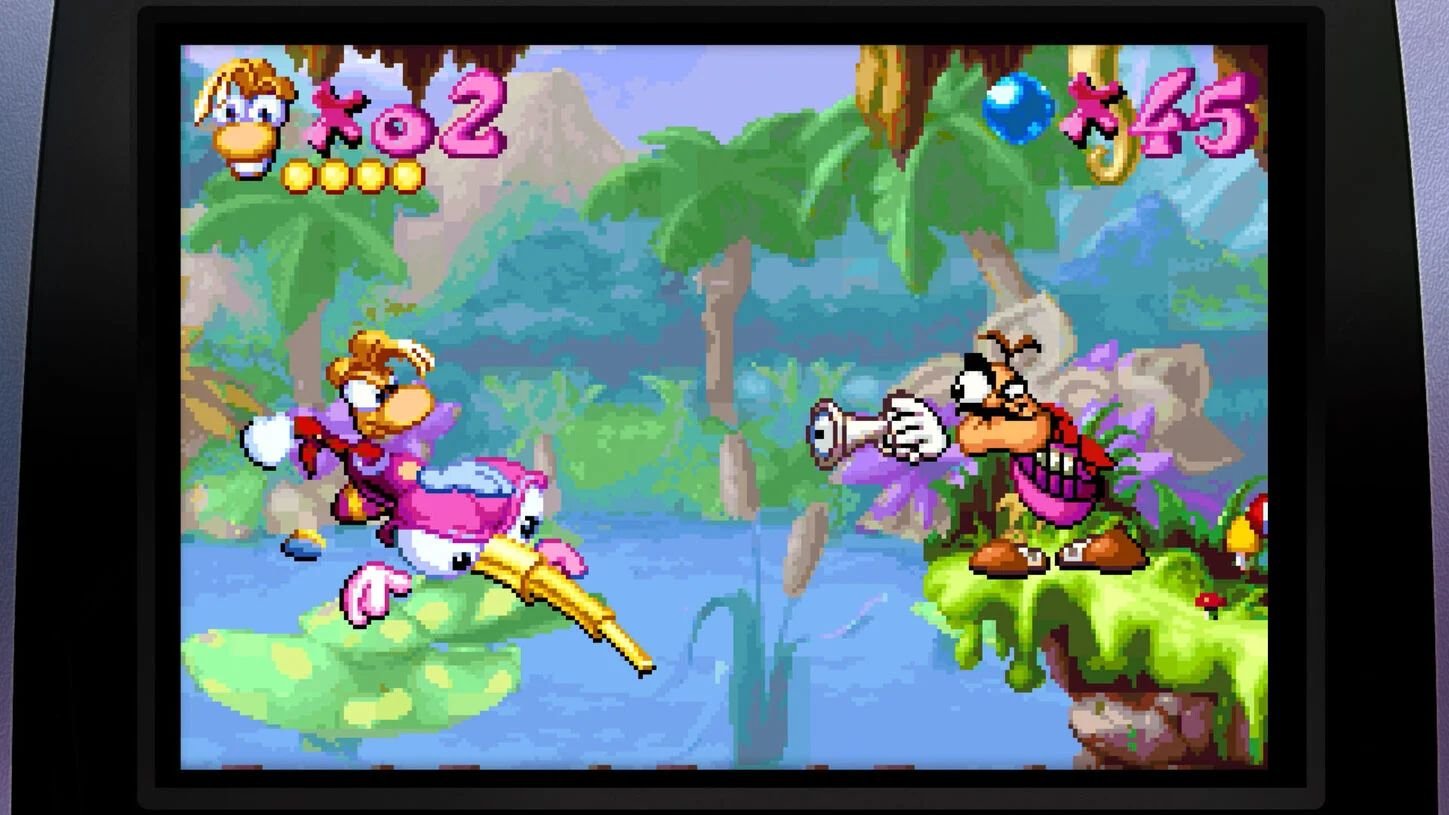
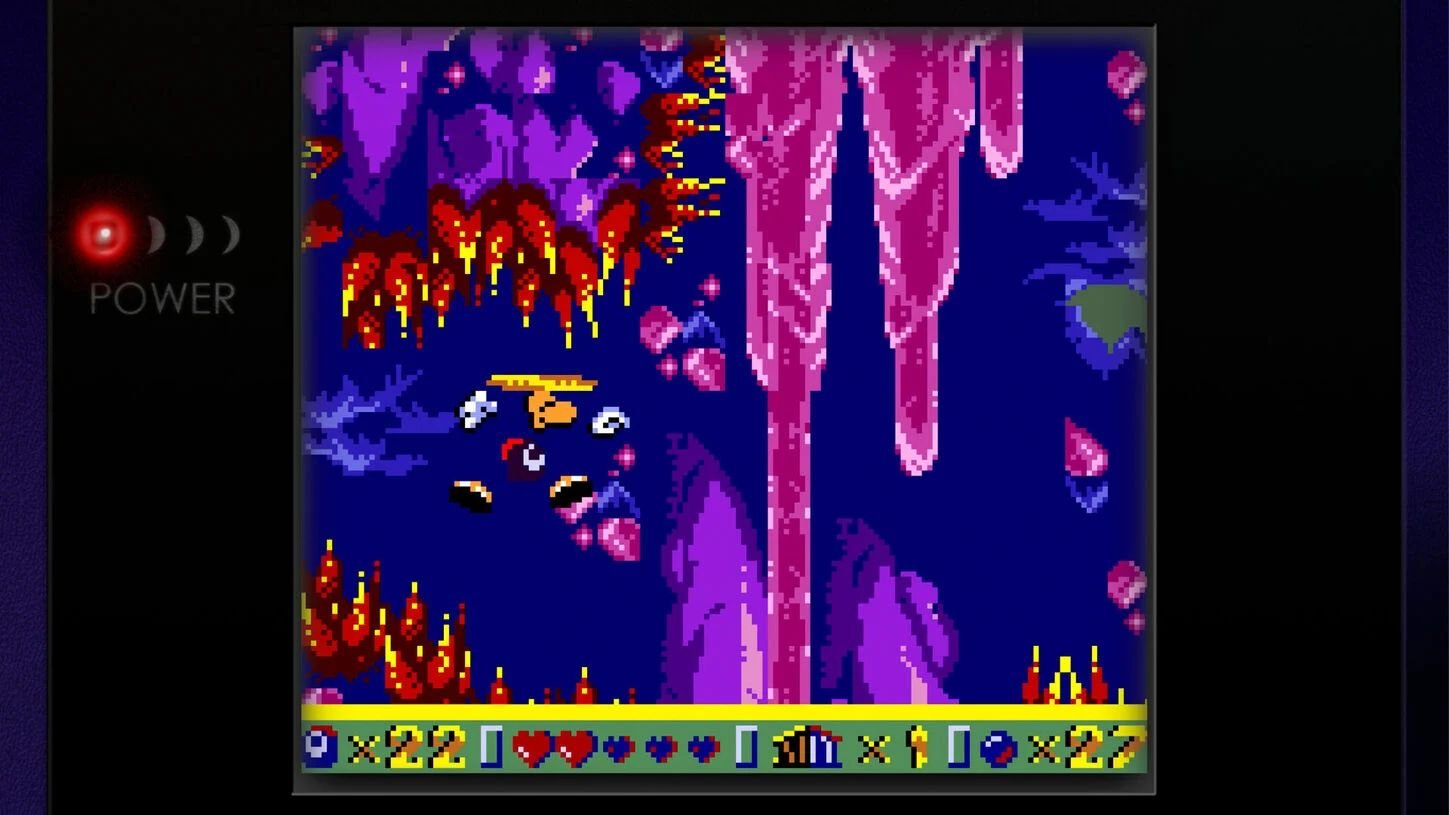
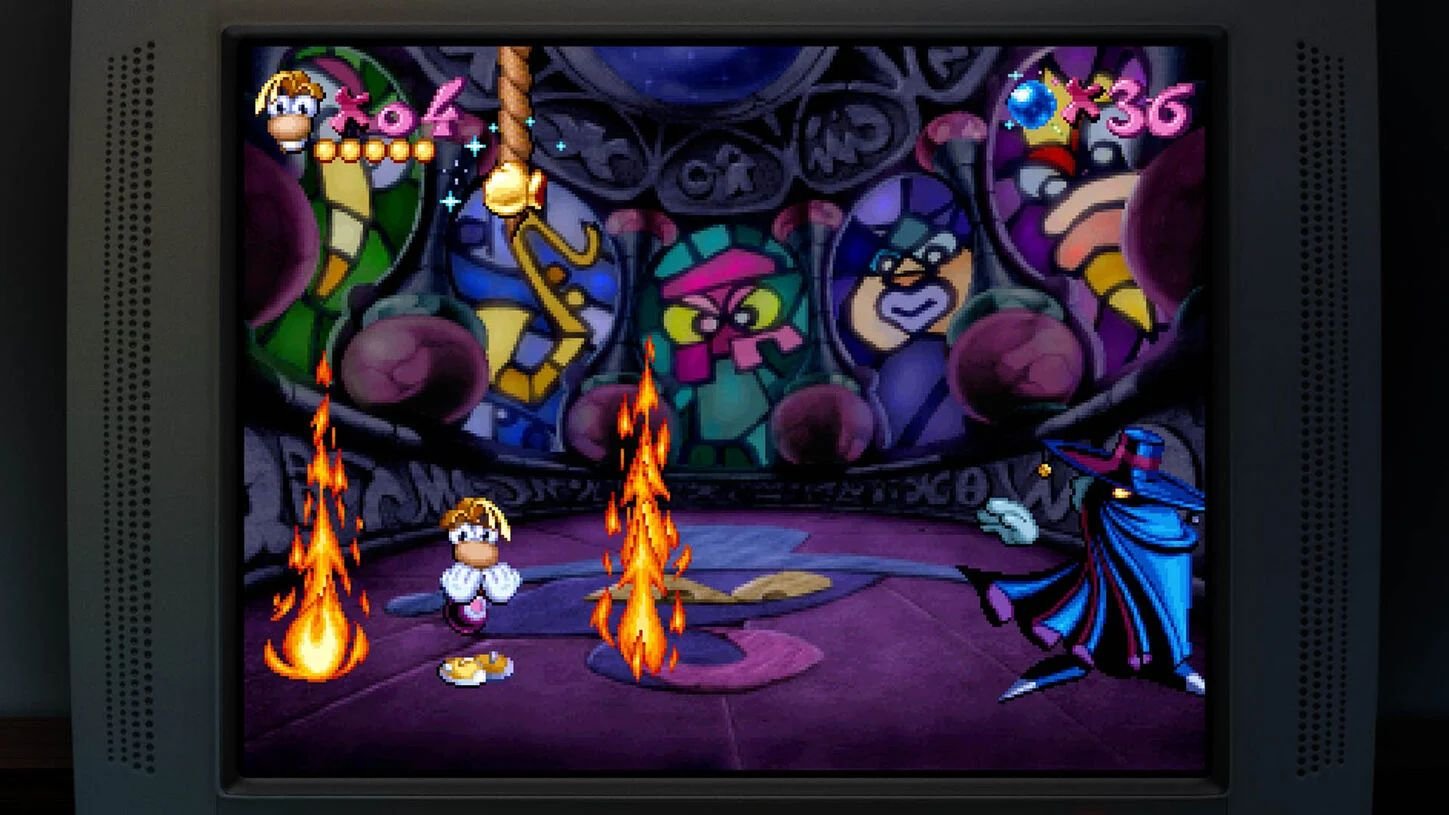
Rayman: 30th Anniversary Edition is a refreshed version of the first installment of the platforming series from Ubisoft.
Platforms:

PC Windows

Nintendo Switch

PlayStation 5

Xbox Series X/S
Similar Games:
23GAMES
Popular among gamers (regardless of age) series of platformers with the friendly titular creature. The creator of the series is French game designer Michel Ancel. The brand is owned by Ubisoft, and its development is mainly supervised by the Ubisoft Montpellier studio.
System Requirements for Rayman: 30th Anniversary Edition Video Game:
PC / Windows
Minimum System Requirements:
Intel Core i3-7100 3.9 GHz / AMD Ryzen 3 1200 3.1 GHz, 8 GB RAM, graphic card 4 GB GeForce GTX 1650 / Radeon RX 5500 XT, 4 GB HDD, Windows 10 64-bit.
Game Ratings for Rayman: 30th Anniversary Edition Video Game.
Region Free: 3.5 / 5 by Joonatan Itkonen
Compiled with love and care for its iconic mascot, Rayman's 30th Anniversary Edition has some odd and major pitfalls, but it's still a worthwhile package for those interested in gaming history.
Lords Of Gaming : 8 / 10 by Robert Kellett
As a fan of the later titles, it was a treat seeing where it all began with Rayman 30th Anniversary. This classic 2D platformer, while flawed, holds up remarkably well in 2026. Great quality of life additions and a fantastic treasure trove of behind-the-scenes content make this a strong release despite the exclusion of the original soundtrack.
PlayStation LifeStyle: 9 / 10 by Tyler Treese
Clearly a passion project for Digital Eclipse and Ubisoft, Rayman: 30th Anniversary Edition is a proper celebration of the limbless platforming icon.
The main pros of the game
The main cons of the game
The features or elements that are missing from the game according to users
Conclusion
Summary generated on:
![[1:35] - Launch Trailer](https://cdn.gracza.pl/galeria/filmy/640x360/-1534265390.jpg)