„It was like speedrunning the process” Peak developers share how development was different on their newest game
The teams behind the latest indie co-op hit Peak were burnt out from working on previous games for years. But with Peak, most of the development lasted a month.

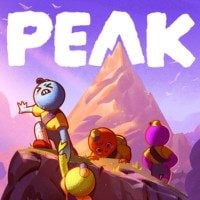
In an interview with PC Gamer, the two development teams behind the recent indie success story, Peak, shared stories of the development process and how this game has been different. If you didn’t know, Peak, the smash hit co-op first-person climbing game, was made in collaboration with Aggro Crab (Another Crab’s Treasure, Going Under) and Landfall (Content Warning, Totally Accurate Battle Simulator). In its first week on the market, this game sold a million copies, outdoing Another Crab’s Treasure, which sold half a million in its first four months. These indie studios are now learning to look at their development process and figure out what is more sustainable.
Peak’s success is making both Aggro Crab and Landfall reconsider their development process
Both indie studios Aggro Crab and Landfall have previously worked on games that took years of development time. But according to this recent interview, after a few months of working on Peak’s core concept, the development took place over the course of a month-long game jam in Korea. To find such success with a game that breaks so far out of the norm for the usual game development process, it’s not surprising that the two studios would take a look at how to make some changes.
According to Aggro Crab’s head of community marketing, Paige Wilson, “Another Crab’s Treasure was a 3+ year development and marketing cycle. Our first title, Going Under, was similar. Needless to say, Peak felt like a speedrun of that entire process…” A few weeks ago, this notable indie studio announced that the team had been experiencing issues with burnout, as well as a funding partner falling through. At the time, they shared that they were shelving a new project, which was apparently going to be Going Under 2, in favor of focusing on smaller projects. Peak ended up being one of those smaller projects.
Apparently, earlier in the concept process, Peak looked “much closer to an open-world survival thingy,” but then tightened its scope into what it is today. Aggro Crab’s creative director, Caelan Rashby-Pollock, further explained that they “…ended up scaling the island down drastically from our original plans, and spent more of our limited time developing ways for scouts to collaborate (or mess with each other) in interesting ways on their way up the mountain.” It’s safe to say that this scoped-down process has proven successful for the team. Not only did they have a game selling well, but the team didn’t have to spend several years working on the same project, burning themselves out.
This is not to say that either studio’s previous games were not also great. Landfall’s Haste is one of my favorite games from this year so far, and Aggro Crab’s Another Crab’s Treasure was a highlight for many players last year. However, creating a video game is challenging, and crafting a great one is even more so. Then there’s actually finishing and releasing a video game, which many developers will tell you is a miracle every time. If the game sells well at the end of the day, that’s a big deal for a small studio.
Spending three years on a product that may or may not find success, and success or failure directly impacts the next project, is a challenging cycle for any industry. For two talented studios like Aggro Crab and Landfall, it’s exciting to see them move in a new, more sustainable direction. Plus, if this means I get to play more of their fantastic games more frequently, I will not be complaining.

0

Author: Matt Buckley
Matt has been writing for Gamepressure since 2020, and currently lives in San Diego, CA. Like any good gamer, he has a Steam wishlist of over three hundred games and a growing backlog that he swears he’ll get through someday. Aside from daily news stories, Matt also interviews developers and writes game reviews. Some of Matt’s recent favorites include Arco, Neva, Cocoon, Animal Well, Baldur’s Gate 3, and Tears of the Kingdom. Generally, Matt likes games that let you explore a world, tell a compelling story, and challenge you to think in different ways.


Latest News
- The free version of the cult classic shmup Tyrian has been updated after 4 years
- A new Nod campaign has been added to The Dawn of the Tiberium Age, a freeware Command & Conquer RTS
- Fans have removed the time limit from The Blood of Dawnwalker
- Empire II: Total War now with two extra historical campaigns
- Someone has remastered Medieval 2: Total War and Rome: Total War so well that the AI's moves are now calculated in a matter of seconds [Updated]