Legendary vampire RPG is back. Bloodlines 2 features intrigue, Seattle and some clunky combat
Despite all the difficulties, Vampire: The Masquerade - Bloodlines 2 is finally here. After checking out the prologue and a few initial quests, as well as airing the preview on Opening Live Night, I can finally share with you my first impressions, which are quite mixed - quite like ghoul blood.

More than 20 years ago, one of the most remarkable action RPGs was released and has since achieved a big fanbase. Vampire: The Masquerade – Bloodlines allowed players to explore an alternate version of modern Los Angeles, where powerful vampire clans fought for dominance. Players particularly praised the atmosphere of Troika Games studio's work, as well as the consistently high-quality story. What definitely needed improvement, however, was the game’s technical condition. The bugs were so severe and frustrating that the community had to step in and create patches and mods, which are now essential to play Vampire: The Masquerade – Bloodlines.
Reading this general overview of the first game, one might think that a sequel was inevitable. However, that wasn’t exactly the case, as the first official trailer for Vampire: The Masquerade – Bloodlines 2 didn’t appear until March 22, 2019. Articles about the challenges of game development are common, but what Bloodlines 2 went through could easily fill a documentary - from mass layoffs and studio changes to controversies and even accusations of serious crimes. Despite all these setbacks, Vampire: The Masquerade - Bloodlines 2 has finally seen the light of day. After playing through the prologue and several early missions, and following the announcement at Opening Night Live, I can finally share my first impressions - mixed, much like a ghoul’s blood.
Get up, detective, we’ve got blood to drink
I kicked off my adventure by choosing the difficulty - easy, normal, or hard. After choosing normal, I picked my character's gender. It wasn’t an easy choice - both voice actors were fantastic - but in the end, I went with a male vampire. And that’s it - no character creator to recreate Regis, pick skills, or choose a clan. I’d have to wait a little longer for that.
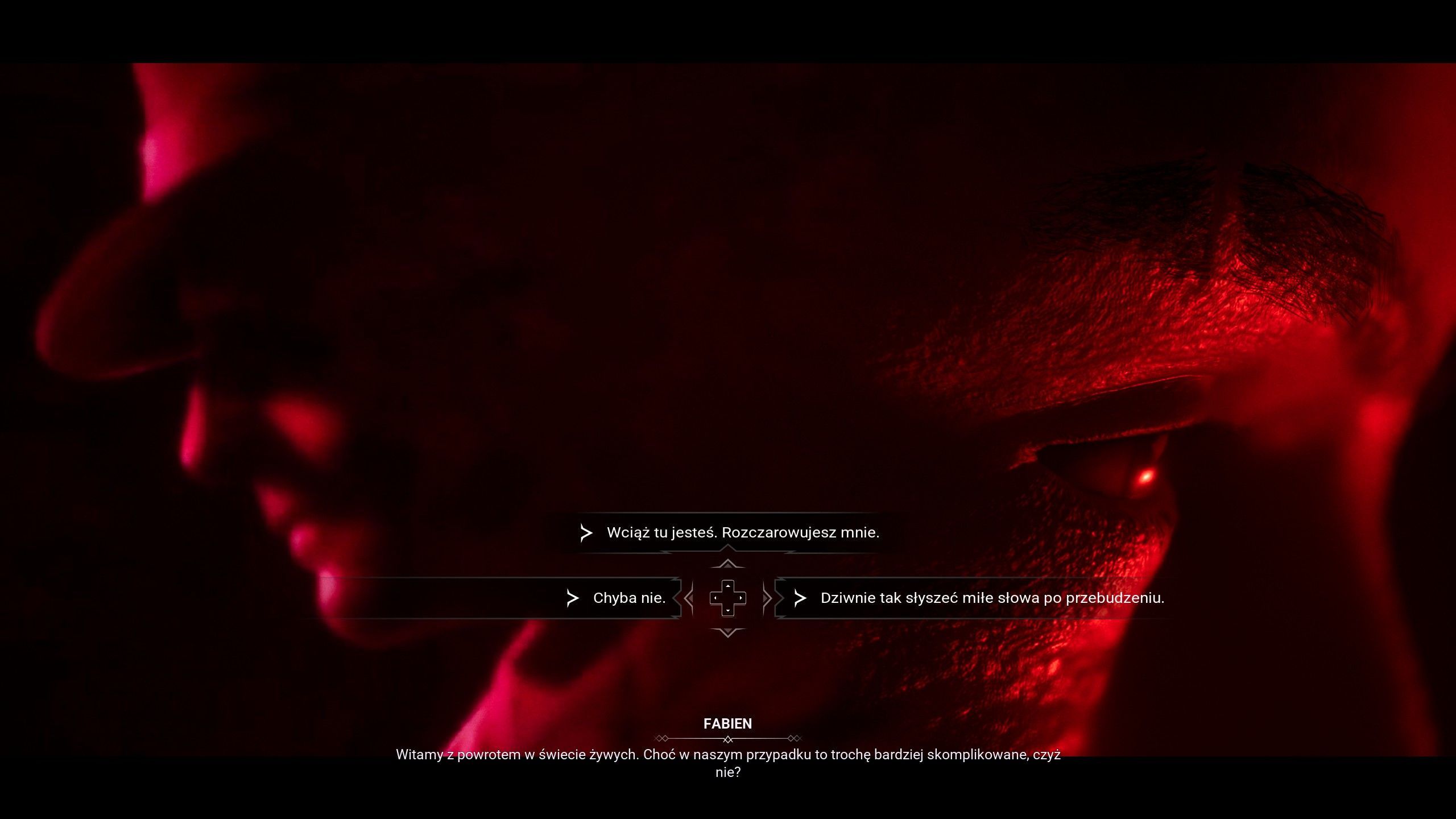
Vampire: The Masquerade – Bloodlines 2 is set in Seattle, and a short cut scene gives players a peek into the political intrigues that shape the Emerald City. For now let's get back to the main character. Phyre, as he’s known, wakes up in a nearly deserted building and is found by a cop - who, unsurprisingly, becomes his breakfast. Once the intro is over, you get to control Phyre and soon realize he has a voice in his head. Comparisons to Cyberpunk 2077 are totally fair, since both games are based on tabletop-style storytelling systems.
The voice in Phyre’s head seems just as disoriented by the situation as he does. He doesn’t know how he got there, but he does know his name is Fabien - and that he’s a vampire detective. It doesn’t take long to see that the main character’s body is covered in strange symbols. It sets up a mystery, a puzzle we’ll need to figure out.
The story in Bloodlines 2 grabs your attention right from the start, and for me, this was easily the highlight of the entire demo. The second was the world itself: vampiric intrigue and hierarchy are handled really cleverly. That said, I’ll admit I felt a bit overwhelmed at first by all the information popping up on the screen. Luckily, there’s a codex you can check anytime to figure out who’s who.
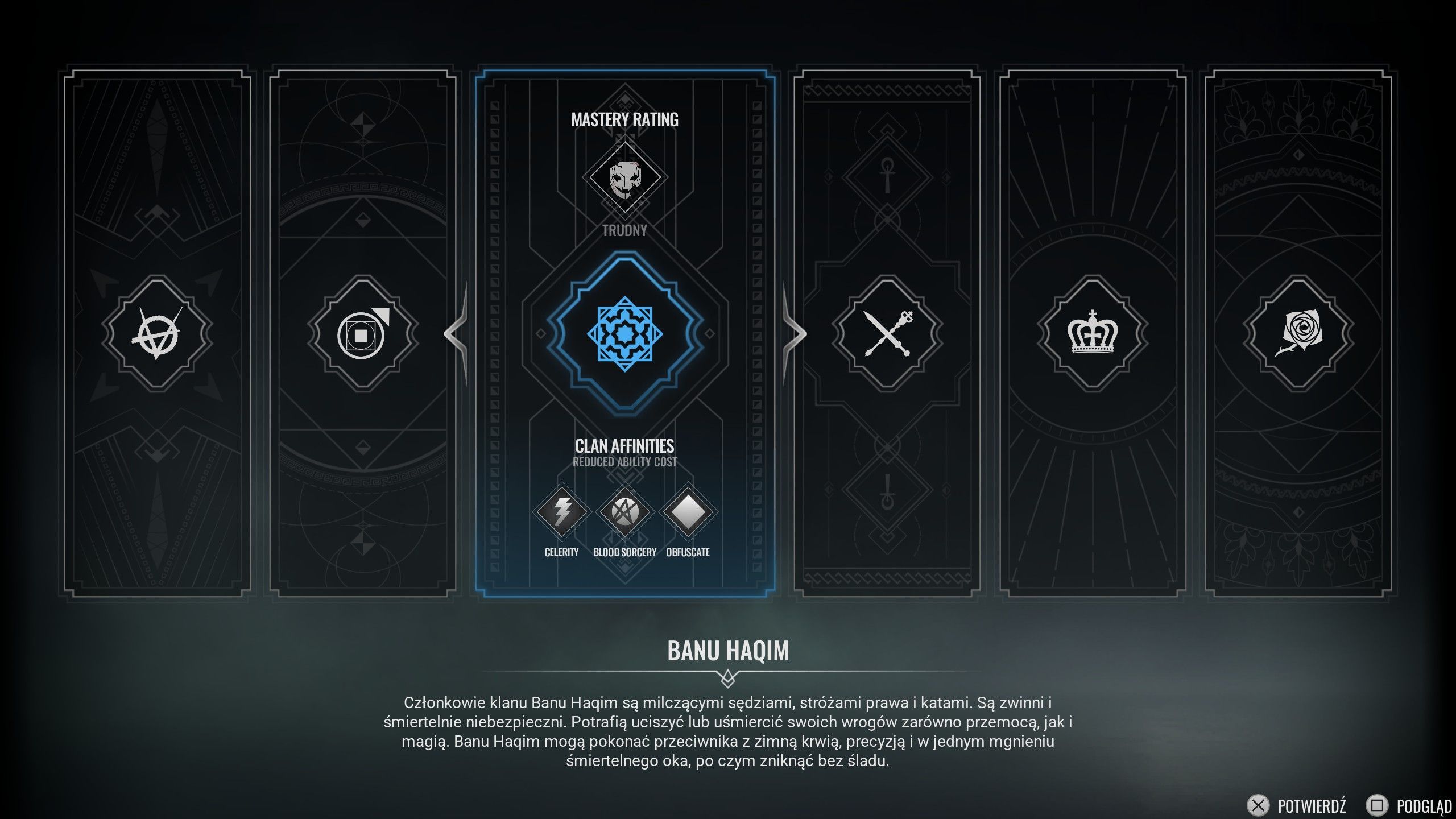
After leaving the building where the prologue took place - which also acted as a tutorial - I headed to the apartment Fabien had pointed out. There, after a short rest and a relaxed conversation, I got to choose which clan my character would belong to. This choice definitely matters - it affects both the gameplay and the story. The base game lets you pick from four clans: Brujah, Tremere, Banu Haqim, and Ventrue. I started out with the Brujah clan since I was looking for a playstyle centered on brutal combat. If you have the Shadows and Silk DLC or one of the pricier editions, you can also play as a Lasombra or Toreador. Locking two clans behind a paywall will probably rub some players the wrong way.
Van Helsing does not approve
While playing Bloodlines 2, I kept feeling that combat might not be the game’s strongest point. We have a dodge, a light attack, and a heavy charged attack (by holding down the light attack button), which is usually used to break through an enemy’s guard. Combat - at least at first - mostly boils down to frantically mashing the attack button to deal damage and trigger one of two finishing moves: a quick execution or bloodsucking, which heals us and fills the special ability meters. During combat, we can also use Phyre’s telekinesis, which he has from the very start. This allows us to hurl objects at enemies or even grab a dropped gun and use it.
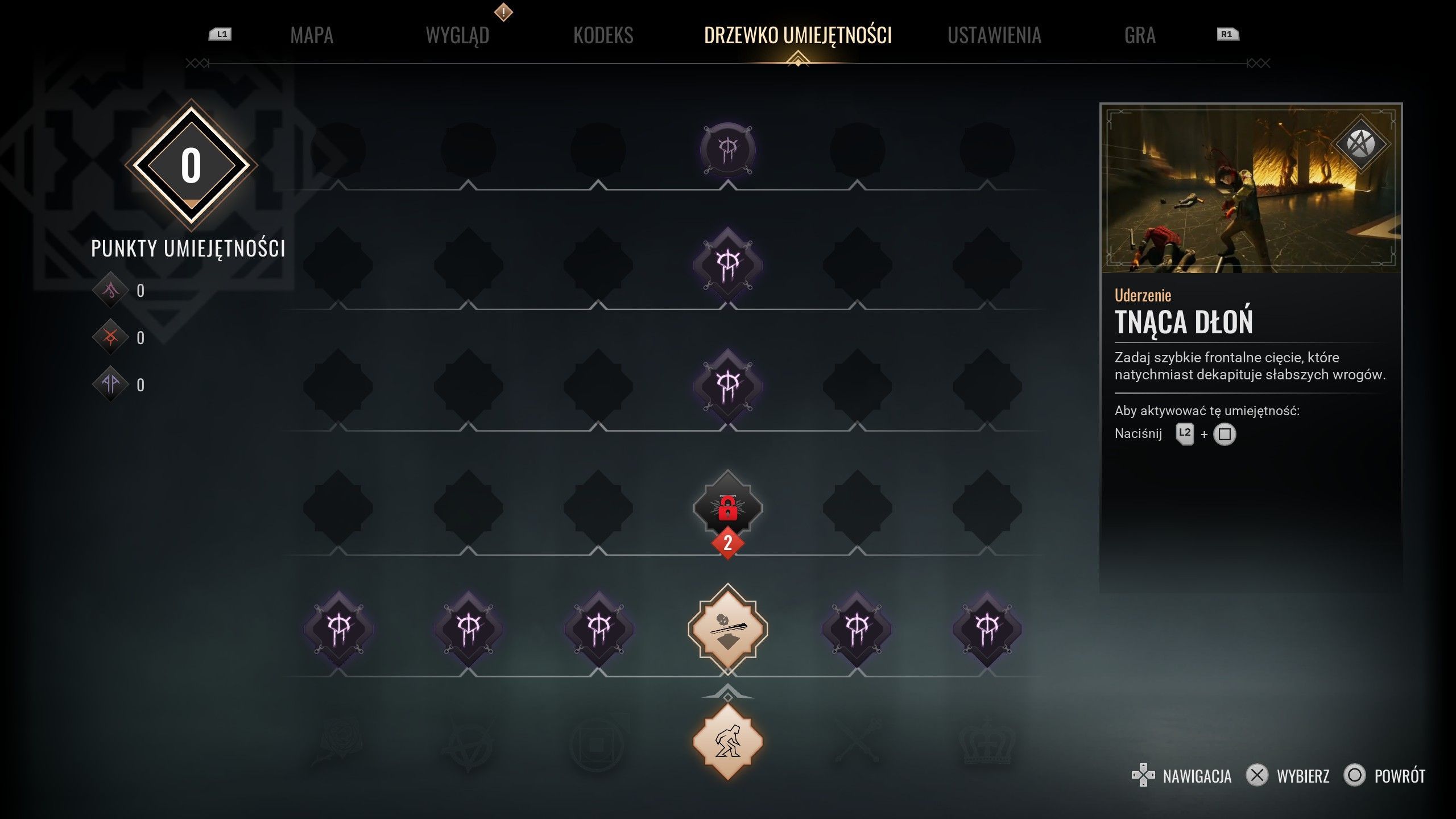
Your special skills depend on the clan you chose. My Phyre could use a flurry of fast, powerful attacks that could hit multiple enemies at once. Using these skills effectively is crucial, since enemies can deal serious damage even on normal difficulty. Even though the finishers and special abilities look really impressive, the whole thing still feels a bit stiff - there’s a noticeable lack of fluidity in the basic attacks. Still, I feel like this can still be improved. Maybe this had to do with playing as the Brujah clan, since each vampire clan has its own unique playstyle.
I noticed this when I launched the demo a second time to try out the Banu Haqim clan. This time, I found myself sneaking through the dark alleys of Seattle, teeming with ghouls, anarchists, and other troublemakers. Moving stealthily and draining blood from unsuspecting victims is satisfying and a welcome change of pace from the less engaging combat.
Overall impressions
Getting around the Emerald City feels really well-designed. Phyre can, for example, sprint very quickly or climb buildings with ease. The classic Masquerade system is back, so we have to be careful not to attack bystanders or use our vampire blood-sucking abilities out in the open. If we keep causing trouble, we'll get staked through the heart with no chance of appeal.
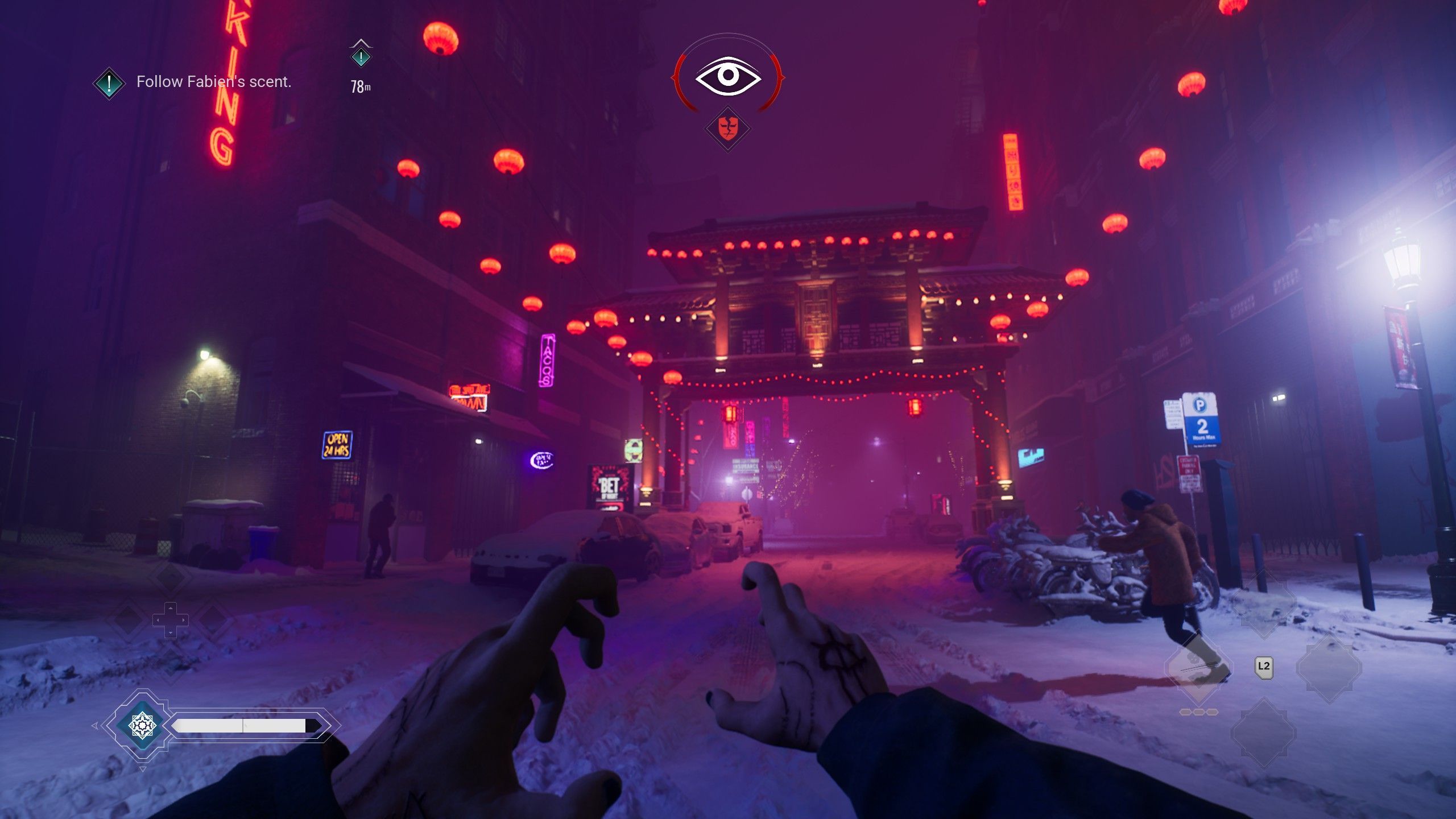
While completing quests in the demo, my vampire senses helped me by highlighting smells or clues to investigate, allowing the story to progress. It may not seem groundbreaking, but it worked quite well here, constantly reminding us that there’s a detective in our head. The quests themselves are well designed, giving us a feel for the World of Darkness while making it clear that we’re at the heart of an intrigue that could shape the city’s future.
I get the feeling that for many fans of the Vampire: The Masquerade – Bloodlines series, the technical quality of the demo is a major concern. I played on the highest graphics settings using an AMD Ryzen 5 7600X, RTX 4070 12 GB, and 32 GB of RAM. I didn’t notice any major issues, and the game ran at an almost steady 60 fps. There was a brief drop when exiting a certain building, but it lasted a moment and didn’t affect the overall experience. On the other hand, one area that clearly needs more work is the facial animations. The faces of NPCs sometimes look downright grotesque - their expressions are stiff and their movements feel unnatural. The voice acting helps make up for it to some extent, but there’s definitely room for improvement.
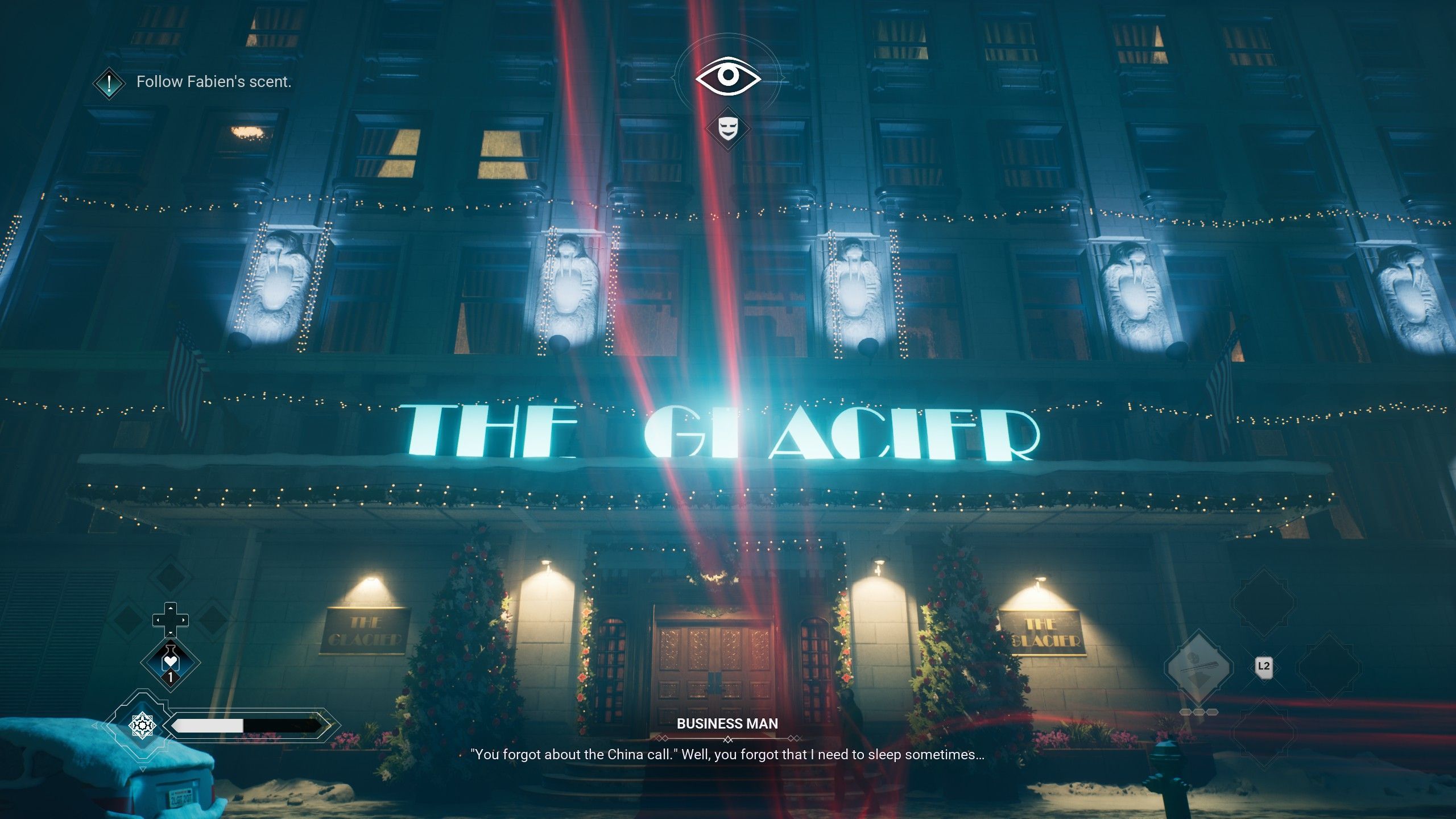
From what I’ve seen in the first two hours, Bloodlines 2 draws a lot from the original but also brings its own ideas, interesting characters, and an engaging story that I’m really looking forward to experiencing fully. Of course, as I mentioned earlier, the game does have a few issues - but fortunately, some of them could be fixed with updates if the developers choose to address them. It looks like they will, as the developers at The Chinese Room clearly focus on dialogue and the city’s overall atmosphere, which already makes a strong impression in these early moments.
- New on Steam. Return of several classics, including one that seems to be a major failure
- Sequel to the cult RPG disappoints at almost every step. Bloodlines 2 first reviews will discourage all but the biggest fans of the universe
- Bloodlines 2's first update focuses on cosmetics. The really big changes and new features are yet to come


0

Author: Maciej Bogusz
Graduate of English Philology at the University of the National Education Commission. His master's thesis concerned the analysis of the Polish localization of The Last of Us. Associated with Gamepressure.com since 2023. He started his journey with video games on the NES, and eventually moved to the Sony camp. A fan of RPGs, strategies, soulslikes, and other demanding games, as well as titles offering engaging stories. He believes that The Witcher 3: Wild Hunt is the best game in the world. Loves historical books (analyzing the course of battles is his bread and butter) as well as animated movies and series.


Latest News
- KaM Remake, the fan-made version of the classic strategy game, is practically finished
- A fan has enhanced and fixed the classic Ultimate Spider-Man for PC
- Because of the final boss, I never gave up on entire genre, but the wonderful Rayman 2: The Great Escape hasn't aged a bit
- The free version of the cult classic shmup Tyrian has been updated after 4 years
- A new Nod campaign has been added to The Dawn of the Tiberium Age, a freeware Command & Conquer RTS