Mount and Blade With Tanks; Here's Total Conflict: Resistance
Fans of tactical FPS games should pay attention to Total Conflict: Resistance. We present the most important information about this game.
1

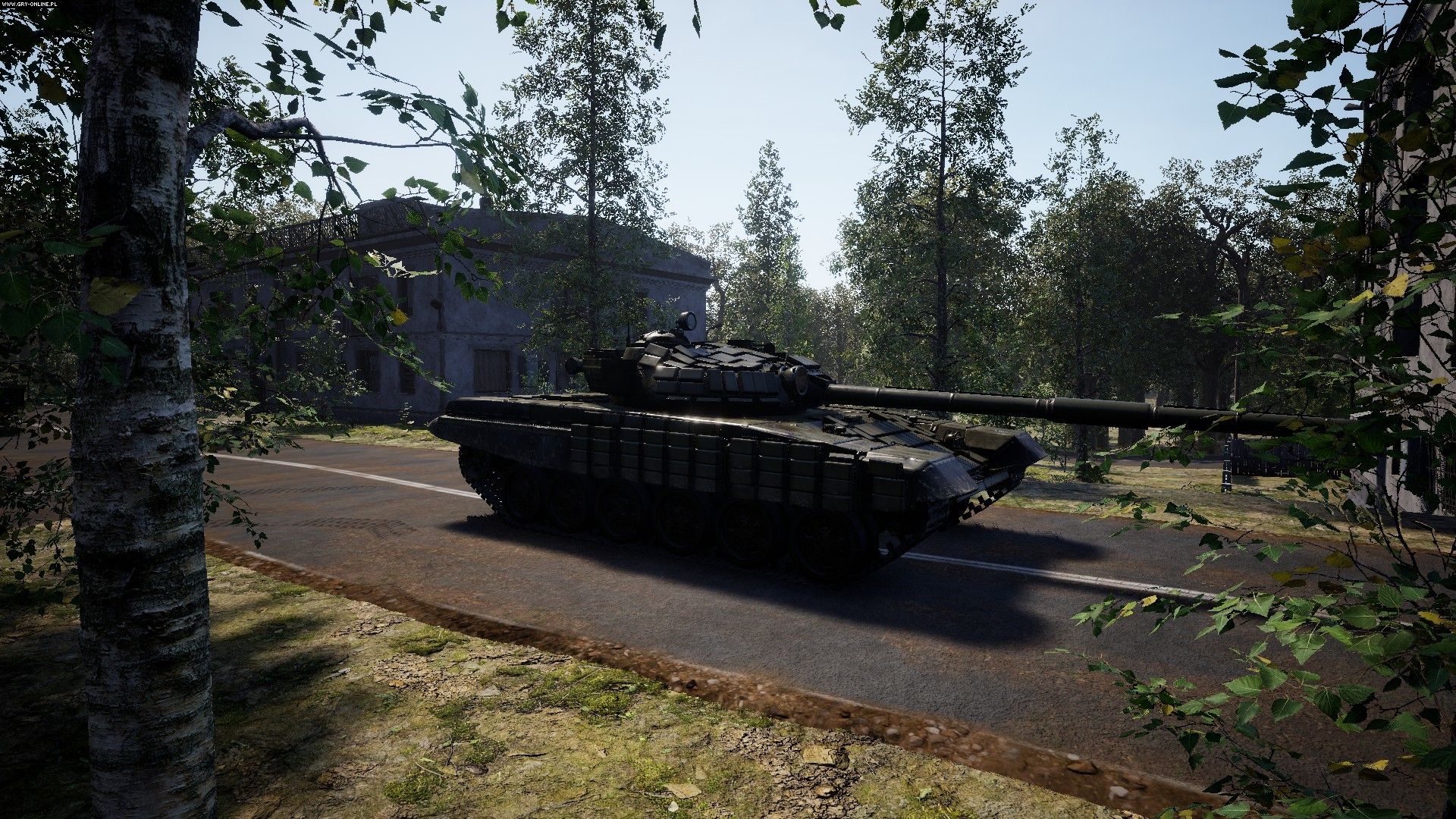
The small studio Thunder Devs, whose output includes only the little-known BattleRush, has plans for a much more ambitious project. Total Conflict: Resistance - because that's its name - is a real mishmash of war strategy and tactical FPS. Admittedly the game is still in development, but anyone interested can try its demo version on Steam. In the future, however, the title will launch in early access.
Steam
Total Conflict: Resistance - story and gameplay
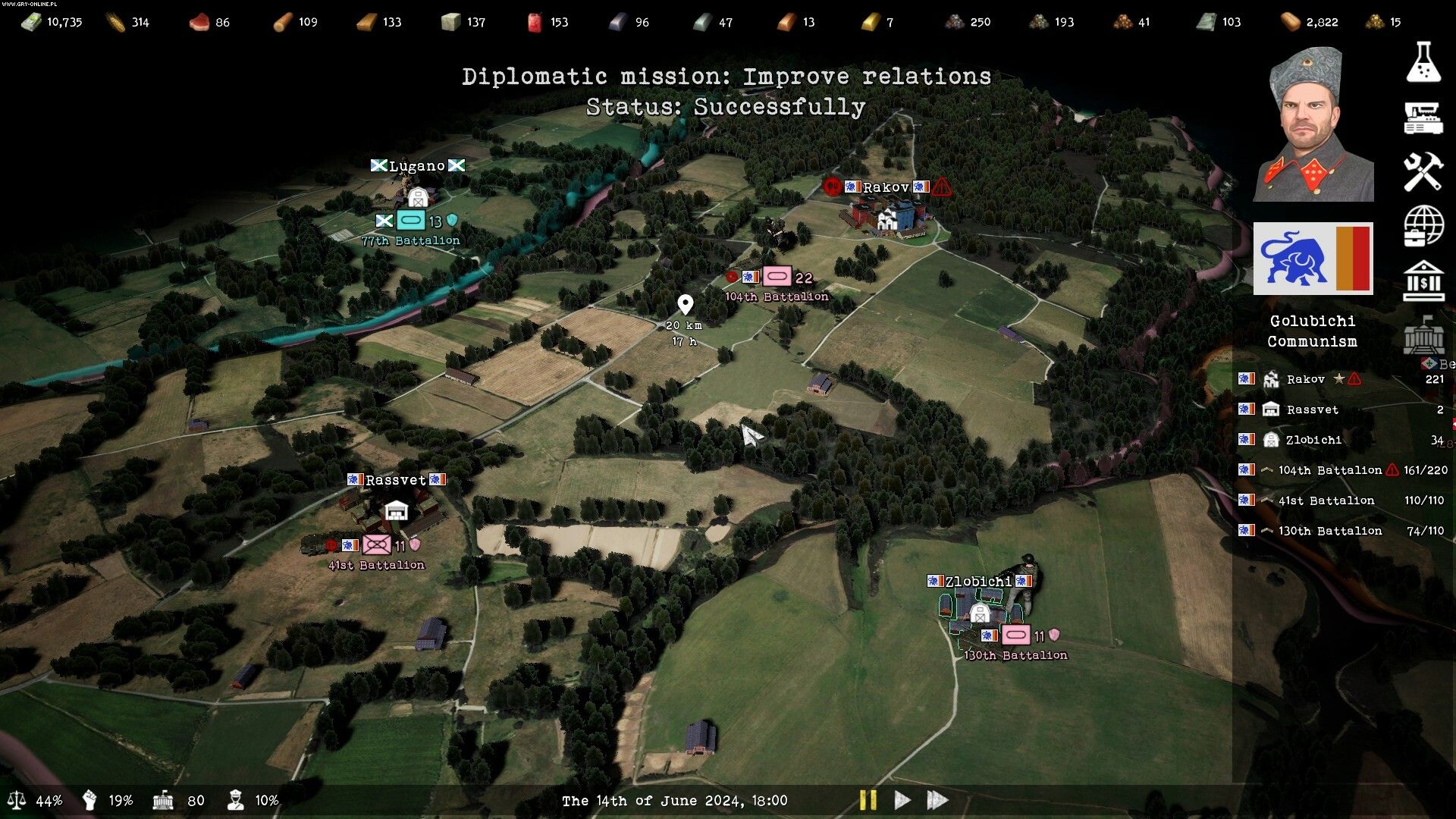
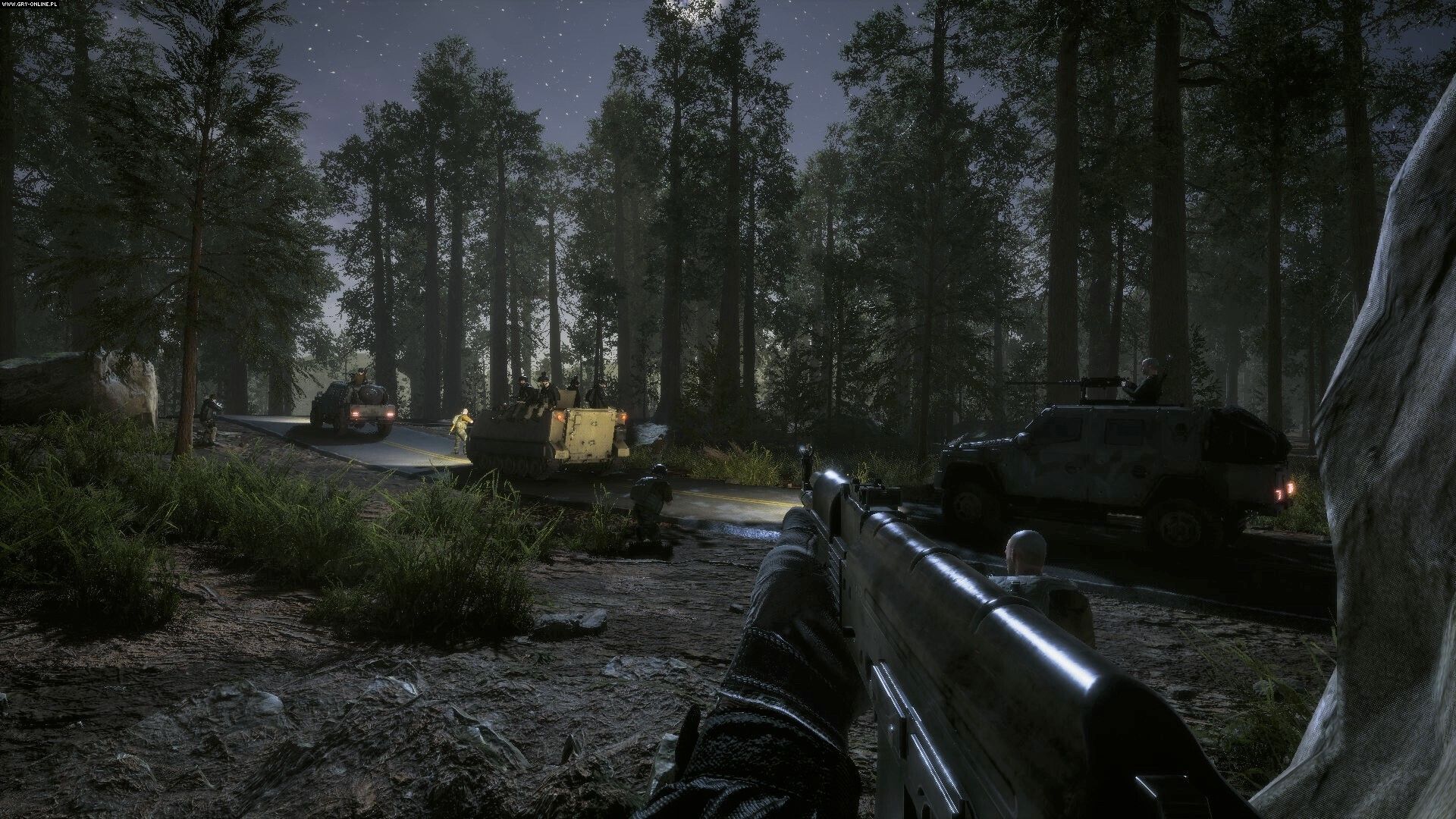
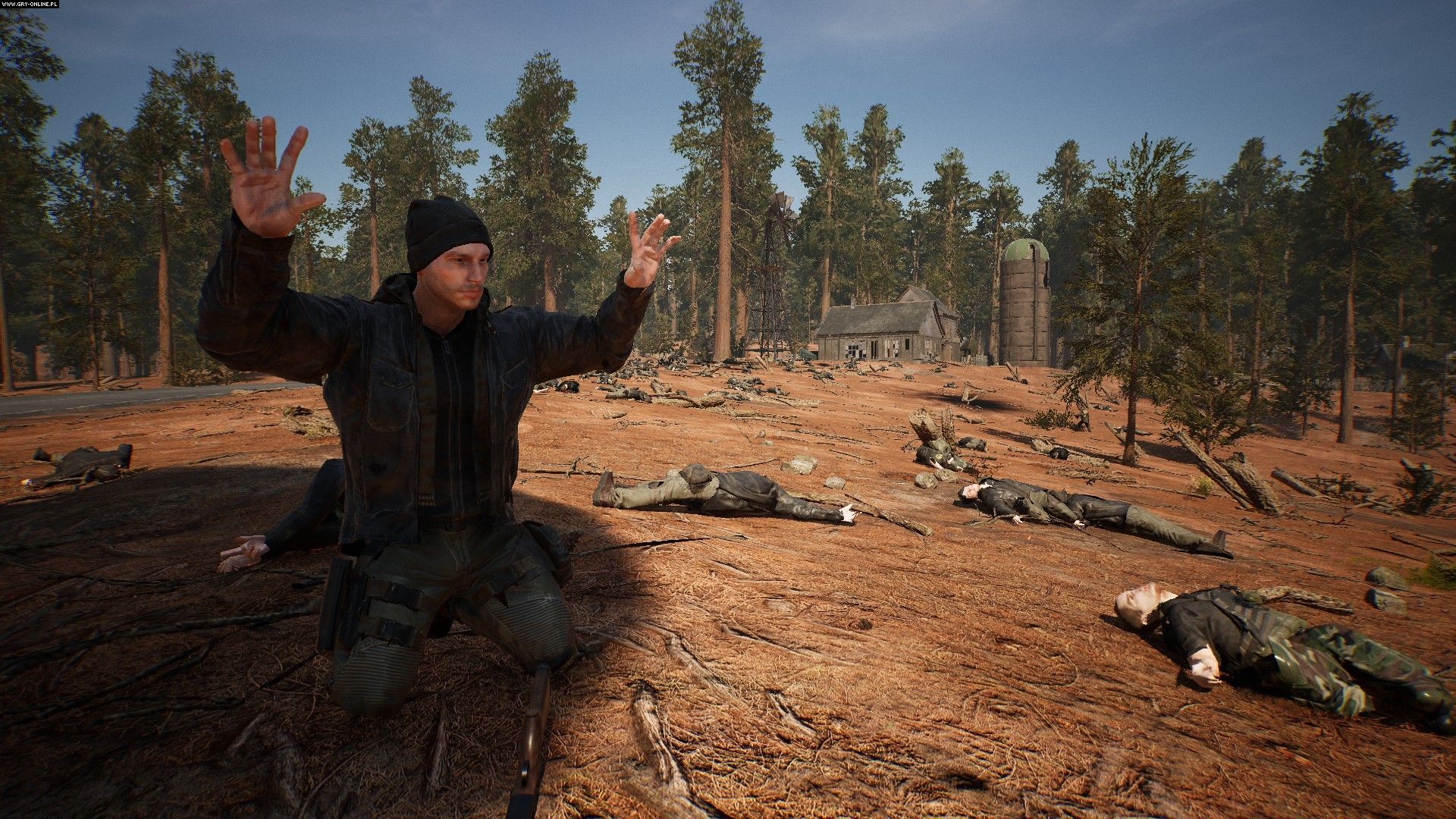
In Total Conflict: Resistance we will find ourselves in the fictional state of Cambridia and lead it to glory not only by diplomatic means, but above all by force. As for the latter aspect, a wide array of options will be put at our disposal. Starting from building fortifications through the production of weapons, skillful management of the created army, control of combat vehicles, and ending with combat actions from FPP - all this is to guarantee a rare scale of networked gameplay with up to 200 players simultaneously.
Steam
Comparison of Total Conflict: Resistance to Mount and Blade is not accidental. After all, you can find many comments on the web (if only under various gameplay videos), in which players note the similarity of these two productions. This is evident primarily in the way we control our units, extensive personalization options, as well as the world map..
Steam
Total Conflict: Resistance - PC system requirements
Great scope does not go hand in hand with exorbitant system requirements. Owners of slightly weaker PCs should rest assured that the game will run smoothly.
Minimum:
- Operating system: Windows 7/8/10 64-bit
- Processor: Intel or AMD clocked at 2.5 GHz
- Memory: 4 GB RAM
- Graphics card: NVIDIA GeForce 470 GTX or AMD Radeon 6870 HD
- DirectX: Version 11
- Disk space: 25 GB
Recommended:
- Operating System: Windows 7/8/10 64-bit
- Processor: Intel or AMD clocked at 3 GHz or higher
- Memory: 8 GB RAM
- Graphics card: NVIDIA GeForce 1050 GTX or AMD Radeon RX560
- DirectX: Version 11
- Disk space: 25 GB
Steam
The game's release in Steam Early Access will take place later this year. Currently, however, you can download a demo, which is regularly improved by the developers.
- Meaningful decisions through limited choice. How the devs behind Tiny Bookshop were inspired to design their hit cozy game
- Interest in Clair Obscur: Expedition 33 has exploded once again thanks to The Game Awards 2025. There's at least two pieces of evidence to prove it
- My experience attending the 2025 Game Awards, and why I loved it

1

Author: Kamil Kleszyk
At Gamepressure.com deals with various jobs. So you can expect from him both news about the farming simulator and a text about the impact of Johnny Depp's trial on the future of Pirates of the Caribbean. Introvert by vocation. Since childhood, he felt a closer connection to humanities than to exact sciences. When after years of learning came a time of stagnation, he preferred to call it his "search for a life purpose." In the end, he decided to fight for a better future, which led him to the place where he is today.

Latest News
- A new version of Diablo, created by former Bethesda developers, finally enhances the 1997 classic with stunning HD graphics
- KaM Remake, the fan-made version of the classic strategy game, is practically finished
- A fan has enhanced and fixed the classic Ultimate Spider-Man for PC
- Because of the final boss, I never gave up on entire genre, but the wonderful Rayman 2: The Great Escape hasn't aged a bit
- The free version of the cult classic shmup Tyrian has been updated after 4 years