Before shaking up the world with Baldur's Gate 3, Larian released a poorly received game that planted the seed of their success
Failed experiments are part of the process. After the successful Divine Divinity, Larian had a lot to learn before it developed a style that RPG fans around the world recognize today.
1

Sometimes, it's better to refine a proven formula rather than innovate. Why change things when something has sold well and people already like it? This was likely the thought process of many studios - but not of Swen Vincke, and not of Larian. Following the success of Divine Divinity - an action RPG that mixed Diablo-like combat, Ultima-style interactivity, and tongue-in-cheek writing inspired by Baldur’s Gate - the Belgians decided it was time to change things up.
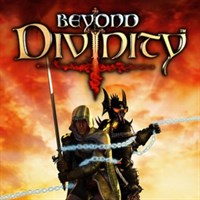
It was with Beyond Divinity - a game that didn’t make much noise upon release - that the first hints of their greatness to come began to emerge. Greatness that the developers pursued along a bumpy and winding road (as they later admitted in interviews), but once they achieved it, they shook the gaming industry.
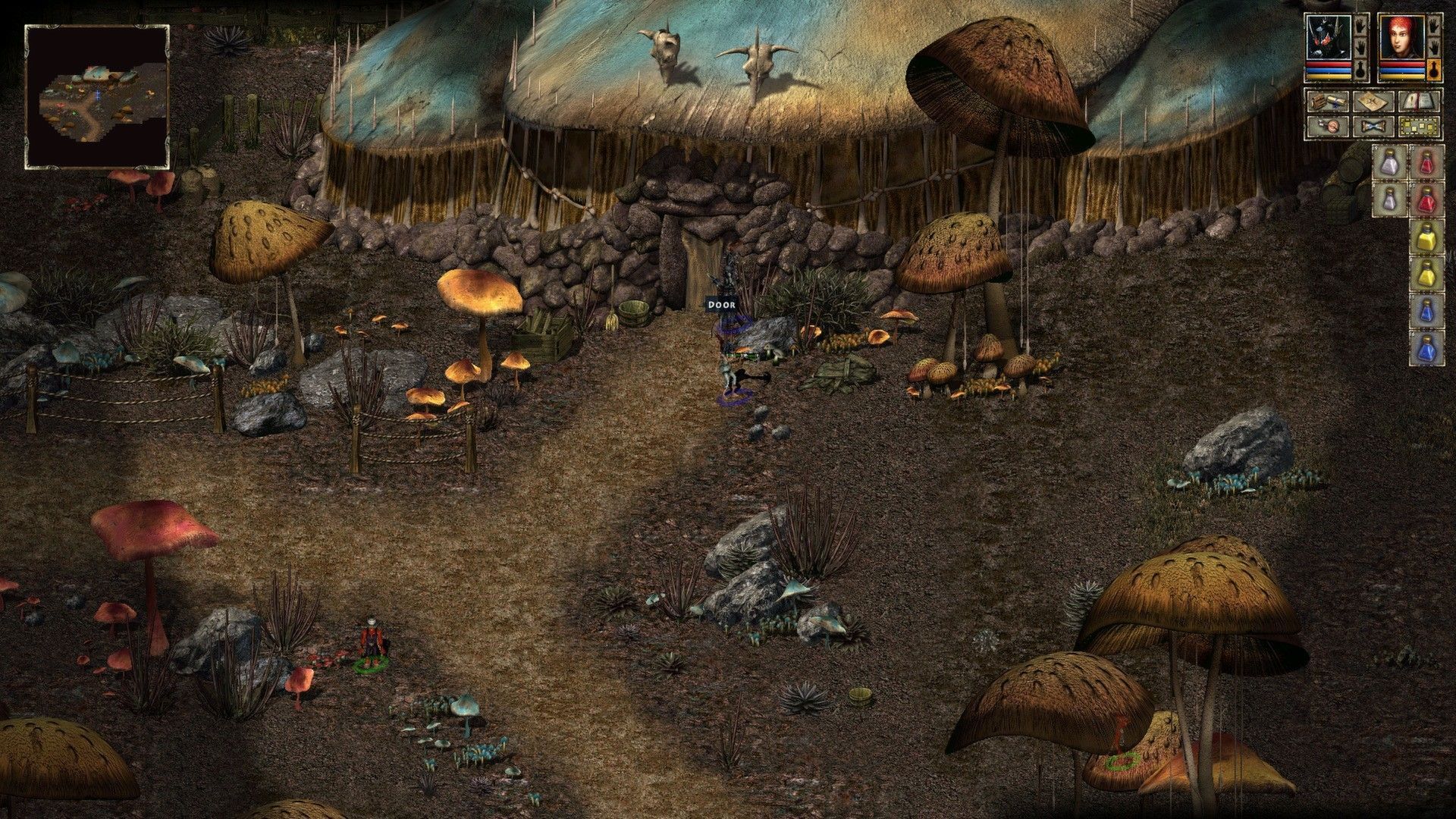
At first glance, the game appeared very similar to its predecessor. It featured the same camera, real-time combat, and a semi-open world (though this time the story took us a bit beyond Rivellon - but more on that in a bit). Even the HUD felt familiar, with its delightfully chaotic backpack, and the color palette once again nailing that distinct, darkly satirical vibe. Under the surface, however, much has changed.
Beyond Divinity. Larian Studios
The first steps to gamedev divinity
Even though the game used technology similar to Divine Divinity, it brought a big change in graphics – 3D character models moving over 2D backgrounds. The models were a bit blocky, and the animations weren’t super smooth, but looking back, it was definitely a step in the right direction. As you might expect, that was just the beginning of the new features.
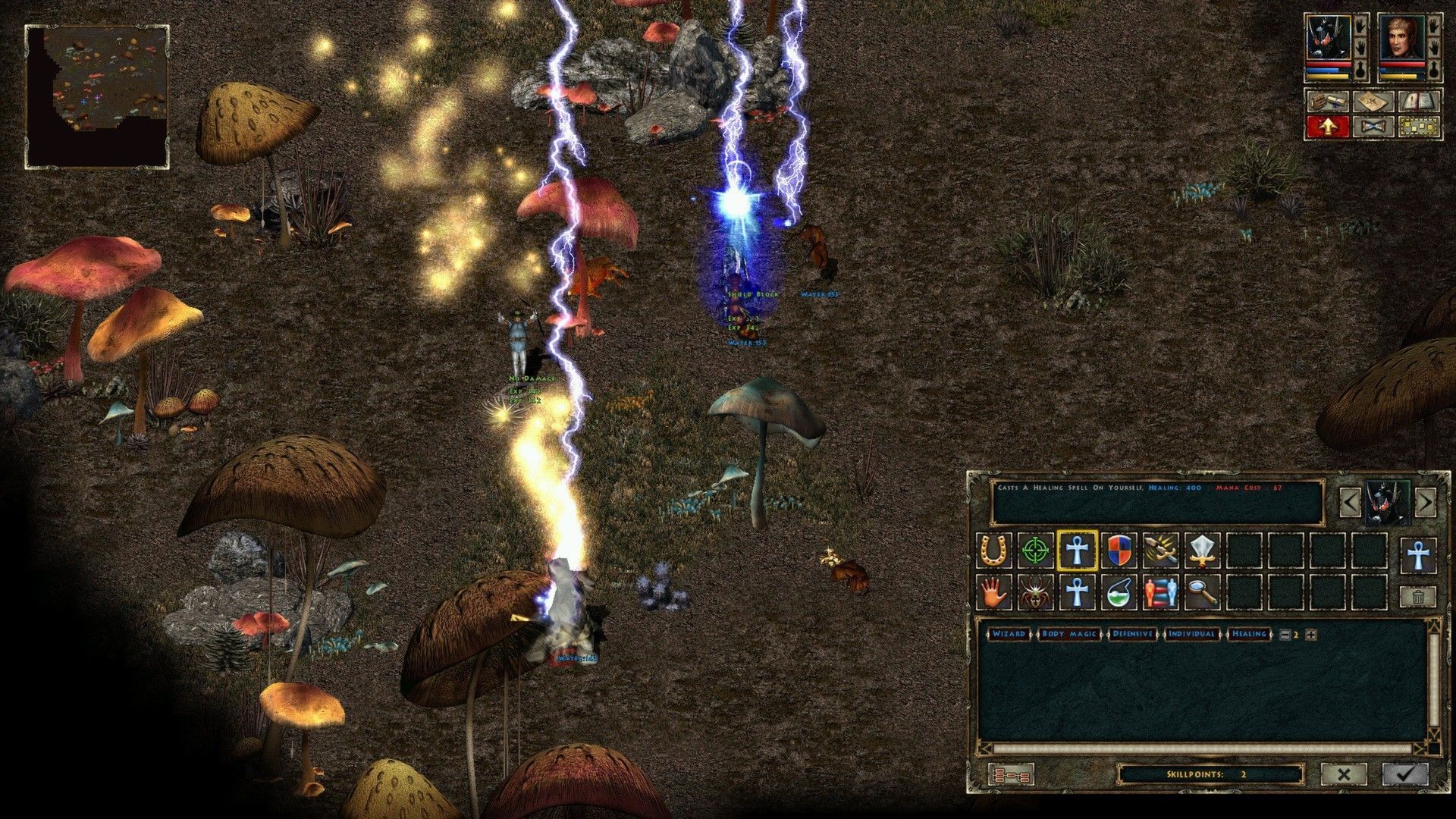
In Beyond Divinity, Larian started playing around with the idea of a classic RPG party. In this game, you controlled two characters: a paladin and his moral opposite, the Death Knight - those scary-looking fellows from Divine Divinity that could pose a real challenge, especially in groups. Before we move on, it’s worth noting that Larian’s next party-based game, Divinity: Original Sin, followed a similar idea. You still controlled two main characters, but this time you could also bring full-fledged NPCs into your party. In Beyond Divinity, you could only summon special "dolls" to help in battle, so most of the time you were just exploring the world as a duo.
You had full control over both characters, from moving them around to leveling them up and shaping their skills. This setup was pretty similar to Divine Divinity. The game used a classless system, so you could build your two characters however you wanted, making their skills complement each other. Unfortunately, the developers went a bit too far here - some of the powerful, useful skills from the first game got split into weaker, less essential ones. As a result, you had to be a lot more careful when building your characters, and not everything was useful.
Beyond Divinity. Larian Studios
The Good, the Bad, and the Ugly
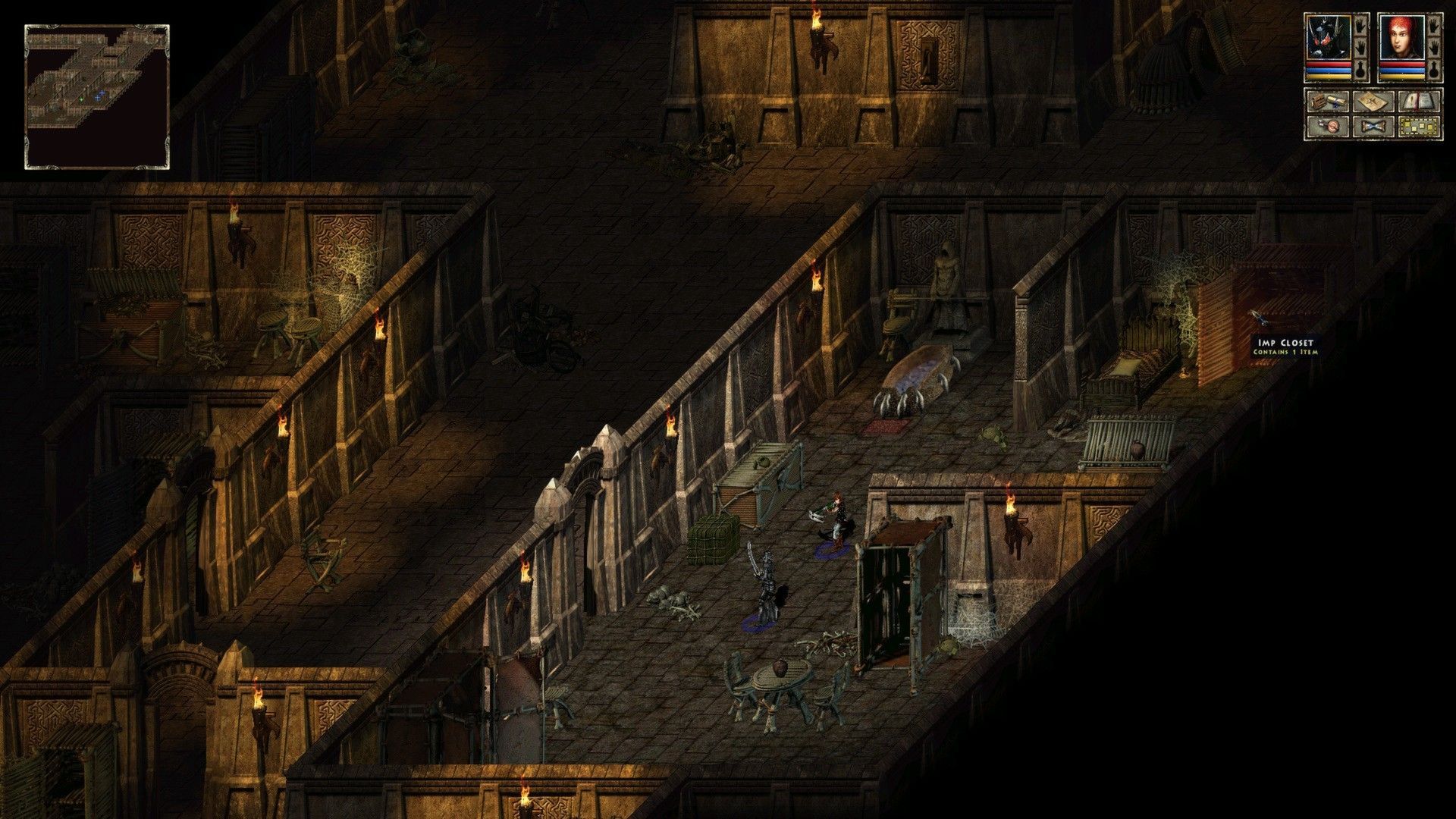
It was especially frustrating because the game’s balance was all over the place - the difficulty would frequently spike in very odd ways. For example, the starting dungeon could hit way harder than you’d expect, and you often had to skip fights just to stay alive - especially if it was your first time getting the hang of Divinity’s mechanics. Remember how the previous game loved trolling players? Like that cursed sword lying out in the open - grab it, and boom, an evil spirit shows up ready to rampage. Here, things were way too brutal and didn’t always make much sense.
All these tricky mechanics and frustrating difficulty spikes made the game land a lot worse with players compared to the first one. Fans of the original were also bummed that the first chapter didn’t feel like the open world of Divine Divinity and instead played more like a classic dungeon crawler. Only after getting through that part did you finally step out into open areas where you could really roam and breathe easy.
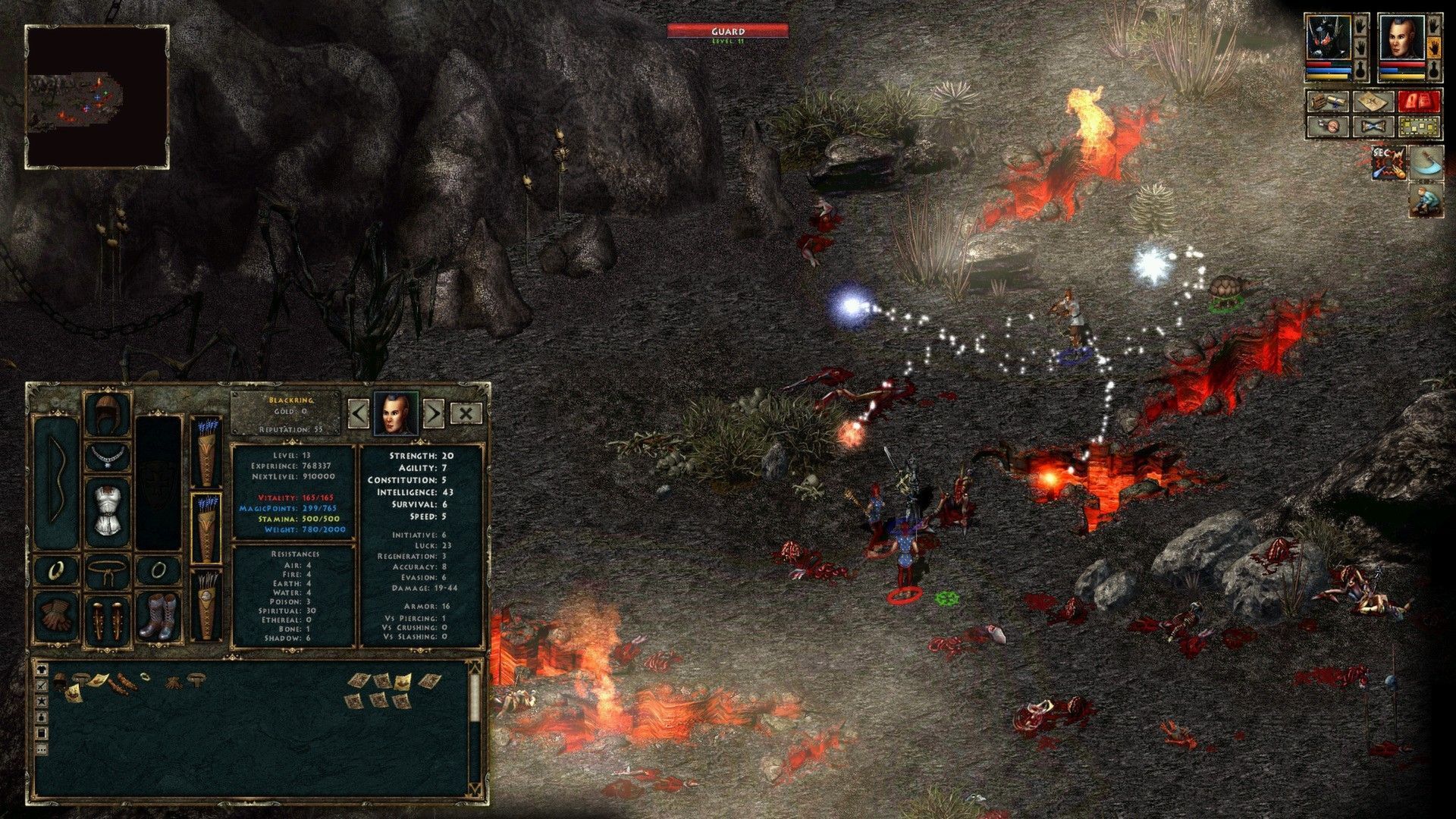
That said, the story actually made it work - it's not like Beyond Divinity doesn’t have its strengths. The story actually ends up being one of the game's highlights, especially if you're into Rivellon's lore. You start off as a paladin taking part in a crusade led by the Divine Lucian, the protagonist of Divine Divinity. While out hunting necromancers, during a fight with a really nasty one, a demon swoops in and kidnaps you. The paladin wakes up in a cell, their soul magically bound to bootleg Sarevok - the Death Knight.
This unlikely “good cop, bad cop” duo - whose banter is genuinely funny - has to solve a bunch of mysteries and, most importantly, find a way out of the cell where they were both locked up. The plot unfolds in an intriguing way, and if you can get past the uneven gameplay, you’re rewarded with a funny story full of twists and turns in classic Larian style, plus a deeper dive into the world’s lore and an expansion of the mythos first introduced in Divine Divinity. Experience from Beyond Divinity actually gives some interesting context for Divinity: Original Sin 2 - even if the series’ canon is a bit messy and not always entirely consistent. Curiously, there also exists a prequel to Beyond Divinity called Child of Chaos, though its status is... unclear.
Beyond Divinity. Larian Studios
Belgian experiments
Back to the gameplay: one interesting twist was the special battlefields - randomly generated dungeons that you could access in each act, adding a bit of variety to the experience. These areas didn't progress the story - they were more about grinding your characters, leveling them up so they could handle the tougher challenges waiting ahead. Whether you enjoy this approach really comes down to how much you like the combat system itself. In my opinion, the dungeons were fine, but they mostly felt like filler.
As you can see, Beyond Divinity ended up being pretty uneven, almost like it was thrown together in a rush. Despite this, it had a lot of Larian's charm. It didn’t click with everyone, but back then, the game could still be pretty engaging. It’s also clear that even back then, the Belgians weren’t afraid to experiment. These experiments eventually led them to turn-based gameplay and helped them become big players in the RPG scene. Larian gave real-time combat another shot with Divinity 2: Ego Draconis, but that’s a whole different story.
Beyond Divinity. Larian Studios
How to play Beyond Divinity today?
Nowadays, you can grab the game on Steam or GOG for $5.55, though judging by the number of reviews and how slowly new ones are coming in, not everyone seems eager to pick it up. You could also go for a physical copy, which sometimes pop up on auction sites.
Would you like to get more articles like this or read interesting facts from the gaming world? Join our community on Google News and follow us there! Your support helps us grow and bring you even more content!
- They found it in an old Lionhead archive. One forgotten document defined the look of the new Fable
- Kingdom Come: Deliverance could have been set in England or Germany, but the devs had concerns
- It's not a roadmap, it's an „epitaph.” Players are ruthless about the future of Bloodlines 2, which has lost 99% of its users on Steam

1

Author: Hubert Sosnowski
He joined GRYOnline.pl in 2017, as an author of texts about games and movies. Learned how to write articles while working for the Dzika Banda portal. His texts were published on kawerna.pl, film.onet.pl, zwierciadlo.pl, and in the Polish Playboy. Has published stories in the monthly Science Fiction, Fantasy, and Horror magazine, as well as in the first volume of the Antologii Wolsung. Lives for "middle cinema" and meaty entertainment, but he won't despise any experiment or Fast and Furious. In games, looks for a good story. Loves Baldur's Gate 2, but when he sees Unreal Tournament, Doom, or a good race game, the inner child wakes up. In love with sheds and thrash metal. Since 2012, has been playing and creating live action role-playing, both within the framework of the Bialystok Larp Club Zywia, and commercial ventures in the style of Witcher School.


Latest News
- A fan has enhanced and fixed the classic Ultimate Spider-Man for PC
- Because of the final boss, I never gave up on entire genre, but the wonderful Rayman 2: The Great Escape hasn't aged a bit
- The free version of the cult classic shmup Tyrian has been updated after 4 years
- A new Nod campaign has been added to The Dawn of the Tiberium Age, a freeware Command & Conquer RTS
- Fans have removed the time limit from The Blood of Dawnwalker