RPG not bold enough to be important: The Outer Worlds 2 fails to live up to expectations
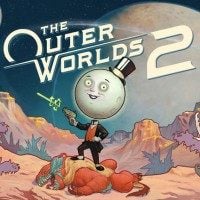
Going into the closed preview of The Outer Worlds 2 at gamescom, I was hoping for a game that would finally become a worthy competitor to Fallout. Unfortunately, the demo suggests to me that this is just a safe sequel.
1

Do you remember the release of The Outer Worlds? Tired of the corporate direction that the Fallout series has taken, we were eagerly awaiting the return of Obsidian to the roots of the series – to an intelligent, satirical RPG where choices matter. However, it turned out that the first installment was a title full of shortcomings, but also of big potential. It was a game with a clear promise that the sequel, now backed by Microsoft's money, would address its flaws - shallow combat, specific humor, and illusory decision-making - and become a game deserving more than a 7/10 rating.
When I went to the closed 60-minute presentation of The Outer Worlds 2 at gamescom, I was hoping for an evolution, deeper systems, and a game that would finally spread its wings and become a worthy competitor to Fallout. Unfortunately, what I saw was a harsh reality check. The demo suggests that The Outer Worlds 2 is a sequel in the safest and most disappointing sense of the word. This is a game that can simply be described as "more of the same." Even though the original fans might see it as good news, for me, it's a missed opportunity and proof that the creators didn't learn their lesson.
The same joke
The first thing that strikes you about The Outer Worlds 2 is the tone. And specifically - its lack of evolution. If you didn't like the specific, somewhat absurd humor of the first part, I have bad news - the sequel doesn't do anything to win you over. This is exactly the same level of humor as before. The conversations are really easy-going, and the whole story is soaked in the same mocking style, which I find kind of childish.
After several minutes with the game, I had an irresistible feeling of deja vu. The characters keep talking in the same exaggerated way, the corporate satire relies on the same old patterns, and the whole thing lacks subtlety. It's a humor that you either love or hate. The problem is that the sequel doesn't really try to add any nuance to its satire or offer a more diverse tone; it just goes in a well-trodden direction.
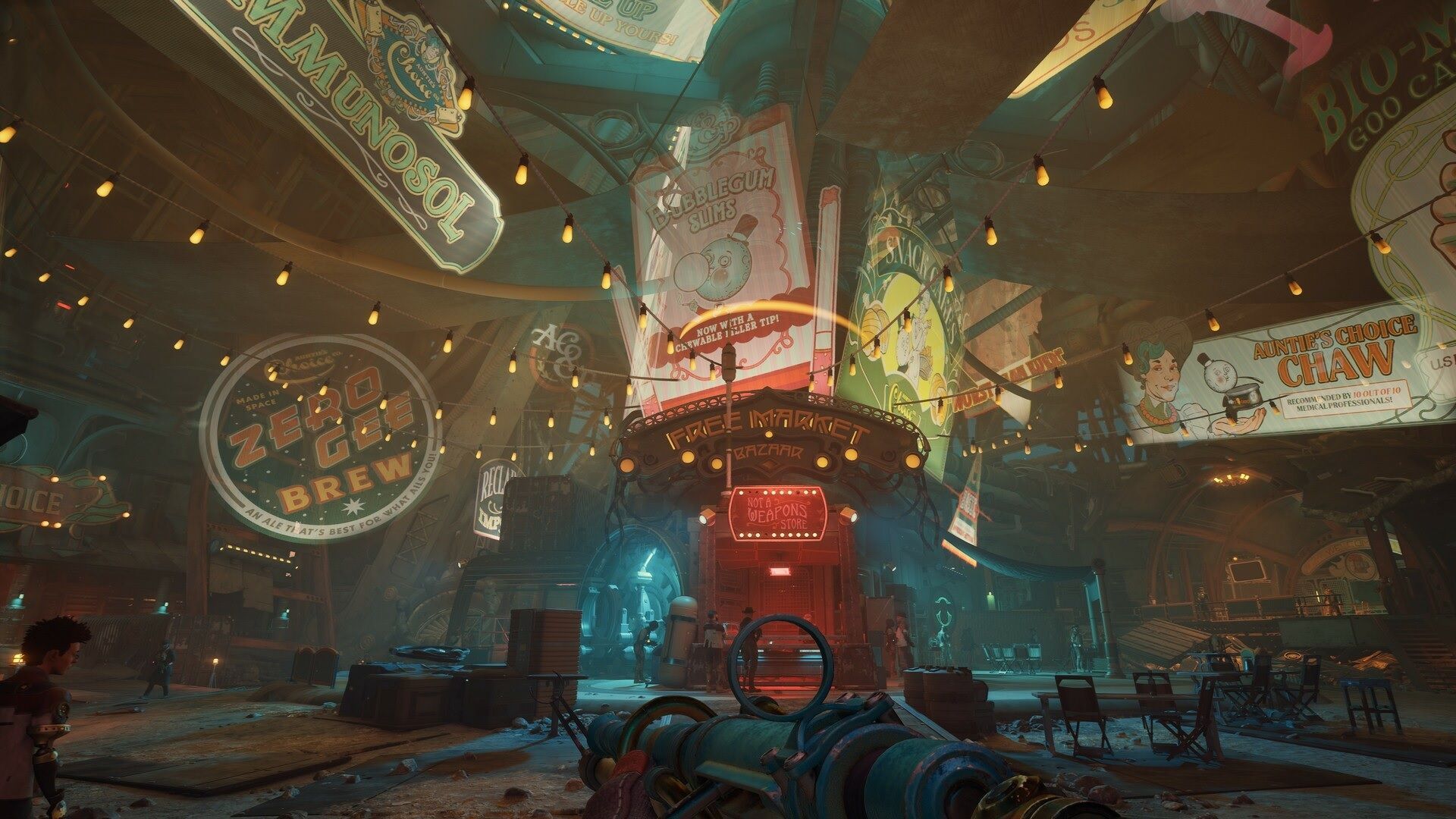
The Outer Worlds 2 is essentially more of the same. The Outer Worlds 2, Xbox Game Studios, 2025.
It's a safe decision, but also a lazy one. This is a sign that the game is only for those who have already made up their minds.
Combat may disappoint
Another area where The Outer Worlds 2 repeats the mistakes of the original is the combat. And it is all the more frustrating that one of its key elements was really well done. The shooting itself isn't bad. At least in the case of the weapons I had, you could feel the responsiveness and power of each shot. It's a solid, satisfying gunplay that makes pulling the trigger simply enjoyable.
The issue is that this enjoyment is completely ruined by the other, much more important element of every encounter - the opponents. And those, just like in the first installment, weren't blessed with too much intelligence. The AI is really basic - they just charge at us without any strategy, don't try to flank, and use cover in a weird way. On higher difficulty levels, they're only challenging because they have more health points. Shooting mindless sponges for damage stops being engaging after the third encounter.
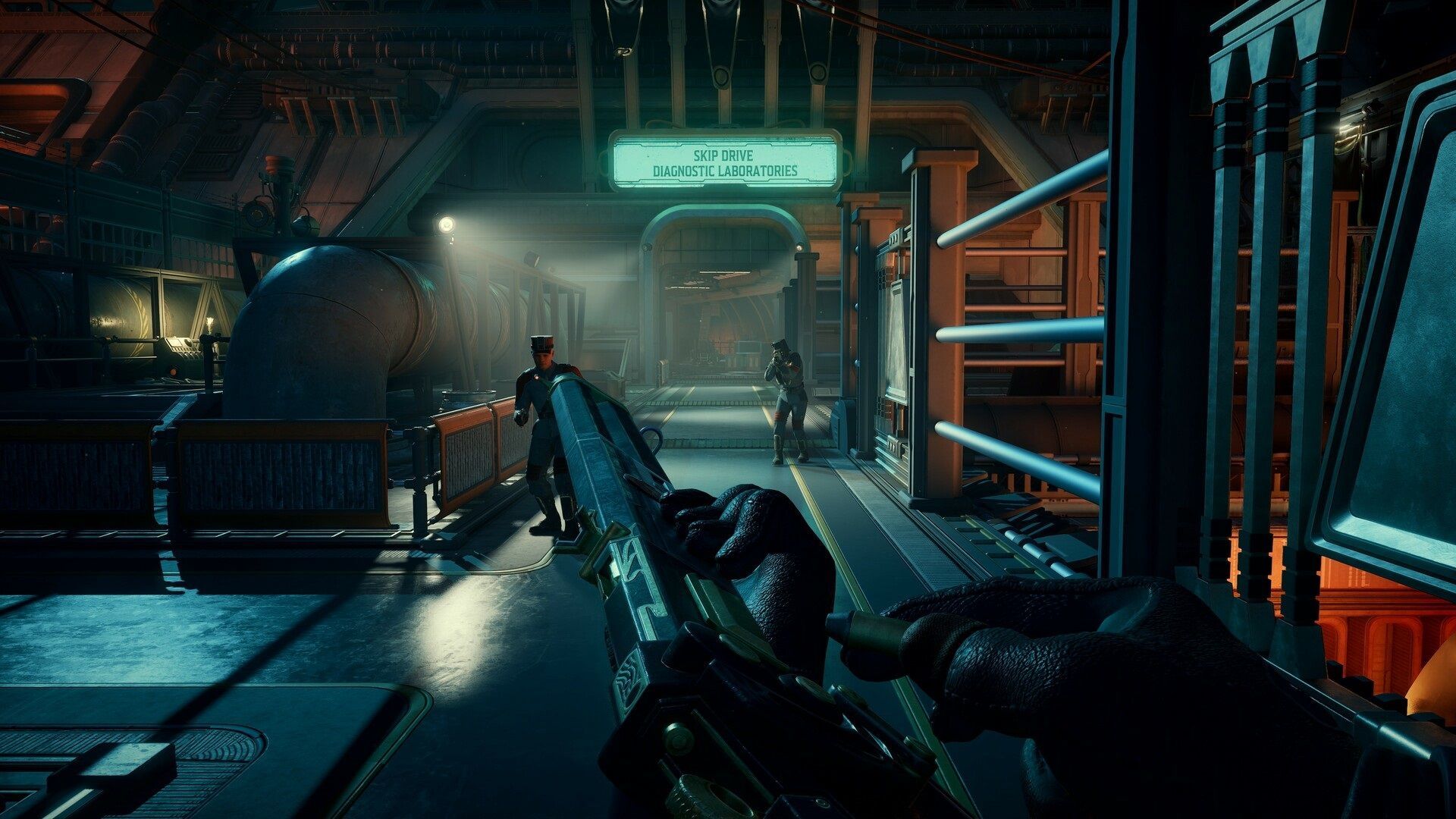
Combat isn't the game's strong point. The Outer Worlds 2, Xbox Game Studios, 2025.
Higher levels of difficulty traditionally don't solve the problem, they just make it worse. Instead of getting smarter enemies, we just get the same ones but with thicker armor and stronger attacks. This is the easiest and least rewarding way to scale the challenge, turning the battle into monotonous labor rather than a strategic puzzle. As a result, we have a strange paradox - the game has a good shooting feel, but at the same time, one of the worst combat systems in modern RPGs.
Too safe
However, my biggest disappointment and most serious criticism of The Outer Worlds 2 is its approach to decision-making. The game makes us feel like we're free, but in reality, it leads us down tightly scripted paths, not allowing for any creativity. This is best illustrated by one part of the available mission, where we could choose whether to attack the enemy base head-on or try to sneak in quietly. I chose the option of a frontal attack, and everything would have been fine if not for the fact that halfway through, I just changed my mind. So I went there, where the second path was still open, but I couldn't do anything. The game simply blocked the possibility. After making the choice, there was no turning back, even though the other path was still physically open.
This is a red flag for me because it's not just a bad practice in itself, but also suggests that the creators are repeating the same mistakes that weighed down the original. Because as you probably remember, the first installment suffered from a kind of illusion of freedom. The game often made you make moral decisions or choose from multiple dialogues that ultimately led to the same results, and the consequences of these decisions didn't really affect the gameplay much. This contradicts the concept of a difficult choice - rather than engaging and intricate narratives shaped by our decisions, we are given the illusion that we can alter anything at all. Looking at the mission structure in the demo of The Outer Worlds 2, I feel like they're sticking to the same design philosophy.
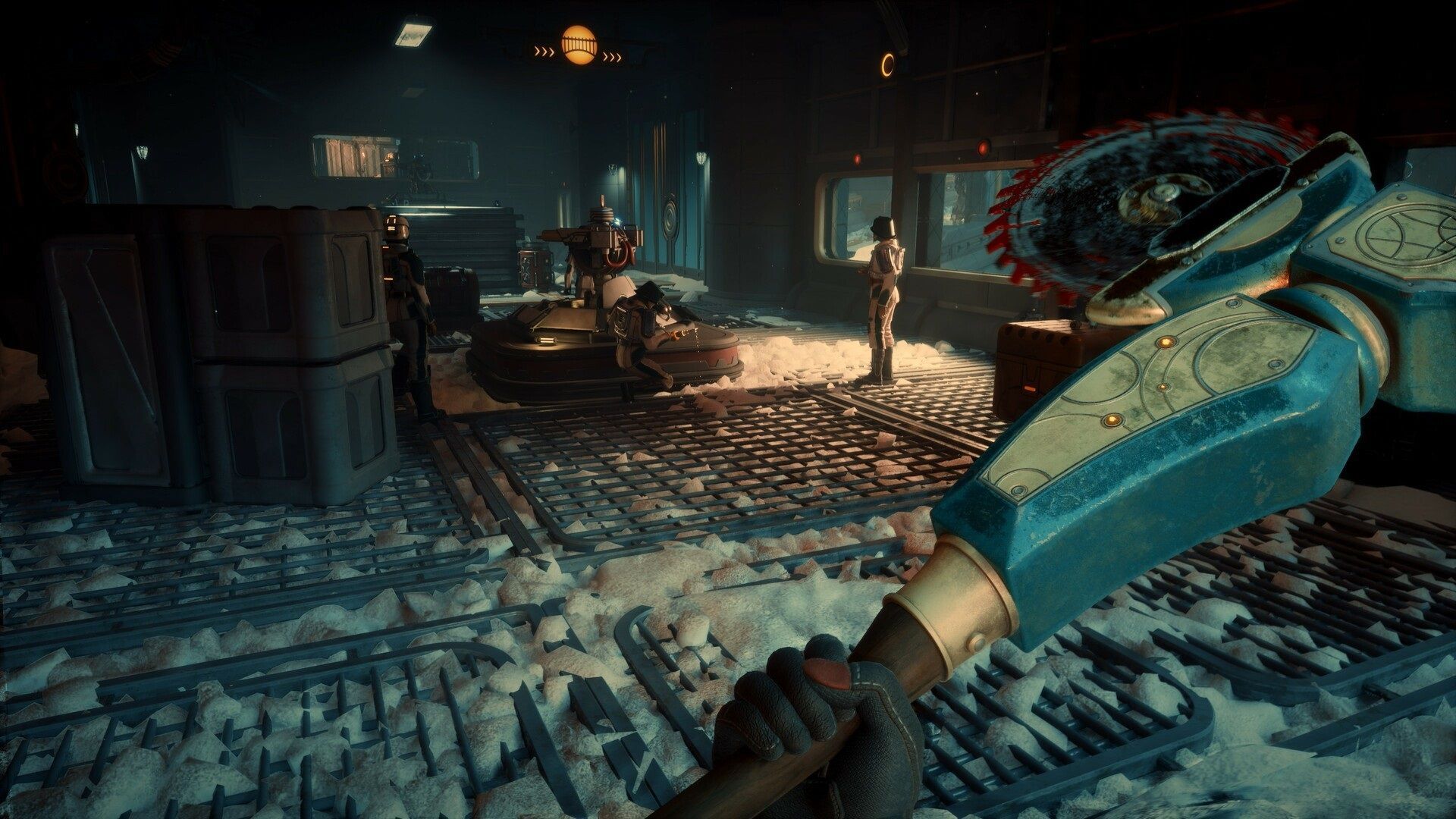
This game seems just as artificially limited as the original. The Outer Worlds 2, Xbox Game Studios, 2025.
However, it's important to remember that this issue may run much deeper than just the quest design - it could affect the very foundations of RPG systems, which were also criticized for their superficiality in the first part. Therefore, seeing in The Outer Worlds 2 demo a quest that reduces the choice to one click and ignores the potential that character skills could provide, I fear the worst. I'm worried that we'll end up with another game where our choices boil down to picking one of two predefined paths, instead of creatively using the systems the game should offer us. Although in such a short demo, I couldn't thoroughly test it.
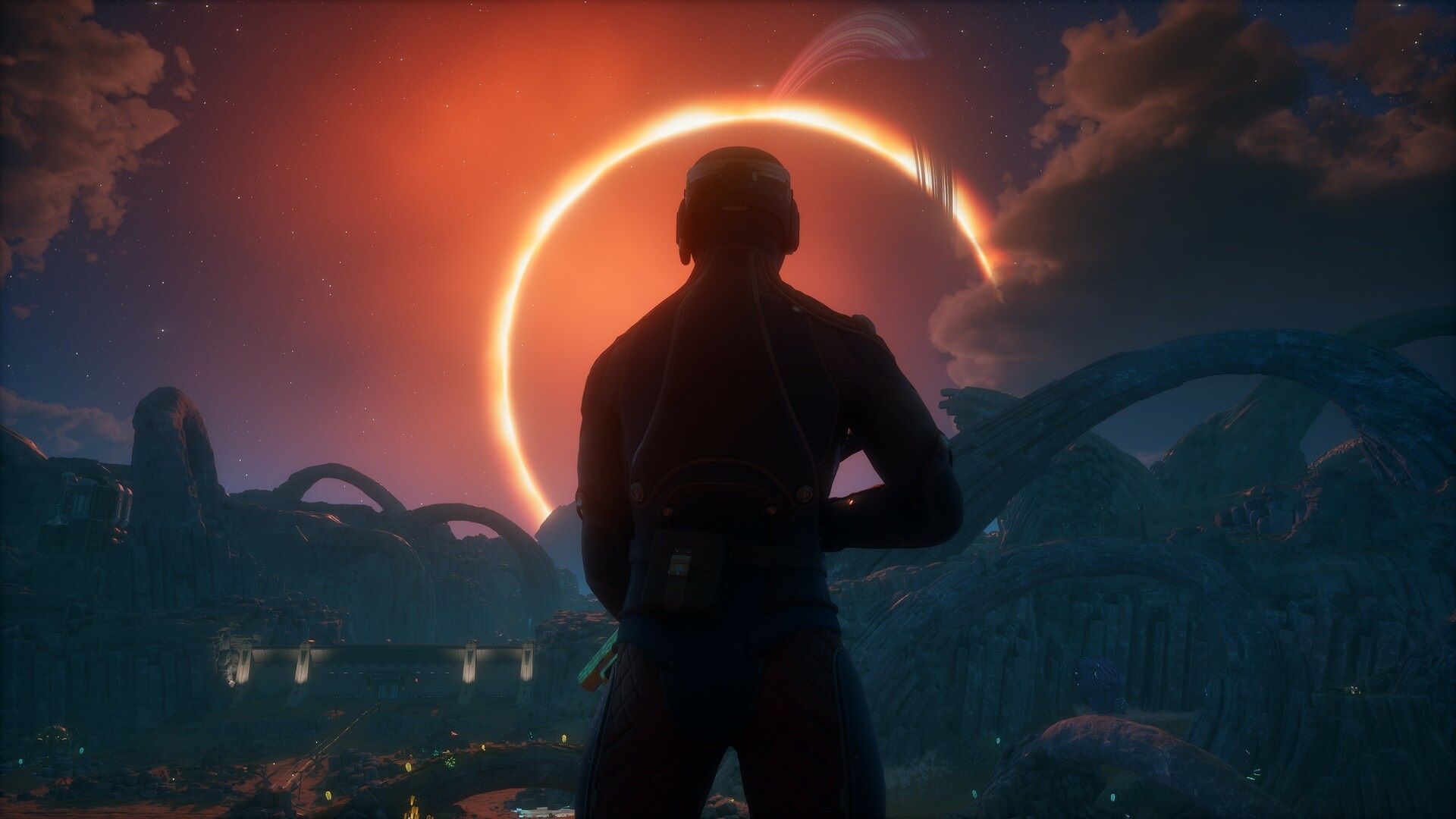
It's a pity that more ambitious changes weren't introduced. The Outer Worlds 2, Xbox Game Studios, 2025.
Summary
After just under 60 minutes with The Outer Worlds 2, I had one sentence in my head - it's simply more of the same. Even though the game is technically solid and consistent in its vision, it's an outdated and uninspired vision. Obsidian, instead of taking the opportunity to evolve and fix the original's mistakes, decided to take the easiest path.
As a result, we might get the impression that we are getting a title that will only satisfy fans of the first part. The rest of the players who were hoping for an engaging combat, a more nuanced tone, and real freedom of choice with real consequences will leave the screen feeling disappointed. Based on this demo, The Outer Worlds 2 seems to be shaping up as a competent game, but not particularly necessary. It's just a sequel for the sake of having a sequel, not to push the series or genre in any new direction. And this is probably its biggest problem.


1

Author: Paul Wozniak
Part of the editorial team since 2019, he started as a news writer and now works mostly on video content. Currently, he is mainly interested in RPG, soulslike and metroidvania games, but he has also devoted a large part of his gaming life to multiplayer. In games, he mainly values complex character development mechanics and freedom of action, and tries to look at the covered titles from different perspectives. He has also been running his YouTube channel since 2023.
Latest News
- The free version of the cult classic shmup Tyrian has been updated after 4 years
- A new Nod campaign has been added to The Dawn of the Tiberium Age, a freeware Command & Conquer RTS
- Fans have removed the time limit from The Blood of Dawnwalker
- Empire II: Total War now with two extra historical campaigns
- Someone has remastered Medieval 2: Total War and Rome: Total War so well that the AI's moves are now calculated in a matter of seconds [Updated]