Sega Holdings Co., Ltd. (stylized as SEGA) is a leading Japanese company known for producing and publishing video games for arcades, computers, consoles, and mobile platforms. Between 1983 and 2001, Sega stood among the world’s top console makers, creating classics like: Sega Genesis, Sega Saturn, and Dreamcast. In 2004, after merging with Sammy Corporation, the company became part of Sega-Sammy Holdings. Sega is headquartered in Tokyo’s Ota district and also operates regional offices in London (Sega Europe) and San Francisco (Sega of America). Haruki Satomi, grandson of Sammy Corporation founder Hajime Satomi, has served as the company’s president since 2015.
Sega started its game development in 1983 and still carries it forward today through internal teams known as Sega Studios and external studios acquired in the 21st century. Thanks to its long history and diverse studios, Sega has produced games for a wide range of genres and platforms. The games developed under Sega’s banner cover almost every genre imaginable, including strategy, sports, arcade, racing, fighting, RPG, action, adventure, and family titles, available on all major platforms of their time. Some of Sega’s best-known franchises include The House of the Dead, Sega Rally, Sonic, Virtua Fighter, Phantasy Star and Yakuza.
Over the years, Sega has frequently restructured its studios - creating new teams and transferring existing employees to different divisions. One of Sega’s unique traits is that its studios usually had only code names and weren’t widely recognized by their actual names. One exception was the Sonic Team - active under that name from 1991 to 2004 - best known for developing one of Sega’s most famous franchises.
After several unsuccessful console launches in the early 2000s, Sega shifted its focus from hardware to software, acquiring several major external studios over the next decade. These studios retained some independence but remain part of the Sega Group. These teams are now behind several of Sega’s biggest franchises, including Company of Heroes, Football Manager, Sonic, Total War and Warhammer 40,000: Dawn of War.
Almost from the beginning, Sega expanded its catalog by publishing games from external developers alongside its own creations. The company’s publishing portfolio includes both high-budget titles from major development studios and games from small independent developers, as well as localizations of Western titles for the Japanese market. The company’s publishing strategy covers a wide range of genres and platforms, including arcade machines, PC, home and portable consoles, and mobile devices. Over the years, numerous development studios from Japan and the West have worked with Sega as a publisher. The most prominent among them are:
The origins of Sega can be traced back to 1940, during World War II, when three American businessmen - Martin Bromley, Irving Bromberg, and James Humpert - established Standard Games in Honolulu, Hawaii. Its goal was to entertain American soldiers stationed nearby with coin-operated games and amusement machines. Following the war, they sold the thriving business and created a new distribution company known as Service Games. In 1951, after the U.S. government prohibited the use of coin-operated machines in its territories, Martin Bromley dispatched his associates to Japan. There, in 1952, they founded Service Games of Japan to supply such machines to U.S. military bases.
Around 1954, while stationed in Japan, U.S. Air Force officer David Rosen launched Rosen Enterprises Inc. in Tokyo, a company initially focused on importing art into Japan. However, the company’s success came from an entirely different sector - the import of instant photo booths to Japan. In May 1960, Service Games of Japan was shut down and replaced by two new firms, Nihon Goraku Bussan and Nihon Kikai Seizo, which carried on its operations. In 1965, Rosen Enterprises and Nihon Goraku Bussan merged to form Sega Enterprises - a name derived from Service Games. A year after the merger, the company launched Periscope, a submarine simulation game that became an international success. In 1969, Rosen sold Sega Enterprises to the American conglomerate Gulf & Western Industries but retained his position as president. Under his leadership, the company continued to expand rapidly. Five years later, Gulf & Western founded an American subsidiary, Sega Enterprises, Ltd., which was subsequently listed on the stock exchange.
From 1978 to 1983 - the golden era of arcade games - Sega solidified its position in the gaming market, with revenues reaching about $100 million in 1979 and $214 million in 1982. Notable Sega releases from this period include Frogger (1981), developed by Konami, and a number of titles produced internally in 1982: Zaxxon - the first video game to use isometric graphics, SubRoc-3D - the first commercial game with stereoscopic 3D, and Astron Belt - the first video game distributed on laserdiscs. During this period, Sega released several arcade hits, including Head On (1979), Monaco GP (1979), Carnival (1980), Turbo (1981), Space Fury (1981), Astro Blaster (1981) and Pengo (1982).
From 1982 to 1984, Sega adapted a number of its arcade games for home consoles produced by other companies, such as the Atari 2600, ColecoVision, and Atari’s 8-bit computers. After the 1983 video game crash, Sega’s revenue dropped to around $136 million, and executives began exploring alternative ways to generate income. This marked the debut of Sega’s first home console, the SG-1000. It sold well initially, but was quickly overtaken by the Nintendo NES, which dominated the market for years. The company’s situation was further complicated when it sold a portion of its shares to the prominent pinball manufacturer Bally Manufacturing. The company faced its first serious crisis under Rosen’s leadership, and he subsequently stepped down as president.
Shortly afterward, Rosen, Robert Deith, and Hayao Nakayama purchased Sega’s Japanese division for $38 million. Nakayama owned Esco Boueki (Esco Trading), which had been acquired by Sega in 1979. Nakayama was appointed president of Sega, with Rosen taking over leadership of the company’s American branch. CSK acquired the company in 1984, renaming it Sega Enterprises and establishing its base in Japan. By 1986, the company was publicly listed on the Japanese stock exchange. Leadership passed to Isao Okawa, a close friend of David Rosen. At the same time, Sega released another console, the Sega Master System (also known as the Sega Mark III). This console marked the debut of Alex Kidd, who became Sega’s official mascot until 1991. Despite being technically superior to the NES, the Sega Master System failed to gain a significant market share due to Nintendo’s aggressive marketing strategies.
In the mid-1980s Sega launched arcade titles like Hang-On and After Burner, featuring a hydraulic controller that served as a precursor to the Force Feedback system. Sega expanded its arcade offerings with the R-360, capable of full rotation, and the ever-popular "claw crane" machines, allowing players to fish toys out of a bin using a mechanical arm. In 1988, Sega launched the Sega Genesis console, known internationally as the Sega Mega Drive. At the same time, Sega of America CEO Michael Katz ran a marketing campaign aimed at Nintendo, featuring the slogan "Genesis does what Nintendon't". With the release of the SNES in 1991, the slogan was changed to "Welcome to the next level". That year, Tom Kalinske took over as head of Sega of America, becoming deeply involved in the "console war" with Nintendo.
In 1991, the inaugural Sonic game was released, establishing the blue hedgehog as Sega’s official mascot for years to come. Thanks to its new image, the company regained its position, holding up to 65 percent of the U.S. market. The Sega CD, which extended the console’s functionality, was a major success, allowing for much larger games. Released in 1992, Sonic the Hedgehog 2 became Sega’s biggest commercial success, selling over 6 million copies. Afterward, Sega of America set up several new divisions: Sega Technical Institute (1990), Sega Midwest Studio (1992), Sega Multimedia Studio (1993), and also acquired the Interactive Designs development studio (1992). Sega also ventured into the portable console market with the Game Gear (1990) and Sega Nomad (1995), but neither could rival Nintendo’s popular Game Boy.
In 1992, Sega released a new series of arcade games, including Virtua Fighter and Virtua Racing, marking the start of fully 3D arcade gaming. In 1994, Sega introduced the 32X, an add-on for the Mega Drive that enhanced the console to 32-bit capabilities. While the device debuted successfully, its limited game selection caused it to lose ground to the Sony PlayStation and Sega Saturn. Released in November 1994, the second console sold well in Japan but struggled in Western markets, resulting in its discontinuation in 1998. Despite the console’s struggles, the Sega Saturn saw the release of several iconic titles, including Sakura Wars, Panzer Dragoon, and ports of games such as The House of the Dead, Virtua Fighter 2, and Sega Rally Championship. In 1995, Sega established SegaSoft, a division dedicated to creating new brands for the Saturn console and PC.
In the mid-1990s, Sega departed from its family-friendly reputation, publishing titles with violent and sexual content. However, none of the games succeeded in the market. In December 1994, the popular American cable network Time Warner Cable introduced the Sega Channel, allowing subscribers to play Sega games on their TVs via a special adapter. Although it reached 250,000 subscribers, the channel was forced to shut down less than four years later because of technical problems. Sega released the Dreamcast in November 1998, its final console, featuring a built-in modem for online play and outperforming direct competitors like the PlayStation and Nintendo 64. The console released notable games such as ChuChu Rocket, Quake III Arena, Phantasy Star Online (the first MMORPG on a console), and Alien Front Online (the first console title with voice chat). The Japanese release of the Dreamcast was unsuccessful, largely because of a limited selection of launch titles and the upcoming release of the PlayStation 2.
After closing its development studios, including SegaSoft, the company invested in the American studio Visual Concepts and the French studio No Cliché, which was shut down in 2001. Thanks to aggressive marketing, the Dreamcast became a commercial hit in the U.S., holding the top spot until the PlayStation 2 launched. Titles including Jet Set Radio, Seaman, Samba de Amigo, and Shenmue - each notable for innovations such as cel-shading, voice interaction, rhythm-based gameplay, or open-world design - helped make the console successful. Despite its successes, the Dreamcast was discontinued in March 2001. According to Sega president Isao Okawa, the company would continue supporting the Dreamcast but focus primarily on games rather than hardware. To mark this change, Sega renamed itself from Sega Enterprises to Sega Corporation in November 2000.
In the early 2000s, Sega focused on third-party game publishing, releasing titles for the PlayStation 2 and Game Boy Advance. However, by May 2002, it was evident that Sega’s new strategy was not producing the desired outcomes, as the company reported its fifth straight year of losses. Facing rising debt, Isao Okawa donated $692 million of his own money to save the company before passing away in 2001. Sega held talks about a possible sale with companies including Microsoft Studios, Bandai Namco Entertainment, and Electronic Arts, though none of the discussions led to a deal. In April 2003, 22 percent of Sega’s shares were acquired by Sammy, one of the leading manufacturers of pachinko and pachislot machines, and the company’s former CEO, Hajime Satomi, assumed the role of Sega’s president. Sega shifted back to the arcade market, which was enjoying a comeback, to make up for losses in the home console and PC markets. One of Sega’s biggest achievements was the revised edition of Virtua Fighter 4, featuring online competition. In mid-2004, Sammy purchased a controlling stake in Sega, establishing Sega Sammy Holdings, where both firms continued to operate independently.
After regaining financial stability, Sega bought the GameWorks arcade chain in 2004 and sold it seven years later. In 2005, Sega sold Visual Concepts, one of its leading development studios, to Take 2 Interactive, and soon acquired the British studio Creative Assembly, famed for the Total War games. In the same year, Sega Racing Studios was launched by people who previously worked at Codemasters Software. One year later, Sega’s European division acquired the British studio Sports Interactive, famous for the Football Manager series, while the U.S. branch integrated Secret Level (later Sega Studio San Francisco) into its structures. In 2007, Sega partnered with Nintendo after obtaining an Olympic Committee license, producing numerous sports games, including Mario & Sonic at the Olympic Games, which sold upwards of 20 million copies on Nintendo consoles. Subsequent titles from the Yakuza and Project DIVA series were also highly successful.
In Japan, Sega concentrated on publishing games from small indie developers, localizing Western releases, and running its arcade business, which was more profitable than its console and PC divisions until 2014. In 2008, Sega brought back its Australian office and development studio, effectively making them subordinate to Sega of Europe. Sega also launched the PlaySEGA online service, where users could enjoy Flash versions of classic Sega Genesis games alongside original titles. The website didn’t last long, as it had only a small number of subscribers. That year also saw Sega entering the mobile gaming market, where Super Monkey Ball’s success on iOS led to the release of many mobile versions of its flagship games.
In 2009, Sega Republic, a theme park in Dubai, was opened by the company. In the restructuring process, both Sega Racing Studio (returned to Codemasters Software in 2008) and Sega Studio San Francisco (2010) were closed. As a consequence of several failed business initiatives, including restrictions on selling game bundles, Sega reduced its overseas branches in 2010–2012, leading to the shutdown of five offices in Europe and the Antipodes, among them Sega Studio Australia. As a result, Sega reduced its supported arcade machines from 450 (in 2005) to roughly 200 (in 2015), with a new strategy focusing on electronic distribution for PC and mobile games. In 2012, Sega set up Sega Networks to manage its mobile game operations and began absorbing studios active in the mobile segment. Among the newly acquired studios are Hardlight, Three Rings Design, and Demiurge Studios.
From 2012 to 2015, Sega ran its operations through two separate divisions: Sega Entertainment, overseeing entertainment, and Sega Interactive, focused on the arcade business. Both divisions joined Sega Holdings and operated as part of the Sega Sammy Group. After THQ went bankrupt in 2013, Relic Entertainment, famous for the Company of Heroes series, was acquired by the company. Around that period, after Index Corporation’s bankruptcy, Sega acquired its IP and made Atlus, the studio behind the Shin Megami Tensei and Persona JRPGs, a fully owned member of the group. The company also built strong working relationships with external teams like Bizarre Creations, Backbone Entertainment, Monolith Productions, Sumo Digital, Kuju Entertainment, Obsidian Entertainment, and Gearbox Software. Also in 2013, Sega and BBC Earth opened the first fully interactive natural history museum in Yokohama, Japan.
Haruki Satomi, grandson of Hajime Satomi, was elected president of Sega Games Co. Ltd. in April 2015. That same year, Sega of America moved its headquarters from San Francisco to the former Atlus USA offices in Irvine, California. In September 2016, it was announced that the company had acquired the intellectual property of Technosoft, a celebrated Japanese studio that closed in 2001 and was temporarily active from 2006 to 2008. In April 2017, Sega Sammy Holdings revealed that its main divisions, including the management board and companies like Sammy Corporation, Sega Holdings, Sega Games, Atlus, Sammy Networks, and Dartslive, would move from central Tokyo to Shinagawa. Since 2017, under the guidance of Hajime Satomi, Sega has worked to strengthen its core brands on PC, consoles, and mobile platforms.
Looking for new opportunities, the company produced Sonic the Hedgehog, a film that was both a critical and commercial success. In May 2019, Sega acquired Two Point Studios, the developer behind the highly praised strategy game Two Point Hospital. Demiurge Studio left the company in April 2020, with one of its founders - Albert Reed - taking ownership.
The COVID-19 pandemic in 2020 forced the company to spend a large part of its previously generated profits trying to sustain Sega Entertainment’s arcade division. By January 2022, Genda acquired all shares previously held by Sega Sammy. Luckily for Sega, numerous titles bearing its logo were well received by players and reviewers alike, giving the company reason to be optimistic about the future and continue developing. Sega revealed in 2023 that it would purchase Finnish Rovio Entertainment for $776 million.
Returning to Sega’s search for new avenues of development, the Japanese publisher decided to enter the multiplayer FPS market and tasked Creative Assembly with creating a representative title in this genre. The game Hyenas was revealed in June 2022, with plans for PC and console releases. Things didn’t go according to plan for Sega’s management; the game’s announcement let down players who were expecting the next Alien: Isolation from Creative Assembly.
Given that all signs pointed to the project’s failure, and achieving the $900 million revenue target was practically impossible, the project was officially canceled in October 2023. Interestingly, soon after, unofficial reports indicated that Hyenas would become Sega’s most expensive game ever.
As it turned out, this was part of a large-scale restructuring. Back in May 2023, Relic Entertainment laid off 120 employees. The publisher revealed in December 2023 that it planned a grand return for a number of its brands that players had largely forgotten.
In January 2024, Jurgen Post became COO of Sega’s Western studios and Managing Director at Sega Europe. In addition, Shuji Utsumi took on the positions of President, Chief Operating Officer, and General Manager for Sega’s European and American operations. Also in that month, 61 employees from the Irvine, California office had to leave their positions.
The studio Relic Entertainment separated from Sega in March, achieving independence with the backing of an outside investor. The company also underwent a round of layoffs, with 240 people losing their jobs - most from Creative Assembly and the rest from Sega Europe and Sega Hardlight.
Fans of Sega had to wait until September and October 2024 for some brighter news. The months brought news of the games Two Point Museum, Like a Dragon: Pirate Yakuza in Hawaii, and the long-awaited Alien: Isolation sequel. On October 11, the JRPG Metaphor: ReFantazio hit the market, achieving impressive critical success with an average Metacritic rating of 92–93/100. It was also announced simultaneously that Sega had joined forces with Universal Pictures to produce a Shinobi film, directed by Sam Hargrave.
While Sega is best known for publishing video games and running arcade networks, at its height it was also a top global producer of home game consoles. Between 1983 and 2005, the company launched a total of 11 console models and their peripherals, many of which have since become legendary, even though they are no longer sold. Across its history, Sega has introduced gamers to the following devices:
List of all games in development by Sega.
Crazy Taxi: World Tour - 2027 - PC, PS5, XSX, NS2
List of all released games developed by Sega.
SEGA Football Club Champions - January 22, 2026 - PC, PS4, PS5, AND, iOS
Sonic Rumble - November 5, 2025 - PC, iOS, AND
Shinobi: Art of Vengeance - August 29, 2025 - PS4, PS5, XSX, XONE, Switch, PC, NS2
Sonic Superstars - October 17, 2023 - PC, PS4, XONE, Switch, PS5, XSX
The Murder of Sonic the Hedgehog - March 31, 2023 - PC
Sonic Origins - June 23, 2022 - PC, PS5, XSX, PS4, XONE, Switch
Olympic Games Tokyo 2020 - June 22, 2021 - PC, PS4, XONE, Switch
Hatsune Miku: Project DIVA Mega Mix+ - May 15, 2020 - Switch, PC
Sonic at the Olympic Games: Tokyo 2020 - May 7, 2020 - AND, iOS
Sakura Wars - April 28, 2020 - PS4
Mario & Sonic at the Olympic Games Tokyo 2020 - November 5, 2019 - Switch
Super Monkey Ball: Banana Blitz HD - October 29, 2019 - PC, PS4, XONE, Switch
One Piece: Bounty Rush - January 31, 2019 - PC
Yakuza Online - November 21, 2018 - AND, iOS, PC
Valkyria Chronicles 4 - September 25, 2018 - PS4, XONE, Switch, PC
Shin Megami Tensei: Liberation Dx2 - July 24, 2018 - AND, iOS
Sega Mega Drive Classics - May 29, 2018 - Switch, PC, PS4, XONE
Phantasy Star Online 2: Cloud - April 4, 2018 - Switch
Hatsune Miku: Project DIVA Future Tone DX - November 22, 2017 - PS4
Yakuza Kiwami - August 29, 2017 - PC
Crazy Taxi Gazillionaire - January 5, 2017 - AND, iOS
Hatsune Miku: VR Future Live - October 13, 2016 - PS4
Hatsune Miku: Project DIVA Future Tone - June 23, 2016 - PS4
Valkyria Chronicles Remastered - May 17, 2016 - PS4, Switch
Hatsune Miku: Project DIVA X - March 24, 2016 - PSV, PS4
7th Dragon III Code: VFD - October 15, 2015 - 3DS
Sonic Dash 2: Sonic Boom - October 8, 2015 - iOS, AND
Yakuza 0 - March 12, 2015 - PC
Sonic Runners - January 28, 2015 - iOS, AND
Hatsune Miku: Project DIVA F 2nd - March 24, 2014 - PS3, PSV
Yakuza: Restoration - February 22, 2014 - PS3, PS4
Hatsune Miku: Project Mirai DX - November 28, 2013 - 3DS
Castle of Illusion HD - September 3, 2013 - PC, PS3, X360, iOS, WP, AND
Sonic the Fighters - November 28, 2012 - X360, PS3
Yakuza 1&2 HD Edition - November 1, 2012 - WiiU, PS3
Super Monkey Ball - October 23, 2012 - PSV
Kingdom Conquest II - October 20, 2012 - AND, iOS
Jet Set Radio HD - September 18, 2012 - PSV, PS3, PC, X360
Hatsune Miku: Project DIVA F - August 30, 2012 - PSV, PS3
London 2012: The Official Video Game of the Olympic Games - June 26, 2012 - PC, X360, PS3
Virtua Fighter 5: Final Showdown - June 5, 2012 - PS3, X360
Samurai & Dragons - May 24, 2012 - PSV
Yakuza Black Panther 2 - March 22, 2012 - PSP
Binary Domain - February 24, 2012 - PS3, X360
Rhythm Thief & the Emperor's Treasure - January 19, 2012 - 3DS
Crush3D - January 10, 2012 - 3DS
Sonic CD - December 14, 2011 - PC, X360, PS3
Mario & Sonic at the London 2012 Olympic Games - November 15, 2011 - 3DS, Wii
Rise of Nightmares - September 6, 2011 - X360
Sega Rally Online Arcade - May 18, 2011 - X360, PS3
Thor: God of Thunder - April 29, 2011 - Wii, 3DS, NDS
Virtua Tennis 4 - April 29, 2011 - PSV, PC, PS3, X360, Wii
Space Channel 5 Part 2 - March 4, 2011 - PC
Super Monkey Ball 3D - March 3, 2011 - 3DS
Sega Dreamcast Collection - February 22, 2011 - PC, X360
Valkyria Chronicles 3: Unrecorded Chronicles - January 27, 2011 - PSP
Sonic the Hedgehog 4 - October 11, 2010 - Wii, PS3, X360, PC
Iron Man 2 - April 30, 2010 - PS3, X360, NDS
After Burner Climax - April 21, 2010 - PS3, X360
Valkyria Chronicles II - January 21, 2010 - PSP
Jambo! Safari: Animal Rescue - November 6, 2009 - Wii, NDS
Mario & Sonic at the Olympic Winter Games - October 13, 2009 - Wii, NDS
Wacky World of Sports - September 18, 2009 - Wii
Sonic and Knuckles - September 9, 2009 - X360
Virtual-On: Oratorio Tangram - April 29, 2009 - X360
Sega Mega Drive Ultimate Collection - February 10, 2009 - PS3, X360
Sonic Chaos - February 2, 2009 - Wii
Valkyria Chronicles - October 31, 2008 - PS3, PC
Sands of Destruction - September 26, 2008 - NDS
Yakuza 2 - September 9, 2008 - PS2
Dinosaur King - September 5, 2008 - NDS
PictoImage - August 26, 2008 - NDS
Initial D: Extreme Stage - July 3, 2008 - PS3
Bleach: The 3rd Phantom - June 26, 2008 - NDS
Iron Man (2008) - May 2, 2008 - PS3, X360, Wii, NDS, PC, PS2, PSP
The House of the Dead 2 & 3 Return - March 28, 2008 - Wii
Sega Bass Fishing - February 27, 2008 - PC, PS3, X360
Brain Assist - February 26, 2008 - NDS
NiGHTS: Journey of Dreams - December 18, 2007 - Wii
Ghost Squad - November 20, 2007 - Wii
Mario & Sonic at the Olympic Games - November 6, 2007 - Wii, NDS
Bleach: Shattered Blade - October 9, 2007 - Wii
Sega Rally Revo - September 28, 2007 - PC, PS3, X360
Sonic Rush Adventure - September 14, 2007 - NDS
Sonic the Hedgehog 2 - September 12, 2007 - PC
Sonic the Hedgehog (1991) - July 11, 2007 - AND, Switch, iOS, PC
Touch Darts - June 15, 2007 - NDS
ToeJam & Earl in Panic on Funkotron - May 31, 2007 - PC, Wii, X360, PS3
Virtua Tennis 3 - March 20, 2007 - PC, PS3, X360
Mind Quiz: Your Brain Coach - March 13, 2007 - NDS
Virtua Fighter 5 (2007) - February 20, 2007 - X360, PS3
Shining Force EXA - January 18, 2007 - PS2
ToeJam & Earl - December 22, 2006 - PS3, PC, X360, Wii
Super Monkey Ball: Banana Blitz - November 19, 2006 - Wii, PSV
Sonic the Hedgehog - November 14, 2006 - PS3, X360
Sonic the Hedgehog Genesis - November 14, 2006 - GBA
Sega Golf Club - November 11, 2006 - PS3
Sega Genesis Collection - November 7, 2006 - PS2, PSP
Mind Quiz - October 31, 2006 - PSP
Phantasy Star Universe - October 24, 2006 - PS2, PC, X360
Yakuza - September 5, 2006 - PS2
Virtua Pro Football - September 1, 2006 - PS2
Let's Make A Soccer Team! - August 25, 2006 - PS2
Super Monkey Ball Adventure - June 30, 2006 - PS2, PSP, GCN
Initial D: Street Stage - February 23, 2006 - PSP
Super Monkey Ball Touch & Roll - February 17, 2006 - NDS
Sega Rally 2006 - January 12, 2006 - PS2
Shadow the Hedgehog - November 15, 2005 - PS2, XBOX, GCN
Shining Force Neo - October 20, 2005 - PS2
Virtua Cop: Elite Edition - August 26, 2005 - PS2
Sonic Gems Collection - August 16, 2005 - PS2, GCN
Phantasy Star Online: Blue Burst - June 13, 2005 - PC
Sega Classics Collection - March 22, 2005 - PS2
Super Monkey Ball Deluxe - March 15, 2005 - PS2, XBOX
Virtua Quest - January 18, 2005 - PS2, GCN
Blood Will Tell - September 21, 2004 - PS2
Puyo Pop Fever - February 27, 2004 - NDS
Sonic Battle - January 5, 2004 - GBA
Space Channel 5 Special Edition - November 18, 2003 - PS2
Virtua Fighter 4: Evolution - June 20, 2003 - PS2
Aero Elite: Combat Academy - March 11, 2003 - PS2
World Series Baseball 2K3 - March 10, 2003 - XBOX, PS2
Panzer Dragoon Orta - January 12, 2003 - XBOX
The Revenge of Shinobi - November 13, 2002 - iOS, AND
Shenmue II - October 28, 2002 - XBOX
The House of the Dead III - October 24, 2002 - PS3, PC
Ferrari F355 Challenge - September 24, 2002 - PS2
Crazy Taxi 3: High Roller - July 24, 2002 - XBOX
World Series Baseball 2K2 - May 19, 2002 - XBOX
Baseball Advance - March 20, 2002 - GBA
Gunvalkyrie - March 18, 2002 - XBOX
Virtua Fighter 4 - March 17, 2002 - PS2
Jet Set Radio Future - February 25, 2002 - XBOX
Columns Crown - December 7, 2001 - GBA
The House of the Dead 2 - June 1, 2001 - PC
Crazy Taxi - May 14, 2001 - PS3, X360
Sega GT - May 3, 2001 - PC
The Typing of the Dead - December 3, 2000 - PC
Sega Rally Championship 2 - October 11, 2000 - PC
10six - February 15, 2000 - PC
The House of the Dead - September 3, 1998 - PC
Last Bronx - February 15, 1998 - PC
Sega Touring Car Championship - January 31, 1998 - PC
Manx TT Super Bike - September 1, 1997 - PC
Sega Rally Championship - June 15, 1997 - PC, GBA
Virtua Cop 2 - June 15, 1997 - PC
Sega Worldwide Soccer - March 15, 1997 - PC
Virtua Fighter - August 31, 1996 - PC
Panzer Dragoon (1996) - June 15, 1996 - PC
Daytona USA - June 6, 1996 - PC, X360, PS3
Golden Axe - September 20, 1990 - PC, iOS, AND
Turbo OutRun - May 3, 1990 - PC
Congo Bongo - April 12, 1984 - PC
Shenmue Online - cancelled - PC
The Pinball of the Dead - cancelled - GBA
List of all upcoming games that will be published by Sega.
Total War: Shogun 2 - Complete Edition - October 13, 2026 - PC
Football Manager 27 - November 10, 2026 - PC
Stranger Than Heaven - January 15, 2027 - PC, PS5, XSX
Crazy Taxi: World Tour - 2027 - PS5, XSX, NS2, PC
Virtua Fighter: Crossroads - 2027 - PC
Alien: Isolation 2 - TBA - PC, PS5, XSX, NS2
Total War: Medieval 3 - TBA - PC
Persona 6 - TBA - PC, PS5, XSX, NS2
Total War: Warhammer 40,000 - TBA - PC, PS5, XSX
List of all released games published by Sega.
Two Point Museum: Rides & Relics - October 8, 2026 - PC, PS5, XSX, NS2
Total War: Warhammer III - Lords of the End Times - September 24, 2026 - PC
Two Point Museum: Arty-Facts - May 7, 2026 - PC
Yakuza Kiwami 3 & Dark Ties - February 11, 2026 - PC, PS5, XSX, NS2, PS4
SEGA Football Club Champions - January 22, 2026 - PC, PS4, PS5, AND, iOS
Total War: Warhammer III - Tides of Torment - December 4, 2025 - PC
Two Point Museum: Zooseum - December 2, 2025 - PC, PS5, XSX, NS2
Sonic Rumble - November 5, 2025 - PC, iOS, AND
Football Manager 26 - November 4, 2025 - PC
Football Manager 26 Console - November 4, 2025 - PS5, XSX
Football Manager 26 Mobile - November 4, 2025 - AND, iOS
Football Manager 26 Touch - November 4, 2025 - Switch, iOS
Sonic Racing: CrossWorlds - September 25, 2025 - PS4, PS5, XONE, XSX, Switch, PC, NS2
Shinobi: Art of Vengeance - August 29, 2025 - NS2, PS4, PS5, XSX, XONE, Switch, PC
Demon Slayer: Kimetsu no Yaiba - The Hinokami Chronicles 2 - August 5, 2025 - PC, PS4, PS5, XONE, XSX, Switch
Two Point Museum: Fantasy Finds - July 17, 2025 - PC, PS5, XSX, NS2
Persona 5: The Phantom X - June 26, 2025 - PC, AND, iOS
Raidou Remastered: The Mystery of the Soulless Army - June 19, 2025 - PC, PS4, PS5, XONE, XSX, Switch
Warhammer 40,000: Space Marine - Master Crafted Edition - June 10, 2025 - PC, XSX
Yakuza 0: Director's Cut - June 5, 2025 - PC, PS5, XSX, NS2
Two Point Museum - March 4, 2025 - PC, PS5, XSX, NS2
Like a Dragon: Pirate Yakuza in Hawaii - February 20, 2025 - PC, PS5, PS4, XSX, XONE
Total War: Warhammer III - Omens of Destruction - December 12, 2024 - PC
Sonic X Shadow Generations - October 25, 2024 - PC, PS4, PS5, XONE, XSX, Switch, NS2
Metaphor: ReFantazio - October 11, 2024 - PC, XSX, PS4, PS5, NS2
Super Monkey Ball: Banana Rumble - June 25, 2024 - Switch
Shin Megami Tensei V: Vengeance - June 14, 2024 - PC, PS4, PS5, XONE, XSX, Switch
Total War: Warhammer III - Thrones of Decay - April 30, 2024 - PC
Like a Dragon: Infinite Wealth - January 25, 2024 - PC, PS5, XSX, PS4, XONE
Sonic Dream Team - December 5, 2023 - iOS
Persona 5 Tactica - November 17, 2023 - PC, Switch, XSX, PS5, PS4, XONE
Like a Dragon Gaiden: The Man Who Erased His Name - November 8, 2023 - PC, PS4, XONE, PS5, XSX
Football Manager 2024 - November 6, 2023 - PC
Football Manager 2024 Console - November 6, 2023 - PC, XONE, XSX, PS5
Football Manager 2024 Mobile - November 6, 2023 - AND, iOS
Football Manager 2024 Touch - November 6, 2023 - Switch, iOS
Endless Dungeon - October 19, 2023 - PC, PS4, PS5, XONE, XSX, Switch
Sonic Superstars - October 17, 2023 - PC, PS4, XONE, Switch, PS5, XSX
Company of Heroes Collection - October 12, 2023 - Switch
Total War: Pharaoh - October 11, 2023 - PC
Etrian Odyssey Origins Collection - June 1, 2023 - PC, Switch
Total War: Warhammer III - Forge of the Chaos Dwarfs - April 13, 2023 - PC
The Murder of Sonic the Hedgehog - March 31, 2023 - PC
Company of Heroes 3 - February 23, 2023 - PS5, XSX, PC
Like a Dragon: Ishin - February 21, 2023 - PC, PS4, XONE, PS5, XSX
Humankind: Together We Rule - November 9, 2022 - PC
Football Manager 2023 - November 8, 2022 - PC
Football Manager 2023 Console - November 8, 2022 - PS5, XONE, XSX, PC
Football Manager 2023 Mobile - November 8, 2022 - iOS, AND
Football Manager 2023 Touch - November 8, 2022 - iOS, Switch
Sonic Frontiers - November 8, 2022 - PC, PS4, XONE, Switch, PS5, XSX, NS2
Soul Hackers 2 - August 26, 2022 - PS5, XSX, PS4, XONE, PC
Two Point Campus - August 9, 2022 - PC, XONE, XSX, PS5, PS4, Switch
Sonic Origins - June 23, 2022 - PC, PS5, XSX, PS4, XONE, Switch
Total War: Warhammer III - February 17, 2022 - PC
Shin Megami Tensei V - November 12, 2021 - Switch
Football Manager 2022 - November 9, 2021 - PC, XONE, XSX
Football Manager Mobile 2022 - November 9, 2021 - AND, iOS
Football Manager Touch 2022 - November 9, 2021 - Switch
Demon Slayer: Kimetsu no Yaiba - The Hinokami Chronicles - October 15, 2021 - PC, PS4, XONE, PS5, XSX
Super Monkey Ball: Banana Mania - October 5, 2021 - PC, PS4, PS5, XONE, XSX, Switch
Lost Judgment - September 24, 2021 - PC, PS4, XONE, PS5, XSX
Sonic Colours Ultimate - September 7, 2021 - PC, PS4, XONE, Switch
Total War Saga: Troy - Mythos - September 2, 2021 - PC
Humankind - August 17, 2021 - PC, PS4, PS5, XONE, XSX
Olympic Games Tokyo 2020 - June 22, 2021 - PC, PS4, XONE, Switch
Virtua Fighter 5 R.E.V.O. / Ultimate Showdown - June 1, 2021 - PS4, PS5, XSX, NS2, PC
Shin Megami Tensei III: Nocturne HD Remaster - May 25, 2021 - Switch, PS4, PC
Total War: Rome Remastered - April 29, 2021 - PC
Total War: Three Kingdoms - Fates Divided - March 11, 2021 - PC
Puyo Puyo Tetris 2 - December 8, 2020 - PS4, XONE, Switch, PS5, XSX, PC, NS2
Football Manager Touch 2021 - December 1, 2020 - Switch, AND, iOS, PC
Football Manager 2021 - November 24, 2020 - PC, XONE, XSX
Football Manager Mobile 2021 - November 24, 2020 - AND, iOS
Yakuza: Like a Dragon - November 10, 2020 - PS4, PS5, PC, XSX, XONE
Total War: Three Kingdoms - The Furious Wild - September 3, 2020 - PC
Total War Saga: Troy - August 13, 2020 - PC
Hatsune Miku: Project DIVA Mega Mix+ - May 15, 2020 - PC, Switch
Sonic at the Olympic Games: Tokyo 2020 - May 7, 2020 - AND, iOS
Sakura Wars - April 28, 2020 - PS4
Persona 5 Royal - March 31, 2020 - PS4, PS5, XSX, XONE, PC, Switch
Total War: Three Kingdoms - A World Betrayed - March 19, 2020 - PC
Yakuza 5 Remastered - February 11, 2020 - PS4, PC, XONE
Total War: Three Kingdoms - Mandate of Heaven - January 16, 2020 - PC
Football Manager 2020 - November 19, 2019 - PC
Football Manager Mobile 2020 - November 19, 2019 - AND, iOS
Football Manager Touch 2020 - November 19, 2019 - PC, Switch, AND, iOS
Mario & Sonic at the Olympic Games Tokyo 2020 - November 5, 2019 - Switch
Super Monkey Ball: Banana Blitz HD - October 29, 2019 - PS4, XONE, Switch, PC
Yakuza 4 Remastered - October 29, 2019 - PC, XONE, PS4
Endless Space 2: Awakening - September 12, 2019 - PC
The Yakuza Remastered Collection - August 20, 2019 - XONE, PC, PS4
Yakuza 3 Remastered - August 20, 2019 - PS4, PC, XONE
Total War: Three Kingdoms - Eight Princes - August 8, 2019 - PC
SolSeraph - July 10, 2019 - PC, XONE, Switch, PS4
Judgment - June 25, 2019 - PS4, PS5, XSX, PC
Citizens of Space - June 18, 2019 - PC, PS4, XONE, Switch
Total War: Three Kingdoms - May 23, 2019 - PC
Team Sonic Racing - May 21, 2019 - PS4, XONE, Switch, PC
Puyo Puyo Champions - May 7, 2019 - PC, Switch, PS4, XONE
Catherine: Full Body - February 14, 2019 - Switch, PS4, PSV
Endless Legend: Symbiosis - January 24, 2019 - PC
Endless Space 2: Penumbra - January 24, 2019 - PC
Persona 3: Dancing in Moonlight - December 4, 2018 - PSV, PS4
Persona 5: Dancing in Starlight - December 4, 2018 - PSV, PS4
Yakuza Online - November 21, 2018 - AND, iOS, PC
Total War: Warhammer II - Curse of the Vampire Coast - November 8, 2018 - PC
Football Manager 2019 - November 2, 2018 - PC
Football Manager Mobile 2019 - November 2, 2018 - AND, iOS
Football Manager Touch 2019 - November 2, 2018 - PC, AND, iOS, Switch
Resonance of Fate 4K / HD Edition - October 17, 2018 - PC, PS4
Fist of the North Star: Lost Paradise - October 2, 2018 - PS4
Valkyria Chronicles 4 - September 25, 2018 - PS4, XONE, Switch, PC
Two Point Hospital - August 30, 2018 - PC, PS4, XONE, Switch, PS5, XSX, NS2
Yakuza Kiwami 2 - August 28, 2018 - PC, PS4, XONE, PS5, XSX, NS2
Shenmue I & II - August 21, 2018 - PC, PS4, XONE
Total War: Rome II - Rise of the Republic - August 9, 2018 - PC
Shin Megami Tensei: Liberation Dx2 - July 24, 2018 - AND, iOS
Shining Resonance Refrain - July 10, 2018 - PS4, XONE, PC, Switch
Sega Mega Drive Classics - May 29, 2018 - PC, PS4, XONE, Switch
Total War Saga: Thrones of Britannia - May 3, 2018 - PC
Yakuza 6: The Song of Life - April 17, 2018 - PS4, PC, XONE
Phantasy Star Online 2: Cloud - April 4, 2018 - Switch
Total War: Arena - February 22, 2018 - PC
Endless Space 2: Vaulters - January 25, 2018 - PC
Total War: Warhammer II - Rise of the Tomb Kings - January 23, 2018 - PC
Total War: Rome II - Empire Divided - November 30, 2017 - PC
Hatsune Miku: Project DIVA Future Tone DX - November 22, 2017 - PS4
Football Manager 2018 - November 10, 2017 - PC
Football Manager Mobile 2018 - November 10, 2017 - AND, iOS
Football Manager Touch 2018 - November 10, 2017 - PC, AND, iOS, Switch
Sonic Forces - November 7, 2017 - PC, XONE, PS4, Switch
Sonic Forces: Speed Battle - November 2, 2017 - iOS, AND
Total War: Warhammer II - Mortal Empires - October 26, 2017 - PC
Total War: Warhammer II - September 28, 2017 - PC
Yakuza Kiwami - August 29, 2017 - PS4, PC, XONE, PS5, XSX, NS2, Switch
Rock of Ages II: Bigger and Boulder - August 28, 2017 - Switch
Sonic Mania - August 15, 2017 - PC, PS4, XONE, Switch
Endless Space 2 - May 19, 2017 - PC
Warhammer 40,000: Dawn of War III - April 27, 2017 - PC
Valkyria Revolution - January 19, 2017 - PSV, XONE, PS4
Crazy Taxi Gazillionaire - January 5, 2017 - AND, iOS
Total War: Warhammer - Realm of The Wood Elves - December 8, 2016 - PC
Football Manager Mobile 2017 - November 17, 2016 - iOS, AND
Football Manager 2017 - November 4, 2016 - PC
Football Manager Touch 2017 - November 4, 2016 - PC, iOS, AND
Endless Legend: Tempest - October 14, 2016 - PC
Hatsune Miku: VR Future Live - October 13, 2016 - PS4
Wonder Boy Returns - October 13, 2016 - PC, PS4, Switch
Sonic Boom: Fire & Ice - September 27, 2016 - 3DS
Total War: Warhammer - Call of the Beastmen - July 28, 2016 - PC
Hatsune Miku: Project DIVA Future Tone - June 23, 2016 - PS4
Total War: Warhammer - May 24, 2016 - PC
Valkyria Chronicles Remastered - May 17, 2016 - PS4, Switch
Hatsune Miku: Project DIVA X - March 24, 2016 - PS4, PSV
Total War Battles: Kingdom - March 24, 2016 - PC, iOS, AND
Sega 3D Classics Collection - December 23, 2015 - 3DS
Total War: Attila - Age of Charlemagne - December 10, 2015 - PC
Eastside Hockey Manager - December 1, 2015 - PC
Football Manager Touch 2016 - November 26, 2015 - PC, AND, iOS
Football Manager Mobile 2016 - November 18, 2015 - iOS, AND
Stella Glow - November 17, 2015 - 3DS
Football Manager 2016 - November 13, 2015 - PC
7th Dragon III Code: VFD - October 15, 2015 - 3DS
Sonic Dash 2: Sonic Boom - October 8, 2015 - AND, iOS
Company of Heroes 2: The British Forces - September 3, 2015 - PC
3D Gunstar Heroes - August 20, 2015 - 3DS
Tembo the Badass Elephant - July 21, 2015 - PC, PS4, XONE
Heroki - July 2, 2015 - iOS
Total War: Attila - The Last Roman - June 25, 2015 - PC
Football Manager Classic 2015 - April 9, 2015 - iOS, AND
Yakuza 0 - March 12, 2015 - PS3, PS4, PC, XONE
Alien: Isolation - The Trigger - March 3, 2015 - PC, XONE, PS4, X360, PS3
Total War: Attila - February 17, 2015 - PC
Alien: Isolation - Lost Contact - February 10, 2015 - PC, X360, XONE, PS3, PS4
Sonic Runners - January 28, 2015 - iOS, AND
Alien: Isolation - Safe Haven - January 13, 2015 - PC, XONE, X360, PS4, PS3
Total War: Rome II - Wrath of Sparta - December 16, 2014 - PC
Alien: Isolation - Trauma - December 1, 2014 - PC, X360, PS3, XONE, PS4
Football Manager Handheld 2015 - November 19, 2014 - iOS, AND
Company of Heroes 2: Ardennes Assault - November 18, 2014 - PC
Dengeki Bunko: Fighting Climax - November 13, 2014 - PS3, PSV
Sonic Boom: Shattered Crystal - November 11, 2014 - WiiU, 3DS
Football Manager 2015 - November 7, 2014 - PC
Alien: Isolation - Corporate Lockdown - October 28, 2014 - PC, X360, PS3, XONE, PS4
Dungeon of The Endless - October 27, 2014 - Switch, PS4
Alien: Isolation - October 7, 2014 - PC, X360, PS3, XONE, PS4, AND, iOS, Switch
Motorsport Manager - August 21, 2014 - PC
Crazy Taxi: City Rush - July 31, 2014 - iOS, AND
Company of Heroes 2: The Western Front Armies - June 24, 2014 - PC
Football Manager Classic 2014 - April 11, 2014 - PSV
Total War: Rome II - Hannibal at the Gates - March 27, 2014 - PC
Hatsune Miku: Project DIVA F 2nd - March 24, 2014 - PS3, PSV
Yakuza: Restoration - February 22, 2014 - PS3, PS4
Puyo Puyo Tetris - February 4, 2014 - Switch, PS4, 3DS, PS3, WiiU, PSV, XONE, PC
Total War: Rome II - Caesar in Gaul - December 17, 2013 - PC
Hatsune Miku: Project Mirai DX - November 28, 2013 - 3DS
Football Manager 2014 - October 31, 2013 - PC
The Typing of The Dead: Overkill - October 29, 2013 - PC
Sonic Lost World - October 18, 2013 - WiiU, 3DS, PC
Castle of Illusion HD - September 3, 2013 - PC, PS3, X360
Total War: Rome II - September 3, 2013 - PC
Company of Heroes 2 - June 25, 2013 - PC
Godsrule: War of Mortals - April 22, 2013 - PC
Sonic Dash - March 7, 2013 - iOS, AND, WP, PC
Phantasy Star Online 2 - February 28, 2013 - PC, PSV, PS4, XONE
Aliens: Colonial Marines - February 12, 2013 - PS3, X360, PC, WiiU
The Cave - January 22, 2013 - PC, X360, PS3, WiiU, iOS
Anarchy Reigns - January 8, 2013 - X360, PS3
Yakuza 5 - December 6, 2012 - PS3
Sonic the Fighters - November 28, 2012 - X360, PS3
Sonic & All-Stars Racing Transformed - November 16, 2012 - PC, PS3, X360, 3DS, PSV, WiiU, iOS, AND
Football Manager 2013 - November 2, 2012 - PC
Yakuza 1&2 HD Edition - November 1, 2012 - PS3, WiiU
Super Monkey Ball - October 23, 2012 - PSV
Kingdom Conquest II - October 20, 2012 - iOS, AND
Sonic Jump - October 18, 2012 - iOS, AND
NiGHTS Into Dreams HD - October 2, 2012 - PC, PS3, X360
Persona 4 Golden - October 2, 2012 - PC, PS4, XONE, XSX, Switch
Sonic Adventure 2 - October 2, 2012 - PC, PS3, X360
Hell Yeah! Wrath of the Dead Rabbit - September 25, 2012 - X360, PS3, PC
Jet Set Radio HD - September 18, 2012 - PC, X360, PS3, PSV
Hatsune Miku: Project DIVA F - August 30, 2012 - PSV, PS3
London 2012: The Official Video Game of the Olympic Games - June 26, 2012 - PC, X360, PS3
Virtua Fighter 5: Final Showdown - June 5, 2012 - PS3, X360
Samurai & Dragons - May 24, 2012 - PSV
Total War Battles: Shogun - April 19, 2012 - PC, iOS, AND
The House of the Dead 4 - April 17, 2012 - PS3
Total War: Shogun 2 - Fall of the Samurai - March 23, 2012 - PC
Yakuza Black Panther 2 - March 22, 2012 - PSP
Binary Domain - February 24, 2012 - PC, PS3, X360
Rhythm Thief & the Emperor's Treasure - January 19, 2012 - 3DS
Crush3D - January 10, 2012 - 3DS
Sonic CD - December 14, 2011 - X360, PS3, PC
Mario & Sonic at the London 2012 Olympic Games - November 15, 2011 - Wii, 3DS
Shinobi - November 11, 2011 - 3DS
Sonic Generations - November 1, 2011 - X360, PS3, PC, 3DS
The House of the Dead: Overkill - Extended Cut - October 25, 2011 - PS3
Football Manager 2012 - October 21, 2011 - PC
Guardian Heroes HD - October 12, 2011 - X360
Aliens: Infestation - September 30, 2011 - NDS
Renegade Ops - September 14, 2011 - PC, X360, PS3
Rise of Nightmares - September 6, 2011 - X360
Captain America: Super Soldier - July 15, 2011 - Wii, X360, PS3, 3DS, NDS
Warhammer 40,000: Kill Team - July 13, 2011 - PC
Yakuza: Dead Souls - June 9, 2011 - PS3
Sega Rally Online Arcade - May 18, 2011 - X360, PS3
Thor: God of Thunder - April 29, 2011 - X360, PS3, Wii, 3DS, NDS
Virtua Tennis 4 - April 29, 2011 - X360, Wii, PSV, PS3, PC
The Conduit 2 - April 19, 2011 - Wii
Spiral Knights - April 4, 2011 - PC
Total War: Shogun 2 - March 15, 2011 - PC
Space Channel 5 Part 2 - March 4, 2011 - X360, PC, PS3
Super Monkey Ball 3D - March 3, 2011 - 3DS
Sega Dreamcast Collection - February 22, 2011 - PC, X360
Catherine - February 10, 2011 - PC
Valkyria Chronicles 3: Unrecorded Chronicles - January 27, 2011 - PSP
Sonic Colours - November 12, 2010 - Wii, NDS
Football Manager 2011 - November 5, 2010 - PC, PSP
Sonic Free Riders - November 4, 2010 - X360
Vanquish - October 19, 2010 - X360, PS3, PC, PS4, XONE
Sonic the Hedgehog 4 - October 11, 2010 - X360, PS3, Wii, PC
Kurohyou: Ryu ga Gotoku Shinshou - September 22, 2010 - PSP
Sonic Adventure - September 15, 2010 - X360, PS3
Tournament of Legends - July 6, 2010 - Wii
Alpha Protocol - May 28, 2010 - PC, PS3, X360
Iron Man 2 - April 30, 2010 - PS3, PSP, X360, NDS, Wii
After Burner Climax - April 21, 2010 - PS3, X360
Yakuza 4 - March 18, 2010 - PS3
Resonance of Fate - March 16, 2010 - X360, PS3
Napoleon: Total War - February 23, 2010 - PC, AND, iOS
Sonic & Sega All-Stars Racing - February 23, 2010 - X360, PS3, Wii, NDS, PC, iOS, AND
Aliens vs Predator - February 16, 2010 - PC, X360, PS3
Valkyria Chronicles II - January 21, 2010 - PSP
Vancouver 2010: The Official Video Game of the Olympic Winter Games - January 12, 2010 - PC, X360, PS3
Phantasy Star Portable 2 - December 3, 2009 - PSP
Planet 51 - November 17, 2009 - Wii, NDS, X360, PS3, PC
Jambo! Safari: Animal Rescue - November 6, 2009 - Wii, NDS
Football Manager 2010 - October 30, 2009 - PC, PSP
Bayonetta - October 29, 2009 - X360, PS3, WiiU, PC, Switch, PS4, XONE
Armored Core 3 Portable - October 22, 2009 - PSP
Mario & Sonic at the Olympic Winter Games - October 13, 2009 - Wii, NDS
Empire: Total War - The Warpath - October 5, 2009 - PC
Wacky World of Sports - September 18, 2009 - Wii
Sonic and Knuckles - September 9, 2009 - X360
Daisy Fuentes Pilates - August 4, 2009 - Wii
Puyo Puyo 7 - July 30, 2009 - Wii, PSP, NDS
The Conduit - June 23, 2009 - Wii
Infinite Space - June 11, 2009 - NDS
Altered Beast - June 10, 2009 - X360, PS3, PC
Comix Zone - June 10, 2009 - X360, PS3, PC
Gunstar Heroes - June 10, 2009 - X360, PS3
Virtua Tennis 2009 - May 29, 2009 - Wii, PS3, X360, PC
Virtual-On: Oratorio Tangram - April 29, 2009 - X360
OutRun Online Arcade - April 15, 2009 - X360, PS3
Company of Heroes: Tales of Valor - April 7, 2009 - AND, iOS
Stormrise - March 24, 2009 - PS3, X360, PC
MadWorld - March 10, 2009 - Wii
Empire: Total War - March 3, 2009 - PC
Sonic and the Black Knight - March 3, 2009 - Wii
Yakuza 3 - February 26, 2009 - PS3
Sega Mega Drive Ultimate Collection - February 10, 2009 - PS3, X360
The House of the Dead: Overkill - February 10, 2009 - Wii
Sonic Chaos - February 2, 2009 - Wii
Football Manager Live - January 9, 2009 - PC
Let's Tap - December 18, 2008 - Wii
Sonic Unleashed - November 18, 2008 - PS3, Wii, PS2, X360
Worldwide Soccer Manager 2009 - November 14, 2008 - PC
Valkyria Chronicles - October 31, 2008 - PS3, PC
Golden Axe: Beast Rider - October 14, 2008 - X360, PS3
Bleach: Dark Souls - October 7, 2008 - NDS
Sands of Destruction - September 26, 2008 - NDS
Sonic Chronicles: The Dark Brotherhood - September 26, 2008 - NDS
Samba de Amigo - September 19, 2008 - Wii
Yakuza 2 - September 9, 2008 - PS2
Dinosaur King - September 5, 2008 - NDS
PictoImage - August 26, 2008 - NDS
Space Siege - August 12, 2008 - PC
Phantasy Star Portable - July 31, 2008 - PSP
Initial D: Extreme Stage - July 3, 2008 - PS3
Beijing 2008 - The Official Video Game of the Olympic Games - June 27, 2008 - PS3, X360, PC
Bleach: The 3rd Phantom - June 26, 2008 - NDS
Happy Tree Friends: False Alarm - June 23, 2008 - PC, X360
The Incredible Hulk (2008) - June 5, 2008 - PC, PS3, X360, Wii, NDS
Iron Man (2008) - May 2, 2008 - PS2, PS3, PSP, X360, Wii, NDS, PC
The House of the Dead 2 & 3 Return - March 28, 2008 - Wii
Viking: Battle for Asgard - March 28, 2008 - PS3, X360, PC
Sega Superstars Tennis - March 18, 2008 - PS2, PS3, X360, Wii, NDS
Condemned 2: Bloodshot - March 11, 2008 - X360, PS3
Yakuza: Kenzan! - March 6, 2008 - PS3
Mystery Dungeon: Shiren the Wanderer - March 5, 2008 - NDS
Sega Bass Fishing - February 27, 2008 - Wii, PC, X360, PS3
Brain Assist - February 26, 2008 - NDS
The Club - February 8, 2008 - PS3, X360, PC
Sonic Riders: Zero Gravity - January 8, 2008 - PS2, Wii
NiGHTS: Journey of Dreams - December 18, 2007 - Wii
Universe at War: Earth Assault - December 10, 2007 - X360, PC
The Golden Compass - November 30, 2007 - PC, PS2, PS3, X360, PSP, Wii, NDS
Ghost Squad - November 20, 2007 - Wii
Phantasy Star Universe: Ambition of the Illuminus - November 20, 2007 - PS2, X360
Light Crusader - November 13, 2007 - PC, Wii
Sonic Rivals 2 - November 13, 2007 - PSP
Mario & Sonic at the Olympic Games - November 6, 2007 - Wii, NDS
Worldwide Soccer Manager 2008 - October 19, 2007 - PC, X360
Alien Soldier - October 9, 2007 - PC, Wii
Bleach: Shattered Blade - October 9, 2007 - Wii
Bleach: The Blade of Fate - October 9, 2007 - NDS
Sega Rally Revo - September 28, 2007 - PC, PS3, X360, PSP
Company of Heroes: Opposing Fronts - September 24, 2007 - iOS, AND
Sonic Rush Adventure - September 14, 2007 - NDS
Sonic the Hedgehog 2 - September 12, 2007 - AND, iOS, X360, PS3, PC
Landstalker: The Treasures of King Nole - September 3, 2007 - PC, Wii
Streets of Rage 2 - August 29, 2007 - X360, PC, PS3
Medieval II: Total War - Kingdoms - August 28, 2007 - PC, AND, iOS
Ecco the Dolphin - August 15, 2007 - X360
Crazy Taxi: Fare Wars - August 7, 2007 - PSP
Alien Syndrome - July 24, 2007 - Wii, PSP
Sonic the Hedgehog (1991) - July 11, 2007 - PS3, PC, Switch, X360, AND, iOS
Touch Darts - June 15, 2007 - NDS
Shining in the Darkness - June 12, 2007 - PC, Wii
Nancy Drew: The White Wolf of Icicle Creek - June 1, 2007 - Wii
ToeJam & Earl in Panic on Funkotron - May 31, 2007 - PC, Wii, X360, PS3
Crush - May 25, 2007 - PSP
After Burner: Black Falcon - March 20, 2007 - PSP
Armored Core 4 - March 20, 2007 - PS3, X360
Virtua Tennis 3 - March 20, 2007 - PSP, PS3, X360, PC
Sonic and the Secret Rings - February 20, 2007 - Wii
Virtua Fighter 5 (2007) - February 20, 2007 - X360, PS3
Shining Force EXA - January 18, 2007 - PS2
World Pool Championship 2007 - January 12, 2007 - PS2, PS3, X360, PSP
ToeJam & Earl - December 22, 2006 - PC, Wii, PS3, X360
Full Auto 2: Battlelines - December 12, 2006 - PSP, PS3
Football Manager Handheld 2007 - December 1, 2006 - PSP
Sonic Rivals - November 21, 2006 - PSP
Super Monkey Ball: Banana Blitz - November 19, 2006 - Wii, PSV
Charlotte's Web - November 17, 2006 - GBA, NDS, PC
Sonic the Hedgehog - November 14, 2006 - PS3, X360
Sonic the Hedgehog Genesis - November 14, 2006 - GBA
Sega Golf Club - November 11, 2006 - PS3
Total War: Medieval II - November 10, 2006 - PC, AND, iOS
Sega Genesis Collection - November 7, 2006 - PS2, PSP
Phantasy Star Universe - October 24, 2006 - PS2, PC, X360
Worldwide Soccer Manager 2007 - October 18, 2006 - PC, X360
NHL Eastside Hockey Manager 2007 - September 22, 2006 - PC
Company of Heroes - September 11, 2006 - iOS, AND
Yakuza - September 5, 2006 - PS2
Virtua Pro Football - September 1, 2006 - PS2
Let's Make A Soccer Team! - August 25, 2006 - PS2
Chromehounds - July 7, 2006 - X360
Super Monkey Ball Adventure - June 30, 2006 - PS2, GCN, PSP
Total War Eras Collection - June 30, 2006 - PC
Tenchu: Time of the Assassins - June 23, 2006 - PSP
Rome: Total War - Alexander - June 19, 2006 - PC, iOS, AND
OutRun 2006: Coast 2 Coast - March 31, 2006 - XBOX, PC, PS2, PSP
The Tower SP - March 29, 2006 - GBA
Sonic Riders - March 17, 2006 - PC, PS2, XBOX, GCN
Initial D: Street Stage - February 23, 2006 - PSP
Super Monkey Ball Touch & Roll - February 17, 2006 - NDS
Full Auto - February 10, 2006 - X360
The Rub Rabbits! - February 7, 2006 - NDS
Sega Rally 2006 - January 12, 2006 - PS2
Condemned: Criminal Origins - November 22, 2005 - PC, PS3, X360
SEGA Casino - November 15, 2005 - NDS
Shadow the Hedgehog - November 15, 2005 - PS2, XBOX, GCN
Sonic Rush - November 15, 2005 - NDS
Gunstar Super Heroes - October 25, 2005 - GBA
Worldwide Soccer Manager 2006 - October 21, 2005 - PC
Shining Force Neo - October 20, 2005 - PS2
Spartan: Total Warrior - October 7, 2005 - GCN, PS2, XBOX
Rome: Total War - Barbarian Invasion - September 27, 2005 - PC
Virtua Tennis: World Tour - September 1, 2005 - PSP
Virtua Cop: Elite Edition - August 26, 2005 - PS2
Sonic Gems Collection - August 16, 2005 - PS2, GCN
Phantasy Star Online: Blue Burst - June 13, 2005 - PC
NHL Eastside Hockey Manager 2005 - May 27, 2005 - PC
World Snooker Championship 2005 - April 15, 2005 - PSP, PC, PS2, XBOX
Shining Tears - March 30, 2005 - PS2
Spikeout: Battle Street - March 29, 2005 - XBOX
Sega Classics Collection - March 22, 2005 - PS2
The Matrix Online - March 22, 2005 - PC
Super Monkey Ball Deluxe - March 15, 2005 - PS2, XBOX
Altered Beast (2005) - February 25, 2005 - PS2
Tenchu: Fatal Shadows - February 15, 2005 - PS2
Virtua Quest - January 18, 2005 - PS2, GCN
Immortal Cities: Children of the Nile - November 9, 2004 - PC
Worldwide Soccer Manager 2005 - November 5, 2004 - PC
Sonic Mega Collection Plus - November 2, 2004 - PC, XBOX, PS2
Sega Superstars - October 22, 2004 - PS2
Otogi 2: Immortal Warriors - October 21, 2004 - XBOX
Worms Forts Under Siege - October 15, 2004 - PC, XBOX, PS2
OutRun 2 - October 1, 2004 - XBOX
ESPN NBA 2K5 - September 28, 2004 - PS2, XBOX
Blood Will Tell - September 21, 2004 - PS2
Spy Fiction - August 31, 2004 - PS2
ESPN NHL 2K5 - August 30, 2004 - PS2, XBOX
Headhunter: Redemption - August 27, 2004 - XBOX, PS2
Amazing Island - August 25, 2004 - GCN
Astro Boy - August 18, 2004 - PS2
Astro Boy: Omega Factor - August 17, 2004 - GBA
ESPN NFL 2K5 - July 20, 2004 - PS2, XBOX
NHL Eastside Hockey Manager - July 2, 2004 - PC
Steel Fang - May 15, 2004 - PC
Samurai Jack: The Shadow of Aku - March 23, 2004 - PS2, GCN
Puyo Pop Fever - February 27, 2004 - GCN, PS2, XBOX
Nightshade - February 10, 2004 - PS2
Sonic Adventure DX - February 6, 2004 - PC
Sega GT Online - January 27, 2004 - XBOX
Sonic Heroes - January 6, 2004 - PC, GCN, PS2, XBOX
Worms 3D - October 31, 2003 - PC, GCN, PS2, XBOX
Billy Hatcher and the Giant Egg - September 23, 2003 - GCN, PC
ESPN NFL Football - September 2, 2003 - PS2, XBOX
Otogi: Myth of Demons - August 27, 2003 - XBOX
Virtua Fighter 4: Evolution - June 20, 2003 - PS2
Legacy Online - June 16, 2003 - PC
The Incredible Hulk - May 27, 2003 - PS2
Aero Elite: Combat Academy - March 11, 2003 - PS2
World Series Baseball 2K3 - March 10, 2003 - PS2, XBOX
Sonic Advance 2 - March 9, 2003 - GBA
Skies of Arcadia Legends - January 27, 2003 - GCN
Panzer Dragoon Orta - January 12, 2003 - XBOX
The Revenge of Shinobi - November 13, 2002 - iOS, AND
The House of the Dead III - October 24, 2002 - XBOX, PC, PS3
Shinobi (2002) - October 11, 2002 - PS2
Ferrari F355 Challenge - September 24, 2002 - PS2
Gungrave - September 17, 2002 - PS2
Sega GT 2002 - September 2, 2002 - XBOX
NFL 2K3 - August 14, 2002 - PS2, XBOX, GCN
Crazy Taxi 3: High Roller - July 24, 2002 - XBOX
Virtua Striker 2002 - May 20, 2002 - GCN
World Series Baseball 2K2 - May 19, 2002 - XBOX
Armored Core 3 - April 4, 2002 - PS2
Gunvalkyrie - March 18, 2002 - XBOX
Home Run King - March 18, 2002 - GCN
Sega Soccer Slam - March 18, 2002 - PS2, XBOX, GCN
Virtua Fighter 4 - March 17, 2002 - PS2
Jet Set Radio Future - February 25, 2002 - XBOX
Sonic Advance - February 3, 2002 - GBA
NBA 2K2 - January 12, 2002 - PS2, GCN, XBOX
Rez - January 7, 2002 - PS2
Phantasy Star Online - December 25, 2001 - PC
NFL 2K2 - November 19, 2001 - PS2, XBOX
ChuChu Rocket! - June 10, 2001 - GBA
Crazy Taxi - May 14, 2001 - X360, PS3
Sega GT - May 3, 2001 - PC
10six - February 15, 2000 - PC
Plane Crazy - September 30, 1998 - PC
Virtua Fighter 2 - September 15, 1998 - PC
Last Bronx - February 15, 1998 - PC
Sega Touring Car Championship - January 31, 1998 - PC
Manx TT Super Bike - September 1, 1997 - PC
Sonic R - March 15, 1997 - PC
Virtua Fighter - August 31, 1996 - PC
Sonic 3D: Flickies' Island - June 30, 1996 - PC
Daytona USA - June 6, 1996 - PC, X360, PS3
Golden Axe - September 20, 1990 - PC, PS3, X360, AND, iOS
Turbo OutRun - May 3, 1990 - PC
OutRun - October 21, 1989 - PC
After Burner - July 11, 1989 - PC
Shinobi (1988) - May 3, 1988 - PC
Super Hang-On - July 12, 1987 - PC
Congo Bongo - April 12, 1984 - PC
Spy Hunter (1984) - January 1, 1984 - PC

The Empire II mod, an unofficial sequel to the strategy game Empire: Total War, has been updated to version 5.0. The biggest highlight is the addition of two historical campaigns.
Files and Mods
August 30, 2026
![Someone has remastered Medieval 2: Total War and Rome: Total War so well that the AI's moves are now calculated in a matter of seconds [Updated]](https://cdn.gracza.pl/i_gp/h/16/520721773.jpg)
Two ambitious fan projects are sure to make the wait for the release of Total War: Medieval III more enjoyable for fans. Thanks to these projects, Creative Assembly’s iconic strategy games have received a number of modern improvements.
Files and Mods
August 23, 2026
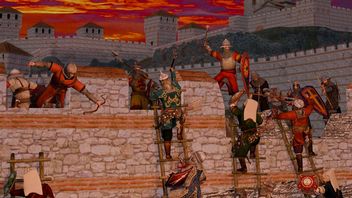
The popular Tsardoms Total War mod for Medieval II: Total War has been updated to version 3.0, introducing, among other things, a new faction, additional battle maps, and new units.
Files and Mods
June 7, 2026
Games such as Resident Evil Village and Like a Dragon: Infinite Wealth will soon be added to the PS Plus Extra offer. In total, the subscription will add 9 productions.
video games
January 15, 2026
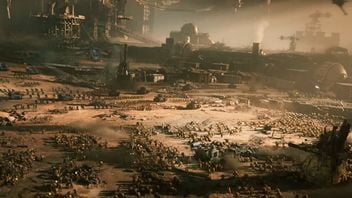
Studio Creative Assembly delighted its fans by announcing Total War: Warhammer 40,000 at The Game Awards 2025.
video games
December 11, 2025
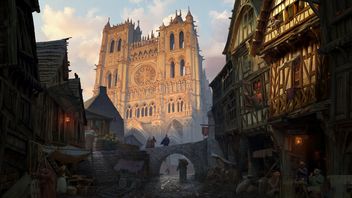
The developers of Total War: Medieval 3 have explained why now is the perfect time to make the game. They also pointed to one key element that will distinguish the sequel from the previous installment.
video games
December 8, 2025
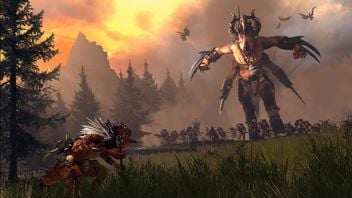
Creative Assembly studio has officially announced a project that many players are waiting for. We will soon learn information about the next game in the Total War series, most likely set in the Warhammer 40,000 or Star Wars universe.
video games
December 5, 2025
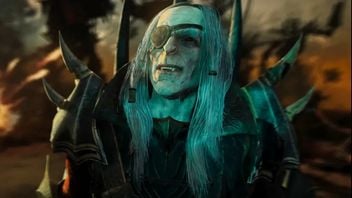
A major new expansion for Total War: Warhammer 3 has been announced. Lords of the End Times in the first trailer.
video games
December 5, 2025
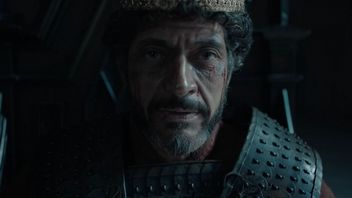
A sequel nearly 20 years in the making has been revealed. Total War: Medieval 3 is in early development, and the team wants to bring fans along for the journey.
video games
December 4, 2025
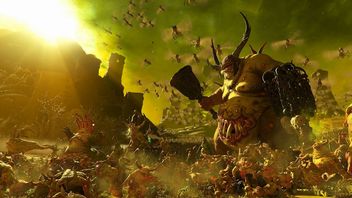
Creative Assembly is making life easier for fans of Total War: Warhammer 3. Players can now test a new mod manager.
video games
November 28, 2025