Lemony Snicket's A Series of Unfortunate Events
November 10, 2004
Action
Lemony Snicket's A Series of Unfortunate EventsActivision Blizzard is a developer and publisher.
November 10, 2004
Action
Lemony Snicket's A Series of Unfortunate EventsActivision Blizzard, founded in 2008, is one of the world’s largest producers and publishers of games for PC, consoles, and mobile devices.
The company was formed through the merger of Activision, one of the oldest and most respected names in gaming since 1979, and Vivendi Games, a division of the French media giant Vivendi SA and owner of the legendary Blizzard Entertainment studio.
In mid-2013, after acquiring a majority stake in Vivendi Games, Activision Blizzard became fully independent. On January 18, 2022, it was announced that Microsoft would acquire Activision Blizzard by the end of 2023. The company in question and Xbox Game Studios were to operate side by side, under the common Microsoft Gaming banner. The acquisition officially closed on October 13, 2023.
Activision Blizzard is organized into five main divisions:
The company is headquartered in Santa Monica, California, USA. From its founding until December 29, 2023, Robert “Bobby” Kotick served as president and CEO, having led Activision since 1991. The Activision Blizzard group includes nearly 40 divisions worldwide, ranging from development studios and regional offices to teams focused on film and e-sports. Together, these divisions employ more than 9,000 people. {TOC H2}
Activision Blizzard runs its gaming operations through internal Activision and Blizzard studios, as well as externally owned developers. This approach allows the company to span multiple hardware platforms and game genres, though Activision is best known for action games, while Blizzard Entertainment focuses on strategy and RPG titles. The key development studios within the Activision Blizzard group include (in alphabetical order): Beenox, Blizzard Entertainment, Demonware, FreeStyle Games, High Moon Studios, Infinity Ward, King Digital Entertainment, Raven Software, Sierra, Sledgehammer Games, Toys for Bob, Treyarch, and Vicarious Visions.
Over the years, the Activision Blizzard group - and its predecessors - has included many other development studios that were later dissolved or sold. Notable former studios include 7 Studios, Activision Value, Beachhead Studios, Bizarre Creations, The Blast Furnace, Blizzard North, Budcat Creations, Bungie Software, Coktel Vision, Dynamix, Fox Interactive, Gray Matter Interactive, Headgate Studios, Impressions Games, Infocom, Knowledge Adventure, Luxoflux, Massive Entertainment, Neversoft Entertainment, Papyrus Design Group, Radical Entertainment, Shaba Games, Swordfish Studios, Synergistic Software, Vivendi Games, Wanako Games, and Yosemite Entertainment.
When looking at Activision Blizzard as a global game publisher, it’s important to consider the group’s major divisions separately, as each follows a slightly different business strategy. Since its early days - even before merging with Activision - Blizzard Entertainment has focused solely on publishing its own games, centered on its flagship franchises: Diablo, WarCraft, and StarCraft.
Unlike Blizzard, Activision has always published games from its own studios while also collaborating with major external developers. Over the years, Activision has partnered with major gaming giants like id Software (creators of the Quake and Wolfenstein series), Disney Interactive, and LucasArts, as well as smaller studios such as Harmonix Music Systems, known for the Guitar Hero series. The crown jewel of Activision’s publishing portfolio remains the Call of Duty series, developed since 2003, and one of the most important and best-selling FPS franchises in history. Activision is also known for games based on Marvel comics, like Spider-Man and X-Men, as well as popular toy franchises such as Transformers. Other key Activision brands include Skylanders, Tony Hawk, Prototype, True Crime, the James Bond action game series (in development since 2008), and Civilization: Call to Power, inspired by Sid Meier’s legendary franchise. It’s also worth noting that beyond its AAA titles, Activision has released a range of low-budget and casual games, which were for a time published under the Activision Value label.
Since February 2016, Activision Blizzard has also included King Digital Entertainment, one of the leading producers of casual mobile and social games, including the Saga series. Like Blizzard Entertainment, King publishes its games independently.
Activision, Inc. was founded on October 1, 1979, by former Atari employees David Crane, Alan Miller, and Bob Whitehead, joined by former music producer Jim Levy, financier Richard Muchmore, and later, their ex-colleague Larry Kaplan. It is widely regarded as the first video game third-party developer/publisher. Before Activision, games were published only by the companies that made the hardware (for example, Atari exclusively handled games for the Atari 2600). The push to break this restrictive model - and give developers more freedom - led directly to a conflict between Activision’s future founders and Atari’s then-president, Ray Kassar. The name Activision, suggested by Jim Levy, was a blend of the words “active” and “television.” Interestingly, the company was originally registered under a very different name: VSync, Inc.
Based on that concept, Activision revolutionized the gaming industry by putting game creators in the spotlight alongside their productions and rewarding them much like record labels did with musicians. In 2003, the founders were honored with the special Game Developers Choice Award "First Penguin". However, before Activision could achieve its breakthrough, its founders had to overcome several obstacles - including a legal battle with Atari, which wasn’t settled until 1982. In the meantime, the company stayed busy - developing games for home computers and snapping up smaller publishers along the way. However, Activision’s first major hit came in 1982 with Pitfall!, created by David Crane for the Atari 2600. It became the system’s second best-selling title and inspired numerous “clones” on other platforms, including arcade machines. Games like Kaboom! and River Raid also achieved significant success.
In June 1986, Activision acquired Infocom, the pioneering studio behind text adventure games. A few months later, Bruce Davis became the head of Activision, a position he held until 1991. However, his strict management style led to Activision's first financial losses. As a result, the Infocom studio was closed in 1989, and only five of its 26 developers agreed to relocate to Activision’s headquarters in Silicon Valley. In 1988, Activision decided to expand into business applications, consolidating all its activities under the new corporate name Mediagenic. Under the Mediagenic umbrella, Activision continued publishing video games for the popular platforms of the era, including the Nintendo Entertainment System, Sega Master System, Atari 7800, Atari ST, Commodore 64, and Amiga. In 1989, Activision launched its first CD-ROM title for PCs: The Manhole, developed by Cyan.
In the early 1990s, Mediagenic was found guilty of patent infringement and hit with multi-million-dollar fines, pushing the company to the brink of bankruptcy. However, a group of investors led by Robert Kotick - who would later become the company’s long-time president - stepped in to save the day. Under the new ownership, Mediagenic went through a major reorganization, merging with The Disc Company to streamline its operations. The company also reverted to its original name, Activision, refocusing on developing and publishing games for PCs and consoles, while continuing to acquire third-party developers. At the same time, Activision relocated its headquarters from Silicon Valley to Santa Monica, California. In 1992, Activision opened its first overseas office in Australia, followed by another in the United Kingdom a year later.
During this period, Activision focused on strengthening its core franchises, releasing collections like Lost Treasures of Infocom and continuing the MechWarrior series, which launched in 1989 and is based on FASA's BattleTech universe. In 1997, Heavy Gear, a game adapted from a tactical board game, was released. The MechWarrior 2 engine powered such successful games as Interstate '76 and Battlezone, a remake of a classic arcade game. The Zork series of interactive adventure games also turned out to be a major success. In 1997, Activision acquired the rights to the iconic Quake series from id Software, which quickly became one of the company’s flagship franchises. That same year, as part of its European expansion, Activision opened a branch in Germany, followed by another in France the next year.
In 1998, Activision signed a multi-year deal with Marvel, launching a series of video games based on the X-Men and Spider-Man comics. These titles became key franchises, securing a strong and lasting spot in Activision’s publishing portfolio. In 1998, Activision also struck cooperation deals with major industry players like Disney Interactive and LucasArts. Activision also entered the Benelux markets with its offer. That same year, Activision secured the license to develop games set in the Star Trek universe and signed a long-term deal with skateboarding legend Tony Hawk, who would go on to star in a whole series of skateboarding games. A year later, Activision teamed up with Cabela’s, one of the world’s top hunting equipment brands, resulting in a series of hunting games, including the Cabela’s Big Game Hunter series.
At the start of the 21st century, Activision secured the rights to another iconic id Software franchise: the Wolfenstein series. Activision also struck deals with other sports stars, including BMX legend Mat Hoffman, snowboarding champion Shaun Palmer, wakeboarding pro Shaun Murray, and surfing icon Kelly Slater. In 2000, Activision reorganized, turning the original company into Activision Publishing, a division under Activision Holdings, Inc. The following year, it launched the Activision Value brand, bringing together three studios dedicated to developing low-budget games. Activision also expanded its partnership with Marvel, securing licenses for iconic franchises like the Fantastic Four and The Hulk.
In 2002, Activision bought a 30% stake in the newly founded Infinity Ward studio, which a year later released its debut hit, the first Call of Duty first-person shooter. The game was a huge success, launching Activision’s most important publishing series to date, with development also involving Treyarch, which the company had acquired in 2001. In 2005, in collaboration with Harmonix Music Systems, Activision launched another franchise, Guitar Hero, which was actively developed in the following years. Its standout feature was the use of special guitar-shaped controllers. The series spawned numerous sequels and spin-offs, including DJ Hero, Band Hero, and the Rock Band series from Electronic Arts, which introduced additional controllers mimicking bass guitars, drums, and DJ consoles.
In December 2007, Activision announced plans to merge with Vivendi Games, the gaming division of the French media company Vivendi SA (formerly Vivendi Universal), which owned studios like Blizzard Entertainment and Sierra Entertainment. The merger was completed in July 2008, creating Activision Blizzard, valued at nearly $19 billion - surpassing rivals like Electronic Arts, which was worth just over $14 billion. Vivendi became the majority shareholder of Activision Blizzard, with former Activision president Robert 'Bobby' Kotick taking the helm. Right after the merger, the legendary Sierra company was shut down - though it was later revived in August 2014 as a publishing brand under Activision Blizzard. Some employees with overlapping roles were laid off, and many titles vanished from the portfolio, with their rights sold to other companies. Despite the merger, Activision and Blizzard Entertainment continued to operate as separate, independent entities.
In November 2009, Sledgehammer Games was founded, with key members drawn from Visceral Games, a subsidiary of Electronic Arts. The team initially planned to develop a Call of Duty spin-off with MMO elements, but after a crisis at Infinity Ward, they were redirected to help with the next main installment, Call of Duty: Modern Warfare 3. The game delivered one of the series’ strongest launches ever, raking in $400 million in its first 24 hours. In 2010, Activision struck a partnership with Bungie, the studio behind the legendary Halo series, which had split from Microsoft three years earlier. That same year, the company was named the world’s largest video game publisher, surpassing giants like Electronic Arts, Ubisoft, and Nintendo. In 2011, the innovative Skylanders franchise launched, combining a video game with collectible figurines that could be brought to life in the game via a special portal.
In July 2013, Activision Blizzard announced plans to split from Vivendi Games, which had previously held a majority stake in the company. The process was completed in October, making Activision Blizzard independent once again and significantly boosting its market position. As a result of the deal and related legal disputes, Vivendi Games’ stake fell to just 12%, and then dropped further to around 6% in the following months. A large portion of the shares (24.4%) was acquired by the investment group ASAC II LP, led in part by Bobby Kotick, and including the Chinese company Tencent, the main shareholder of Epic Games.
In 2015–16, Activision Blizzard helped develop Warcraft: Origins, a cinematic adaptation of one of Blizzard Entertainment’s most iconic franchises. In October 2015, Activision Blizzard launched a dedicated division, Activision Blizzard Media Networks, focused on e-sports competitions. A month later, the company announced plans to launch Activision Blizzard Studios, focused entirely on film and TV. Its first projects included a sequel to Warcraft: Origins, an untitled Call of Duty movie, and a TV series based on the Skylanders franchise. At the end of 2015, Activision Blizzard acquired Major League Gaming, a professional esports organization active since 2002, and announced plans to launch a TV channel dedicated to broadcasting esports competitions. At the end of February 2016, Activision Blizzard completed its acquisition of King Digital Entertainment (also known as King.com), a leading developer of mobile and social games.
In November 2018, reports surfaced that Activision’s influence over Blizzard Entertainment was growing, with the company pressuring Diablo developers to cut costs and boost profits. In January 2019, the holding company saw the departure of its chief financial officers, Spencer Neumann from Activision and Amrita Ahuja from Blizzard Entertainment. Neumann was soon replaced by Dennis Durkin, who received a $15 million welcome package - $3.75 million in cash and the rest in Activision shares.
Also in January 2019, Bungie parted ways with Activision Blizzard and returned to being an independent studio. The split was driven by Bungie’s struggle to sustain player interest in the second Destiny game, which led to lower-than-expected revenue. The team retained full rights to the brand.
In February 2019, despite a record-breaking 2018 in revenue, CEO Robert Kotick announced that Activision Blizzard would cut around 800 positions across nearly all non-managerial departments, including development studios, publishing divisions, and esports teams, as part of a restructuring. Future plans were also unveiled, with a focus on expanding the company’s most profitable franchises, led by the Call of Duty series. In March, it emerged that of the roughly 800 layoffs, 209 affected Blizzard Entertainment employees. Interestingly, the hiring process for positions vacated just four months earlier kicked off in July 2019.
Financially, 2020 was another strong year for Activision Blizzard. In the second quarter, revenue from digital channels topped $1.44 billion, and by January 2021, the company was valued at $72 billion. However, this didn’t stop Blizzard Entertainment from closing its French branch, as revealed in October 2020.
In February 2021, Saudi Arabia’s Public Investment Fund purchased $1.4 billion worth of shares in Activision Blizzard. In February, it was revealed that the company’s new strategy focuses on boosting its presence in the free-to-play and mobile gaming markets, with its brands following the lead of the best-selling Call of Duty franchise.
In March, it was revealed that the holding company planned to lay off fifty more Blizzard Entertainment employees, including staff involved in live events like esports tournaments. The layoffs were driven by a shift in company policy prompted by the COVID-19 pandemic. Shortly after, it was announced that Activision Blizzard was gearing up for another major round of layoffs. The cuts were expected to hit the company’s European publishing branches in Germany, France, Spain, the Netherlands, and the UK, with the latter set to become, in a sense, the hub of Activision Blizzard’s operations on the continent. At the same time, Bobby Kotick received a $200 million bonus, drawing criticism from investors at CtW Investment Group.
In July 2021, Activision Blizzard faced a lawsuit following a two-year investigation by the California Department of Fair Employment and Housing. At the time, it emerged that female employees at the company had repeatedly faced sexual harassment, bullying, and unequal treatment, with management ignoring complaints and even taking "retaliatory actions".
A company spokesperson quickly responded, downplaying the allegations and calling them "inaccurate". Meanwhile, J. Allen Brack, head of Blizzard Entertainment, expressed concern over the situation and voiced solidarity with the victims. However, Activision Blizzard’s official response angered employees, who first sent an open letter to management and later staged a protest outside Blizzard’s headquarters in Irvine, California.
Finally, Bobby Kotick addressed the scandal himself, admitting that the company’s initial response was mishandled and announcing a series of future changes. The most significant of these measures was the pledge to remove from the company anyone found to be involved in the alleged abuses. Nevertheless, it seemed he was just putting a good face on a bad situation. Behind the scenes, the company enlisted the controversial law firm WilmerHale, which has represented clients including Amazon. In response, employees sent another open letter to Kotick, urging him to end the cooperation with the firm. Over time, shareholders filed a class-action lawsuit against the company, alleging that information about the harassment and the investigation had been withheld from them. As if that weren’t enough, by the end of August the company faced accusations of destroying incriminating documents. In mid-September, Activision Blizzard faced yet another lawsuit. This time, the company was accused of discouraging employees from speaking out about abuse. The company allegedly resorted to threats, surveillance, and employee interrogations.
All of this led the U.S. Securities and Exchange Commission to take an interest in the case in September 2021, summoning Bobby Kotick for questioning. However, just a few days later, it was reported that Activision Blizzard had reached a settlement with the U.S. Equal Employment Opportunity Commission. The company pledged to improve measures against discrimination and harassment, and to establish a special fund to compensate victims.
The first consequences of all this turmoil quickly became apparent. In early August, J. Allen Brack, president of Blizzard Entertainment, resigned and was succeeded by Jen Oneal and Mike Ybarra. At the end of the month, it was announced that McCree from Overwatch would be renamed. The character had originally been named after Jesse McCree, a Blizzard veteran who was fired for unprofessional behavior. A day later, it was announced that the names of certain employees linked to the scandal would be removed from World of Warcraft. In September, Chacko Sonny, executive producer of Overwatch 2, departed from Blizzard Entertainment. Additionally, references to the series’ former director, Jeff Kaplan, were set to be removed from the game. In October, it was announced that certain jokes and flirtations would be removed from World of Warcraft, deemed "outdated" and "inconsistent" with the studio’s new policy.
On January 18, 2022, it was announced that Microsoft would acquire Activision Blizzard. Once the $68.7 billion deal was finalized - originally expected in 2023 - Microsoft was set to become the third-largest company in the video game industry. Only China’s Tencent and Japan’s Sony were expected to surpass it. Activision Blizzard was set to operate under Microsoft alongside Xbox Game Studios, forming the newly created Microsoft Gaming division.
Shortly after the acquisition news broke, Phil Spencer stated that Microsoft plans to honor existing Activision Blizzard agreements and will not restrict the availability of its games - especially the Call of Duty series - on other platforms. Bobby Kotick, however, said that Activision Blizzard’s move under Microsoft was driven by the goal of competing with tech giants and joining the race for dominance in the emerging metaverse. The Wall Street Journal and Bloomberg News reported that the real reason behind the move was the company’s weaker-than-expected game sales and, as a result, its declining financial position. Allegedly, Kotick was seeking a safe haven for the company, including with Meta, the parent company of platforms like Facebook.
Although Kotick said he planned to stay on, The Wall Street Journal reported that he would step down once the deal closed, receiving a severance package estimated between $252.2 million and $292.9 million.
The path to the Activision Blizzard–Microsoft merger proved to be long and full of obstacles. Although shareholders approved the merger and several antitrust authorities - including the European Commission and China’s State Administration for Market Regulation (SAMR) - gave it a green light, the U.S. Federal Trade Commission (FTC) and the UK Competition and Markets Authority (CMA) opposed the deal. The merger also drew criticism from Sony, which feared that Microsoft might make the Call of Duty series exclusive to Xbox.
As a result, Microsoft made several concessions, pledging to keep Activision’s flagship shooter series non-exclusive until at least 2033 and granting Ubisoft ten years of cloud support for Activision Blizzard games. Ultimately, both the FTC and CMA approved the deal, clearing the way for the merger to be finalized on October 13, 2023. Kotick, the head of Activision Blizzard, stepped down shortly after, on December 29, 2023.
In January 2024, Microsoft Gaming, which employed 22,000 people, carried out layoffs affecting roughly 1,900 employees. The layoffs were explained as a need to "adapt the strategy and plan (...) to a sustainable cost structure". Shortly after, it was announced that Johanna Faries, former CEO of the Call of Duty series, had been named the new president of Blizzard Entertainment.
In February 2024, Toys for Bob announced it was leaving Activision’s umbrella and returning to independent operations. Shortly after, in May, the developers announced that their new project, which was then in a very early stage of production, would be released by Microsoft.
May 2024 also brought news that a new studio – Elsewhere Entertainment – based in Warsaw was established under Activision. The newly formed team was tasked with creating a "narrative and genre-defining AAA game series." The team included developers who had previously worked on series such as The Last of Us, Uncharted, The Witcher, and Far Cry.
Finally, in June 2024, Call of Duty fans saw the announcement of Call of Duty: Black Ops 6 - the first installment in the series to be included in the Xbox Game Pass on the day of its release. The game came out on October 25th 2024 and received solid reviews from industry media and "mixed" opinions on Steam. Nevertheless, this didn't prevent CoD BO6 from becoming "the biggest Call of Duty launch in history" and setting "a new record for players who played it on day one."
List of all released games developed by Activision Blizzard.
The Peanuts Movie: Snoopy's Grand Adventure - November 3, 2015 - PS4, X360, WiiU, XONE, 3DS
Downton Abbey: Mysteries of the Manor - September 15, 2015 - iOS, AND
Cabela's Big Game Hunter: Pro Hunts - March 26, 2014 - PC, PS3, X360, WiiU
Nickelodeon's Teenage Mutant Ninja Turtles - October 22, 2013 - X360, Wii, 3DS
Cabela's African Adventures - October 15, 2013 - PS4, XONE, PC, X360, PS3, Wii
Call of Duty Online - May 1, 2013 - PC
Cabela's Hunting Expeditions - October 23, 2012 - PC, X360, PS3, Wii
Men In Black: Alien Crisis - May 22, 2012 - X360, PS3, Wii
DreamWorks Super Star Kartz - November 15, 2011 - Wii, X360, PS3, NDS, 3DS
Rapala for Kinect - November 15, 2011 - X360
Cabela's Big Game Hunter: Hunting Party - November 1, 2011 - X360
Generator Rex: Agent of Providence - November 1, 2011 - X360, PS3, Wii, NDS, 3DS
NASCAR Unleashed - November 1, 2011 - X360, PS3, Wii, 3DS
Wipeout 2 - October 11, 2011 - X360, PS3, Wii, NDS, 3DS
Cabela's Big Game Hunter 2012 - September 27, 2011 - X360, PS3, Wii
Monster Jam: Path of Destruction - November 9, 2010 - X360, Wii, PSP, NDS, PS3
Blood Drive - November 2, 2010 - X360, PS3
Bakugan Battle Brawlers: Defenders of the Core - October 26, 2010 - X360, PS3, Wii, PSP, NDS
Cabela's Dangerous Hunts 2011 - October 26, 2010 - PS3, X360, Wii
Kung Zhu - October 12, 2010 - NDS
10 Minute Solutions - June 29, 2010 - Wii
iCarly - October 27, 2009 - NDS, Wii
Cruise Ship Vacation Games - September 8, 2009 - Wii
Cabela's Outdoor Adventures - September 1, 2009 - X360, PS3, Wii, PC
Science Papa - July 15, 2009 - NDS, Wii
Big League Sports: Summer - June 16, 2009 - NDS, Wii
Cabela's Dangerous Hunts 2009 - March 12, 2009 - PS3, Wii, X360, PS2
Big League Sports - November 11, 2008 - Wii, X360
Cabela's Legendary Adventures - September 19, 2008 - PS2, PSP, Wii
Harley-Davidson Motorcycles: Race to the Rally - November 27, 2006 - PC
Rapala Tournament Fishing - November 21, 2006 - X360, Wii
Barbie Diaries: High School Mystery - October 30, 2006 - PC
Barbie in The 12 Dancing Princesses - October 30, 2006 - PC
Cabela's African Safari - October 17, 2006 - X360, PC, PS2, PSP
Cabela's Alaskan Adventures - September 19, 2006 - PS2, X360
Rapala Trophies - August 29, 2006 - PSP
50 Cent: Bulletproof - November 18, 2005 - PS2, XBOX, PC
Greg Hastings' Tournament Paintball Max'd - October 18, 2005 - XBOX
Fantastic 4 - June 28, 2005 - PC
Barbie Mermaid Adventure - March 16, 2005 - PC
Lemony Snicket's A Series of Unfortunate Events - November 10, 2004 - PC, GBA, GCN, XBOX, PS2
Rapala Pro Fishing - September 1, 2004 - PC, PS2, XBOX, GBA
Barbie Fashion Show - August 18, 2004 - PC
Barbie Beauty Boutique - August 17, 2004 - PC
Barbie as The Princess and the Pauper - July 30, 2004 - PC, GBA
Tenchu: Return From Darkness - March 10, 2004 - XBOX
Pitfall: The Lost Expedition - February 18, 2004 - GBA
Barbie Horse Adventures Mystery Ride - December 12, 2003 - PC
Barbie Horse Adventures Wild Horse Rescue - November 3, 2003 - PS2, XBOX
Barbie: My Scene - September 30, 2003 - PC
Wakeboarding Unleashed Featuring Shaun Murray - June 13, 2003 - GBA, PS2, XBOX
Barbie of Swan Lake: The Enchanted Forest - February 9, 2003 - PC
Spyro: Enter the Dragonfly - November 3, 2002 - PS2, GCN
Secret Agent Barbie: Royal Jewels Mission - October 8, 2002 - GBA
Shaun Palmer's Pro Snowboarder - November 13, 2001 - PS2
Activision Casino - May 10, 2001 - PC
Call to Power II - November 15, 2000 - PC
Shanghai: Second Dynasty - December 22, 1999 - PC
Interstate '82 - November 18, 1999 - PC
Star Trek: Hidden Evil - November 17, 1999 - PC
Heavy Gear II - June 17, 1999 - PC
Civilization: Call to Power - March 31, 1999 - PC
Jack Nicklaus 6 Golden Bear Challenge - March 24, 1999 - PC
Heavy Gear (1997) - December 3, 1997 - PC
Zork: Grand Inquisitor - October 31, 1997 - PC
Interstate '76 - May 15, 1997 - PC
MechWarrior 2: Mercenaries - September 30, 1996 - PC
Spycraft: The Great Game - February 29, 1996 - PC
MechWarrior 2: Expansion Pack - Ghost Bear's Legacy - November 30, 1995 - PC
MechWarrior 2: 31st Century Combat - June 24, 1995 - PC
Activision's Atari 2600 Action Pack - January 1, 1995 - PC
Activision's Atari 2600 Action Pack 2 - January 1, 1995 - PC
Activision's Atari 2600 Action Pack 3 - January 1, 1995 - PC
Doom (1993) - December 10, 1993 - GBA
Return to Zork - April 11, 1993 - PC
Apache Strike - March 12, 1989 - PC
Call of Duty: Siege - cancelled - AND, iOS
List of all upcoming games that will be published by Activision Blizzard.
Call of Duty: Modern Warfare 4 - October 23, 2026 - PC, PS5, XSX, NS2
Spyro: A Realm Beyond - Q1 2027 - PC, PS5, XSX, NS2
List of all released games published by Activision Blizzard.
Call of Duty: Black Ops 7 - November 14, 2025 - PS4, XONE, PC, PS5, XSX
Tony Hawk's Pro Skater 3+4 - July 11, 2025 - PC, PS5, XSX, Switch, PS4, XONE, NS2
Call of Duty: Black Ops 6 - October 25, 2024 - PC, PS5, XSX, PS4, XONE
Call of Duty: Warzone Mobile - March 21, 2024 - AND, iOS
Call of Duty: Modern Warfare III - November 10, 2023 - PC, PS4, PS5, XONE, XSX
Crash Team Rumble - June 20, 2023 - PS4, XONE, PS5, XSX
Call of Duty: Warzone 2.0 - November 16, 2022 - PC, PS5, XSX, PS4, XONE
Call of Duty: Modern Warfare II - October 28, 2022 - PS4, XONE, PC, PS5, XSX
Diablo Immortal - June 2, 2022 - iOS, AND, PC
Call of Duty: Vanguard - November 5, 2021 - PC, PS5, XSX, PS4, XONE
Call of Duty: Black Ops - Cold War - November 13, 2020 - PS4, XONE, PS5, XSX, PC
Crash Bandicoot 4: It's About Time - October 2, 2020 - PS5, XSX, Switch, PC, PS4, XONE
Tony Hawk's Pro Skater 1+2 - September 4, 2020 - PC, PS4, XONE, Switch, PS5, XSX
Call of Duty: Modern Warfare 2 Campaign Remastered - March 31, 2020 - PC, PS4, XONE
Call of Duty: Warzone - March 10, 2020 - PC, PS4, XONE
Warcraft III: Reforged - January 29, 2020 - PC
Call of Duty: Modern Warfare - October 25, 2019 - PC, PS4, XONE
Call of Duty: Mobile - October 1, 2019 - iOS, AND
Crash Team Racing Nitro-Fueled - June 21, 2019 - PS4, XONE, Switch
Sekiro: Shadows Die Twice - March 22, 2019 - PS4, XONE, PC
Skylanders: Ring of Heroes - February 27, 2019 - AND, iOS
Spyro Reignited Trilogy - November 13, 2018 - PS4, XONE, PC, Switch
Call of Duty: Black Ops IIII - October 12, 2018 - PC, PS4, XONE
Destiny 2: Forsaken - September 4, 2018 - PC, PS4, XONE
Call of Duty: WWII - Shadow War - August 28, 2018 - PC, PS4, XONE
Call of Duty: WWII - United Front - June 26, 2018 - PS4, XONE, PC
Destiny 2: Warmind - May 8, 2018 - PC, PS4, XONE
Call of Duty: WWII - The War Machine - April 10, 2018 - PS4, XONE, PC
Call of Duty: WWII - The Resistance - January 30, 2018 - PS4, PC, XONE
Destiny 2: Curse of Osiris - December 8, 2017 - PC, PS4, XONE
Call of Duty: WWII - November 3, 2017 - PC, PS4, XONE
Call of Duty: Infinite Warfare - Retribution - September 12, 2017 - PS4, XONE, PC
Destiny 2 - September 6, 2017 - PC, PS4, XONE, XSX, PS5
Call of Duty: Infinite Warfare - Absolution - July 6, 2017 - PS4, XONE, PC
Crash Bandicoot N. Sane Trilogy - June 30, 2017 - PS4, Switch, PC, XONE
Diablo III: Eternal Collection - June 27, 2017 - PS4, XONE, Switch
Call of Duty: Black Ops III - Zombies Chronicles - May 15, 2017 - PC, XONE, PS4
Call of Duty: Infinite Warfare - Continuum - April 18, 2017 - PS4, XONE, PC
Call of Duty: Infinite Warfare - Sabotage - January 31, 2017 - PS4, XONE, PC
Call of Duty: Infinite Warfare - November 4, 2016 - PC, PS4, XONE
Call of Duty: Modern Warfare Remastered - November 4, 2016 - PC, PS4, XONE
Skylanders Imaginators - October 14, 2016 - PS4, PS3, X360, XONE, WiiU, Switch
Destiny: Rise of Iron - September 20, 2016 - PS4, XONE
Destiny: The Collection - September 20, 2016 - XONE, PS4
Call of Duty: Black Ops III - Salvation - September 6, 2016 - PS4, XONE, PC
Call of Duty: Black Ops III - Descent - July 12, 2016 - PS4, PC, XONE
Ghostbusters - July 12, 2016 - PC, PS4, XONE
Overwatch (2016) - May 24, 2016 - PC, XONE, PS4, Switch
Teenage Mutant Ninja Turtles: Mutants in Manhattan - May 24, 2016 - PC, PS4, XONE, X360, PS3
Call of Duty: Modern Warfare Trilogy - May 17, 2016 - X360, PS3
Call of Duty: Black Ops III - Eclipse - April 19, 2016 - PS4, XONE, PC
Call of Duty: Black Ops III - Awakening - February 2, 2016 - PC, PS3, PS4, XONE, X360
Call of Duty: Black Ops III - November 6, 2015 - PC, PS4, XONE, PS3, X360
The Peanuts Movie: Snoopy's Grand Adventure - November 3, 2015 - PS4, X360, WiiU, XONE, 3DS
Guitar Hero Live - October 20, 2015 - PS4, XONE, WiiU, PS3, X360, iOS
Transformers: Devastation - October 6, 2015 - X360, XONE, PS3, PS4, PC
Tony Hawk's Pro Skater 5 - September 29, 2015 - PS3, PS4, X360, XONE
Skylanders SuperChargers - September 20, 2015 - XONE, X360, PS4, PS3, WiiU, Wii, 3DS, iOS
Destiny: The Taken King - September 15, 2015 - X360, XONE, PS3, PS4
Downton Abbey: Mysteries of the Manor - September 15, 2015 - iOS, AND
Call of Duty: Advanced Warfare - Reckoning - August 4, 2015 - XONE, X360, PS4, PS3, PC
Prototype: Biohazard Bundle - July 14, 2015 - XONE, PS4
Call of Duty: Advanced Warfare - Supremacy - June 2, 2015 - PC, PS4, PS3, XONE, X360
Destiny: House of Wolves - May 19, 2015 - X360, PS3, XONE, PS4
Call of Duty: Advanced Warfare - Ascendance - March 31, 2015 - PC, XONE, X360, PS4, PS3
SpongeBob: HeroPants - February 3, 2015 - X360, PSV, 3DS
Call of Duty: Advanced Warfare - Havoc - January 27, 2015 - PC, PS3, PS4, X360, XONE
Destiny: The Dark Below - December 9, 2014 - PS4, PS3, X360, XONE
Geometry Wars 3: Dimensions Evolved - November 25, 2014 - iOS, AND
Call of Duty: Heroes - November 12, 2014 - iOS, AND, PC
Call of Duty: Advanced Warfare - November 4, 2014 - XONE, PS4, PC, PS3, X360
Teenage Mutant Ninja Turtles: Danger of the Ooze - October 28, 2014 - X360, PS3, 3DS
The Legend of Korra - October 21, 2014 - PC, X360, PS3, PS4, XONE, 3DS
Duck Dynasty - October 14, 2014 - PC, PS3, PS4, XONE, X360, 3DS
Skylanders Trap Team - October 5, 2014 - X360, PS3, Wii, 3DS, WiiU, PS4, XONE
Destiny - September 9, 2014 - X360, PS3, PS4, XONE
Diablo III: Reaper of Souls - Ultimate Evil Edition - August 19, 2014 - XONE, PS4
Call of Duty: Ghosts - Nemesis - August 6, 2014 - PC, X360, XONE, PS3, PS4
Transformers: Rise of the Dark Spark - June 24, 2014 - PC, X360, PS3, WiiU, PS4, XONE, 3DS
Call of Duty: Ghosts - Invasion - June 3, 2014 - PC, PS3, PS4, X360, XONE
The Amazing Spider-Man 2 - April 17, 2014 - PC, X360, XONE, PS4, PS3, WiiU, 3DS
Call of Duty: Ghosts - Devastation - April 3, 2014 - X360, XONE, PC, PS3, PS4
Cabela's Big Game Hunter: Pro Hunts - March 26, 2014 - PC, PS3, X360, WiiU
Cut the Rope: Triple Treat - March 25, 2014 - 3DS
Call of Duty: Ghosts - Onslaught - January 28, 2014 - PC, X360, PS3, XONE, PS4
Call of Duty: Ghosts - November 5, 2013 - XONE, X360, PS3, PC, PS4, WiiU
Nickelodeon's Teenage Mutant Ninja Turtles - October 22, 2013 - X360, Wii, 3DS
SpongeBob SquarePants: Plankton's Robotic Revenge - October 22, 2013 - X360, PS3, Wii, WiiU, NDS, 3DS
Cabela's African Adventures - October 15, 2013 - PC, X360, PS3, Wii, PS4, XONE
Wipeout: Create & Crash - October 15, 2013 - X360, WiiU, Wii, 3DS
Skylanders Swap Force - October 13, 2013 - X360, PS3, WiiU, Wii, 3DS, XONE, PS4
Moshi Monsters: Katsuma Unleashed - October 11, 2013 - 3DS, NDS
Call of Duty: Strike Team - September 5, 2013 - iOS, AND
Teenage Mutant Ninja Turtles: Out of the Shadows - August 28, 2013 - PS3, PC, X360
Call of Duty: Black Ops II - Apocalypse - August 27, 2013 - X360, PC, PS3
Call of Duty: Black Ops II – Vengeance - July 2, 2013 - PC, PS3, X360
Deadpool: The Video Game - June 25, 2013 - X360, PS3, PC, XONE, PS4
Fast & Furious: Showdown - May 21, 2013 - X360, PS3, PC
Call of Duty: Black Ops II – Uprising - April 16, 2013 - X360, PC, PS3
The Walking Dead: Survival Instinct - March 19, 2013 - PC, X360, PS3, WiiU
Call of Duty: Black Ops II - Revolution - January 29, 2013 - X360, PS3, PC
Family Guy: Back to the Multiverse - November 20, 2012 - PC, X360, PS3
Call of Duty: Black Ops Declassified - November 13, 2012 - PSV
Call of Duty: Black Ops II - November 13, 2012 - PC, PS3, X360, WiiU, PS5
Angry Birds Star Wars - November 8, 2012 - X360, PS3, PSV, WiiU, Wii, 3DS, PS4
NASCAR The Game: Inside Line - November 6, 2012 - X360, PS3, Wii
Transformers Prime: The Game - October 30, 2012 - WiiU, Wii, 3DS, NDS
Wreck-It Ralph - October 30, 2012 - Wii, NDS, 3DS
Moshi Monsters: Moshlings Theme Park - October 26, 2012 - NDS, 3DS
Cabela's Dangerous Hunts 2013 - October 23, 2012 - X360, PS3, Wii, WiiU, PC
Cabela's Hunting Expeditions - October 23, 2012 - PC, X360, PS3, Wii
Skylanders Giants - October 19, 2012 - WiiU, 3DS, X360, PS3, Wii
007 Legends - October 16, 2012 - X360, PS3, WiiU, PC
Chivalry: Medieval Warfare - October 16, 2012 - XONE, PS4
Wipeout 3 - September 25, 2012 - X360, Wii, WiiU, 3DS
Call of Duty: Modern Warfare – Kolekcja 3: Chaos Pack - September 13, 2012 - PC
Transformers: Fall of Cybertron - August 21, 2012 - PC, X360, PS3, XONE, PS4
Tony Hawk's Pro Skater HD - July 18, 2012 - X360, PS3, PC
Ice Age: Continental Drift – Arctic Games - June 29, 2012 - PC, X360, PS3, Wii, NDS, 3DS
The Amazing Spider-Man - June 26, 2012 - PSV, WiiU, PC, Wii, NDS, 3DS, X360, PS3
Call of Duty: Modern Warfare 3 – Kolekcja 2 - June 21, 2012 - PC
Men In Black: Alien Crisis - May 22, 2012 - X360, PS3, Wii
Diablo III - May 15, 2012 - X360, PS3
Call of Duty: Modern Warfare 3 – Kolekcja 1 - May 8, 2012 - PC
Prototype 2 - April 24, 2012 - PC, X360, PS3
Battleship - April 20, 2012 - 3DS, NDS, Wii, X360, PS3
Call of Duty: Black Ops Zombies - December 1, 2011 - iOS
DreamWorks Super Star Kartz - November 15, 2011 - Wii, X360, PS3, NDS, 3DS
Rapala for Kinect - November 15, 2011 - X360
Call of Duty: Modern Warfare 3 (2011) - November 8, 2011 - PC, X360, PS3, Wii, NDS
Cabela's Adventure Camp - November 1, 2011 - X360, PS3, Wii
Cabela's Big Game Hunter: Hunting Party - November 1, 2011 - X360
Cabela's Survival: Shadows of Katmai - November 1, 2011 - X360, PS3, Wii
Generator Rex: Agent of Providence - November 1, 2011 - X360, PS3, Wii, NDS, 3DS
GoldenEye 007: Reloaded - November 1, 2011 - X360, PS3
NASCAR Unleashed - November 1, 2011 - X360, PS3, Wii, 3DS
Skylanders: Spyro's Adventure - October 14, 2011 - Wii, 3DS, PS3, X360, PC
Wipeout 2 - October 11, 2011 - X360, PS3, Wii, NDS, 3DS
Spider-Man: Edge of Time - October 4, 2011 - X360, PS3, Wii, NDS, 3DS
Cabela's Big Game Hunter 2012 - September 27, 2011 - X360, PS3, Wii
X-Men: Destiny - September 27, 2011 - X360, PS3, Wii
Bakugan: Rise of the Resistance - September 23, 2011 - NDS
Transformers: Dark of the Moon - June 14, 2011 - X360, PS3
NASCAR 2011: The Game - March 29, 2011 - PS3, X360, Wii
Apache: Air Assault - November 16, 2010 - PC, X360, PS3
Call of Duty: Black Ops - November 9, 2010 - PC, X360, PS3, Wii, NDS, PS5
Monster Jam: Path of Destruction - November 9, 2010 - PS3, X360, Wii, PSP, NDS
007: Blood Stone - November 2, 2010 - PC, X360, PS3, NDS
Blood Drive - November 2, 2010 - X360, PS3
GoldenEye 007 (2010) - November 2, 2010 - Wii, NDS
Bakugan Battle Brawlers: Defenders of the Core - October 26, 2010 - X360, PS3, Wii, PSP, NDS
Cabela's Dangerous Hunts 2011 - October 26, 2010 - PS3, X360, Wii
Tony Hawk: SHRED - October 26, 2010 - X360, PS3, Wii
DJ Hero 2 - October 19, 2010 - X360, PS3, Wii
Kung Zhu - October 12, 2010 - NDS
Guitar Hero: Warriors of Rock - September 28, 2010 - PS3, X360, Wii
Cabela's North American Adventures - September 14, 2010 - PS3, X360, Wii, PS2, PSP
Rapala Pro Bass Fishing - September 14, 2010 - PS3, X360, Wii, PS2, PSP, WiiU
Spider-Man: Shattered Dimensions - September 7, 2010 - X360, Wii, PS3, PC, NDS
10 Minute Solutions - June 29, 2010 - Wii
Singularity - June 25, 2010 - PC, X360, PS3
Transformers: War For Cybertron - June 22, 2010 - NDS, Wii, PC, X360, PS3
Blur - May 25, 2010 - PC, X360, PS3
Shrek Forever After - May 18, 2010 - NDS, X360, PS3, PC, Wii
Legends of Zork - April 12, 2010 - PC
Cabela's Monster Buck Hunter - March 25, 2010 - Wii
How to Train Your Dragon - March 23, 2010 - NDS, Wii, PS3, X360
Percy Jackson & The Olympians: The Lightning Thief - February 9, 2010 - NDS
Guitar Hero: Van Halen - December 22, 2009 - X360, PS3, PS2, Wii
Chaotic: Shadow Warriors - November 17, 2009 - Wii, X360, PS3, NDS
Tony Hawk: RIDE - November 17, 2009 - X360, PS3, Wii
Call of Duty: Zombies - November 16, 2009 - iOS
Call of Duty: Modern Warfare 2 (2009) - November 10, 2009 - PC, X360, PS3
Call of Duty: Modern Warfare: Mobilized - November 10, 2009 - NDS
Band Hero - November 3, 2009 - X360, PS3, Wii, NDS, PS2
DJ Hero - October 27, 2009 - X360, PS3, Wii, PS2
iCarly - October 27, 2009 - NDS, Wii
Bakugan: Battle Brawlers - October 20, 2009 - NDS, PS2, Wii, X360, PS3
Jurassic: The Hunted - October 3, 2009 - PS2, PS3, X360, Wii
Cabela's Big Game Hunter 2010 - September 22, 2009 - PS3, Wii, X360
Rapala: We Fish - September 22, 2009 - Wii
Marvel: Ultimate Alliance 2 - September 15, 2009 - X360, Wii, PS3, PSP, NDS, PS2, PS4, XONE, PC
Cruise Ship Vacation Games - September 8, 2009 - Wii
Cabela's Outdoor Adventures - September 1, 2009 - X360, PS3, Wii, PC
Guitar Hero 5 - September 1, 2009 - X360, PS3, Wii, PS2
Wolfenstein - August 18, 2009 - PC, PS3, X360
Science Papa - July 15, 2009 - NDS, Wii
Ice Age: Dawn of the Dinosaurs - June 26, 2009 - PC, PS2, X360, PS3, NDS, Wii
Little League World Series 2009: Baseball - June 23, 2009 - Wii, NDS
Transformers: Revenge of the Fallen - The Game - June 23, 2009 - X360, PS3, Wii, PS2, NDS, PSP, PC
Big League Sports: Summer - June 16, 2009 - NDS, Wii
Guitar Hero: Smash Hits - June 16, 2009 - X360, PS3, Wii, PS2
Guitar Hero On Tour: Modern Hits - June 9, 2009 - NDS
Prototype - June 9, 2009 - PS3, X360, PC
Space Camp - May 19, 2009 - Wii, NDS
X-Men Origins: Wolverine - May 1, 2009 - Wii, NDS, PS2, PSP, PC, X360, PS3
Guitar Hero: Metallica - March 29, 2009 - PS3, X360, Wii, PS2
Monsters vs. Aliens - March 24, 2009 - PC, X360, PS3, Wii, PS2, NDS
Cabela's Dangerous Hunts 2009 - March 12, 2009 - PS2, PS3, Wii, X360
Tony Hawk's Motion - November 18, 2008 - NDS
Guitar Hero: On Tour Decades - November 14, 2008 - NDS
Big League Sports - November 11, 2008 - Wii, X360
Call of Duty: World at War - November 11, 2008 - PS2, NDS, PC, X360, PS3, Wii
Vigilante 8: Arcade - November 5, 2008 - X360
History Civil War: Secret Missions - November 4, 2008 - PC, PS2, PS3, X360
Kung Fu Panda: Legendary Warriors - November 4, 2008 - Wii, NDS
Madagascar: Escape 2 Africa - November 4, 2008 - PC, PS2, PS3, X360, Wii, NDS
Secret Service: Ultimate Sacrifice - November 4, 2008 - PC, PS2, X360
Quantum of Solace - October 31, 2008 - PC, PS3, X360, Wii, PS2, NDS
Monster Jam: Urban Assault - October 28, 2008 - PS2, Wii, PSP, NDS
Score International: Baja 1000 - October 28, 2008 - PC, X360, PS2, PS3, Wii
Guitar Hero: World Tour - October 26, 2008 - PS3, X360, PS2, Wii
Barbie Horse Adventures: Riding Camp - October 21, 2008 - PC, PS2, NDS, Wii
Spider-Man: Web of Shadows - October 21, 2008 - X360, PS3, PC, PS2, Wii, PSP, NDS
Transformers Animated: The Game - October 21, 2008 - NDS
Pitfall: The Big Adventure - September 23, 2008 - Wii
Cabela's Legendary Adventures - September 19, 2008 - PS2, PSP, Wii
Rapala Fishing Frenzy - August 30, 2008 - PS3, X360, Wii
Geometry Wars: Retro Evolved 2 - July 30, 2008 - X360
The Mummy: Tomb of the Dragon Emperor - July 22, 2008 - PS2, Wii, NDS
Golf: Tee It Up! - July 9, 2008 - X360
Guitar Hero: Aerosmith - June 24, 2008 - PS2, PS3, X360, Wii
Guitar Hero: On Tour - June 22, 2008 - NDS
Aces of the Galaxy - June 10, 2008 - X360, PC
Kung Fu Panda - June 3, 2008 - PC, PS3, X360, PS2, Wii, NDS
Commanders: Attack of the Genos - February 13, 2008 - X360, PC
Boogie Bunnies - January 16, 2008 - X360, PC
The History Channel: Battle for the Pacific - November 20, 2007 - PS3, X360, PC
Shrek-N-Roll - November 14, 2007 - X360
Monster Jam - November 13, 2007 - PC, PS2, X360, Wii, NDS
Puppy Luv - November 13, 2007 - Wii
Soldier of Fortune: Payback - November 13, 2007 - PC, X360, PS3
World Series of Poker 2008: Battle for the Bracelets - November 6, 2007 - PS2, PS3, PSP, NDS, X360, PC
Call of Duty 4: Modern Warfare - November 5, 2007 - PS3, X360, NDS, PC, Wii
Shrek: Ogres and Dronkeys - November 5, 2007 - NDS
Zoo Vet: Endangered Animals - November 5, 2007 - NDS, PC
Barbie as The Island Princess - October 30, 2007 - PS2, Wii, NDS, GBA, PC
Bee Movie Game - October 30, 2007 - PC, PS2, X360, Wii, NDS
Dancing with the Stars - October 30, 2007 - PS2, Wii
Battlestar Galactica (2007) - October 23, 2007 - X360, PC
Spanish for Everyone - October 23, 2007 - NDS
Tony Hawk's Proving Ground - October 15, 2007 - NDS, PS2, X360, PS3, Wii
Spider-Man: Friend or Foe - October 2, 2007 - PS2, PC, X360, PSP, NDS, Wii
Enemy Territory: Quake Wars - September 28, 2007 - X360, PS3
Animal Genius - September 25, 2007 - NDS
Cabela's Trophy Bucks - September 25, 2007 - PS2, X360, PC
Hot Wheels: Beat That! - September 25, 2007 - PS2, Wii, X360, NDS, PC
Jewel Quest: Expeditions - September 18, 2007 - NDS
Puppy Luv: Spa & Resort - September 11, 2007 - NDS, GBA
I Spy Fun House - August 29, 2007 - NDS
Transformers Creative Studio - July 13, 2007 - PC
Arkadian Warriors - July 4, 2007 - X360, PC
Switchball - June 26, 2007 - PC, X360, PS3
Transformers: The Game - June 26, 2007 - PSP, PC, PS2, PS3, X360, Wii
Transformers: Autobots - June 21, 2007 - NDS
Transformers: Decepticons - June 21, 2007 - NDS
Shrek the Third - May 14, 2007 - Wii, PS2, X360, PC, PSP, NDS
Spider-Man 3: The Game - May 4, 2007 - PS2, PS3, Wii, PSP, NDS, PC, GBA, X360
Call of Duty: Roads to Victory - March 13, 2007 - PSP
DMZ: North Korea - December 12, 2006 - PC
Pimp My Ride - November 21, 2006 - Wii
Spider-Man: Battle for New York - November 14, 2006 - GBA, NDS
The History Channel: Civil War - November 14, 2006 - PC, X360, PS2
Call of Duty 3 - November 7, 2006 - PC, PS2, XBOX, X360, PS3, Wii
Tony Hawk's Project 8 - November 7, 2006 - PS2, XBOX, PSP, PS3, X360
Barbie Diaries: High School Mystery - October 30, 2006 - PC
Barbie in The 12 Dancing Princesses - October 30, 2006 - PC
Marvel: Ultimate Alliance - October 24, 2006 - PS4, XONE, PS2, PSP, XBOX, PS3, X360, PC, Wii
Tony Hawk's Downhill Jam - October 24, 2006 - GBA, PS2, Wii, NDS
Crash Boom Bang! - October 10, 2006 - NDS
Gun Showdown - October 10, 2006 - PSP
Scarface: Money. Power. Respect. - October 5, 2006 - PSP
Cabela's Alaskan Adventures - September 19, 2006 - PS2, X360, PC
World Series of Poker: Tournament of Champions - September 19, 2006 - Wii, PS2, PSP, X360, PC
50 Cent: Bulletproof G-Unit Edition - August 29, 2006 - PSP
Miami Vice: The Game - July 21, 2006 - PSP
The Movies: Stunts & Effects - June 6, 2006 - PC
X-Men: The Official Game - May 16, 2006 - PC, PS2, XBOX, GCN, X360, GBA, NDS
Over the Hedge - May 9, 2006 - PC, PS2, XBOX, GBA, NDS, GCN
Cabela's Big Game Hunter 2006 Trophy Season - April 18, 2006 - PC
Cabela's Dangerous Hunts Ultimate Challenge - April 4, 2006 - PSP
SWAT 4: The Stetchkov Syndicate - February 24, 2006 - PC
Empire Earth II: The Art of Supremacy - February 14, 2006 - PC
Geometry Wars: Retro Evolved - November 22, 2005 - PC
50 Cent: Bulletproof - November 18, 2005 - PC, PS2, XBOX
True Crime: New York City - November 15, 2005 - PS2, XBOX, GCN
Gun - November 8, 2005 - X360, GCN, PC, PS2, XBOX
The Movies - November 8, 2005 - GCN, XBOX, PS2, PC
Call of Duty 2: Big Red One - November 1, 2005 - PS2, XBOX, GCN
The Hustle: Detroit Streets - October 31, 2005 - PS2, XBOX, PSP
Call of Duty 2 - October 25, 2005 - X360, PC
Shrek SuperSlam - October 25, 2005 - PS2, XBOX, GCN, GBA, NDS, PC
Law & Order IV: Criminal Intent - October 18, 2005 - PC
Quake 4 - October 18, 2005 - PC, X360
Tony Hawk's American Sk8land - October 18, 2005 - NDS, GBA
Tony Hawk's American Wasteland - October 18, 2005 - X360, PS2, XBOX, GCN
Ty the Tasmanian Tiger 3: Night of the Quinkan - October 11, 2005 - PS2, XBOX, GCN, GBA
Ultimate Spider-Man - September 22, 2005 - PC, PS2, GCN, XBOX
X-Men Legends II: Rise of Apocalypse - September 21, 2005 - PSP, GCN, PS2, XBOX, PC
World Series of Poker - August 25, 2005 - PC
Fantastic 4 - June 28, 2005 - GCN, PS2, XBOX, PC
Madagascar - May 23, 2005 - PC, PS2, XBOX, GCN, GBA, NDS
Doom 3: Resurrection of Evil - April 3, 2005 - XBOX, PC
Untold Legends: Brotherhood of the Blade - March 22, 2005 - PSP
Barbie Mermaid Adventure - March 16, 2005 - PC
Tony Hawk's Underground 2 Remix - March 15, 2005 - PSP
ER: The Game - March 8, 2005 - PC
Call of Duty: Finest Hour - November 16, 2004 - PS2, XBOX, GCN
Vampire: The Masquerade - Bloodlines - November 16, 2004 - PC
Lemony Snicket's A Series of Unfortunate Events - November 10, 2004 - PC, GBA, GCN, XBOX, PS2
Shrek 2: Beg For Mercy - October 27, 2004 - GBA
Shrek 2: Team Action - October 26, 2004 - PC
Law & Order III: Justice is Served - October 5, 2004 - PC
Leisure Suit Larry: Magna Cum Laude - October 5, 2004 - PS2, XBOX
Tony Hawk's Underground 2 - October 4, 2004 - GBA
Tony Hawk's Underground 2: World Destruction Tour - October 4, 2004 - XBOX, PS2, GCN, PC
Shark Tale - September 27, 2004 - GCN, XBOX, PS2, GBA, PC
Zoo Vet - September 24, 2004 - PC
Rome: Total War - September 22, 2004 - PC
X-Men Legends - September 22, 2004 - PS2, XBOX, GCN
Call of Duty: United Offensive - September 14, 2004 - PC
Cabela's Deer Hunt 2005 Season - August 26, 2004 - PC, PS2, XBOX
Barbie Fashion Show - August 18, 2004 - PC
Barbie Beauty Boutique - August 17, 2004 - PC
Doom 3 - August 3, 2004 - PC, XBOX
Barbie as The Princess and the Pauper - July 30, 2004 - PC, GBA
Spider-Man 2: The Game - June 28, 2004 - PC, GCN, XBOX, PS2, GBA, PSP
Crash Bandicoot: Fusion - June 3, 2004 - GBA
Van Helsing - May 6, 2004 - XBOX, PS2, GBA
Shrek 2: The Game - April 28, 2004 - GBA, PS2, GCN, XBOX, PC
The X Files: Resist or Serve - March 16, 2004 - PS2, XBOX
Tenchu: Return From Darkness - March 10, 2004 - XBOX
MTX: Mototrax - March 2, 2004 - PS2, XBOX
Pitfall: The Lost Expedition - February 18, 2004 - GBA, PC, GCN, PS2, XBOX
Barbie Horse Adventures Mystery Ride - December 12, 2003 - PC
Battlestar Galactica - November 18, 2003 - PS2, XBOX
Cabela's Dangerous Hunts - November 11, 2003 - PS2, GCN, XBOX
Crash Nitro Kart - November 11, 2003 - PS2, XBOX, GCN, GBA
The Cat in the Hat - November 5, 2003 - PC, PS2, XBOX
Barbie Horse Adventures Wild Horse Rescue - November 3, 2003 - PS2, XBOX
True Crime: Streets of L.A. - November 3, 2003 - GCN, PS2, XBOX, PC
Call of Duty Classic - October 29, 2003 - X360, PS3, PC
SWAT: Global Strike Team - October 28, 2003 - PS2, XBOX
Spyro: Attack of the Rhynocs - October 27, 2003 - GBA
Tony Hawk's Underground - October 27, 2003 - GBA, GCN, PS2, XBOX
Empires: Dawn of the Modern World - October 21, 2003 - PC
Barbie: My Scene - September 30, 2003 - PC
Law & Order II: Double or Nothing - September 30, 2003 - PC
The Simpsons: Hit & Run - September 16, 2003 - PS2, XBOX, GCN, PC
Buffy The Vampire Slayer: Chaos Bleeds - August 27, 2003 - XBOX, GCN, PS2
Cabela's Deer Hunt 2004 Season - August 21, 2003 - PS2, XBOX
Star Trek: Elite Force II - June 26, 2003 - PC
Mace Griffin Bounty Hunter - June 20, 2003 - PS2, XBOX, PC
Wakeboarding Unleashed Featuring Shaun Murray - June 13, 2003 - PS2, XBOX, GBA
Wolfenstein: Enemy Territory - May 29, 2003 - PC
Return to Castle Wolfenstein: Operation Resurrection - May 27, 2003 - PS2
Return to Castle Wolfenstein: Tides of War - May 27, 2003 - XBOX
The Hulk - May 27, 2003 - PC
The Incredible Hulk - May 27, 2003 - GBA
Day of Defeat - May 6, 2003 - PC
Medieval: Total War - Viking Invasion - May 6, 2003 - PC
X-Men 2: Wolverine's Revenge - April 14, 2003 - PC, XBOX, GCN, PS2, GBA
Jurassic Park: Operation Genesis - March 11, 2003 - PS2, XBOX, PC
Tenchu: Wrath of Heaven - March 3, 2003 - PS2
Barbie of Swan Lake: The Enchanted Forest - February 9, 2003 - PC
Activision Anthology - November 19, 2002 - PS2
Star Trek: Starfleet Command III - November 18, 2002 - PC
Die Hard: Vendetta - November 15, 2002 - GCN, PS2, XBOX
Minority Report: Everybody Runs - November 12, 2002 - PS2, XBOX, GCN, GBA
Rally Fusion: Race of Champions - November 12, 2002 - PS2, XBOX
Spyro: Enter the Dragonfly - November 3, 2002 - GCN, PS2
Tony Hawk's Pro Skater 4 - October 23, 2002 - GCN, PS2, XBOX, GBA, PS1
Doom II - October 22, 2002 - GBA
BloodRayne - October 15, 2002 - PS2, XBOX, GCN
X-Men: Next Dimension - October 15, 2002 - PS2, GCN, XBOX
Secret Agent Barbie: Royal Jewels Mission - October 8, 2002 - GBA
Law & Order: Dead on the Money - September 24, 2002 - PC
Blade II - September 2, 2002 - PS2, XBOX
Icewind Dale II - August 27, 2002 - PC
Kelly Slater's Pro Surfer - August 21, 2002 - GBA, PS2, XBOX, GCN
Medieval: Total War - August 21, 2002 - PC
The Thing - August 19, 2002 - PS2, XBOX
Mat Hoffman's Pro BMX 2 - August 13, 2002 - GBA, GCN, PS2, XBOX
Street Hoops - August 12, 2002 - PS2, XBOX, GCN
Enclave - July 19, 2002 - PC
Bruce Lee: Quest of the Dragon - July 2, 2002 - XBOX
Syberia - June 18, 2002 - PS2
Soldier of Fortune 2: Double Helix - May 31, 2002 - PC, XBOX
Simon the Sorcerer 3D - April 26, 2002 - PC
Spider-Man: The Movie - April 20, 2002 - PC, PS2, XBOX, GCN
Bloody Roar: Primal Fury - March 19, 2002 - GCN
Shadow Force: Razor Unit - February 28, 2002 - PC
Star Trek: Bridge Commander - February 26, 2002 - PC
Wreckless: The Yakuza Missions - February 4, 2002 - GCN, PS2, XBOX
Cabela's 4x4 Off-Road Adventure 2 - December 19, 2001 - PC
Return to Castle Wolfenstein - November 20, 2001 - PC
Star Trek: Armada II - November 20, 2001 - PC
Doom Collector's Edition - November 15, 2001 - PC
Shaun Palmer's Pro Snowboarder - November 13, 2001 - PS2
Ultimate Quake - November 10, 2001 - PC
Secret Service: In Harm's Way - November 7, 2001 - PC
Jackie Chan Adventures: The Legend of the Dark Hand - November 6, 2001 - GBA
Crash Bandicoot: The Wrath of Cortex - October 29, 2001 - GCN, PS2, XBOX
Tony Hawk's Pro Skater 3 - October 28, 2001 - PS1, GBA, PC, GCN, PS2, XBOX
Supercar Street Challenge - October 22, 2001 - PS2, PC
Ski Resort Tycoon II - October 9, 2001 - PC
Mat Hoffman's Pro BMX - October 3, 2001 - PC
The Weakest Link - September 28, 2001 - PC, PS2
Cabela's Ultimate Deer Hunt - September 10, 2001 - PC
Bomberman Tournament - August 24, 2001 - GBA
Emergency Room 3 - June 28, 2001 - PC
Bloody Roar 3 - June 26, 2001 - PS2
The House of the Dead 2 - June 1, 2001 - PC
Star Trek Voyager: Elite Force: Expansion Pack - May 16, 2001 - PC
Golf Resort Tycoon - May 11, 2001 - PC
Activision Casino - May 10, 2001 - PC
Darin Shapiro's Big Air Wakeboarding - May 1, 2001 - PC
Star Trek: Away Team - March 15, 2001 - PC
Toy Story Racer - March 5, 2001 - PS1
Cabela's 4x4 Off-Road Adventure - February 15, 2001 - PC
Ultimate Paintball Challenge - January 24, 2001 - PC
Quake III: Team Arena - December 15, 2000 - PC
Call to Power II - November 15, 2000 - PC
Sky Odyssey - November 15, 2000 - PS2
The Operative: No One Lives Forever - November 9, 2000 - PS2
Wizards & Warriors - September 27, 2000 - PC
Star Trek Voyager: Elite Force - September 20, 2000 - PC
Tony Hawk's Pro Skater 2 - September 20, 2000 - PC, GBA, PS1
Cabela's Big Game Hunter 4: The Next Adventure - September 12, 2000 - PC
Spider-Man (2001) - September 1, 2000 - PC, PS1
Tenchu 2: Birth of the Stealth Assassins - August 7, 2000 - PS1
Orphen: Scion of Sorcery - August 3, 2000 - PS2
Dark Reign 2 - June 28, 2000 - PC
Star Trek Conquest Online - June 21, 2000 - PC
Vampire: The Masquerade - Redemption - June 7, 2000 - PC
Soldier of Fortune - March 29, 2000 - PC, PS2
Star Trek: Armada - March 22, 2000 - PC
Wings of Destiny - February 25, 2000 - PC
Battlezone II: Combat Commander - December 30, 1999 - PC
Shanghai: Second Dynasty - December 22, 1999 - PC
Quake III: Arena - December 3, 1999 - PC
Toy Story 2: Buzz Lightyear to the Rescue - November 30, 1999 - PS1
Wu-Tang: Taste the Pain - November 30, 1999 - PS1
Interstate '82 - November 18, 1999 - PC
Vigilante 8: 2nd Offense - November 18, 1999 - PS1
Star Trek: Hidden Evil - November 17, 1999 - PC
Extreme Mountain Biking - November 16, 1999 - PC
Inherent Evil: The Haunted Hotel - October 29, 1999 - PC
Nations: WWII Fighter Command - October 27, 1999 - PC
Alundra 2: A New Legend Begins - October 18, 1999 - PS1
Space Invaders - October 8, 1999 - PC
Extreme Rock Climbing - October 2, 1999 - PC
Tony Hawk's Skateboarding - August 31, 1999 - PS1
Lander - August 3, 1999 - PC
Heavy Gear II - June 17, 1999 - PC
Civilization: Call to Power - March 31, 1999 - PC
Jack Nicklaus 6 Golden Bear Challenge - March 24, 1999 - PC
Rollcage - March 24, 1999 - PC
SIN - November 26, 1998 - PC
Heretic II - November 20, 1998 - PC
Apocalypse - October 31, 1998 - PS1
Quake II: Ground Zero - August 31, 1998 - PC
Tenchu: Stealth Assassins - August 31, 1998 - PS1
Vigilante 8 - June 1, 1998 - PS1
Quake II: The Reckoning - May 31, 1998 - PC
Hexen II: Portal of Praevus - March 30, 1998 - PC
Battlezone (1998) - March 20, 1998 - PC
Pitfall 3D: Beyond the Jungle - February 28, 1998 - PS1
Cabela's Big Game Hunter - February 15, 1998 - PS2, PC, GBA
Quake II (1997) - December 7, 1997 - PC, PS1, X360
Heavy Gear (1997) - December 3, 1997 - PC
Zork: Grand Inquisitor - October 31, 1997 - PC
Twinsen's Odyssey - October 4, 1997 - PC
Dark Reign: The Future of War - July 31, 1997 - PC
Nightmare Creatures - June 25, 1997 - PC, PS1
Interstate '76 - May 15, 1997 - PC
Quake Mission Pack No. 2: Dissolution of Eternity - March 31, 1997 - PC
Quake Mission Pack No. 1: Scourge of Armagon - February 28, 1997 - PC
Time Commando - November 9, 1996 - PC
Blood Omen: Legacy of Kain - November 1, 1996 - PC
A-10 Cuba! - October 30, 1996 - PC
MechWarrior 2: Mercenaries - September 30, 1996 - PC
Sid Meier's Civilization II - June 30, 1996 - PS1
Zork Nemesis: The Forbidden Lands - March 12, 1996 - PC
Spycraft: The Great Game - February 29, 1996 - PC
Earthworm Jim - November 30, 1995 - PC
MechWarrior 2: Expansion Pack - Ghost Bear's Legacy - November 30, 1995 - PC
MechWarrior 2: 31st Century Combat - June 24, 1995 - PC
Activision's Commodore 64 15 Pack - May 5, 1995 - PC
Activision's Atari 2600 Action Pack - January 1, 1995 - PC
Activision's Atari 2600 Action Pack 2 - January 1, 1995 - PC
Activision's Atari 2600 Action Pack 3 - January 1, 1995 - PC
Doom II: Hell on Earth - June 15, 1994 - X360
Doom (1993) - December 10, 1993 - GBA, X360
Return to Zork - April 11, 1993 - PC
Wolfenstein 3D - May 5, 1992 - X360, PS3, XSX
F-14 Tomcat - February 10, 1990 - PC
MechWarrior (1989) - May 10, 1989 - PC
Deathtrack - March 23, 1989 - PC
Apache Strike - March 12, 1989 - PC
Die Hard - February 10, 1989 - PC
The Last Ninja - May 23, 1988 - PC
Rampage - May 21, 1988 - PC
Borrowed Time - July 11, 1985 - PC
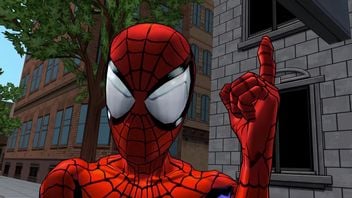
Ultimate Spider-Man, one of the nest games featuring this superhero, has been significantly upgradd for PC thanks to a new version of a popular mod.
Files and Mods
October 3, 2026
![Someone has remastered Medieval 2: Total War and Rome: Total War so well that the AI's moves are now calculated in a matter of seconds [Updated]](https://cdn.gracza.pl/i_gp/h/16/520721773.jpg)
Two ambitious fan projects are sure to make the wait for the release of Total War: Medieval III more enjoyable for fans. Thanks to these projects, Creative Assembly’s iconic strategy games have received a number of modern improvements.
Files and Mods
August 23, 2026
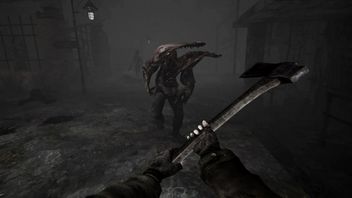
The collection of mods available on GOG.com has been expanded to include the excellent survival horror called Total Chaos.
Files and Mods
August 9, 2026
To celebrate the upcoming release of 007: First Light we take a look at the PC games featuring James Bond, and the mods that improve them.
Files and Mods
May 24, 2026
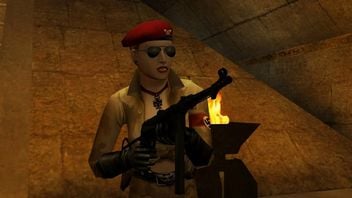
After two decades, PC gamers are finally be able to play the Egyptian levels originally designed for the console versions of Return to Castle Wolfenstein.
Files and Mods
May 17, 2026
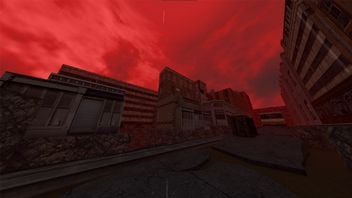
The freeware game Ashes: Blackwater has been released. It's a a spin-off to the popular post-apocalyptic FPS built on an enhanced version of the Doom II engine.
Files and Mods
April 26, 2026
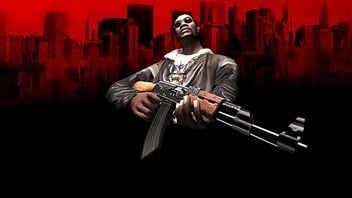
We've been waiting 21 years for this, but someone has finally fixed the PC version of the ambitious True Crime: New York City.
Files and Mods
March 29, 2026
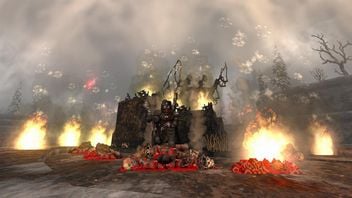
TrenchWork Group has released the free-to-play shooter Butcher's Summit. The project offers a two-hour single-player adventure set in a universe combining elements of diesel punk, science fiction and horror.
Files and Mods
February 8, 2026
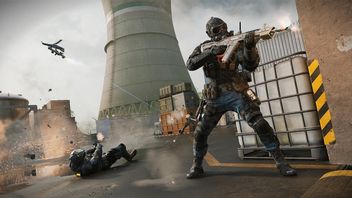
The remaster of the Meltdown map in Black Ops 7 was not to the liking of players. According to many, it performs worse compared to the original from Black Ops 2.
video games
January 16, 2026
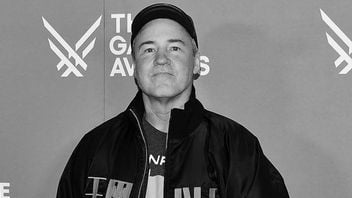
EA DICE, Infinity Ward, and Respawn Entertainment are not the only developers mourning the sudden death of Vince Zampella, along with fans of the CoD and BF series.
video games
December 23, 2025