Ubisoft Entertainment SA (originally Ubi Soft Entertainment Software) is a French company that has been around since 1986 and ranks among the oldest and largest publishers and developers of video games for PC, consoles, and mobile devices. Headquartered in Rennes, France, Ubisoft operates in about 20 countries worldwide, employing over 10,000 people - many of its studios enjoy significant independence and play a key role within the group. The company also owns several local distribution arms -such as Ubisoft UK - and has spent recent years co-producing films based on its most iconic franchises. Yves Guillemot, one of the five brothers who co-founded Ubisoft, has served as the company’s CEO almost since its inception.
Ubisoft develops games through a vast network of studios spread across the globe, collectively known as Ubisoft Studios. Many of these studios were built by Ubisoft itself, while others started as independent teams before being acquired by the French publisher.
Within Ubisoft’s structure, some studios lead major projects while others serve in supporting roles. Big-budget titles from Ubisoft’s flagship franchises - like Assassin’s Creed, Far Cry, and the Tom Clancy series - are typically developed through collaboration between multiple studios, each handling different aspects of the gameplay.
Ubisoft’s key studios include (in alphabetical order):
Beyond its current active studios, Ubisoft has also acquired or launched other teams over the years that were eventually closed. Notable examples include:
In its early years, Ubisoft focused on distributing games from leading global publishers, first in France and later internationally. Since the mid-1990s, once it began developing its own games, Ubisoft shifted its focus to publishing both its own titles and those created by acquired studios. As Ubisoft grew into a leading global publisher, its portfolio also expanded to include games developed by external studios outside the Ubisoft group. The most notable series of this kind include:
As a publisher, Ubisoft is active on nearly all major platforms, from PCs and consoles - both home and handheld - to popular mobile devices and social networks like Facebook. Although sports games and RPGs make up a smaller part of Ubisoft’s portfolio, the company doesn’t focus on any single genre, instead offering a wide range - from action, strategy, and racing games to arcade, platform, party, and casual browser titles.
Ubisoft was founded in March 1986 in the small French town of Carentoir, Brittany, by five brothers: Yves, Michel, Gérard, Christian, and Claude Guillemot. The company quickly partnered with leading global publishers like Electronic Arts, Sierra, and MicroProse, distributing their games in France and becoming the country’s largest video game distributor by 1993. In the late 1980s Ubisoft began expanding into international markets, including Germany, the UK, and the United States. In the early 1990s an internal development program was launched, leading to the creation of Ubisoft’s first in-house studio in 1994, located in Montreuil, a suburb of Paris. For years, the Montreuil studio also served as Ubisoft’s main office, even though the company’s official headquarters remained in Rennes. That same year, Michel Ancel created the character Rayman and began developing the series, which became Ubisoft’s first major success and one of its flagship franchises.
In 1996, Ubisoft went public, making its debut on the French stock exchange. At the same time, Ubisoft continued its international expansion, opening new offices and development studios in Annecy (France), Shanghai (China), Milan (Italy), and Montreal (Canada). In the late 1990s and early 2000s, Ubisoft also ventured into online gaming, supporting projects like Uru: Ages Beyond Myst (originally planned as a multiplayer game) and The Matrix Online, while becoming the European and Chinese publisher of the popular EverQuest. However, in 2004, the company had left this emerging market.
In 2000, Ubisoft acquired the American studio Red Storm Entertainment, founded by renowned author Tom Clancy and known for several acclaimed games based on his works, including the Tom Clancy's Rainbow Six series. In March 2001, Ubisoft acquired the entertainment division of The Learning Company from Gores Technology Group, along with the game portfolios of studios such as Broderbund Software, Mattel Interactive, Mindscape, and Strategic Simulations, Inc. Through this deal, Ubisoft gained the rights to well-known series like Myst and Prince of Persia. That same year, Ubisoft acquired the German studio Blue Byte Software, best known for The Settlers.
By 2003, Ubisoft had local branches in 22 countries, nine of which were directly involved in game development and played a key role within the company. In addition to Prince of Persia and The Settlers, the studio’s key franchises included Tom Clancy’s Ghost Recon and Tom Clancy’s Splinter Cell. In March 2004 Ubisoft worked alongside Crytek Studios to release Far Cry, launching another key Ubisoft franchise later continued by the company’s internal studios. That same year, Ubisoft launched Frag Dolls, a group of female gamers and testers tasked with promoting the company’s games. For more than a decade, the group operated three teams in the US, UK, and France, before being disbanded in May 2015.
In December 2004, rival Electronic Arts acquired a 19.9% stake in Ubisoft, fueling speculation about a potential takeover. However, the takeover never materialized, and six years later, EA sold nearly all of its Ubisoft shares. In June 2006 Ubisoft made a deal with Atari / Infogrames and purchased the rights to the Driver series, alongside its British developer Reflections Interactive (later renamed to Ubisoft Reflections). In November 2007, Assassin’s Creed, developed by Ubisoft Montreal, launched on Xbox 360 and PlayStation 3. It was a huge success, launching one of Ubisoft’s most important and actively developed franchises, which has produced several main installments as well as numerous spin-offs - such as Assassin’s Creed Chronicles - for both major consoles and mobile devices.
In July 2008, Ubisoft acquired Montreal-based Hybride Technologies, a studio previously known for its visual effects work in films and commercials. A month later, at the Games Convention in Leipzig, Ubisoft announced the opening of a local branch in Poland, which would handle game distribution in the country and actively participate in localization. In November of the same year, Ubisoft acquired the Swedish studio Massive Entertainment - known for games like World in Conflict and the Ground Control series - from Activision Blizzard. A year later, Ubisoft acquired the French studio Nadeo, best known for the Trackmania series.
In 2009, the first installment of the Just Dance series debuted, initially designed exclusively for the Nintendo Wii motion controller. Over the years, it grew into one of Ubisoft’s flagship casual franchises, developed across all major consoles. At the start of the 2010s, Ubisoft increased its investment in the rapidly growing mobile games market, creating portable versions of its key franchises, including Anno, Assassin’s Creed, Rayman, and Trials. At the same time, Ubisoft launched several free-to-play browser games, with the most successful being The Settlers Online, Anno Online, and Might & Magic: Heroes Online.
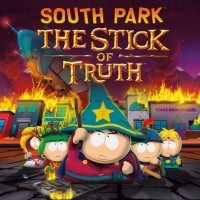
In November 2011, Ubisoft acquired Finnish studio RedLynx, the creators of the popular Trials series. In January 2013, Ubisoft acquired the rights to South Park: The Stick of Truth, developed by Obsidian Entertainment, from the bankrupt THQ Inc. That same year, Ubisoft announced plans for major investments in its Montreal and Quebec offices, including building an in-house motion capture studio and integrating the company’s online gaming infrastructure. At the end of 2014, Ubisoft released the racing game The Crew, developed by a French studio - Ivory Tower, which was acquired by the company a few months later.
In March 2015, Ubisoft opened a new Customer Relations Center in Newcastle, UK, bringing together technical support teams and community managers. In October of the same year, French media company Vivendi acquired a 6% stake in Ubisoft. Concerned about a potential takeover, Yves Guillemot sought support from individual investors to secure a slightly larger portion of private capital. Vivendi, however, persisted, and by acquiring Gameloft - founded and led by Michel Guillemot - boosted its stake in Ubisoft to 15%, and later to 22.8%.
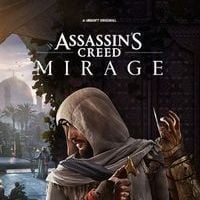
In the following years, the French publisher released new, expansive titles from its most popular franchises, including Far Cry 6 (2021), as well as new installments of the Just Dance series and Tom Clancy’s Rainbow Six: Extraction (2022). Assassin’s Creed: Mirage (2023), The Crew: Motorfest (2023), and Prince of Persia: The Lost Crown (2024) were slightly smaller in scale compared to their predecessors.
The company also pursued other major projects, including Riders Republic (2021), Mario + Rabbids: Sparks of Hope (2022), and Avatar: Frontiers of Pandora (2023). The publisher also experimented with new formats, releasing the quasi-sports Roller Champions (2022) as a free-to-play title, and Assassin’s Creed: Nexus VR (2023), designed for virtual reality headsets.
Meanwhile, in September 2022, Tencent injected additional funds into Guillemot Brothers Limited, the company owned by the Guillemot brothers. Additionally, in October 2023, Ubisoft partnered with Microsoft to acquire the rights to operate Activision Blizzard games in the cloud.
The year 2024 saw Ubisoft release titles such as Prince of Persia: The Lost Crown, Skull and Bones (finally emerging from development hell), and Star Wars: Outlaws. Although it was one of the first Star Wars licensed games since 2013 not produced by Electronic Arts, belonged to a best-selling franchise, and was well received by industry media, it fell short of expected commercial success.
Ubisoft’s declining stock value prompted an open letter from investors demanding significant changes, not only to the company’s catalog and structure - which could include job cuts - but also at the top, calling for the replacement of CEO Yves Guillemot. These developments led to further drops in Ubisoft’s share price, bringing it close to its lowest point in the past decade.
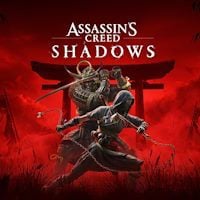
The French giant didn’t sit idly by and took decisive action. First, it was announced that the release of Assassin’s Creed: Shadows would be postponed to 2025, with plans to launch it simultaneously on the Ubisoft Store, Epic Games Store, and Steam. In addition, it was announced that Star Wars: Outlaws would launch on Steam, with developers promising a major overhaul of the game. Finally, the company announced that going forward, all its games would launch on Steam on day one - a practice that hadn’t occurred since 2019. The French company has also launched an internal investigation to examine the causes of its rapidly declining performance and the steps needed for improvement, particularly regarding its approach to players.
In early October, Bloomberg reported that Tencent, which then held less than 10% of Ubisoft shares, was in talks with the Guillemot family - who owned 14% - about a potential joint buyout of the company. All this to strengthen its value after the record loss in 2024.
Moreover, the challenges facing the French giant went beyond financial issues. On October 9, Ubisoft was sued for allegedly sharing personal data of Ubisoft+ and Ubisoft Store users with Meta without their consent. As if that weren’t enough, when Ubisoft announced plans for a partial return to offices (at least three days a week), employees in its French branches organized protests, demanding negotiations on the changes, pay raises, and improved "social dialogue". Shortly afterward, unofficial reports surfaced suggesting that several veterans were set to leave Ubisoft’s Italian branch, based in Milan.
Other rumors suggested the disbandment of the team behind Prince of Persia: The Lost Crown, reportedly due to the game’s underwhelming sales. However, the French giant quickly addressed the rumors, clarifying that the developers behind the Prince’s adventures are still employed by Ubisoft but have been reassigned to "other projects".
Although officially kept under wraps, Insider-Gaming reported that the talks involved Beyond Good & Evil 2, the next main installment in the Ghost Recon series, and the mysterious Steambot project, reportedly a Rayman remake. Ubisoft soon confirmed that Ubisoft Montpellier and Ubisoft Milan were developing new adventures for the iconic hero, though it didn’t clarify whether these would be a remake or an entirely new installment in the series. Interestingly, Michel Ancel, who left Ubisoft in 2020, was reportedly set to take part in the development of the new Rayman game. Another positive sign came regarding Beyond Good & Evil 2, which, according to unofficial reports, was supposedly on track for eventual completion, albeit still far off. It’s worth noting that in October 2024, Francis Coldeboeuf was appointed head of the last-mentioned project.
Although the financial report for the first half of the 2024–2025 fiscal year, published at the end of October showed a significant loss - partly due to Star Wars: Outlaws sales falling "below expectations" - hopes for a turnaround were pinned on Assassin’s Creed: Shadows, continued successes from other popular franchises, and a renewed focus on players with more polished game releases.
However, Ubisoft’s hopes were not saved by Tom Clancy’s XDefiant, whose failure was announced by the French company in early December 2024. Just over six months after its release, it was decided that the game’s servers would remain active until June 3, 2025. The aftermath saw more than half of XDefiant’s developers reassigned to other projects, while the rest were laid off. This affected 143 employees from Ubisoft San Francisco and 134 developers from the Osaka and Sydney studios. In addition, the Ubisoft San Francisco and Ubisoft Osaka studios were slated for closure.
The publisher’s situation was further complicated by another delay for Assassin’s Creed: Shadows, with its release pushed from February to March in early 2025. However, January 2025 brought unofficial reports suggesting that Tencent and Ubisoft were planning moves to boost the company’s value. At the core of their plan was the creation of a new venture leveraging the publisher’s assets. Under the plan, certain rights and assets would be moved to this mysterious entity and eventually transferred to Tencent, while the Guillemot family would maintain control of Ubisoft.
Meanwhile, at the end of January, news emerged that yet another Ubisoft studio had closed. This concerned Ubisoft Leamington, initially known for its social games and later for supporting other Ubisoft teams. As a result of the closure, around 50 employees lost their jobs. At the same time, it was announced that this move was part of a broader restructuring affecting a total of 185 employees across Ubisoft Düsseldorf, Ubisoft Stockholm, and Ubisoft Reflections.
Assassin’s Creed: Shadows launched on March 20, 2025. The game was both an artistic and commercial success, receiving 'very positive' reviews on Steam and Metacritic scores averaging between 79 and 85/100, depending on the platform.
Shortly after, the French publisher announced that it was deepening its partnership with Tencent. The plan involved creating a new subsidiary to oversee Assassin’s Creed, Far Cry, and Tom Clancy’s Rainbow Six. Tencent was set to acquire a 25% stake in the then-unnamed company, with the deal expected to close by the end of 2025.
Uplay is Ubisoft’s digital distribution and DRM platform, also functioning as a multiplayer hub and social network for gamers. The service is available across all major platforms, including PCs, Sony, Microsoft and Nintendo consoles, as well as popular mobile devices running iOS, Android, and even Windows Phone. Uplay features its own achievement system, rewarding players with special Uplay points, known as Units, for completing specific in-game objectives. These Units can then be redeemed for exclusive rewards, such as wallpapers, bonus missions, or special items in various Ubisoft games. An integral part of the platform is its store, which also offers selected games from other publishers, though all service features remain exclusive to Ubisoft titles.
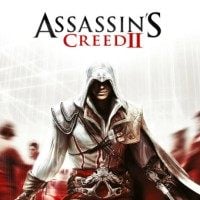
The Uplay service launched in 2009, debuting alongside the release of Assassin's Creed II, which required activation through the platform after purchase. Initially, Uplay operated through a basic application called Ubisoft Game Launcher, which in July 2012 was replaced by the Uplay client - designed in the style of other major digital distribution platforms such as Steam and Origin. The Uplay client links player accounts across multiple platforms (PC, consoles, mobile devices, and even Facebook), enabling users to purchase and launch games, earn currency and rewards, and communicate with other members of the service.
When Uplay first launched on PCs, it required a constant Internet connection, which led to numerous technical issues and widespread criticism from players. Games using Uplay could not be played offline, and any loss of network connection would interrupt gameplay and return the player to the last checkpoint. Following numerous user protests, Ubisoft removed the always-online requirement at the end of 2010, replacing it with a one-time game activation system. Despite this change, several games released after 2010, such as Driver: San Francisco, From Dust, and The Crew, still implemented similar always-online requirements. In its early days, some Ubisoft games also required a special online pass known as Uplay Passport. However, the company withdrew from this solution at the end of 2013.
In October 2020, Ubisoft merged the Uplay and Ubisoft Club services under the unified brand Ubisoft Connect. At the same time, Uplay+ was rebranded as Ubisoft+.
Over the years, Ubisoft has actively promoted its key franchises beyond the video game market. In May 2010, the feature film Prince of Persia: The Sands of Time, directed by Mike Newell, was released, based on Ubisoft’s Prince of Persia video game series. The company also launched a Montreal-based branch called UbiWorkshop, tasked with producing limited-edition artbooks, short films, and comics inspired by Ubisoft games, in collaboration with renowned artists. Among its projects, the company has released three short films, along with several comic book series and novels set in the Assassin’s Creed universe.
In January 2011, Ubisoft established another division, Ubisoft Motion Pictures, in Rennes, with Gérard Guillemot at the helm. The studio’s first project was the animated series Rabbids Invasion, created in collaboration with Nickelodeon and debuting in 2013. The show featured the zany Rabbids, originally introduced in the Rayman games, who later starred in their own game series. The series also inspired an attraction, Les Lapins Crétins, at the renowned French amusement park Futuroscope. In 2017, Ubisoft Motion Pictures premiered its first feature film, presenting an entirely new story set in the world of Assassin’s Creed. As early as 2016, the company announced plans to produce additional feature films based on franchises such as Far Cry, Watch Dogs, Tom Clancy’s Ghost Recon, Tom Clancy’s Splinter Cell, and Tom Clancy’s The Division.
List of all games in development by Ubisoft.
Heroes of Might and Magic III Remake - 2027 - PC, PS5, XSX
Tom Clancy's Rainbow Six Tactics - 2027 - PC, PS5, XSX
Assassin's Creed: Jade - TBA - iOS, AND
Far Cry 7 - TBA - PC, PS5, XSX
Project Scout - TBA - PC
Assassin's Creed: Invictus - TBA - PC
Tom Clancy's Ghost Recon 8 - TBA - PC
List of all released games developed by Ubisoft.
Tom Clancy's The Division: Resurgence - March 31, 2026 - AND, iOS, PC
Rayman: 30th Anniversary Edition - February 13, 2026 - PS5, PC, XSX, Switch
Might & Magic: Fates TCG - February 4, 2026 - PC, AND, iOS
Just Dance 2026 - October 14, 2025 - PS5, XSX, Switch
Assassin's Creed: Animus Hub - March 20, 2025 - PC, PS5, XSX
Champions Tactics - October 23, 2024 - PC
Just Dance 2025 - October 15, 2024 - Switch, PS5, XSX
Beyond Good & Evil: 20th Anniversary Edition - June 25, 2024 - PC, PS5, XSX, PS4, XONE, Switch
Rainbow Six: SMOL - February 20, 2024 - AND, iOS
Just Dance 2024 - October 24, 2023 - PS5, XSX, Switch
Assassin's Creed: Mirage - October 5, 2023 - PC, PS5, XSX, PS4, XONE
Just Dance 2023 - November 22, 2022 - PS5, XSX, Switch
Rabbids: Party of Legends - June 30, 2022 - Switch, PS4, XONE, PC
Monopoly Madness - December 9, 2021 - PC, XONE, PS4, Switch
Just Dance 2022 - November 4, 2021 - PS4, XONE, PS5, XSX, Switch
Discovery Tour: Viking Age - October 19, 2021 - PC, PS4, XONE, PS5, XSX
Just Dance 2021 - November 12, 2020 - PS4, XONE, Switch, XSX, PS5
AGOS: A Game of Space - October 28, 2020 - PC
Tom Clancy's Elite Squad - August 27, 2020 - AND, iOS
Might & Magic: Chess Royale - January 30, 2020 - PC, iOS, AND
Assassin's Creed: The Rebel Collection - December 6, 2019 - Switch
Just Dance 2020 - November 5, 2019 - PS4, Switch, XONE, Wii
Rabbids Coding - October 4, 2019 - PC
Discovery Tour by Assassin's Creed: Ancient Greece - September 10, 2019 - PC
Assassin's Creed III Remastered - March 29, 2019 - Switch, PC, PS4, XONE
Assassin's Creed III: Liberation Remastered - March 29, 2019 - PC, PS4, XONE, Switch
Space Junkies - March 26, 2019 - PC, PS4
Sports Party - October 30, 2018 - Switch
Just Dance 2019 - October 25, 2018 - X360, PS4, Wii, WiiU, XONE, Switch
Hungry Dragon - August 30, 2018 - AND, iOS
Far Cry 5: Dead Living Zombies - August 28, 2018 - PC, PS4, XONE
Far Cry 5: Lost on Mars - July 17, 2018 - PC, PS4, XONE
Far Cry 5: Hours of Darkness - June 5, 2018 - PC, PS4, XONE
Might & Magic: Elemental Guardians - May 31, 2018 - iOS, AND
Discovery Tour by Assassin's Creed: Ancient Egypt - February 20, 2018 - PC
Just Dance 2018 - October 24, 2017 - PS3, X360, Wii, WiiU, Switch, PS4, XONE
Assassin's Creed: The Ezio Collection - November 15, 2016 - PS4, XONE, Switch
Just Dance 2017 - October 25, 2016 - PS4, XONE, WiiU, PS3, X360, Wii, PC, Switch
Battleship (2016) - August 2, 2016 - XONE, PS4
NCIS: Hidden Crimes - May 10, 2016 - AND, iOS
Tom Clancy's EndWar Online - February 4, 2016 - PC
Smurfs Epic Run - January 13, 2016 - iOS, AND
Just Dance 2016 - October 22, 2015 - PS4, XONE, WiiU, PS3, X360, Wii
Gravity Falls: Legend of the Gnome Gemulets - October 20, 2015 - 3DS
Monopoly Plus - November 26, 2014 - PC
The Crew Road Empire - November 20, 2014 - iOS
Far Cry 4 Arcade Poker - November 18, 2014 - iOS, AND
Rabbids Invasion: The Interactive TV Show - November 18, 2014 - XONE, X360, PS4
Assassin's Creed: Rogue - November 11, 2014 - PC
Tetris Ultimate - November 11, 2014 - PS3, X360, 3DS, XONE, PS4, PSV, PC
Just Dance 2015 - October 21, 2014 - PS4, XONE, WiiU, PS3, X360, Wii
CSI: Hidden Crimes - April 23, 2014 - iOS, AND, PC
Might & Magic: Duel of Champions - Forgotten Wars - April 9, 2014 - X360, PS3, PC
South Park: The Stick of Truth - March 4, 2014 - Switch
Far Cry Classic - February 11, 2014 - X360, PS3
Rayman Fiesta Run - November 7, 2013 - iOS, AND, WP, PC
Just Dance 2014 - October 1, 2013 - PS4, XONE, X360, PS3, WiiU, Wii
Prince of Persia: The Shadow and the Flame - July 25, 2013 - iOS, AND
The Smurfs 2 - July 19, 2013 - NDS
Assassin's Creed III: The Tyranny of King Washington - The Redemption - April 23, 2013 - PC, X360, WiiU, PS3
Assassin's Creed III: The Tyranny of King Washington - The Betrayal - March 19, 2013 - PC, X360, WiiU, PS3
Assassin's Creed III: The Tyranny of King Washington - The Infamy - February 19, 2013 - PC, X360, WiiU, PS3
Might & Magic: Duel of Champions - December 18, 2012 - PC
Sports Connection - November 18, 2012 - WiiU
Rabbids Rumble - November 13, 2012 - 3DS
Your Shape: Fitness Evolved 2013 - November 13, 2012 - WiiU
Just Dance: Disney Party - October 23, 2012 - X360, Wii
Monster 4x4 3D - October 9, 2012 - 3DS
Rayman Jungle Run - September 18, 2012 - WP, PC, iOS, AND
The Expendables 2 - August 21, 2012 - X360, PC, PS3
I Am Alive - March 7, 2012 - Wii, X360, PS3, PC
Puppies World 3D - November 10, 2011 - 3DS
My Self-Defence Coach - November 8, 2011 - X360
The Black Eyed Peas Experience - November 8, 2011 - X360
Your Shape: Fitness Evolved 2012 - November 8, 2011 - X360
James Noir's Hollywood Crimes - November 1, 2011 - 3DS
NCIS - October 28, 2011 - PS3, X360, PC, Wii, 3DS
Motionsports Adrenaline - October 21, 2011 - PS3, X360
Tom Clancy's Splinter Cell Trilogy - September 16, 2011 - PS3
Puzzler Mind Gym 3D - September 13, 2011 - 3DS
Driver: San Francisco - September 1, 2011 - X360, PS3, Wii, PC
Driver: Renegade - August 30, 2011 - 3DS
The Smurfs & Co - July 29, 2011 - PC
The Smurfs Dance Party - July 19, 2011 - Wii
Rayman 3D - March 25, 2011 - 3DS
Rabbids 3D - March 24, 2011 - 3DS
My Fitness Coach Club - March 17, 2011 - PS3, Wii
Tom Clancy's Splinter Cell 3DS - March 17, 2011 - 3DS
Dance on Broadway - March 15, 2011 - PS3
Fit in Six - March 15, 2011 - Wii, PS3
We Dare - March 11, 2011 - Wii, PS3
Beyond Good & Evil HD - March 2, 2011 - X360, PS3
Michael Jackson: The Experience - November 23, 2010 - PSP, NDS, PSV
Tom Clancy's Ghost Recon (2010) - November 16, 2010 - Wii
Might & Magic: Heroes Battles - November 12, 2010 - PC
Just Dance Kids - November 9, 2010 - Wii
Motion Sports: Play For Real - November 4, 2010 - X360
Your Shape: Fitness Evolved - November 4, 2010 - X360
Tom Clancy’s Ghost Recon Predator - October 1, 2010 - PSP
Tom Clancy’s H.A.W.X. 2 - September 3, 2010 - X360, PS3, Wii, PC
Might & Magic: Heroes Kingdoms - August 11, 2010 - PC
Pure Futbol - May 27, 2010 - PC, X360, PS3
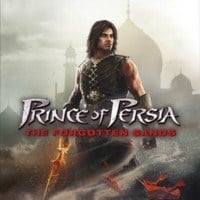
Prince of Persia: The Forgotten Sands - May 18, 2010 - NDS
Battle of Giants: Mutant Insects - March 2, 2010 - NDS
Silent Hunter 5: Battle of the Atlantic - March 2, 2010 - PC
Dog Playground - February 5, 2010 - PC
Arthur and the Revenge of Maltazard - November 26, 2009 - PC, PS3, Wii, NDS
Your Shape - November 24, 2009 - PC, Wii
Assassin's Creed II: Discovery - November 17, 2009 - NDS
Assassin's Creed: Bloodlines - November 17, 2009 - PSP
Imagine: Champion Rider - November 13, 2009 - PC
C.O.P. The Recruit - November 3, 2009 - NDS
Rabbids Go Home - November 1, 2009 - NDS
Battle of Giants: Dragons - September 29, 2009 - NDS
Cloudy with a Chance of Meatballs - September 11, 2009 - Wii, X360, PS3, PSP, NDS, PC
Academy of Champions: Soccer - September 4, 2009 - Wii
Imagine Teacher: Class Trip - August 25, 2009 - NDS
Imagine: Pet Vet - May 8, 2009 - PC
World Sports Party - March 27, 2009 - Wii
Grey's Anatomy: The Video Game - March 10, 2009 - PC, Wii, NDS
Prince of Persia: Epilogue - March 5, 2009 - X360, PS3
Tom Clancy's H.A.W.X. - March 3, 2009 - PC, PS3, X360
Scrabble 2009 - February 13, 2009 - Wii, NDS
Prince of Persia: The Fallen King - December 2, 2008 - NDS
Tim Power Fire-Fighter - November 21, 2008 - NDS
Tim Power Handyman - November 21, 2008 - NDS
Tim Power Policeman - November 21, 2008 - NDS
Imagine Ballet Dancer - November 19, 2008 - NDS
Imagine Movie Star - November 18, 2008 - NDS
Petz: Monkey Madness - November 18, 2008 - Wii
Petz: My Kitten Family - November 18, 2008 - NDS
Petz: My Monkey Family - November 18, 2008 - NDS
Shaun White Snowboarding - November 14, 2008 - Wii
My Stop Smoking Coach with Allen Carr - November 11, 2008 - NDS
Petz Sports: Dog Playground - November 4, 2008 - Wii
Tom Clancy's EndWar - November 4, 2008 - PC, X360, PS3, PSP, NDS
Battle of Giants: Dinosaurs - October 14, 2008 - NDS
Cesar Millan's Dog Whisperer - October 14, 2008 - NDS, PC
Imagine Modern Dancer - September 19, 2008 - NDS
Tim Stockdale's Riding Star - September 19, 2008 - NDS, PS2, PC
My Secret World - September 16, 2008 - NDS
The Price is Right - September 6, 2008 - NDS, Wii, PC
My Chinese Coach - August 26, 2008 - NDS
Imagine Teacher - August 12, 2008 - NDS
Quick Yoga Training - August 6, 2008 - NDS
My Health Coach: Weight Management - June 24, 2008 - NDS
Imagine Rock Star - June 17, 2008 - NDS
Stratego: Next Edition - June 5, 2008 - NDS
Imagine Figure Skater - March 4, 2008 - NDS
Petz: Bunnyz - March 4, 2008 - NDS
Silent Hunter 4: Wolves of the Pacific – U-Boat Missions - February 29, 2008 - PC
Puppy Palace - February 5, 2008 - NDS
Heroes of Might and Magic: Complete Edition - January 4, 2008 - PC
Cranium Kabookii - December 4, 2007 - Wii
My French Coach Level 2: Intermediate - November 23, 2007 - NDS
My Spanish Coach Level 2: Intermediate - November 23, 2007 - NDS
Rayman Raving Rabbids 2 - November 15, 2007 - NDS
Beowulf - November 13, 2007 - PS3, X360, PSP, PC
Petz: Horsez 2 - November 13, 2007 - PC, NDS, Wii, PS2
Petz: Hamsterz 2 - November 9, 2007 - NDS
My French Coach - November 6, 2007 - NDS, Wii
My Spanish Coach - November 6, 2007 - NDS, Wii
Chessmaster: Grandmaster Edition - October 30, 2007 - PC, X360
Imagine Animal Doctor - October 23, 2007 - NDS
Imagine Babyz - October 23, 2007 - NDS
Petz: Catz 2 - October 15, 2007 - PC, PS2, NDS, Wii
Petz: Dogz 2 - October 12, 2007 - PC, PS2, Wii, NDS
Blazing Angels 2: Secret Missions of WWII - September 7, 2007 - X360, PC, PS3
Cosmic Family - August 28, 2007 - Wii
Surf's Up: Activity Center - August 3, 2007 - PC
Top Trumps: Horror and Predators - July 27, 2007 - PC
Prince of Persia Classic - June 13, 2007 - AND, iOS
Surf's Up - May 29, 2007 - PC, PS2, GCN, PS3, X360, Wii
Pawly Pets: My Pet Hotel - May 8, 2007 - NDS
Prince of Persia: Rival Swords - April 3, 2007 - PSP, Wii
Silent Hunter 4: Wolves of the Pacific - March 20, 2007 - PC
Rocky Balboa - January 16, 2007 - PSP
Open Season: Activity Centre - December 17, 2006 - PC
Brothers in Arms: D-Day - December 5, 2006 - PSP
Star Wars: Lethal Alliance - December 5, 2006 - PSP, NDS
Asphalt 2 Urban GT - November 14, 2006 - NDS, PSP
Prince of Persia: Trilogy - October 27, 2006 - PS2
UNO - May 9, 2006 - XONE, PS4, PC, Switch
Street Riders - March 31, 2006 - PSP
Blazing Angels: Squadrons of WWII - March 23, 2006 - XBOX, X360, PC, PS3, Wii
Monster 4x4: World Circuit - March 23, 2006 - Wii, XBOX
Battles of Prince of Persia - December 6, 2005 - NDS
Prince of Persia: Revelations - December 6, 2005 - PSP
Kong: The 8th Wonder of the World - November 22, 2005 - GBA
Trollz: Hair Affair - November 1, 2005 - GBA
Star Wars Episode III: Revenge of the Sith - May 4, 2005 - GBA, NDS
Silent Hunter III - March 15, 2005 - PC
Rayman DS - March 11, 2005 - NDS
Winnie the Pooh's Rumbly Tumbly Adventure - February 8, 2005 - PS2, GCN, GBA
Sprung: A Game Where Everyone Scores - December 8, 2004 - NDS
Asphalt Urban GT - November 17, 2004 - NDS
Tom Clancy's Ghost Recon 2 - November 16, 2004 - PS2, GCN
Chessmaster 10th Edition - August 9, 2004 - PC
Tom Clancy's Splinter Cell: Pandora Tomorrow - March 23, 2004 - GBA, XBOX, PC, PS2
Monster 4x4: Masters of Metal - November 24, 2003 - PS2, GCN
In Memoriam - October 17, 2003 - PC
Charlie's Angels - July 4, 2003 - PS2, GCN
Downtown Run - March 28, 2003 - PC, PS2
Rayman 3: Hoodlum Havoc - February 15, 2003 - GBA, GCN
Speed Challenge: Jacques Villeneuve's Racing Vision - November 20, 2002 - PC
Pro Rally - October 4, 2002 - GCN
Chessmaster 9000 - August 28, 2002 - PC
Rayman Rush - July 8, 2002 - PS1
Monster Jam Maximum Destruction - June 13, 2002 - GCN, PS2
The Sum of All Fears - May 28, 2002 - GBA
Pro Rally 2002 - March 28, 2002 - PS2
VIP - March 24, 2002 - PC, PS2
Tom Clancy's Rainbow Six: Rogue Spear (2002) - March 18, 2002 - GBA
Kiyeko i utracona noc - August 15, 2001 - PC
Dragon Riders: Chronicles of Pern - July 15, 2001 - PC
Payuta and the Ice God - April 15, 2001 - PC
F1 Racing Championship - March 22, 2001 - PC
Pro Rally 2001 - December 15, 2000 - PC
F1 Racing Simulation - May 10, 1997 - PC
Rayman Brain Games - December 31, 1996 - PC
Rabbids Heroes - cancelled - iOS, AND
Tom Clancy's Ghost Recon: Frontline - cancelled - PC, PS4, XONE, PS5, XSX
Tom Clancy's ShadowBreak - cancelled - iOS, AND
Rocksmith (iOS) - cancelled - iOS
Killer Freaks From Outer Space - cancelled - WiiU
Larry Bond's Harpoon 4 - cancelled - PC
Might & Magic Showdown - cancelled - PC
Might & Magic: Raiders - cancelled - PC
My Life Coach - cancelled - NDS
Tom Clancy's EndWar 2 - cancelled - X360, PS3
Tom Clancy's Rainbow 6 Patriots - cancelled - PC, X360, PS3, XONE, PS4
List of all upcoming games that will be published by Ubisoft.
Tom Clancy’s The Division 2: Echoes of Central Park - November 3, 2026 - PC, PS4, XONE
Anno 117: Pax Romana - Dawn of the Delta - November 5, 2026 - PC, PS5, XSX
Rayman Legends Retold - December 3, 2026 - PS5, PC, NS2, XSX
Rayman Origins: Enhanced Edition - December 3, 2026 - PC, PS5, NS2, XSX
Assassin's Creed: Hexe - H2 2027 - PC, PS5, XSX
Heroes of Might and Magic III Remake - 2027 - PC, PS5, XSX
Tom Clancy's Rainbow Six Tactics - 2027 - PC, PS5, XSX
Beyond Good & Evil 2 - TBA - PS5, XSX, PC
Tom Clancy's Splinter Cell Remake - TBA - PC, PS5, XSX
Tom Clancy's The Division 3 - TBA - PC, PS5, XSX
Far Cry 7 - TBA - PC, PS5, XSX
Project Scout - TBA - PC
Assassin's Creed: Invictus - TBA - PC
Tom Clancy's Ghost Recon 8 - TBA - PC
List of all released games published by Ubisoft.
The Crew: Motorfest - Tomb Raider: Secrets of Ni’ihau - October 7, 2026 - PC, PS5, XSX, PS4, XONE, NS2
Anno 117: Pax Romana - The Hippodrome - August 20, 2026 - PC, PS5, XSX
Assassin’s Creed: Black Flag Resynced - July 9, 2026 - PC, PS5, XSX
Monopoly: Star Wars Heroes vs. Villains - June 30, 2026 - PC, PS5, Switch, NS2, XSX
Anno 117: Pax Romana - Prophecies of Ash - April 30, 2026 - PC, PS5, XSX
Morbid Metal - April 8, 2026 - PC
Tom Clancy's The Division: Resurgence - March 31, 2026 - AND, iOS, PC
Rayman: 30th Anniversary Edition - February 13, 2026 - PS5, PC, XSX, Switch
Might & Magic: Fates TCG - February 4, 2026 - AND, iOS, PC
Avatar: Frontiers of Pandora - From the Ashes - December 19, 2025 - PC, PS5, XSX
Anno 117: Pax Romana - November 12, 2025 - PC, PS5, XSX
Just Dance 2026 - October 14, 2025 - PS5, XSX, Switch
Assassin's Creed: Shadows - Claws of Awaji - September 16, 2025 - PC, PS5, XSX
The Rogue Prince of Persia - August 20, 2025 - PC, XSX, PS5, Switch, NS2
Tom Clancy's The Division 2: Battle for Brooklyn - May 27, 2025 - PC, PS4, XONE
Star Wars: Outlaws - A Pirate's Fortune - May 15, 2025 - XSX, PS5, PC
Assassin's Creed: Animus Hub - March 20, 2025 - PC, PS5, XSX
Assassin's Creed: Shadows - March 20, 2025 - NS2, PC, PS5, XSX
Tom Clancy's Rainbow Six Mobile - February 25, 2025 - AND, iOS
Avatar: Frontiers of Pandora - Secrets of the Spires - November 28, 2024 - PC, PS5, XSX
Star Wars: Outlaws - Wild Card - November 21, 2024 - PC, PS5, XSX
Champions Tactics - October 23, 2024 - PC
Just Dance 2025 - October 15, 2024 - Switch, PS5, XSX
Star Wars: Outlaws - August 30, 2024 - PC, PS5, XSX, NS2
Avatar: Frontiers of Pandora - The Sky Breaker - July 16, 2024 - PC, PS5, XSX
Beyond Good & Evil: 20th Anniversary Edition - June 25, 2024 - PC, PS5, XSX, PS4, XONE, Switch
XDefiant - May 21, 2024 - PC, PS4, PS5, XONE, XSX
Skull and Bones - February 16, 2024 - PS5, XSX, PC
Prince of Persia: The Lost Crown - January 18, 2024 - PC, PS4, XONE, Switch, PS5, XSX, AND, iOS
Avatar: Frontiers of Pandora - December 7, 2023 - PC, XSX, PS5
Assassin's Creed: Nexus VR - November 16, 2023 - PC
Just Dance 2024 - October 24, 2023 - PS5, XSX, Switch
Assassin's Creed: Mirage - October 5, 2023 - PC, PS5, XSX, PS4, XONE, iOS
The Crew: Motorfest - September 14, 2023 - PC, PS5, XSX, PS4, XONE, NS2
The Settlers: New Allies - February 17, 2023 - PC, PS4, XONE, Switch
Valiant Hearts: Coming Home - January 31, 2023 - AND, iOS, PC, PS4, XONE, Switch, PS5, XSX
OddBallers - January 26, 2023 - PC, XONE, Switch, PS4
Anno 1800: New World Rising - December 8, 2022 - PC
Far Cry 6: Lost Between Worlds - December 6, 2022 - PC, PS4, XONE, PS5, XSX
Assassin's Creed: Valhalla - The Last Chapter - November 30, 2022 - PC, PS4, XONE, PS5, XSX
Just Dance 2023 - November 22, 2022 - PS5, XSX, Switch
Mario + Rabbids: Sparks of Hope - October 20, 2022 - Switch
Anno 1800: Empire of the Skies - September 20, 2022 - PC
Rocksmith+ - September 6, 2022 - PC, PS4, XONE, PS5, XSX, AND, iOS
Rabbids: Party of Legends - June 30, 2022 - Switch, PS4, XONE, PC
Roller Champions - May 25, 2022 - PC, PS4, XONE, Switch
Anno 1800: Seeds of Change - April 12, 2022 - PC
Assassin's Creed: Valhalla - Dawn of Ragnarok - March 10, 2022 - PC, PS4, XONE, PS5, XSX
Far Cry 6 - Joseph: Collapse - February 8, 2022 - PC, PS5, XSX, PS4, XONE
Tom Clancy's Rainbow Six: Extraction - January 20, 2022 - PC, PS4, XONE, XSX, PS5
Far Cry 6 - Pagan: Control - January 11, 2022 - PC, PS5, XSX, PS4, XONE
Monopoly Madness - December 9, 2021 - PC, XONE, PS4, Switch
Far Cry 6 - Vaas: Insanity - November 16, 2021 - PC, PS4, XONE, PS5, XSX
Just Dance 2022 - November 4, 2021 - PS4, XONE, PS5, XSX, Switch
Riders Republic - October 28, 2021 - PC, PS4, XONE, PS5, XSX
Discovery Tour: Viking Age - October 19, 2021 - PC, PS4, XONE, PS5, XSX
Far Cry 6 - October 7, 2021 - PC, PS4, XONE, PS5, XSX
Anno 1800: The High Life - September 1, 2021 - PC
Assassin's Creed: Valhalla - The Siege of Paris - August 12, 2021 - PC, PS4, XONE, PS5, XSX
Watch Dogs: Legion - Bloodline - July 6, 2021 - PC, PS4, XONE, PS5, XSX
Anno 1800: Tourist Season - May 25, 2021 - PC
Assassin's Creed: Valhalla - Wrath of the Druids - May 13, 2021 - PC, PS4, XONE, PS5, XSX
Immortals: Fenyx Rising - The Lost Gods - April 22, 2021 - PC, PS4, XONE, Switch, PS5, XSX
Immortals: Fenyx Rising - Myths of the Eastern Realm - March 25, 2021 - PC, PS4, XONE, Switch, PS5, XSX
Anno 1800: Docklands - February 23, 2021 - PC
Immortals: Fenyx Rising - A New God - January 28, 2021 - PC, PS4, XONE, Switch, PS5, XSX
Scott Pilgrim vs. The World: The Game - Complete Edition - January 14, 2021 - PC, PS4, XONE, Switch
Immortals: Fenyx Rising - December 3, 2020 - PS5, XSX, PC, PS4, XONE, Switch
Just Dance 2021 - November 12, 2020 - PS4, XONE, Switch, PS5, XSX
Assassin's Creed: Valhalla - November 10, 2020 - PC, PS4, XONE, PS5, XSX
Watch Dogs: Legion - October 29, 2020 - XSX, PS5, PC, XONE, PS4
AGOS: A Game of Space - October 28, 2020 - PC
Anno 1800: Land of Lions - October 22, 2020 - PC
Tom Clancy's Elite Squad - August 27, 2020 - AND, iOS
Hyper Scape - August 11, 2020 - PC, PS4, XONE
Trackmania - July 1, 2020 - PC, XONE, XSX, PS4, PS5
Anno History Collection - June 25, 2020 - PC
Anno 1800: Bright Harvest - June 2, 2020 - PC
Anno 1800: The Seat of Power - March 24, 2020 - PC
Tom Clancy's The Division 2: Warlords of New York - March 3, 2020 - PC, PS4, XONE
Might & Magic: Chess Royale - January 30, 2020 - PC, iOS, AND
Anno 1800: The Passage - December 10, 2019 - PC
Assassin's Creed: The Rebel Collection - December 6, 2019 - Switch
Might & Magic Heroes: Era of Chaos - November 26, 2019 - iOS, AND
Just Dance 2020 - November 5, 2019 - PS4, Switch, XONE, Wii
Rabbids Coding - October 4, 2019 - PC
Tom Clancy's Ghost Recon: Breakpoint - October 4, 2019 - PC, PS4, XONE
Rayman Mini - September 19, 2019 - iOS
Anno 1800: Botanica - September 10, 2019 - PC
Discovery Tour by Assassin's Creed: Ancient Greece - September 10, 2019 - PC
Anno 1800: The Sunken Treasures - July 30, 2019 - PC
The Mighty Quest for Epic Loot - July 9, 2019 - iOS, AND
Assassin's Creed: Odyssey - The Fate of Atlantis - April 23, 2019 - PC, PS4, XONE
Anno 1800 - April 16, 2019 - PS5, XSX, PC
Assassin's Creed III Remastered - March 29, 2019 - Switch, PC, PS4, XONE
Assassin's Creed III: Liberation Remastered - March 29, 2019 - PC, PS4, XONE, Switch
Space Junkies - March 26, 2019 - PC, PS4
Tom Clancy's The Division 2 - March 15, 2019 - PC, PS4, XONE
Trials Rising - February 26, 2019 - PC, PS4, XONE, Switch
Far Cry: New Dawn - February 15, 2019 - PC, PS4, XONE
Assassin's Creed: Odyssey - Legacy of the First Blade - December 4, 2018 - PC, PS4, XONE
Assassin's Creed Rebellion - November 21, 2018 - AND, iOS
The Settlers History Collection - November 15, 2018 - PC
Sports Party - October 30, 2018 - Switch
Just Dance 2019 - October 25, 2018 - X360, PS4, Wii, WiiU, XONE, Switch
For Honor: Marching Fire - October 16, 2018 - PC, PS4, XONE
Starlink: Battle for Atlas - October 16, 2018 - PS4, XONE, Switch, PC
Assassin's Creed: Odyssey - October 5, 2018 - PC, PS4, XONE, Switch
Legendary Fishing - September 18, 2018 - PS4, Switch
Transference - September 18, 2018 - PC, PS4, XONE
Hungry Dragon - August 30, 2018 - AND, iOS
Far Cry 5: Dead Living Zombies - August 28, 2018 - PC, PS4, XONE
South Park: The Fractured But Whole - Bring the Crunch - July 31, 2018 - PC, PS4, XONE
Far Cry 5: Lost on Mars - July 17, 2018 - PC, PS4, XONE
The Crew 2 - June 29, 2018 - PC, PS4, XONE
Mario + Rabbids: Kingdom Battle - Donkey Kong Adventure - June 26, 2018 - Switch
Far Cry 5: Hours of Darkness - June 5, 2018 - PC, PS4, XONE
Might & Magic: Elemental Guardians - May 31, 2018 - iOS, AND
Far Cry 3: Classic Edition - May 29, 2018 - PS4, XONE, NS2
Far Cry 5 - March 27, 2018 - PC, PS4, XONE
Assassin's Creed: Rogue Remastered - March 20, 2018 - PS4, XONE
South Park: The Fractured But Whole - From Dusk Till Casa Bonita - March 20, 2018 - PC, PS4, XONE
Assassin's Creed Origins: The Curse of the Pharaohs - March 13, 2018 - PC, PS4, XONE
Discovery Tour by Assassin's Creed: Ancient Egypt - February 20, 2018 - PC
Assassin's Creed Origins: The Hidden Ones - January 23, 2018 - PC, PS4, XONE
Steep: Road to the Olympics - December 5, 2017 - PC, PS4, XONE
Ode - November 27, 2017 - PC
South Park: Phone Destroyer - November 9, 2017 - iOS, AND
The Tower Assassin's Creed - November 1, 2017 - AND, iOS
Assassin's Creed Origins - October 27, 2017 - PC, PS4, XONE
Just Dance 2018 - October 24, 2017 - PS3, X360, Wii, WiiU, Switch, PS4, XONE
Brawlhalla - October 17, 2017 - Switch, XONE, iOS, AND
South Park: The Fractured But Whole - October 17, 2017 - PC, XONE, PS4, Switch
Atomega - September 19, 2017 - PC
Rayman Legends Definitive Edition - September 12, 2017 - Switch
Mario + Rabbids: Kingdom Battle - August 29, 2017 - Switch
Tom Clancy's Ghost Recon: Wildlands - Fallen Ghosts - June 6, 2017 - PC, PS4, XONE
Star Trek: Bridge Crew - May 30, 2017 - PC, PS4
TrackMania 2: Lagoon - May 23, 2017 - PC
Tom Clancy's Ghost Recon: Wildlands - Narco Road - April 18, 2017 - PC, PS4, XONE
Tom Clancy's Ghost Recon: Wildlands - March 7, 2017 - PC, PS4, XONE
Tom Clancy's The Division: Last Stand - February 28, 2017 - XONE, PS4, PC
For Honor - February 14, 2017 - PC, XONE, PS4, XSX, PS5
Werewolves Within - December 6, 2016 - PC, PS4
Steep - December 2, 2016 - PC, PS4, XONE, Switch
The Crew: Calling All Units - November 29, 2016 - PC, PS4, XONE
Tom Clancy's The Division: Survival - November 22, 2016 - PC, PS4, XONE
Assassin's Creed: The Ezio Collection - November 15, 2016 - PS4, XONE, Switch
Watch Dogs 2 - November 15, 2016 - PC, PS4, XONE
Just Dance 2017 - October 25, 2016 - PS4, XONE, WiiU, PS3, X360, Wii, PC, Switch
Eagle Flight - October 18, 2016 - PC, PS4
Just Sing - September 6, 2016 - PS4, XONE
Champions of Anteria - August 30, 2016 - PC
Grow Up - August 16, 2016 - PC, PS4, XONE
Might & Magic: Heroes VII - Trial by Fire - August 4, 2016 - PC
Battleship (2016) - August 2, 2016 - XONE, PS4
Risk: Urban Assault - August 2, 2016 - X360, PS3, XONE, PS4
Tom Clancy's The Division: Underground - June 28, 2016 - XONE, PS4, PC
Trials of the Blood Dragon - June 13, 2016 - PC, XONE, PS4
NCIS: Hidden Crimes - May 10, 2016 - AND, iOS
Trackmania Turbo - March 22, 2016 - PC, PS4, XONE
Tom Clancy's The Division - March 8, 2016 - XONE, PS4, PC
Assassin's Creed: Syndicate - The Last Maharaja - March 1, 2016 - PC, XONE, PS4
Assassin's Creed: Identity - February 25, 2016 - iOS, AND
Far Cry Primal - February 23, 2016 - PC, XONE, PS4
Assassin's Creed Chronicles: Russia - February 9, 2016 - PSV, PS4, XONE, PC
Assassin's Creed Chronicles: Trilogy - February 9, 2016 - PC, PS4, XONE, PSV
Tom Clancy's EndWar Online - February 4, 2016 - PC
Smurfs Epic Run - January 13, 2016 - iOS, AND
Assassin's Creed Chronicles: India - January 12, 2016 - PC, PS4, XONE, PSV
Assassin's Creed: Syndicate - Jack the Ripper - December 15, 2015 - PS4, XONE, PC
Hungry Shark World - December 14, 2015 - PS4, XONE, Switch, iOS, AND
Rayman Adventures - December 3, 2015 - iOS, AND
Tom Clancy's Rainbow Six: Siege - December 1, 2015 - PC, PS4, XONE, PS5, XSX
The Crew: Wild Run - November 17, 2015 - XONE, PS4, PC
Anno 2205 - November 3, 2015 - PC
Assassin's Creed: Syndicate - October 23, 2015 - PC, PS4, XONE
Just Dance 2016 - October 22, 2015 - PS4, XONE, WiiU, PS3, X360, Wii
Gravity Falls: Legend of the Gnome Gemulets - October 20, 2015 - 3DS
Just Dance: Disney Party 2 - October 20, 2015 - X360, XONE, WiiU, Wii
Might & Magic: Heroes VII - September 29, 2015 - PC
Zombi - August 18, 2015 - PS4, XONE, PC
Toy Soldiers: War Chest - August 11, 2015 - PC, PS4, XONE
Boggle - August 4, 2015 - XONE, PS4
Assassin's Creed Chronicles: China - April 21, 2015 - PC, PS4, XONE, PSV
Driver Speedboat Paradise - April 8, 2015 - iOS, AND
Far Cry 4: Valley of the Yetis - March 10, 2015 - PC, X360, XONE, PS3, PS4
Homeworld Remastered Collection - February 25, 2015 - PC
The Mighty Quest for Epic Loot (2015) - February 5, 2015 - PC
Grow Home - February 4, 2015 - PC, PS4
Heroes of Might & Magic III: HD Edition - January 29, 2015 - PC, iOS, AND
Assassin's Creed: Unity - Dead Kings - January 13, 2015 - PC, PS4, XONE
The Crew - December 2, 2014 - PC, XONE, PS4, X360
Monopoly Plus - November 26, 2014 - Switch, PC, PS4, XONE, PS3, X360
Anno: Build An Empire - November 20, 2014 - iOS, AND
The Crew Road Empire - November 20, 2014 - iOS
Far Cry 4 - November 18, 2014 - PS4, XONE, PC, X360, PS3
Far Cry 4 Arcade Poker - November 18, 2014 - iOS, AND
Rabbids Invasion: The Interactive TV Show - November 18, 2014 - XONE, X360, PS4
Assassin's Creed: Rogue - November 11, 2014 - X360, PS3, PC
Assassin's Creed: Unity - November 11, 2014 - PS4, XONE, PC
Shape Up - November 11, 2014 - XONE
Tetris Ultimate - November 11, 2014 - XONE, PS4, PC, PSV, PS3, X360, 3DS
Just Dance 2015 - October 21, 2014 - PS3, X360, Wii, PS4, XONE, WiiU
Might & Magic: Heroes Online - September 30, 2014 - PC
Watch Dogs: Bad Blood - September 30, 2014 - PC, X360, PS3, XONE, PS4
AirMech Arena - July 30, 2014 - X360, XONE, PS4
Valiant Hearts: The Great War - June 25, 2014 - PC, PS3, X360, PS4, XONE, iOS, AND, Switch
Watch Dogs - May 27, 2014 - PS4, WiiU, PC, X360, PS3, XONE
Child of Light - April 29, 2014 - PSV, PS3, X360, WiiU, PC, XONE, PS4, Switch
CSI: Hidden Crimes - April 23, 2014 - PC, iOS, AND
Trials Fusion - April 16, 2014 - PC, X360, XONE, PS4
Tom Clancy's Ghost Recon Phantoms - April 10, 2014 - PC
Might & Magic: Duel of Champions - Forgotten Wars - April 9, 2014 - X360, PS3, PC
Trials Frontier - April 9, 2014 - iOS, AND
South Park: The Stick of Truth - March 4, 2014 - PC, X360, PS3, XONE, PS4, Switch
Far Cry Classic - February 11, 2014 - X360, PS3
Might & Magic X: Legacy - January 23, 2014 - PC
Assassin's Creed: Liberation HD - January 14, 2014 - PC, X360, PS3
Assassin's Creed IV: Black Flag - Freedom Cry - December 17, 2013 - PC, PS3, X360, XONE, PS4
Assassin's Creed Pirates - December 5, 2013 - WP, AND, iOS, PC
Fighter Within - November 22, 2013 - XONE
Rayman Fiesta Run - November 7, 2013 - iOS, AND, WP, PC
Assassin's Creed IV: Black Flag - October 29, 2013 - X360, PS3, PC, WiiU, PS4, XONE
Just Dance Kids 2014 - October 22, 2013 - X360, Wii, WiiU
Rocksmith 2014 - October 22, 2013 - PC, PS3, X360, PS4, XONE
Rabbids Big Bang - October 17, 2013 - WP, iOS, AND, PC
Just Dance 2014 - October 1, 2013 - X360, XONE, PS3, PS4, WiiU, Wii
Anno Online - September 26, 2013 - PC
Rayman Legends - August 29, 2013 - X360, PS3, WiiU, PSV, PS4, XONE, PC
Flashback - August 21, 2013 - PC, X360, PS3
Tom Clancy's Splinter Cell: Blacklist - August 20, 2013 - PC, X360, PS3, WiiU
Cloudberry Kingdom - July 30, 2013 - PC, WiiU, X360, PS3, PSV
Prince of Persia: The Shadow and the Flame - July 25, 2013 - iOS, AND
The Smurfs 2 - July 19, 2013 - X360, PS3, Wii, WiiU, NDS
TrackMania 2: Valley - July 4, 2013 - PC
Spartacus Legends - June 25, 2013 - PS3, X360
TrackMania 2: Stadium - June 21, 2013 - PC
Call of Juarez: Gunslinger - May 22, 2013 - PC, X360, PS3
Might & Magic: Heroes VI - Shades of Darkness - May 2, 2013 - PC
Far Cry 3: Blood Dragon - May 1, 2013 - X360, PS3, PC, PS4, XONE
Assassin's Creed III: The Tyranny of King Washington - The Redemption - April 23, 2013 - PC, X360, PS3, WiiU
ShootMania: Storm - April 10, 2013 - PC
Assassin's Creed III: The Tyranny of King Washington - The Betrayal - March 19, 2013 - PC, X360, PS3, WiiU
Assassin's Creed III: The Tyranny of King Washington - The Infamy - February 19, 2013 - PC, X360, PS3, WiiU
Might & Magic: Duel of Champions - December 18, 2012 - PC
Far Cry 3 - November 29, 2012 - PC, X360, PS3
Rabbids Land - November 18, 2012 - WiiU
Sports Connection - November 18, 2012 - WiiU
ZombiU - November 18, 2012 - WiiU
Rabbids Rumble - November 13, 2012 - 3DS
The Hip Hop Dance Experience - November 13, 2012 - X360, Wii
Your Shape: Fitness Evolved 2013 - November 13, 2012 - WiiU
Assassin's Creed III - October 30, 2012 - PC, PS3, X360, WiiU
Assassin's Creed III: Liberation - October 30, 2012 - PSV
The Avengers: Battle for Earth - October 30, 2012 - X360, WiiU
Hungry Shark Evolution - October 24, 2012 - PC, WP
Just Dance: Disney Party - October 23, 2012 - X360, Wii
Monster 4x4 3D - October 9, 2012 - 3DS
Anno 2070: Deep Ocean - October 4, 2012 - PC
Just Dance 4 - October 2, 2012 - Wii, PS3, X360, WiiU
Might & Magic: Heroes VI - Danse Macabre Adventure Pack - September 27, 2012 - PC
Rayman Jungle Run - September 18, 2012 - PC, WP, AND, iOS
Tom Clancy's Ghost Recon: Future Soldier - Raven Strike - September 11, 2012 - PS3, X360, PC
The Expendables 2 - August 21, 2012 - X360, PS3, PC
Might & Magic: Heroes VI - Pirates of the Savage Sea - July 12, 2012 - PC
Babel Rising - June 13, 2012 - X360, PS3, PC
Mad Riders - May 30, 2012 - X360, PS3
Tom Clancy's Ghost Recon: Future Soldier - May 22, 2012 - PC, X360, PS3
Tom Clancy’s Ghost Recon Commander - May 21, 2012 - PC
Trials Evolution: Gold Edition - April 18, 2012 - PC
Funky Barn 3D - April 3, 2012 - 3DS
The Price Is Right: Decades - April 3, 2012 - X360, PS3, Wii
Shoot Many Robots - March 13, 2012 - X360, PC
I Am Alive - March 7, 2012 - PS3, X360, Wii, PC
Assassin's Creed: Revelations - The Lost Archive - February 28, 2012 - PC, X360, PS3
Asphalt Injection - February 22, 2012 - PSV
Lumines: Electronic Symphony - February 22, 2012 - PSV
Anno 2070 - November 17, 2011 - PC
ABBA You Can Dance - November 15, 2011 - Wii
Assassin's Creed: Revelations - November 15, 2011 - PC, X360, PS3, PS4, XONE
Rayman Origins - November 15, 2011 - X360, PS3, Wii, 3DS, PC, PSV
Puppies World 3D - November 10, 2011 - 3DS
My Self-Defence Coach - November 8, 2011 - X360
The Black Eyed Peas Experience - November 8, 2011 - X360, Wii
Your Shape: Fitness Evolved 2012 - November 8, 2011 - X360
James Noir's Hollywood Crimes - November 1, 2011 - 3DS
Raving Rabbids: Alive and Kicking - November 1, 2011 - X360
NCIS - October 28, 2011 - PS3, X360, PC, Wii, 3DS
Just Dance Kids 2 - October 25, 2011 - Wii, PS3, X360
Motionsports Adrenaline - October 21, 2011 - PS3, X360
The Adventures of TinTin: Secret of the Unicorn - October 20, 2011 - PC, 3DS, PS3, PSP, Wii, X360
Family Feud 2012 Edition - October 18, 2011 - Wii, X360
Rocksmith (2011) - October 18, 2011 - X360, PS3, PC
Might & Magic: Heroes VI - October 13, 2011 - PC
Just Dance 3 - October 11, 2011 - Wii, PS3, X360
PowerUp Heroes - October 7, 2011 - X360
Tom Clancy's Splinter Cell Trilogy - September 16, 2011 - PS3
Trackmania 2: Canyon - September 14, 2011 - PC
Puzzler Mind Gym 3D - September 13, 2011 - 3DS
DrawRace 2: Racing Evolved - September 1, 2011 - iOS
Driver: San Francisco - September 1, 2011 - PC, X360, PS3, Wii
Driver: Renegade - August 30, 2011 - 3DS
The Smurfs & Co - July 29, 2011 - PC
From Dust - July 27, 2011 - X360, PS3, PC
Call of Juarez: The Cartel - July 19, 2011 - PC, PS3, X360
The Smurfs Dance Party - July 19, 2011 - Wii
Child of Eden - June 14, 2011 - X360, PS3
Outland - April 27, 2011 - PS3, X360, PC
Asphalt 3D - March 25, 2011 - 3DS
Rayman 3D - March 25, 2011 - 3DS
Tom Clancy's Ghost Recon: Shadow Wars - March 25, 2011 - 3DS
IL-2 Sturmovik: Cliffs of Dover - March 24, 2011 - PC
Rabbids 3D - March 24, 2011 - 3DS
My Fitness Coach Club - March 17, 2011 - PS3, Wii
Tom Clancy's Splinter Cell 3DS - March 17, 2011 - 3DS
Dance on Broadway - March 15, 2011 - PS3
Fit in Six - March 15, 2011 - Wii, PS3
We Dare - March 11, 2011 - Wii, PS3
Assassin's Creed: Brotherhood - The Da Vinci Disappearance - March 8, 2011 - X360, PS3
Beyond Good & Evil HD - March 2, 2011 - X360, PS3
Combat of Giants: Dinosaurs 3D - February 26, 2011 - 3DS
Zeit 2 - January 12, 2011 - PC, X360
The Settlers 7: Paths to a Kingdom - DLC 3 - December 7, 2010 - PC
CSI: Crime Scene Investigation - Unsolved! - November 23, 2010 - NDS
Michael Jackson: The Experience - November 23, 2010 - X360, Wii, PS3, PSP, NDS, PSV
Raving Rabbids: Travel in Time - November 21, 2010 - Wii
The Settlers Online - November 17, 2010 - PC
Assassin's Creed: Brotherhood - November 16, 2010 - PC, X360, PS3, PS4, XONE
Tom Clancy's Ghost Recon (2010) - November 16, 2010 - Wii
Might & Magic: Heroes Battles - November 12, 2010 - PC
Just Dance Kids - November 9, 2010 - Wii
Fighters Uncaged - November 4, 2010 - X360
Motion Sports: Play For Real - November 4, 2010 - X360
Your Shape: Fitness Evolved - November 4, 2010 - X360
Bloody Good Time - October 27, 2010 - PC, X360
CSI: Fatal Conspiracy - October 26, 2010 - PC, X360, PS3, Wii
Shaun White Skateboarding - October 26, 2010 - Wii, PC, X360, PS3
The Amazing Race - October 26, 2010 - Wii
CSI: Crime City - October 20, 2010 - PC
Gold's Gym: Dance Workout - October 17, 2010 - Wii
Just Dance 2 - October 12, 2010 - Wii
Tom Clancy’s Ghost Recon Predator - October 1, 2010 - PSP
R.U.S.E. - September 7, 2010 - PC, PS3, X360
Tom Clancy’s H.A.W.X. 2 - September 3, 2010 - X360, PS3, Wii, PC
Might & Magic: Heroes Kingdoms - August 11, 2010 - PC
Scott Pilgrim vs. the World: The Game - August 10, 2010 - PS3, X360
Pure Futbol - May 27, 2010 - X360, PS3, PC
Voodoo Dice - May 26, 2010 - PC
Prince of Persia: The Forgotten Sands - May 18, 2010 - X360, PS3, Wii, PSP, NDS, PC
Boot Camp Academy - May 11, 2010 - Wii
Tom Clancy's Splinter Cell: Conviction - April 13, 2010 - PC, X360
Red Steel 2 - March 23, 2010 - Wii
The Settlers 7: Paths to a Kingdom - March 23, 2010 - PC
Prince of Persia Trilogy - March 22, 2010 - PS3
Racquet Sports - March 9, 2010 - PS3, Wii
Battle of Giants: Mutant Insects - March 2, 2010 - NDS
Silent Hunter 5: Battle of the Atlantic - March 2, 2010 - PC
Anno 1404: Venice - February 25, 2010 - PC
Assassin's Creed II: Bonfire of the Vanities - February 18, 2010 - X360, PS3
Dog Playground - February 5, 2010 - PC
Assassin's Creed II: Battle of Forli - January 28, 2010 - X360, PC, PS3
Avatar: The Game - December 1, 2009 - PC, X360, PS3, Wii, NDS, PSP
Might & Magic: Clash of Heroes - December 1, 2009 - NDS, PS3, X360, PC, iOS, AND
Arthur and the Revenge of Maltazard - November 26, 2009 - PC, PS3, Wii, NDS
Your Shape - November 24, 2009 - PC, Wii
Assassin's Creed II - November 17, 2009 - PC, X360, PS3, PS4, XONE
Assassin's Creed II: Discovery - November 17, 2009 - NDS
Assassin's Creed: Bloodlines - November 17, 2009 - PSP
Just Dance - November 17, 2009 - Wii
Imagine: Champion Rider - November 13, 2009 - PC
Shaun White Snowboarding: World Stage - November 8, 2009 - Wii
C.O.P. The Recruit - November 3, 2009 - NDS
Rabbids Go Home - November 1, 2009 - Wii, NDS
Monster 4x4: Stunt Racer - October 27, 2009 - Wii
Press Your Luck 2010 Edition - October 27, 2009 - PC, Wii, NDS
Panzer General: Allied Assault - October 21, 2009 - X360
CSI: Deadly Intent - October 20, 2009 - X360, NDS, PC, Wii
Jam Sessions 2 - October 20, 2009 - NDS
Battle of Giants: Dragons - September 29, 2009 - NDS
Teenage Mutant Ninja Turtles Smash-Up - September 22, 2009 - Wii
Where's Waldo? The Fantastic Journey - September 22, 2009 - PC, Wii, NDS
Heroes Over Europe - September 15, 2009 - PC, PS3, X360
Cloudy with a Chance of Meatballs - September 11, 2009 - Wii, X360, PS3, PSP, NDS, PC
Academy of Champions: Soccer - September 4, 2009 - Wii
Imagine Teacher: Class Trip - August 25, 2009 - NDS
Teenage Mutant Ninja Turtles: Turtles in Time Re-Shelled - July 22, 2009 - X360, Wii, PS3
Call of Juarez: Bound In Blood - June 30, 2009 - PC, X360, PS3
CellFactor: Psychokinetic Wars - June 3, 2009 - X360, PS3
Anno: Create a New World - May 20, 2009 - Wii, NDS, PC
Imagine: Pet Vet - May 8, 2009 - PC
Gold's Gym: Cardio Workout - March 31, 2009 - Wii
World Sports Party - March 27, 2009 - Wii
Broken Sword: Shadow of the Templars - The Director's Cut - March 20, 2009 - NDS, Wii, PC
Grey's Anatomy: The Video Game - March 10, 2009 - PC, Wii, NDS
World in Conflict: Soviet Assault - March 10, 2009 - PC, PS3, X360
Prince of Persia: Epilogue - March 5, 2009 - X360, PS3
Sam Power: Footballer - March 5, 2009 - NDS
Tom Clancy's H.A.W.X. - March 3, 2009 - PC, PS3, X360
Scrabble 2009 - February 13, 2009 - NDS, Wii
My Fitness Coach - December 2, 2008 - Wii
Prince of Persia - December 2, 2008 - PC, X360, PS3
Prince of Persia: The Fallen King - December 2, 2008 - NDS
Babysitting Party - November 28, 2008 - Wii
Peppa Pig: The Game - November 28, 2008 - NDS, Wii
Tim Power Fire-Fighter - November 21, 2008 - NDS
Tim Power Handyman - November 21, 2008 - NDS
Tim Power Policeman - November 21, 2008 - NDS
Imagine Ballet Dancer - November 19, 2008 - NDS
CSI: NY - November 18, 2008 - PC
Imagine Movie Star - November 18, 2008 - NDS
Naruto: The Broken Bond - November 18, 2008 - X360
Petz: Monkey Madness - November 18, 2008 - Wii
Petz: My Kitten Family - November 18, 2008 - NDS
Petz: My Monkey Family - November 18, 2008 - NDS
Rayman Raving Rabbids: TV Party - November 14, 2008 - Wii
Shaun White Snowboarding - November 14, 2008 - PC, X360, PS3, Wii, PSP, NDS, PS2
My Stop Smoking Coach with Allen Carr - November 11, 2008 - NDS
Movie Studios Party - November 4, 2008 - Wii
Petz Rescue Endangered Paradise - November 4, 2008 - NDS
Petz Sports: Dog Playground - November 4, 2008 - Wii
Real Soccer 2009 - November 4, 2008 - NDS
Tom Clancy's EndWar - November 4, 2008 - X360, PS3, PC, PSP, NDS
Combat of Giants: Dinosaurs - October 31, 2008 - NDS
Petz Rescue Ocean Patrol - October 28, 2008 - NDS
Far Cry 2 - October 21, 2008 - X360, PS3, PC
Petz Rescue Wildlife Vet - October 21, 2008 - NDS, Wii
Tenchu: Shadow Assassins - October 21, 2008 - Wii, PSP
Battle of Giants: Dinosaurs - October 14, 2008 - NDS
Cesar Millan's Dog Whisperer - October 14, 2008 - NDS, PC
War World - October 1, 2008 - X360
Brothers in Arms: Double Time - September 23, 2008 - Wii
Brothers in Arms: Hell's Highway - September 23, 2008 - PC, PS3, X360
Imagine Modern Dancer - September 19, 2008 - NDS
Tim Stockdale's Riding Star - September 19, 2008 - NDS, PS2, PC
Armored Core: for Answer - September 16, 2008 - PS3, X360
My Secret World - September 16, 2008 - NDS
Hell's Kitchen: The Video Game - September 9, 2008 - PC, Wii, NDS
The Price is Right - September 6, 2008 - NDS, Wii, PC
The Settlers: Traditions Edition - August 28, 2008 - PC
My Chinese Coach - August 26, 2008 - NDS
Imagine Teacher - August 12, 2008 - NDS
Quick Yoga Training - August 6, 2008 - NDS
Sports Party (2008) - July 11, 2008 - Wii
My Health Coach: Weight Management - June 24, 2008 - NDS
Imagine Rock Star - June 17, 2008 - NDS
Stratego: Next Edition - June 5, 2008 - NDS
Heroes of Might and Magic Online - May 30, 2008 - PC
Protöthea - May 30, 2008 - Wii
Emergency Heroes - May 27, 2008 - Wii
Haze - May 20, 2008 - PS3, X360, PC
The Dog Island - April 18, 2008 - PS2, Wii
The Settlers: Rise of an Empire - The Eastern Realm - March 27, 2008 - PC
Tom Clancy's Rainbow Six Vegas 2 - March 18, 2008 - PC, X360, PS3
Imagine Figure Skater - March 4, 2008 - NDS
Petz: Bunnyz - March 4, 2008 - NDS
Silent Hunter 4: Wolves of the Pacific – U-Boat Missions - February 29, 2008 - PC
Lost: Via Domus - February 26, 2008 - PS3, X360, PC
Petz Wild Animals: Tigerz - February 26, 2008 - NDS
Assassin's Creed: Altair's Chronicles - February 5, 2008 - NDS
Puppy Palace - February 5, 2008 - NDS
No More Heroes - January 22, 2008 - Wii
Miami Nights: Singles in the City - January 16, 2008 - NDS
Heroes of Might and Magic: Complete Edition - January 4, 2008 - PC
Nitrobike - December 25, 2007 - Wii
Cranium Kabookii - December 4, 2007 - Wii
My French Coach Level 2: Intermediate - November 23, 2007 - NDS
My Spanish Coach Level 2: Intermediate - November 23, 2007 - NDS
Rayman Raving Rabbids 2 - November 15, 2007 - PC, Wii, NDS
Assassin's Creed - November 13, 2007 - PS3, X360, PC
Beowulf - November 13, 2007 - PS3, X360, PSP, PC
Petz: Horsez 2 - November 13, 2007 - PC, NDS, Wii, PS2
Petz: Hamsterz 2 - November 9, 2007 - NDS
My French Coach - November 6, 2007 - Wii, NDS
My Spanish Coach - November 6, 2007 - Wii, NDS
Who Wants to Be a Millionaire - November 2, 2007 - NDS
Chessmaster: Grandmaster Edition - October 30, 2007 - X360, PC
Naruto: Rise of a Ninja - October 30, 2007 - X360
My Word Coach - October 26, 2007 - Wii, NDS
America's Army: True Soldiers - October 23, 2007 - X360
Chessmaster: The Art of Learning - October 23, 2007 - NDS, PSP
Imagine Animal Doctor - October 23, 2007 - NDS
Imagine Babyz - October 23, 2007 - NDS
Imagine Fashion Designer - October 23, 2007 - NDS, PC
Petz Wild Animals: Dolphinz - October 16, 2007 - NDS
Petz: Catz 2 - October 15, 2007 - PC, PS2, Wii, NDS
Totally Spies! Totally Party - October 13, 2007 - PC, PS2
Heroes of Might and Magic V: Tribes of the East - October 12, 2007 - PC
Petz: Dogz 2 - October 12, 2007 - NDS, PS2, Wii, PC
Real Football 2008 - October 12, 2007 - NDS
Top Trumps: Dogs and Dinosaurs - October 12, 2007 - PS2, NDS, PC
Animal Genius - September 25, 2007 - PC
CSI: Crime Scene Investigation: Hard Evidence - September 25, 2007 - X360, Wii, PC
Jam Sessions - September 25, 2007 - NDS
The Settlers: Rise of an Empire - September 25, 2007 - PC
Blazing Angels 2: Secret Missions of WWII - September 7, 2007 - PS3, PC, X360
Cosmic Family - August 28, 2007 - Wii
Happy Cooking - August 28, 2007 - NDS
Surf's Up: Activity Center - August 3, 2007 - PC
Top Trumps: Horror and Predators - July 27, 2007 - PS2, NDS, PC
Prince of Persia Classic - June 13, 2007 - X360, PS3, iOS, AND
Brothers in Arms: DS - June 6, 2007 - NDS
Surf's Up - May 29, 2007 - PC, PS2, GCN, PS3, X360, Wii, GBA, PSP, NDS
WarTech: Senko No Ronde - May 22, 2007 - X360
Driver 76 - May 8, 2007 - PSP
Pawly Pets: My Pet Hotel - May 8, 2007 - NDS
Prince of Persia: Rival Swords - April 3, 2007 - PSP, Wii
Petz Vet - March 20, 2007 - PC, GBA
Silent Hunter 4: Wolves of the Pacific - March 20, 2007 - PC
TMNT - Teenage Mutant Ninja Turtles - March 20, 2007 - PC, PS2, GCN, X360, Wii, GBA, PSP, NDS
Mind Quiz: Your Brain Coach - March 13, 2007 - NDS
Dogz 2 - March 9, 2007 - GBA
Tom Clancy's Ghost Recon: Advanced Warfighter 2 - March 6, 2007 - PC, PS3, X360, PSP
Pippa Funnell: The Golden Stirrup Challenge - February 23, 2007 - PC
The Settlers II: 10th Anniversary - The Vikings - February 22, 2007 - PC
Rocky Balboa - January 16, 2007 - PSP
Open Season: Activity Centre - December 17, 2006 - PC
IL-2 Sturmovik: 1946 - December 15, 2006 - PC
Far Cry: Vengeance - December 12, 2006 - Wii
Brothers in Arms: D-Day - December 5, 2006 - PSP
Star Wars: Lethal Alliance - December 5, 2006 - PSP, NDS
Hamsterz Life - November 28, 2006 - NDS
Tom Clancy's Rainbow Six Vegas - November 22, 2006 - PC, PS2, XBOX, PS3, X360, PSP
GT Pro Series - November 19, 2006 - Wii
Rayman Raving Rabbids - November 19, 2006 - Wii, NDS, PC, PS2, PS3, XBOX, X360, GCN
Red Steel - November 19, 2006 - Wii
Horsez - November 16, 2006 - GBA, PC, PS2, NDS
Asphalt 2 Urban GT - November 14, 2006 - PSP, NDS
Catz (2006) - November 14, 2006 - PC, NDS
Dogz (2006) - November 14, 2006 - PC, NDS
Heroes of Might and Magic V: Hammers of Fate - November 14, 2006 - PC
Mind Quiz - October 31, 2006 - PSP
Prince of Persia: Trilogy - October 27, 2006 - PS2
Dark Messiah of Might and Magic - October 24, 2006 - X360, PC
Tom Clancy's Splinter Cell: Double Agent - October 17, 2006 - PC, XBOX, PS2, GCN, X360, Wii, PS3
Import Tuner Challenge - September 27, 2006 - X360
Might and Magic Chronicles: Anthology - September 22, 2006 - PC
Open Season - September 19, 2006 - PC, PS2, XBOX, X360, PSP, NDS, GCN, Wii
Ducati World Championship - September 14, 2006 - PC
Call of Juarez - September 8, 2006 - PC, X360
Faces of War - September 8, 2006 - PC
The Settlers II: 10th Anniversary - September 7, 2006 - PC
Enchanted Arms - August 29, 2006 - X360, PS3
Over G Fighters - June 30, 2006 - X360
Champion Dreams: First To Ride - June 24, 2006 - PC
And 1 Streetball - June 6, 2006 - PS2, XBOX
Astonishia Story (2006) - June 6, 2006 - PSP
Myst: Antologia - May 19, 2006 - PC
Heroes of Might and Magic V - May 16, 2006 - PC
UNO - May 9, 2006 - XONE, PS4, PC, Switch
Lost Magic - April 25, 2006 - NDS
Paradise (2006) - April 21, 2006 - PC
Safari Photo Africa: Wild Earth - April 18, 2006 - PC
Pippa Funnell: Take the Reins - April 7, 2006 - PC
Street Riders - March 31, 2006 - PSP
Far Cry Instincts Evolution - March 28, 2006 - XBOX
Far Cry Instincts Predator - March 28, 2006 - X360
Blazing Angels: Squadrons of WWII - March 23, 2006 - PS3, Wii, XBOX, X360, PC
Monster 4x4: World Circuit - March 23, 2006 - XBOX, Wii
Catz - March 22, 2006 - GBA
Tom Clancy's Splinter Cell Essentials - March 21, 2006 - PSP
The Elder Scrolls IV: Oblivion - March 20, 2006 - PS3
CSI: 3 Dimensions of Murder - March 14, 2006 - PC, PS2
Driver: Parallel Lines - March 14, 2006 - Wii, PC
Tom Clancy's Rainbow Six: Critical Hour - March 14, 2006 - PS2, XBOX
Untold Legends: The Warrior's Code - March 14, 2006 - PSP
Tom Clancy's Ghost Recon: Advanced Warfighter - March 7, 2006 - XBOX, X360, PS2, GCN, PC
Exit - February 15, 2006 - PSP, X360
Drakengard 2 - February 14, 2006 - PS2
Curling 2006 - February 7, 2006 - PC
Rugby Challenge 2006 - February 3, 2006 - PC, PS2, XBOX
Playboy: The Mansion – Private Party - January 25, 2006 - PC
Battles of Prince of Persia - December 6, 2005 - NDS
Biathlon 2006: Go for Gold - December 6, 2005 - PC, PS2
Prince of Persia: Revelations - December 6, 2005 - PSP
Go! Sudoku - December 2, 2005 - PSP
Prince of Persia: The Two Thrones - December 1, 2005 - PS2, XBOX, GCN, PC
Kong: The 8th Wonder of the World - November 22, 2005 - GBA
Dogz - November 17, 2005 - GBA
America's Army: Rise of a Soldier - November 16, 2005 - PS2, XBOX
Peter Jackson's King Kong - November 13, 2005 - X360, PS3, PSP, NDS, PC, PS2, XBOX, GCN
Crazy Frog Racer - November 11, 2005 - GBA
Trollz: Hair Affair - November 1, 2005 - GBA
Call of Cthulhu: Dark Corners of the Earth - October 25, 2005 - PC
Brothers in Arms: Earned in Blood - October 4, 2005 - PC, XBOX, PS2
Sniper Elite: Berlin 1945 - September 30, 2005 - PC
Far Cry Instincts - September 27, 2005 - XBOX, PS2
Lunar: Dragon Song - September 27, 2005 - NDS
Myst V: End of Ages - September 20, 2005 - PC
GripShift - September 12, 2005 - PSP
Tom Clancy's Rainbow Six: Lockdown - September 6, 2005 - PC, PS2, XBOX, GCN
The Settlers: Heritage of Kings - Legends - September 1, 2005 - PC
187 Ride or Die - August 23, 2005 - PC, PS2, XBOX
Howrse - August 20, 2005 - PC, iOS, AND
Tom Clancy's Ghost Recon 2: Summit Strike - August 2, 2005 - XBOX
Bomberman Hardball - July 1, 2005 - PS2
Bomberman - June 21, 2005 - NDS
Pippa Funnell: The Stud Farm Inheritance - May 25, 2005 - PC
Star Wars Episode III: Revenge of the Sith - May 4, 2005 - GBA, NDS
Yohoho! Puzzle Pirates - April 19, 2005 - PC
Tom Clancy's Splinter Cell: Chaos Theory - March 25, 2005 - PC, PS2, XBOX, GCN
Lumines - March 22, 2005 - PSP
The Settlers: Heritage of Kings - Nebula Realm - March 22, 2005 - PC
Rayman: Hoodlum's Revenge - March 15, 2005 - GBA
Silent Hunter III - March 15, 2005 - PC
Rayman DS - March 11, 2005 - NDS
Cold Fear - March 4, 2005 - PS2, XBOX, PC
Brothers in Arms: Road to Hill 30 - March 1, 2005 - PC, PS2, XBOX
Devil May Cry 3: Dante's Awakening - Special Edition - March 1, 2005 - PC
The Settlers: Heritage of Kings - February 8, 2005 - PC
Winnie the Pooh's Rumbly Tumbly Adventure - February 8, 2005 - PS2, GCN, GBA
Playboy: The Mansion - January 25, 2005 - PC
Tork: Prehistoric Punk - January 14, 2005 - XBOX
Resident Evil 4 (2005) - January 11, 2005 - PC
Sprung: A Game Where Everyone Scores - December 8, 2004 - NDS
Shadowbane: Throne of Oblivion - December 7, 2004 - PC
Biathlon 2005 - December 2, 2004 - PC
Prince of Persia: Warrior Within - November 30, 2004 - PC, PS2, XBOX, GCN
Alexander - November 23, 2004 - PC
Professional Manager 2005 - November 23, 2004 - PC
Asphalt Urban GT - November 17, 2004 - NDS
CSI: Miami - November 16, 2004 - PC
Tom Clancy's Ghost Recon 2 - November 16, 2004 - GCN, PS2, XBOX, PC
Pacific Fighters - October 26, 2004 - PC
The Bard's Tale - October 19, 2004 - PC, PS2, XBOX
Myst IV: Revelation - September 28, 2004 - PC
Rocky: Legends - September 28, 2004 - PS2, XBOX
The Dukes of Hazzard: Return of the General Lee - September 28, 2004 - PS2, XBOX
Star Wars Trilogy: Apprentice of the Force - September 21, 2004 - GBA
Advance Guardian Heroes - September 14, 2004 - GBA
Age of Mythology: Gold Edition - September 7, 2004 - PC
The Political Machine 2004 - August 10, 2004 - PC
Chessmaster 10th Edition - August 9, 2004 - PC
Tom Clancy's Rainbow Six 3: Black Arrow - August 4, 2004 - XBOX
Tom Clancy's Rainbow Six 3: Gold Edition - July 14, 2004 - PC
Uru: The Path of the Shell - July 7, 2004 - PC
Onimusha 3: Demon Siege - April 27, 2004 - PC
Uru: Complete Chronicles - April 21, 2004 - PC
CSI: Crime Scene Investigation 2 - Dark Motives - March 24, 2004 - NDS, PC
Far Cry - March 23, 2004 - PC
Tom Clancy's Splinter Cell: Pandora Tomorrow - March 23, 2004 - PC, XBOX, GBA, PS2
Tom Clancy's Ghost Recon: Jungle Storm - March 12, 2004 - PS2
Tom Clancy's Rainbow Six 3: Athena Sword - March 9, 2004 - PC
IL-2 Sturmovik: The Forgotten Battles - Ace Exp. Pack - March 3, 2004 - PC
Delta Force: Black Hawk Down - Team Sabre - January 20, 2004 - PS2
Fatal Frame II: Crimson Butterfly - December 10, 2003 - PS2
Shadowbane: The Rise of Chaos - December 9, 2003 - PC
Biathlon 2004 - November 28, 2003 - PC
Monster 4x4: Masters of Metal - November 24, 2003 - PS2, GCN
Lock On: Modern Air Combat - November 22, 2003 - PC
XIII (2003) - November 18, 2003 - XBOX, GCN, PS2, PC
Beyond Good & Evil - November 11, 2003 - PS2, XBOX, GCN, PC
Uru: Ages Beyond Myst - November 11, 2003 - PC
Star Academy - October 31, 2003 - PC
Prince of Persia: The Sands of Time - October 30, 2003 - GBA, PS2, GCN, XBOX, PC
Final Fantasy XI - October 28, 2003 - PC
Tom Clancy's Rainbow Six 3 - October 28, 2003 - PS2, XBOX, GCN
Teenage Mutant Ninja Turtles - October 21, 2003 - X360
Warlords IV: Heroes of Etheria - October 21, 2003 - PC
In Memoriam - October 17, 2003 - PC
Batman: Rise of Sin Tzu - October 16, 2003 - PS2, XBOX, GCN, GBA
Crouching Tiger, Hidden Dragon - October 3, 2003 - PS2, XBOX, GBA
Reel Fishing III - September 5, 2003 - PS2
Tron 2.0: Killer App - August 25, 2003 - GBA
Charlie's Angels - July 4, 2003 - PS2, GCN
Will Rock - June 13, 2003 - PC
Downtown Run - March 28, 2003 - PC, PS2
CSI: Crime Scene Investigation - March 25, 2003 - XBOX, PC
Shadowbane - March 25, 2003 - PC
Tom Clancy's Rainbow Six 3: Raven Shield - March 19, 2003 - PC
IL-2 Sturmovik: The Forgotten Battles - March 4, 2003 - PC
Alex Ferguson's Player Manager 2003 - February 18, 2003 - PC
Rayman 3: Hoodlum Havoc - February 15, 2003 - GBA, GCN, PS2, XBOX, PC, X360, PS3
Bust-A-Move 3000 - February 12, 2003 - GCN
The Jungle Book: Rhythm n' Groove - February 11, 2003 - PS2
Catz 5 - January 13, 2003 - PC
Dogz 5 - January 13, 2003 - PC
Racing Simulation 3 - December 5, 2002 - PS2, PC
The Settlers IV: The New World - November 28, 2002 - PC
Tom Clancy's Splinter Cell - November 28, 2002 - PC, GBA, GCN, PS2, XBOX
Speed Challenge: Jacques Villeneuve's Racing Vision - November 20, 2002 - PC
Dragon's Lair 3D: Return to the Lair - November 18, 2002 - XBOX, GCN, PC
Tom & Jerry: War of the Whiskers - November 18, 2002 - PS2
Tomb Raider: The Prophecy - November 12, 2002 - GBA
Deathrow - October 17, 2002 - XBOX
Moto Racer Advance - October 4, 2002 - GBA
Pro Rally - October 4, 2002 - GCN
Tom Clancy's Ghost Recon: Island Thunder - September 24, 2002 - XBOX, PC
Super Bust-A-Move 2 - September 20, 2002 - PS2
Largo Winch: Empire Under Threat - September 6, 2002 - PC
Tom & Jerry: Fists of Furry - September 3, 2002 - PC
Chessmaster 9000 - August 28, 2002 - PC
Rayman Rush - July 8, 2002 - PS1
Monster Jam Maximum Destruction - June 13, 2002 - PS2, GCN
The Sum of All Fears - May 28, 2002 - PC, GBA, GCN
Hooters Road Trip - May 1, 2002 - PC
Pro Rally 2002 - March 28, 2002 - PS2
Tom Clancy's Ghost Recon: Desert Siege - March 26, 2002 - PC
VIP - March 24, 2002 - PS2, PC
Trains & Trucks Tycoon - March 22, 2002 - PC
Dark Planet: Battle for Natrolis - March 19, 2002 - PC
Tom Clancy's Rainbow Six: Rogue Spear (2002) - March 18, 2002 - GBA
Worms Blast - March 18, 2002 - PC, GCN, PS2
Wild Arms 3 - March 14, 2002 - PS2
Warlords: Battlecry II - March 12, 2002 - PC
Destroyer Command - February 26, 2002 - PC
Ultimate Fighting Championship: Throwdown - February 20, 2002 - GCN, PS2
Ultimate Fighting Championship: Tapout - February 17, 2002 - XBOX
Grandia II - January 28, 2002 - PC, PS2
Capitalism II - December 17, 2001 - PC
Baldur's Gate: Dark Alliance - December 3, 2001 - GBA
Heroes Chronicles: Collector's Edition - December 1, 2001 - PC
Rayman Arena - November 27, 2001 - PC, PS2, GCN, XBOX
Tom Clancy's Ghost Recon - November 23, 2001 - PC, PS2, GCN, XBOX
IL-2 Sturmovik - November 21, 2001 - PC
Tom Clancy's Rainbow Six Rogue Spear: Black Thorn - November 1, 2001 - PC
Evil Twin: Cyprien's Chronicles - October 17, 2001 - PC, PS2
The Settlers IV: The Trojans and the Elixir of Power - October 11, 2001 - PC
Batman: Vengeance - September 11, 2001 - PS2, XBOX, GCN, GBA, PC
Tales of Eternia - September 10, 2001 - PSP
Conquest: Frontier Wars - August 16, 2001 - PC
Kiyeko i utracona noc - August 15, 2001 - PC
Flipper & Lopaka: The Secrets of the Deep - August 14, 2001 - PC
The Settlers IV Mission Pack - July 23, 2001 - PC
Conflict Zone - May 30, 2001 - PC, PS2
Xenocracy - May 22, 2001 - PC
Myst III: Exile - May 8, 2001 - PC
Batman: Gotham City Racer - April 19, 2001 - PS1
EverQuest Deluxe Edition - April 15, 2001 - PC
Payuta and the Ice God - April 15, 2001 - PC
F1 Racing Championship - March 22, 2001 - PC
Worms World Party - March 4, 2001 - PS1
Stupid Invaders - February 28, 2001 - PC
Loose Cannon - January 15, 2001 - PC
Rayman 2 Revolution - December 22, 2000 - PS2
Pro Rally 2001 - December 15, 2000 - PC
Freedom: First Resistance - December 13, 2000 - PC
Donald Duck: Goin' Quackers - December 2, 2000 - PS2, GCN, PC, PS1
Super Bust-A-Move - November 26, 2000 - PC
Tom and Jerry in House Trap - November 24, 2000 - PS1
Batman Beyond: Return of the Joker - November 20, 2000 - PS1
Gold and Glory: The Road to El Dorado - November 15, 2000 - PC
Age of Empires: Collector's Edition - November 2, 2000 - PC
Armored Core 2 - October 26, 2000 - PS2
Virtual Skipper - October 17, 2000 - PC
Deep Fighter - September 26, 2000 - PC
The Three Worlds of Flipper & Lopaka - September 12, 2000 - PC
Flintstones Bedrock Bowling - July 30, 2000 - PC
Arcatera: The Dark Brotherhood - July 15, 2000 - PC
In Cold Blood - July 14, 2000 - PC
Colin McRae Rally 2.0 - July 7, 2000 - GBA
Infestation - June 29, 2000 - PC, PS1
Shadow Watch - April 13, 2000 - PC
Tom Clancy's Rainbow Six Rogue Spear: Urban Operations - April 5, 2000 - PC
Theocracy - March 30, 2000 - PC
Tonic Trouble - December 11, 1999 - PC
Hype: The Time Quest - November 18, 1999 - PC
Rayman 2: The Great Escape - November 4, 1999 - PC, PS1, PSV
Seven Kingdoms II: The Fryhtan Wars - October 15, 1999 - PC
Driver (1999) - July 2, 1999 - PS3, PSV, PSP
Monaco Grand Prix - June 30, 1999 - PS1
Grandia - June 24, 1999 - PS1, PS4, PS5
Shadow Company: Left for Dead - April 15, 1999 - PC
Tom Clancy's Rainbow Six: Eagle Watch - January 18, 1999 - PC
Speed Busters: American Highways - December 30, 1998 - PC
Asghan: The Dragon Slayer - December 18, 1998 - PC
Redline Racer - July 31, 1998 - PC
GEX 3D: Enter the Gecko - January 31, 1998 - PC
Sub Culture - November 17, 1997 - PC
F1 Racing Simulation - May 10, 1997 - PC
Rayman Brain Games - December 31, 1996 - PC
Rayman - September 1, 1995 - PC, GBA, AND, iOS, PS1, NDS
The Settlers (1993) - March 22, 1993 - NDS
Mega lo Mania - September 21, 1991 - PC
Great Courts - March 20, 1989 - PC
Rayman 2: The Great Escape managed to surprise players with its difficulty level toward the end of the adventure. Nevertheless, this Ubisoft title deserves to be called a timeless classic, as it hasn't aged a bit.
Files and Mods
September 27, 2026

Ubisoft isn't done tightening its belt just yet. The company wants several hundred employees to be voluntarily laid off.
video games
January 27, 2026
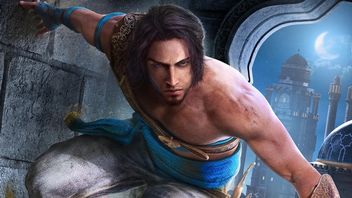
Screenshots allegedly showing the Prince of Persia model from the remake of The Sands of Time have leaked online. Players didn't like it very much.
video games
January 26, 2026
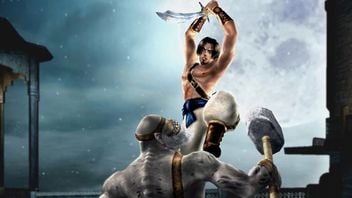
The deletion of the remake of Prince of Persia: The Sands of Time is a good opportunity to dust off the original. Especially since it is currently heavily discounted and can be easily tweaked with mods.
Files and Mods
January 25, 2026
After making big cuts, Ubisoft has announced plans to invest aggressively in generative artificial intelligence. Investors are not convinced.
video games
January 23, 2026
Seventeen years is apparently not enough for Ubisoft to lose hope. After all, despite massive cutbacks and the cancellation of many projects, the company has decided to continue work on Beyond Good & Evil 2.
video games
January 22, 2026

The former head of the Assassin's Creed brand has sued Ubisoft, seeking $1.3 million in damages. The company allegedly led to his „voluntary” resignation.
video games
January 19, 2026
Prince of Persia fans had a moment of euphoria - until they saw what the latest report on the Sands of Time remake is really about.
video games
January 14, 2026
Starting today, subscribers to Xbox Game Pass Ultimate and PC Game Pass can check out an open-world action adventure game in the Star Wars universe, as well as a quarantine zone border simulator in a city overrun by zombies.
video games
January 13, 2026
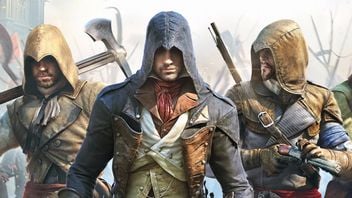
The former director of Assassin's Creed said that studios are making the mistake of hiring too many employees. In his opinion, the game industry should follow the example of the film industry.
video games
January 12, 2026