Capcom is one of Japan’s oldest and most renowned video game developers and publishers, producing titles for PC, consoles, and arcade machines, as well as being a major distributor of games from leading international studios. The company is headquartered in Osaka, Japan, though its American branch in San Mateo also plays a key role in its operations, being set in the Silicon Valley near San Francisco. The company’s president and key figure is its founder, Kenzo Tsujimoto. Across all its branches worldwide, Capcom employs more than 2,600 people.
Although today’s Capcom began as a branch of Sambi Co. Ltd. handling sales, it quickly started its own development work after merging with the parent company. Like other Japanese developers, Capcom’s portfolio includes both globally recognized franchises and titles that were never released outside Japan. Some of Capcom’s most notable franchises over the years include Resident Evil, Street Fighter, Devil May Cry, Mega Man, Dino Crisis, Monster Hunter, Final Fight, Breath of Fire, Lost Planet, and Bionic Commando.
Unlike many leading game developers worldwide, Capcom’s internal studios are rarely known by name, typically identified only by number. Over the years, Capcom has established the following internal development teams:
As a global publisher, Capcom has primarily focused on releasing games developed in-house. This doesn’t mean, however, that Capcom’s publishing portfolio excludes games from external studios; some of the most notable ones include:
Capcom's origins reach back to May 30, 1979, when Kenzo Tsujimoto founded a company called IRM in Osaka, Japan. The company was Tsujimoto’s second venture, following Irem Corporation, which he had founded five years earlier, and it was tied to the then-emerging video game industry. Considered the forerunner of today’s Capcom, the company - together with its subsidiary Japan Capsule Computers Co. Ltd. - evolved into Sambi Co. Ltd. in September 1981. On June 11, 1983, Tsujimoto established Capcom Co. Ltd. as a subsidiary within Sambi, initially functioning as an internal sales department. In October of that year, Capcom opened another branch in Tokyo, and in August 1985, it established Capcom USA to handle sales of its products in the United States.
In January 1989, Sambi Co. Ltd. and Capcom Co. Ltd. merged, creating the Japanese branch of what is now known as Capcom. The company’s name, still in use today, was derived from the English words Capsule Computers, referring to the coin-operated arcade machines of the time. Although Capcom’s debut product was the coin-operated arcade machine Little League, released in July 1983, its first true video game is generally considered to be the top-down scrolling shooter Vulgus, which launched in May 1984 on arcades. Capcom entered the home console market in December 1985 with a port of the arcade shooter 1942 for the Nintendo Entertainment System, also known as the Famicom (Family Computer).
In the late 1980s Capcom released numerous games for home computers such as the Commodore 64 and IBM PC, though ports from arcade versions were typically handled by other companies. One of the most significant years for Capcom was 1987, when the first entries in now-iconic series were released, including the fighting game Street Fighter and the platformers Mega Man and Bionic Commando. In the years that followed, other notable Capcom titles hit the market, including Strider, Pang, Breath of Fire and Final Fight. The success of these titles fueled the company’s rapid growth. In 1993, Capcom Asia Co. Ltd. opened a branch in Hong Kong to handle distribution of the company’s products in China and Southeast Asia. A year later, Capcom entered the film industry for the first time, co-producing a movie adaptation of Street Fighter, one of its flagship franchises. Although the film was widely panned by the gaming and entertainment press, it still achieved considerable commercial success.
In 1995, Capcom USA was established as a subsidiary, alongside Capcom Coin-Op Inc., Capcom Entertainment Inc., and Capcom Digital Studios Inc., the company’s first overseas development studio. 1996 marked another milestone for Capcom with the release of the first Resident Evil on PlayStation, launching one of the most lucrative franchises in gaming history and a cornerstone of the company’s publishing portfolio. A year later, Capcom, Nintendo, and SEGA founded Flagship Co. Ltd., a studio now known for its work on The Legend of Zelda and Onimusha series. Following the release of Resident Evil 2, Capcom expanded into Europe by establishing Capcom Eurosoft Ltd. in July 1998 to handle distribution across the continent. In mid-1999, another notable Capcom franchise, Dino Crisis, launched on PlayStation.
In the years that followed, the Japanese company continued expanding into key markets worldwide. In June 2001, Koko Capcom Co. Ltd. was established to distribute the company’s products in Korea, and in September, Capcom Charbo Co. Ltd. was founded to handle the rental, leasing, and technical support of coin-operated machines. The first entries in Capcom’s next major franchises hit the market, including the third-person slasher games Devil May Cry and Onimusha: Warlords. In November 2002, Capcom Eurosoft was renamed CE Europe Ltd., and in February 2003, CEG Interactive Entertainment GmbH was established in Germany. Capcom’s studios began work on Red Dead Revolver, but development was suspended in November 2003. The franchise later transferred to Rockstar Games, benefiting the series, and the game was ultimately released a year later. In the meantime, the Japanese giant returned to the film industry with a movie adaptation of the iconic Resident Evil series. Although the Capcom co-production once again received mixed reviews from critics, it attracted a devoted fanbase and spawned several sequels starring Milla Jovovich in the following years.
The early 21st century saw further changes in Capcom’s organizational structure. In 2004, Capcom closed one of its internal development studios, Capcom Production Studio 6, and established Clover Studio Co. Ltd. in its place, which itself closed just over two years later. In March 2007, the American Capcom Digital Studios - henceforth known as Capcom Production Studio 8 - was integrated into the company’s structure. In January 2007, following previously announced plans, Flagship Co. Ltd. was incorporated into Capcom and subsequently closed. On May 1, 2008, Capcom acquired the Japanese studio K2, previously known primarily for the Tenchu series. In terms of games, the company primarily focused on expanding its existing franchises, while also launching entirely new series such as Dead Rising, Lost Planet: Extreme Condition, and Dragon’s Dogma.
Around the turn of the 2010s, Capcom began expanding into the mobile gaming market, producing both original mobile titles and mobile adaptations of its biggest hits. In 2011, Capcom partnered with Nyu Media to publish and distribute Japanese indie games translated into English. The Japanese giant also collaborated with the domestic company QLOC SA, part of the Cenega group, on ports and localization. In recent years, Capcom has concentrated on expanding its most important franchises, releasing new installments of key series and numerous remasters to bring classic titles to modern PCs and eighth-generation consoles.
The company has also explored collaborations with Western developers, such as the game DMC: Devil May Cry, developed by Ninja Theory. Ultimately, the Japanese publisher concluded that its projects were best handled by its own internal studios. Capcom wasn’t afraid to make changes when developing new installments in its most popular series, a strategy that often paid off.
In 2017, Resident Evil VII: Biohazard was released, with its creators abandoning the third-person perspective in favor of first-person. The game was so well received by players and critics that its sequel, Resident Evil: Village, followed the same first-person approach. Monster Hunter: World, the first mainline entry in the iconic series released on PlayStation 4, Xbox One, and PC (after only three multiplayer-focused spin-offs had appeared on PC), retained the core mechanics of its predecessors while being adapted for Western audiences and made significantly more accessible than previous installments. As a result, Capcom enjoyed record sales with this title. Like the seventh Resident Evil, Monster Hunter: World charted the course for the series in the years that followed. In March 2021, Monster Hunter: Rise launched on Nintendo Switch, building on the formula of its predecessor while introducing several improvements. A release for personal computers was also planned for a later date. The series also gave rise to spin-offs, including the Monster Hunter Stories subseries.
Against this backdrop, the well-received Devil May Cry 5 may appear as the “safest” sequel. At first glance, the game’s mechanics closely resembled those of its predecessors. What set it apart, however, were larger maps, enhanced character movement outside of combat, and, above all, high-quality graphics powered by the RE Engine.
While the company has released numerous remasters of its older games, it has also undertaken the development of two full-fledged remakes. These are Resident Evil 2 and Resident Evil 3, fully rebuilt from the ground up and updated to modern standards. The games featured a third-person perspective, allowed players to walk and shoot simultaneously, and were enhanced with a completely new audiovisual presentation. It’s worth noting that Resident Evil 2 was initially set to receive a fan remake by Invader Studios, but the project, Resident Evil 2 Reborn, ultimately evolved into Daymare: 1998. In addition, Capcom invested in entirely new projects, including Pragmata, announced at E3 2021. Another new Capcom project was the third-person shooter Exoprimal. Although some initially viewed it as a “new Dino Crisis,” it soon became clear that the Japanese studio was developing a completely different game, focused on fast-paced action and cooperative gameplay. Over time, the fourth installment of the series also followed in the footsteps of the remade second and third Resident Evil games.
Capcom has also released compilations of its classic games, including Capcom Arcade Stadium, Capcom Arcade 2nd Stadium, Capcom Fighting Collection, and Mega Man Battle Network Legacy Collection. Additionally, the Japanese publisher has continued to cater to fans of its other franchises. In June 2023, Street Fighter 6 was released, followed by Dragon’s Dogma II on PC and consoles in March 2024.
While the first title was both an artistic and commercial success, earning praise from players and critics alike, the second received good reviews from the media but faced harsh criticism from players. Dragon’s Dogma II faced criticism mainly for aggressive microtransactions and optimization issues. Nevertheless, the game sold exceptionally well, reaching 2.5 million buyers just two weeks after its release.
In February 2022, the Saudi Arabian Public Investment Fund acquired a 5% stake in Capcom. In July 2023, Capcom acquired the Japanese team Swordcanes Studio, specializing in computer graphics and animation, followed a year later by Taiwan’s Minimum Studios.
In December 2023, the next major installment in the Monster Hunter series, Monster Hunter: Wilds, was announced. In June, Capcom revisited the roots of the Dead Rising series with the announcement of Dead Rising Deluxe Remaster, a remastered version of the first game. July 2024 saw the release of Kunitsu-Gami: Path of the Goddess, a slasher with tower defense and strategy elements, marking a completely new franchise in the Japanese company’s portfolio. The game launched on PC and via Xbox Game Pass, earning “very positive” reviews on Steam and an average Metacritic score of 80-85/100, depending on the platform.
At the end of August 2024, it was announced that Hideaki Itsuno, director of the Devil May Cry and Dragon’s Dogma series, had left Capcom after thirty years. Itsuno’s plans included developing “a new game in a new environment.” In September, Dead Rising Deluxe Remaster launched, earning high praise from both players and industry media. Nevertheless, the game was not a commercial success, drawing fewer than 6,500 concurrent players on Steam at its peak around launch.
The start of 2025 has proven to be an exceptionally fruitful period for Capcom. On February 28, Monster Hunter: Wilds launched on PC, PlayStation 5, and Xbox Series X, achieving both enormous artistic and commercial success. The game received an average Metacritic score of 88–90/100, sold 8 million copies within three days of release, and surpassed 10 million copies within a month. This made MH Wilds the fastest-selling game in Capcom’s history.
Resident Evil VII: Biohazard was the first game to run on Capcom's brand new technology. The RE Engine had replaced the outdated MT Framework.
It was intended to streamline the production process of subsequent games, as well as provide the highest quality graphics. The technology used, anti-aliasing and volumetric lighting, enabled the use of photogrammetry, the creation of games with virtual reality headsets in mind, included tools facilitating the animation of objects and characters, and finally had an extensive physics engine. Although the RE Engine was created with linear games in mind, such as the aforementioned Resident Evil VII: Biohazard, it was eventually also used in more open-ended productions.
List of all games in development by Capcom.
Mega Man: Dual Override - Q2 2027 - PC, PS4, PS5, Switch, NS2, XSX, XONE
Monster Hunter: Wilds - Ascendance - 2027 - PC, PS5, XSX, NS2
Resident Evil: Veronica - 2027 - PC, PS5, XSX, NS2
Okami Sequel - TBA - PC
List of all released games developed by Capcom.
Dragon's Dogma 2: Dark Arisen - October 9, 2026 - PC, PS5, XSX, NS2
Onimusha: Way of the Sword - September 4, 2026 - PC, PS5, XSX, NS2
Pragmata - April 17, 2026 - PC, PS5, XSX, NS2
Mega Man Star Force Legacy Collection - March 27, 2026 - PC, PS4, XONE, Switch, PS5, XSX
Monster Hunter Stories 3: Twisted Reflection - March 13, 2026 - NS2, PC, PS5, XSX
Resident Evil Requiem - February 27, 2026 - PC, PS5, XSX, NS2
Onimusha 2: Samurai's Destiny - May 23, 2025 - PC, PS4, PS5, XONE, XSX, Switch
Capcom Fighting Collection 2 - May 16, 2025 - PC, PS4, PS5, XONE, XSX, Switch
Monster Hunter: Wilds - February 28, 2025 - PC, PS5, XSX
Dead Rising Deluxe Remaster - September 19, 2024 - PC, PS5, XSX
Marvel vs. Capcom Fighting Collection: Arcade Classics - September 12, 2024 - XONE, XSX, PC, PS4, PS5, Switch
Ace Attorney Investigations Collection - September 6, 2024 - PC, PS4, PS5, XONE, XSX, Switch
Kunitsu-Gami: Path of the Goddess - July 19, 2024 - PC, XSX, PS5, PS4, XONE, NS2
Monster Hunter Stories - June 14, 2024 - PC, Switch, PS4, PS5, XONE, XSX
Dragon's Dogma 2 - March 22, 2024 - PC, PS5, XSX
Apollo Justice: Ace Attorney Trilogy - January 25, 2024 - PC, PS4, XONE, Switch
Resident Evil 4: Separate Ways - September 21, 2023 - PC, PS4, PS5, XSX
Exoprimal - July 14, 2023 - PC, PS4, XONE, PS5, XSX
Street Fighter 6 - June 2, 2023 - NS2, PC, PS5, PS4, XSX
Mega Man Battle Network Legacy Collection - April 14, 2023 - PC, PS4, Switch
Resident Evil 4: The Mercenaries - April 7, 2023 - PC, PS4, PS5, XSX
Resident Evil 4 - March 24, 2023 - PS5, XSX, PC, PS4, iOS
Resident Evil Re:Verse - October 28, 2022 - PC, PS5, PS4, XSX, XONE
Capcom Arcade 2nd Stadium - July 22, 2022 - PC, XONE, PS4, Switch
Monster Hunter: Rise - Sunbreak - June 30, 2022 - PS4, PS5, XONE, XSX, PC, Switch
Capcom Fighting Collection - June 24, 2022 - PC, PS4, XONE, Switch
The Great Ace Attorney Chronicles - July 27, 2021 - PC, PS4, Switch
Monster Hunter Stories 2: Wings of Ruin - July 9, 2021 - Switch, PC, PS4, PS5, XONE, XSX
Resident Evil Village - May 7, 2021 - iOS, Switch, PC, PS5, XSX, PS4, XONE, NS2
Monster Hunter: Rise - March 26, 2021 - Switch, PC, PS4, PS5, XONE, XSX
Ghosts 'n Goblins Resurrection - February 25, 2021 - Switch, PS4, XONE, PC
Capcom Arcade Stadium - February 17, 2021 - PC, PS4, XONE, Switch
Resident Evil 3 - April 3, 2020 - Switch, PS5, XSX, iOS, PC, PS4, XONE
Resident Evil: Resistance - April 3, 2020 - PC, PS4, XONE
Mega Man Zero/ZX Legacy Collection - February 25, 2020 - PC, PS4, XONE, Switch
Street Fighter V: Champion Edition - February 14, 2020 - PC, PS4
Monster Hunter: World - Iceborne - September 6, 2019 - PS4, XONE, PC
Devil May Cry 5 - March 8, 2019 - XSX, PS5, PC, PS4, XONE, NS2
Resident Evil 2 - January 25, 2019 - PC, XONE, PS4, PS5, XSX, Switch, iOS, X360, PS3
Onimusha: Warlords - January 15, 2019 - PC, XONE, PS4, Switch
Mega Man 11 - October 2, 2018 - PC, PS4, XONE, Switch
Capcom Beat 'Em Up Bundle - September 18, 2018 - PC, PS4, XONE, Switch
Monster Hunter Generations Ultimate - August 28, 2018 - Switch
Mega Man X Legacy Collection - July 24, 2018 - PC, PS4, XONE, Switch
Mega Man X Legacy Collection 1 + 2 - July 24, 2018 - PC, PS4, XONE, Switch
Mega Man X Legacy Collection 2 - July 24, 2018 - PC, PS4, XONE, Switch
Monster Hunter: World - January 26, 2018 - PS4, XONE, PC
Street Fighter V: Arcade Edition - January 16, 2018 - PC, PS4
Resident Evil VII: Biohazard - End of Zoe - December 12, 2017 - PC, PS4, XONE, iOS
Resident Evil VII: Biohazard - Not a Hero - December 12, 2017 - PC, PS4, XONE, iOS
Marvel vs. Capcom Infinite - September 19, 2017 - PS4, XONE, PC
Monster Hunter Stories (2017) - September 8, 2017 - 3DS, AND, iOS
Mega Man Legacy Collection 2 - August 8, 2017 - PC, XONE, PS4, Switch
Great Ace Attorney 2 - August 3, 2017 - 3DS
Street Fighter IV: Champion Edition - July 12, 2017 - AND, iOS
Ultra Street Fighter II: The Final Challengers - May 26, 2017 - Switch
The Disney Afternoon Collection - April 18, 2017 - PC, PS4, XONE, Switch, NS2
Resident Evil VII: Biohazard - January 24, 2017 - PS4, XONE, PC, PS5, XSX, Switch, iOS, NS2
Monster Hunter: Frontier Z - November 9, 2016 - PS4
Umbrella Corps - June 21, 2016 - PC, PS4
Phoenix Wright: Ace Attorney - Spirit of Justice - June 9, 2016 - 3DS, AND, iOS
Breath of Fire 6 - February 20, 2016 - PC, AND, iOS
Street Fighter V - February 16, 2016 - PC, PS4
Resident Evil 0 HD - January 19, 2016 - Switch, PC, XONE, X360, PS4, PS3
Resident Evil Origins Collection - January 19, 2016 - PC, XONE, PS4
Monster Hunter Generations - November 28, 2015 - 3DS
Dragon's Dogma Online - August 31, 2015 - PC, PS4, PS3
Mega Man Legacy Collection - August 25, 2015 - 3DS, PC, PS4, XONE, Switch
Devil May Cry 4: Special Edition - June 23, 2015 - PS4, XONE, PC
Resident Evil: Revelations 2 - February 17, 2015 - Switch, PSV, PS3, PS4, XONE, X360, PC
Resident Evil HD - January 20, 2015 - PC, PS4, XONE, X360, PS3, Switch
Monster Hunter 4 Ultimate - October 11, 2014 - 3DS
Ultra Street Fighter IV - June 3, 2014 - PS4, PC, PS3, X360
Dragon's Dogma Quest - December 19, 2013 - PSV
Monster Hunter 4 - September 14, 2013 - 3DS
Monster Hunter Online - August 18, 2013 - PC
Phoenix Wright: Ace Attorney - Dual Destinies - July 25, 2013 - 3DS, AND, iOS
Dungeons & Dragons: Chronicles of Mystara - June 18, 2013 - WiiU, PS3, PC, X360
Dragon's Dogma: Dark Arisen - April 23, 2013 - X360, PS3, PC, PS4, XONE, Switch
Monster Hunter: Frontier G - April 17, 2013 - PS3, WiiU, PSV, PC, X360
Monster Hunter 3 Ultimate - March 19, 2013 - WiiU, 3DS
Capcom Arcade Cabinet - February 19, 2013 - PS3, X360
Street Fighter X Mega Man - December 17, 2012 - PC
Ixion Saga - December 4, 2012 - PC
E.X. Troopers - November 22, 2012 - PS3, 3DS
Resident Evil 6 - October 2, 2012 - X360, PS3, PC, PS4, XONE, Switch
Marvel vs. Capcom: Origins - September 25, 2012 - PS3, X360
Sengoku Basara Collection HD - August 30, 2012 - PS3
JoJo’s Bizarre Adventure HD Ver. - August 21, 2012 - PS3, X360
Airu de Puzuruu - July 19, 2012 - PSP
Resident Evil: Chronicles HD - June 26, 2012 - PS3
Steel Battalion: Heavy Armor - June 19, 2012 - X360
Dragon's Dogma - May 22, 2012 - X360, PS3
Devil May Cry HD Collection - April 3, 2012 - PS3, PC, PS4, XONE
Street Fighter X Tekken - March 6, 2012 - PC, PSV, PS3, X360
Phoenix Wright: Ace Attorney Trilogy - February 7, 2012 - Switch, PS4, XONE, PC, 3DS, AND, iOS
Resident Evil: Revelations - January 27, 2012 - PS4, XONE, Switch, 3DS, PC, X360, PS3, WiiU
Ultimate Marvel vs. Capcom 3 - November 15, 2011 - X360, PS3, PSV, PS4, XONE, PC
Resident Evil: Code Veronica X HD - September 27, 2011 - PS3, X360
Resident Evil 4 HD - September 20, 2011 - PC, PS3, X360, XONE, PS4, Switch
Street Fighter III: Third Strike Online Edition - August 23, 2011 - PS3, X360
Super Street Fighter IV: Arcade Edition - June 7, 2011 - X360, PS3, PC
Resident Evil: The Mercenaries 3D - June 2, 2011 - 3DS
Super Street Fighter IV 3DS - February 26, 2011 - 3DS
Marvel vs. Capcom 3: Fate of Two Worlds - February 15, 2011 - X360, PS3
Ace Attorney Investigations: Miles Edgeworth 2 - February 3, 2011 - NDS, iOS, AND
Ghost Trick: Phantom Detective - January 11, 2011 - NDS, iOS, AND, Switch, PC, PS4, XONE
Monster Hunter Portable 3rd HD - December 1, 2010 - PSP, PS3
Okamiden - September 30, 2010 - NDS
Sengoku Basara: Samurai Heroes - July 29, 2010 - Wii, PS3
Last Ranker - July 15, 2010 - PSP
Lost Planet 2 - May 11, 2010 - X360, PS3, PC
Super Street Fighter IV - April 27, 2010 - PS3, X360
Monster Hunter 3 (tri-) - April 20, 2010 - Wii, 3DS
Final Fight: Double Impact - April 14, 2010 - X360, PS3
Resident Evil 5: Gold Edition - March 9, 2010 - X360, PS3
Mega Man 10 - March 1, 2010 - Wii, PS3, X360
Ace Attorney Investigations: Miles Edgeworth - February 16, 2010 - NDS, iOS, AND
Resident Evil: The Darkside Chronicles - November 17, 2009 - Wii
Mega Man Star Force 3: Black Ace / Red Joker - June 30, 2009 - NDS
Monster Hunter Freedom Unite - March 27, 2009 - iOS, PSP
Resident Evil 5 - March 5, 2009 - PS3, X360, PC, Switch, XONE, PS4
Dead Rising: Chop Till You Drop - February 24, 2009 - Wii
Street Fighter IV - February 12, 2009 - PC, X360, PS3
Resident Evil Archives: Resident Evil - December 25, 2008 - Wii
Super Street Fighter II Turbo HD Remix - November 25, 2008 - PS3, X360
Mega Man 9 - September 22, 2008 - Wii, PS3, X360
Mega Man Star Force 2: Zerker x Saurian / Ninja - June 24, 2008 - NDS
Lost Planet: Colonies - May 27, 2008 - PC, X360
Rocketmen: It Came from Your Uranus - May 14, 2008 - X360, PS3
Rocketmen: Axis of Evil - March 5, 2008 - X360, PS3
Apollo Justice: Ace Attorney - February 19, 2008 - NDS, 3DS, AND, iOS
Devil May Cry 4 - February 5, 2008 - PC, PS3, X360
Resident Evil: The Umbrella Chronicles - November 13, 2007 - Wii
Mega Man Star Force Dragon / Leo / Pegasus - November 7, 2007 - NDS
Zack & Wiki: Quest for Barbaros' Treasure - October 23, 2007 - Wii
Phoenix Wright: Ace Attorney – Trials and Tribulations - September 15, 2007 - NDS
Monster Hunter Freedom 2 - August 28, 2007 - PSP
Monster Hunter: Frontier - June 21, 2007 - X360, PC
Phoenix Wright: Ace Attorney - Justice for All - January 16, 2007 - NDS, Wii
Lost Planet: Extreme Condition - January 12, 2007 - X360, PC, PS3
Capcom Classics Collection Vol. 2 - November 14, 2006 - PS2, XBOX
Capcom Classics Collection Reloaded - October 24, 2006 - PSP
Power Stone Collection - October 20, 2006 - PSP
Capcom Puzzle World - October 6, 2006 - PSP
Capcom Classics Mini Mix - September 19, 2006 - GBA
Ultimate Ghosts 'n Goblins - August 29, 2006 - PSP
Dead Rising - August 8, 2006 - X360, iOS, PS4, PC, XONE
Street Fighter II: Hyper Fighting - August 2, 2006 - X360
Street Fighter Alpha Anthology - July 7, 2006 - PS2
Mega Man Battle Network 6 Cybeast Falzar / Cybeast Gregar - June 13, 2006 - GBA
Monster Hunter Freedom - May 12, 2006 - PSP
Capcom Classics Collection Remixed - March 21, 2006 - PSP
Mega Man Powered Up - March 14, 2006 - PSP
Onimusha: Dawn of Dreams - March 14, 2006 - PS2, PS4, PS5
Final Fight: Streetwise - February 28, 2006 - PS2, XBOX
Monster Hunter 2 - February 16, 2006 - PS2
Resident Evil: Deadly Silence - February 7, 2006 - NDS
Street Fighter Alpha 3 Max - February 7, 2006 - PSP
Mega Man Maverick Hunter X - January 31, 2006 - PSP
Mega Man X Collection - January 10, 2006 - PS2, GCN
Devil Kings - October 11, 2005 - PS2
Phoenix Wright: Ace Attorney - October 11, 2005 - NDS
The Nightmare Before Christmas: Oogie's Revenge - September 30, 2005 - PS2, XBOX
Capcom Classics Collection - September 27, 2005 - PS2, XBOX
Beatdown: Fists of Vengeance - August 23, 2005 - PS2, XBOX
killer7 - July 6, 2005 - PS2, GCN
Disney's Magical Quest 3 - June 14, 2005 - GBA
Haunting Ground - April 29, 2005 - PS2
Resident Evil: Outbreak - File #2 - April 26, 2005 - PS2
Darkstalkers Chronicle: The Chaos Tower - March 24, 2005 - PSP
Devil May Cry 3: Dante's Awakening - Special Edition - March 1, 2005 - PS2, PC, Switch
Shadow of Rome - February 4, 2005 - PS2
Resident Evil 4 (2005) - January 11, 2005 - Wii, iOS, AND, PC, PS2, GCN
Capcom Fighting Evolution - November 16, 2004 - XBOX, PS2
Under the Skin - October 12, 2004 - PS2
Mega Man X: Command Mission - September 21, 2004 - PS2, GCN, PS4, PS5
Monster Hunter - September 21, 2004 - PS2
Street Fighter Anniversary Collection - August 31, 2004 - PS2, XBOX
Mega Man Battle Network 4 Blue Moon / Red Sun - June 29, 2004 - GBA
Mega Man Anniversary Collection - June 22, 2004 - PS2, GCN, XBOX
Hyper Street Fighter II: The Anniversary Edition - May 28, 2004 - PS2
Riding Spirits II - May 21, 2004 - PS2
Steel Fang - May 15, 2004 - PC
Onimusha 3: Demon Siege - April 27, 2004 - PS2
Resident Evil: Outbreak - March 31, 2004 - PS2
Onimusha Blade Warriors - March 24, 2004 - PS2
Maximo vs Army of Zin - January 20, 2004 - PS2
Onimusha Tactics - November 11, 2003 - GBA
Glass Rose - November 6, 2003 - PS2
Group S Challenge - September 26, 2003 - XBOX
Dino Crisis 3 - September 16, 2003 - XBOX
Chaos Legion - August 6, 2003 - PC, PS2
Resident Evil: Dead Aim - June 11, 2003 - PS2
Clock Tower 3 - March 18, 2003 - PS2
Breath of Fire: Dragon Quarter - February 18, 2003 - PS2
Devil May Cry 2 - January 25, 2003 - Switch, PS2
Auto Modellista - November 29, 2002 - PS2, GCN, XBOX
Steel Battalion - November 21, 2002 - XBOX
Marvel vs. Capcom 2 - November 19, 2002 - PS2, XBOX
Resident Evil Zero - November 12, 2002 - Wii, GCN
Capcom vs SNK 2: EO - August 30, 2002 - XBOX, GCN
Onimusha 2: Samurai's Destiny (2002) - August 26, 2002 - PS2
Breath of Fire II - April 17, 2002 - GBA
Resident Evil Survivor 2: Code Veronica - February 11, 2002 - PS2
Maximo: Ghosts to Glory - January 30, 2002 - PS2
Breath of Fire - December 13, 2001 - GBA
Capcom vs SNK 2: Mark of the Millennium 2001 - November 9, 2001 - PS2
Super Street Fighter II: Turbo Revival - October 30, 2001 - GBA
Devil May Cry - October 16, 2001 - PS2, Switch
Final Fight One - September 26, 2001 - GBA
Resident Evil Code: Veronica X - August 21, 2001 - GCN, PS2
Onimusha: Warlords (2001) - July 6, 2001 - XBOX, PS2, PC
Mega Man Legends - July 2, 2001 - PC
One Piece Mansion - June 21, 2001 - PS1
Dino Crisis 2 - September 13, 2000 - PS1, PC
Breath of Fire IV - April 27, 2000 - PC, PS1
Marvel vs. Capcom: Clash of Super Heroes - November 11, 1999 - PS1
Resident Evil 3: Nemesis - September 22, 1999 - PS3, PSP, PSV, GCN, PC, PS1, PS4, PS5
The Misadventures of Tron Bonne - July 22, 1999 - PS1
Dino Crisis - May 19, 1999 - PC, PS1, PS4, PS5
Marvel Super Heroes vs. Street Fighter - February 23, 1999 - PS1
Darkstalkers 3 - November 18, 1998 - PS1
Street Fighter Alpha 3 - September 4, 1998 - GBA, PS1
Pocket Fighter - July 1, 1998 - PS1
Street Fighter Alpha: Warriors' Dreams - June 14, 1998 - PC, PS3, PSP
Street Fighter Alpha 2 - March 12, 1998 - PC, PSV, Wii, WiiU, PS3, PSP
X-Men vs. Street Fighter - February 26, 1998 - PS1
Resident Evil 2 (1998) - January 21, 1998 - PC, PS1, GCN, PS3, PSP, PSV, PS4, PS5
Marvel Super Heroes - September 25, 1997 - PS1
Resident Evil: Director's Cut - September 22, 1997 - PS4, PS5, PSV, PS3, PSP, PS1
Breath of Fire III - September 11, 1997 - PSP, PS1
X-Men: Children of the Atom - May 31, 1997 - PS1, PC
Star Gladiator - October 25, 1996 - PS1
Resident Evil - April 1, 1996 - PS1, PC, GCN
Darkstalkers: The Night Warriors - March 28, 1996 - PS1
Street Fighter Alpha - February 7, 1996 - PS1
Commando - July 4, 1985 - PC
Deep Down - cancelled - PS4
Mega Man Universe - cancelled - PS3, X360
Monster Hunter Explore - cancelled - iOS, AND
Talisman - cancelled - PC, PS3, X360
List of all upcoming games that will be published by Capcom.
Mega Man: Dual Override - Q2 2027 - PC, PS4, PS5, Switch, NS2, XSX, XONE
Monster Hunter: Wilds - Ascendance - 2027 - PC, PS5, XSX, NS2
Resident Evil: Veronica - 2027 - PS5, XSX, NS2, PC
Okami Sequel - TBA - PC
List of all released games published by Capcom.
Dragon's Dogma 2: Dark Arisen - October 9, 2026 - PC, PS5, XSX, NS2
Onimusha: Way of the Sword - September 4, 2026 - PS5, XSX, PC, NS2
Pragmata - April 17, 2026 - PC, PS5, XSX, NS2
Mega Man Star Force Legacy Collection - March 27, 2026 - PC, PS4, XONE, Switch, PS5, XSX
Monster Hunter Stories 3: Twisted Reflection - March 13, 2026 - NS2, PC, PS5, XSX
Resident Evil Requiem - February 27, 2026 - PC, PS5, XSX, NS2
Onimusha 2: Samurai's Destiny - May 23, 2025 - PC, PS4, PS5, XONE, XSX, Switch
Capcom Fighting Collection 2 - May 16, 2025 - PC, PS4, PS5, XONE, XSX, Switch
Monster Hunter: Wilds - February 28, 2025 - PC, PS5, XSX, NS2
Dead Rising Deluxe Remaster - September 19, 2024 - PC, PS5, XSX
Marvel vs. Capcom Fighting Collection: Arcade Classics - September 12, 2024 - PC, PS4, PS5, Switch, XONE, XSX
Ace Attorney Investigations Collection - September 6, 2024 - PC, PS4, PS5, XONE, XSX, Switch
Kunitsu-Gami: Path of the Goddess - July 19, 2024 - PC, XSX, PS5, PS4, XONE, NS2
Monster Hunter Stories - June 14, 2024 - XONE, XSX, PC, Switch, PS4, PS5
Dragon's Dogma 2 - March 22, 2024 - PS5, XSX, PC
Apollo Justice: Ace Attorney Trilogy - January 25, 2024 - PC, PS4, XONE, Switch
Resident Evil 4: Separate Ways - September 21, 2023 - PC, PS4, PS5, XSX, NS2
Monster Hunter Now - September 14, 2023 - AND, iOS
Exoprimal - July 14, 2023 - PC, PS4, XONE, PS5, XSX
Street Fighter 6 - June 2, 2023 - NS2, PC, PS5, PS4, XSX
Mega Man Battle Network Legacy Collection - April 14, 2023 - PC, PS4, Switch
Resident Evil 4: The Mercenaries - April 7, 2023 - PC, PS4, PS5, XSX
Resident Evil 4 - March 24, 2023 - PS5, XSX, PC, PS4, NS2, iOS
Resident Evil Re:Verse - October 28, 2022 - PC, PS5, PS4, XSX, XONE
Capcom Arcade 2nd Stadium - July 22, 2022 - PC, XONE, PS4, Switch
Monster Hunter: Rise - Sunbreak - June 30, 2022 - PC, Switch, PS4, PS5, XONE, XSX
Capcom Fighting Collection - June 24, 2022 - PC, PS4, XONE, Switch
The Great Ace Attorney Chronicles - July 27, 2021 - PC, PS4, Switch
Monster Hunter Stories 2: Wings of Ruin - July 9, 2021 - PC, Switch, XONE, XSX, PS4, PS5
Resident Evil Village - May 7, 2021 - Switch, PS4, XONE, iOS, NS2, PC, PS5, XSX
Monster Hunter: Rise - March 26, 2021 - Switch, PC, PS4, PS5, XONE, XSX
Ghosts 'n Goblins Resurrection - February 25, 2021 - PS4, XONE, PC, Switch
Capcom Arcade Stadium - February 17, 2021 - Switch, PC, PS4, XONE
Resident Evil 3 - April 3, 2020 - PC, PS4, XONE, PS5, XSX, Switch, NS2, iOS
Resident Evil: Resistance - April 3, 2020 - PC, PS4, XONE
Mega Man Zero/ZX Legacy Collection - February 25, 2020 - PC, PS4, XONE, Switch
Street Fighter V: Champion Edition - February 14, 2020 - PC, PS4
Monster Hunter: World - Iceborne - September 6, 2019 - PS4, XONE, PC
Devil May Cry 5 - March 8, 2019 - NS2, PC, PS4, XONE, PS5, XSX
Resident Evil 2 - January 25, 2019 - PC, XONE, PS4, X360, PS3, Switch, PS5, XSX, NS2, iOS
Onimusha: Warlords - January 15, 2019 - PC, XONE, PS4, Switch
Mega Man 11 - October 2, 2018 - PC, PS4, XONE, Switch
Capcom Beat 'Em Up Bundle - September 18, 2018 - PC, PS4, XONE, Switch
Monster Hunter Generations Ultimate - August 28, 2018 - Switch
Mega Man X Legacy Collection - July 24, 2018 - PC, PS4, XONE, Switch
Mega Man X Legacy Collection 1 + 2 - July 24, 2018 - PC, PS4, XONE, Switch
Mega Man X Legacy Collection 2 - July 24, 2018 - PC, PS4, XONE, Switch
Street Fighter: 30th Anniversary Collection - May 29, 2018 - PC, PS4, XONE, Switch
Monster Hunter: World - January 26, 2018 - PC, PS4, XONE
Street Fighter V: Arcade Edition - January 16, 2018 - PC, PS4
Resident Evil VII: Biohazard - End of Zoe - December 12, 2017 - PC, PS4, XONE, iOS
Resident Evil VII: Biohazard - Not a Hero - December 12, 2017 - PC, PS4, XONE, iOS
Puzzle Fighter - September 27, 2017 - AND, iOS, PC, PS4, XONE
Marvel vs. Capcom Infinite - September 19, 2017 - PS4, XONE, PC
Monster Hunter Stories (2017) - September 8, 2017 - AND, iOS, 3DS
Mega Man Legacy Collection 2 - August 8, 2017 - PC, XONE, PS4, Switch
Great Ace Attorney 2 - August 3, 2017 - 3DS
Street Fighter IV: Champion Edition - July 12, 2017 - iOS, AND
Ultra Street Fighter II: The Final Challengers - May 26, 2017 - Switch
The Disney Afternoon Collection - April 18, 2017 - PC, PS4, XONE
Resident Evil VII: Biohazard - January 24, 2017 - PS4, XONE, PC, PS5, XSX, Switch, iOS, NS2
Dead Rising 4 - December 6, 2016 - XONE, PC, PS4
Monster Hunter: Frontier Z - November 9, 2016 - PS4
Umbrella Corps - June 21, 2016 - PC, PS4
Phoenix Wright: Ace Attorney - Spirit of Justice - June 9, 2016 - 3DS, AND, iOS
Breath of Fire 6 - February 20, 2016 - PC, AND, iOS
Street Fighter V - February 16, 2016 - PC, PS4
Resident Evil 0 HD - January 19, 2016 - PC, XONE, X360, PS4, PS3, Switch
Resident Evil Origins Collection - January 19, 2016 - PC, XONE, PS4
Monster Hunter Generations - November 28, 2015 - 3DS
Dragon's Dogma Online - August 31, 2015 - PC, PS4, PS3
Mega Man Legacy Collection - August 25, 2015 - PC, PS4, XONE, 3DS, Switch
Devil May Cry 4: Special Edition - June 23, 2015 - PC, PS4, XONE
DmC: Devil May Cry Definitive Edition - March 10, 2015 - PS4, XONE
Resident Evil: Revelations 2 - February 17, 2015 - PC, PS3, PS4, XONE, X360, PSV, Switch
Resident Evil HD - January 20, 2015 - Switch, PC, PS4, XONE, X360, PS3
Monster Hunter 4 Ultimate - October 11, 2014 - 3DS
Ultra Street Fighter IV - June 3, 2014 - PC, X360, PS3, PS4
Strider - February 18, 2014 - PC, X360, PS3, PS4, XONE
Dragon's Dogma Quest - December 19, 2013 - PSV
Dead Rising 3 - November 22, 2013 - XONE, PC
Monster Hunter 4 - September 14, 2013 - 3DS
Lost Planet 3 - August 27, 2013 - PC, X360, PS3
DuckTales Remastered - August 13, 2013 - X360, PS3, WiiU, PC
Phoenix Wright: Ace Attorney - Dual Destinies - July 25, 2013 - AND, 3DS, iOS
Dungeons & Dragons: Chronicles of Mystara - June 18, 2013 - X360, PS3, PC, WiiU
Remember Me - June 4, 2013 - PS3, X360, PC
Dragon's Dogma: Dark Arisen - April 23, 2013 - X360, PS3, PS4, XONE, PC, Switch
Monster Hunter: Frontier G - April 17, 2013 - PC, X360, WiiU, PS3, PSV
Monster Hunter 3 Ultimate - March 19, 2013 - WiiU, 3DS
Darkstalkers Resurrection - March 13, 2013 - X360, PS3
Capcom Arcade Cabinet - February 19, 2013 - PS3, X360
Ghosts'n Goblins Online - February 14, 2013 - PC
DMC: Devil May Cry - January 15, 2013 - PS3, X360, PC
Street Fighter X Mega Man - December 17, 2012 - PC
Ixion Saga - December 4, 2012 - PC
Professor Layton vs. Ace Attorney - November 29, 2012 - 3DS
E.X. Troopers - November 22, 2012 - PS3, 3DS
Okami HD - November 1, 2012 - PS3, Switch, PC, PS4, XONE
Fairy Bloom Freesia - October 17, 2012 - PC
Resident Evil 6 - October 2, 2012 - X360, PS3, PC, PS4, XONE, Switch
Marvel vs. Capcom: Origins - September 25, 2012 - X360, PS3
Sengoku Basara Collection HD - August 30, 2012 - PS3
JoJo’s Bizarre Adventure HD Ver. - August 21, 2012 - PS3, X360
Airu de Puzuruu - July 19, 2012 - PSP
ETHER Vapor Remaster - June 29, 2012 - PC
Resident Evil: Chronicles HD - June 26, 2012 - PS3
Steel Battalion: Heavy Armor - June 19, 2012 - X360
Dragon's Dogma - May 22, 2012 - X360, PS3
Devil May Cry HD Collection - April 3, 2012 - PC, PS4, XONE, X360, PS3
eXceed - Gun Bullet Children - March 29, 2012 - PC
eXceed 2nd - Vampire REX - March 29, 2012 - PC
eXceed 3rd - Jade Penetrate Black Package - March 29, 2012 - PC
Resident Evil: Operation Raccoon City - March 20, 2012 - X360, PS3, PC
Street Fighter X Tekken - March 6, 2012 - PS3, X360, PC, PSV
Asura's Wrath - February 21, 2012 - X360, PS3
Phoenix Wright: Ace Attorney Trilogy - February 7, 2012 - 3DS, iOS, AND, Switch, PS4, XONE, PC
Resident Evil: Revelations - January 27, 2012 - 3DS, PC, X360, PS3, WiiU, PS4, XONE, Switch
Armored Core V - January 26, 2012 - X360, PS3
World Gone Sour - December 20, 2011 - PC, PS3, X360
Ultimate Marvel vs. Capcom 3 - November 15, 2011 - X360, PS3, PSV, PS4, XONE, PC
Dead Rising 2: Off The Record - October 11, 2011 - X360, PS3, PC, PS4, XONE
Resident Evil 4 HD - September 20, 2011 - X360, PS3, Switch, PC, XONE, PS4
Street Fighter III: Third Strike Online Edition - August 23, 2011 - X360, PS3
Super Street Fighter IV: Arcade Edition - June 7, 2011 - PC, X360, PS3
Resident Evil: The Mercenaries 3D - June 2, 2011 - 3DS
MotoGP 10/11 - March 15, 2011 - X360, PS3
Super Street Fighter IV 3DS - February 26, 2011 - 3DS
Marvel vs. Capcom 3: Fate of Two Worlds - February 15, 2011 - X360, PS3
Ace Attorney Investigations: Miles Edgeworth 2 - February 3, 2011 - NDS, iOS, AND
Bionic Commando Rearmed 2 - February 1, 2011 - X360, PS3
Ghost Trick: Phantom Detective - January 11, 2011 - iOS, NDS, AND, Switch, PC, PS4, XONE
Monster Hunter Portable 3rd HD - December 1, 2010 - PSP, PS3
Okamiden - September 30, 2010 - NDS
Dead Rising 2 - September 24, 2010 - PC, X360, PS3, XONE, PS4
Sengoku Basara: Samurai Heroes - July 29, 2010 - Wii, PS3
Last Ranker - July 15, 2010 - PSP
Mega Man Zero Collection - June 8, 2010 - NDS
Lost Planet 2 - May 11, 2010 - PS3, X360, PC
Super Street Fighter IV - April 27, 2010 - PS3, X360
Monster Hunter 3 (tri-) - April 20, 2010 - Wii, 3DS
Final Fight: Double Impact - April 14, 2010 - X360, PS3
MotoGP 09/10 - March 19, 2010 - PS3, X360
Resident Evil 5: Gold Edition - March 9, 2010 - X360, PS3
Mega Man 10 - March 1, 2010 - Wii, X360, PS3
Ace Attorney Investigations: Miles Edgeworth - February 16, 2010 - NDS, iOS, AND
Dark Void - January 19, 2010 - PS3, PC, X360
Dark Void Zero - January 18, 2010 - NDS, PC
Resident Evil: The Darkside Chronicles - November 17, 2009 - Wii
Spyborgs - September 22, 2009 - Wii
Mega Man Star Force 3: Black Ace / Red Joker - June 30, 2009 - NDS
Fate/Unlimited Codes - June 18, 2009 - PSP
Bionic Commando - May 19, 2009 - PC, X360, PS3
Resident Evil: Degeneration - May 12, 2009 - iOS
Flock! - April 7, 2009 - PC, PS3, X360
Monster Hunter Freedom Unite - March 27, 2009 - PSP, iOS
Resident Evil 5 - March 5, 2009 - PS3, X360, PC, XONE, PS4, Switch
Dead Rising: Chop Till You Drop - February 24, 2009 - Wii
Street Fighter IV - February 12, 2009 - PC, X360, PS3
Resident Evil Archives: Resident Evil - December 25, 2008 - Wii
Tatsunoko vs. Capcom: Ultimate All Stars - December 11, 2008 - Wii
Neopets Puzzle Adventure - November 25, 2008 - PC, NDS, Wii
Super Street Fighter II Turbo HD Remix - November 25, 2008 - PS3, X360
MotoGP 08 - October 23, 2008 - PC, X360, PS3, PS2, Wii
Age of Booty - October 15, 2008 - X360, PS3, PC
Mega Man 9 - September 22, 2008 - PS3, X360, Wii
Bionic Commando Rearmed - August 13, 2008 - PS3, X360, PC
1942: Joint Strike - July 23, 2008 - X360, PS3
We Love Golf! - July 4, 2008 - Wii
Mega Man Star Force 2: Zerker x Saurian / Ninja - June 24, 2008 - NDS
Wolf of the Battlefield: Commando 3 - June 5, 2008 - PS3, X360
Lost Planet: Colonies - May 27, 2008 - PC, X360
Rocketmen: It Came from Your Uranus - May 14, 2008 - PS3, X360
Rocketmen: Axis of Evil - March 5, 2008 - PS3, X360
Apollo Justice: Ace Attorney - February 19, 2008 - NDS, 3DS, iOS, AND
Devil May Cry 4 - February 5, 2008 - PS3, PC, X360
Resident Evil: The Umbrella Chronicles - November 13, 2007 - Wii
Mega Man Star Force Dragon / Leo / Pegasus - November 7, 2007 - NDS
Zack & Wiki: Quest for Barbaros' Treasure - October 23, 2007 - Wii
Mega Man ZX Advent - October 16, 2007 - NDS
Super Puzzle Fighter II Turbo HD Remix - October 1, 2007 - PS3, X360, PC
Phoenix Wright: Ace Attorney – Trials and Tribulations - September 15, 2007 - NDS
Monster Hunter Freedom 2 - August 28, 2007 - PSP
MotoGP '07 - August 24, 2007 - PS2
Monster Hunter: Frontier - June 21, 2007 - X360, PC
Mega Man ZX - February 2, 2007 - NDS
Phoenix Wright: Ace Attorney - Justice for All - January 16, 2007 - NDS, Wii
Lost Planet: Extreme Condition - January 12, 2007 - PC, X360, PS3
Harvey Birdman Attorney At Law - January 8, 2007 - PS2, PSP, Wii
Capcom Classics Collection Vol. 2 - November 14, 2006 - PS2, XBOX
Capcom Classics Collection Reloaded - October 24, 2006 - PSP
Power Stone Collection - October 20, 2006 - PSP
God Hand - October 10, 2006 - PS2
Capcom Puzzle World - October 6, 2006 - PSP
Capcom Classics Mini Mix - September 19, 2006 - GBA
Okami - September 19, 2006 - PS2, Wii
Ultimate Ghosts 'n Goblins - August 29, 2006 - PSP
Dead Rising - August 8, 2006 - X360, PS4, PC, XONE, iOS
Street Fighter II: Hyper Fighting - August 2, 2006 - X360
Street Fighter Alpha Anthology - July 7, 2006 - PS2
Mega Man Battle Network 6 Cybeast Falzar / Cybeast Gregar - June 13, 2006 - GBA
Monster Hunter Freedom - May 12, 2006 - PSP
Capcom Classics Collection Remixed - March 21, 2006 - PSP
Mega Man Powered Up - March 14, 2006 - PSP
Onimusha: Dawn of Dreams - March 14, 2006 - PS2, PS4, PS5
Final Fight: Streetwise - February 28, 2006 - PS2, XBOX
Monster Hunter 2 - February 16, 2006 - PS2
Resident Evil: Deadly Silence - February 7, 2006 - NDS
Street Fighter Alpha 3 Max - February 7, 2006 - PSP
Mega Man Maverick Hunter X - January 31, 2006 - PSP
Mega Man X Collection - January 10, 2006 - PS2, GCN
Viewtiful Joe: Double Trouble - November 18, 2005 - NDS
Viewtiful Joe: Red Hot Rumble - November 18, 2005 - PSP, GCN
Without Warning - October 28, 2005 - PS2, XBOX
Devil Kings - October 11, 2005 - PS2
Phoenix Wright: Ace Attorney - October 11, 2005 - NDS
The Nightmare Before Christmas: Oogie's Revenge - September 30, 2005 - PS2, XBOX
Capcom Classics Collection - September 27, 2005 - PS2, XBOX
Beatdown: Fists of Vengeance - August 23, 2005 - PS2, XBOX
Darkwatch - August 16, 2005 - PS2, XBOX
killer7 - July 6, 2005 - PS2, GCN
Disney's Magical Quest 3 - June 14, 2005 - GBA
Haunting Ground - April 29, 2005 - PS2
Resident Evil: Outbreak - File #2 - April 26, 2005 - PS2
Darkstalkers Chronicle: The Chaos Tower - March 24, 2005 - PSP
Devil May Cry 3: Dante's Awakening - Special Edition - March 1, 2005 - PS2, Switch
Shadow of Rome - February 4, 2005 - PS2
Resident Evil 4 (2005) - January 11, 2005 - Wii, GCN, PS2, iOS, AND
Viewtiful Joe 2 - November 18, 2004 - GCN, PS2
Capcom Fighting Evolution - November 16, 2004 - PS2, XBOX
Under the Skin - October 12, 2004 - PS2
Mega Man X: Command Mission - September 21, 2004 - PS2, GCN, PS4, PS5
Monster Hunter - September 21, 2004 - PS2
Mega Man Zero 3 - September 3, 2004 - GBA
Street Fighter Anniversary Collection - August 31, 2004 - PS2, XBOX
Crimson Tears - July 21, 2004 - PS2
Mega Man Battle Network 4 Blue Moon / Red Sun - June 29, 2004 - GBA
Mega Man Anniversary Collection - June 22, 2004 - PS2, GCN, XBOX
Hyper Street Fighter II: The Anniversary Edition - May 28, 2004 - PS2
Riding Spirits II - May 21, 2004 - PS2
Way of the Samurai 2 - May 21, 2004 - PS2
Onimusha 3: Demon Siege - April 27, 2004 - PS2
Resident Evil: Outbreak - March 31, 2004 - PS2
Onimusha Blade Warriors - March 24, 2004 - PS2
Maximo vs Army of Zin - January 20, 2004 - PS2
Onimusha Tactics - November 11, 2003 - GBA
Glass Rose - November 6, 2003 - PS2
Viewtiful Joe - October 7, 2003 - PS2, GCN
Robin Hood: Defender of the Crown - September 30, 2003 - PC, PS2, XBOX
Group S Challenge - September 26, 2003 - XBOX
Dino Crisis 3 - September 16, 2003 - XBOX
Chaos Legion - August 6, 2003 - PS2, PC
Resident Evil: Dead Aim - June 11, 2003 - PS2
Clock Tower 3 - March 18, 2003 - PS2
Everblue 2 - February 24, 2003 - PS2
Breath of Fire: Dragon Quarter - February 18, 2003 - PS2
Devil May Cry 2 - January 25, 2003 - Switch, PS2
Auto Modellista - November 29, 2002 - GCN, XBOX, PS2
Marvel vs. Capcom 2 - November 19, 2002 - X360, PS3
Resident Evil Zero - November 12, 2002 - Wii, GCN
Capcom vs SNK 2: EO - August 30, 2002 - XBOX, GCN
Onimusha 2: Samurai's Destiny (2002) - August 26, 2002 - PS2
Breath of Fire II - April 17, 2002 - GBA
Maximo: Ghosts to Glory - January 30, 2002 - PS2
Breath of Fire - December 13, 2001 - GBA
Capcom vs SNK 2: Mark of the Millennium 2001 - November 9, 2001 - PS2
Super Street Fighter II: Turbo Revival - October 30, 2001 - GBA
Devil May Cry - October 16, 2001 - PS2, Switch
Final Fight One - September 26, 2001 - GBA
Resident Evil Code: Veronica X - August 21, 2001 - GCN, PS2
Onimusha: Warlords (2001) - July 6, 2001 - PS2, XBOX
Mega Man Legends - July 2, 2001 - PC
One Piece Mansion - June 21, 2001 - PS1
Street Fighter EX3 - October 24, 2000 - PS2
Dino Crisis 2 - September 13, 2000 - PS1, PC
Breath of Fire IV - April 27, 2000 - PC, PS1
Marvel vs. Capcom: Clash of Super Heroes - November 11, 1999 - PS1
Resident Evil 3: Nemesis - September 22, 1999 - GCN, PC, PS1, PS3, PSP, PSV, PS4, PS5
The Misadventures of Tron Bonne - July 22, 1999 - PS1
Dino Crisis - May 19, 1999 - PC, PS1, PS4, PS5
Marvel Super Heroes vs. Street Fighter - February 23, 1999 - PS1
Darkstalkers 3 - November 18, 1998 - PS1
Street Fighter Alpha 3 - September 4, 1998 - GBA, PS1
Pocket Fighter - July 1, 1998 - PS1
Street Fighter Alpha: Warriors' Dreams - June 14, 1998 - PC, PS3, PSP
Street Fighter Alpha 2 - March 12, 1998 - PC, Wii, WiiU, PS3, PSP, PSV
X-Men vs. Street Fighter - February 26, 1998 - PS1
Resident Evil 2 (1998) - January 21, 1998 - GCN, PC, PS1, PS3, PSP, PSV, PS4, PS5
Marvel Super Heroes - September 25, 1997 - PS1
Resident Evil: Director's Cut - September 22, 1997 - PS3, PSP, PSV, PS1, PS4, PS5
Breath of Fire III - September 11, 1997 - PSP, PS1
X-Men: Children of the Atom - May 31, 1997 - PC, PS1
Star Gladiator - October 25, 1996 - PS1
Resident Evil - April 1, 1996 - GCN
Darkstalkers: The Night Warriors - March 28, 1996 - PS1

A preview of Resident Evil Requiem revealed new gameplay details. Depending on the protagonist played, the game is expected to offer experiences familiar from different installments of the series.
video games
January 16, 2026

Meta is cutting back investment in VR. The department dealing with it is facing major layoffs, and three studios will be closed.
video games
January 15, 2026
Games such as Resident Evil Village and Like a Dragon: Infinite Wealth will soon be added to the PS Plus Extra offer. In total, the subscription will add 9 productions.
video games
January 15, 2026
We learned the list of games that Microsoft has prepared for the first half of January for Xbox and PC Game Pass subscribers.
video games
January 7, 2026
The acting cast of Street Fighter appeared at The Game Awards 2025 with new footage from the film adaptation of the iconic fighting game.
video games
December 11, 2025

This year's The Game Awards brought a new gameplay trailer for Resident Evil: Requiem. Fragments of gameplay confirm the long-hidden information.
video games
December 11, 2025

Pragmata from Capcom may seem like a game ideal for co-op. However, the developers argue that implementing such a mode would contradict their vision for this project.
video games
December 11, 2025

Sony may have accidentally spoiled Capcom's surprise before presenting Resident Evil Requiem at The Game Awards 2025.
video games
December 9, 2025
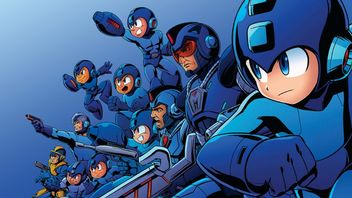
Capcom's CEO has announced that the company is preparing the return of classic brands such as Devil May Cry, Mega Man, and Ace Attorney.
video games
December 9, 2025

In a recent interview, the producer of Resident Evil Requiem shared some insights into what fans can expect from the game and the return to Raccoon City.
video games
November 21, 2025