Sony Interactive Entertainment / PlayStation Publishing is a developer and publisher.
Sony Interactive Entertainment / PlayStation Publishing Webpage, Facebook
Sony Interactive Entertainment is the game development and publishing arm of Sony, a company widely regarded as one of the world’s leading manufacturers of audio and video equipment, game consoles, smartphones, tablets, digital cameras, and other electronics. Although Sony Interactive Entertainment has only existed in its current form since November 2016, it’s the direct successor to Sony Computer Entertainment, founded in 1993 ahead of the launch of the very first PlayStation console. The company's headquarters is located in San Mateo, near San Francisco, California (USA).
Sony Interactive Entertainment develops games through its global network of studios, which operate under PlayStation Studios (formerly known as Sony Interactive Entertainment Worldwide Studios). Some are in-house teams created by the company itself, while others are independent studios with their own identity that SIE – and previously Sony Computer Entertainment – acquired over the years. As a publisher and developer, Sony Interactive Entertainment mainly targets its own hardware - the PlayStation family of home and handheld consoles. Some of the biggest franchises currently developed under Sony Interactive Entertainment include God of War, Gran Turismo, Uncharted, The Last of Us, and Horizon.
Some studios that are part of Sony Interactive Entertainment include:
As a publisher, Sony Interactive Entertainment primarily focuses on games developed for both home and portable PlayStation consoles. Most of the games published by Sony Interactive Entertainment are exclusives, meaning they’re only available on PlayStation consoles. At first, the main exceptions were games from independent developers backed by SIE, which often saw simultaneous releases on PC as well. While third-party games aren’t the backbone of Sony Interactive Entertainment’s publishing lineup, over the years these developers have delivered a wealth of exclusives closely tied to each new generation of PlayStation consoles. Notable examples include Beyond: Two Souls, Bloodborne, Demon’s Souls, Heavy Rain, The Order: 1886, Until Dawn, and the Resistance series. Even developers not permanently tied to SIE have contributed to some of its major franchises, including God of War, Jak and Daxter, LittleBigPlanet, Ratchet & Clank, and SOCOM. The landscape shifted in 2020 when one of PlayStation 4’s biggest exclusives, Horizon Zero Dawn from Guerrilla Games, was released on PC. Other titles from Sony’s portfolio soon followed suit, including Days Gone, God of War, and Uncharted: Legacy of Thieves Collection.
Sony Computer Entertainment Inc. (SCEI) was founded in 1993 by Sony and its local subsidiary, Sony Music Entertainment Japan. SCEI’s goal was to break into the rapidly growing video game market, with Sony aiming to make its mark by launching its first original console, the PlayStation. The groundbreaking console made its debut in Japan on December 3, 1994. The console didn’t reach European and American markets until September the following year, but preparations had already been underway with the creation of two regional branches: Sony Computer Entertainment Europe (SCEE) and Sony Computer Entertainment America (SCEA).
In the meantime, SCE focused on publishing and promoting games for its debut console. In 1996, games like Crash Bandicoot, Formula 1, Twisted Metal, and WipEout hit the market, launching franchises that would be developed and expanded over many years. In 1997, the racing game Gran Turismo made its debut, going on to become the best-selling title for the PlayStation and cementing itself as one of the most important franchises in Sony’s portfolio. In January 1999, Sony introduced the PocketStation, a peripheral often regarded as the company’s first step into portable gaming. The device, featuring a monochrome LCD screen, let players run simple games that were transferred from the main PlayStation using a special connector. The gadget proved quite popular in Japan, selling nearly 5 million units by 2002, but it was never released in the US.
On March 4, 2000, Sony launched its second console, the PlayStation 2, in Japan, with a US release following seven months later. At the height of the PlayStation 2’s popularity, Sony Interactive Entertainment not only rolled out new entries in established series but also launched a slew of entirely new franchises, including God of War, Jak and Daxter, Killzone, Ratchet & Clank, and SOCOM. The PS2 era also brought games that made use of the EyeToy camera, along with a variety of unique peripherals and controllers - most notably, the guitar-shaped controllers introduced for Harmonix’s Guitar Hero series.
In July 2002, Shigeo Maruyama stepped down as president of Sony Computer Entertainment Inc., with Tamotsu Iba taking over the role. At Sony's E3 2003 conference, the company officially unveiled its portable console, the PlayStation Portable. The handheld console launched in Japan in December 2004, marking Sony’s next move into the mobile gaming market after the PocketStation. The popular PSP hit North American stores three months later, followed by launches in Europe and Australia in September 2005. Designed to compete directly with the Nintendo DS, the console initially struggled despite several interesting exclusives, only gaining real popularity a few years later with the release of the improved PSP Slim & Lite.
On September 14, 2005, SCEI announced the creation of Sony Computer Entertainment Worldwide Studios (SCE WWS), bringing together all of Sony’s previously independent development teams under one roof. The newly formed SCE WWS also assumed responsibility for all decisions regarding games developed for the PlayStation family of consoles. Phil Harrison, formerly Vice President of Sony Computer Entertainment, was named the first head of SCE WWS. After Harrison left in 2008, Kazuo Hirai temporarily took over the role, and in May 2008, Shuhei Yoshida was appointed as the new head.
On December 8, 2005, SCE announced the acquisition of Guerrilla Games, the studio behind the Killzone series, which then became part of SCE Worldwide Studios. Less than two months later, Zipper Interactive, known for the SOCOM series, also joined Sony’s roster of developers. In March 2006, at the PlayStation Business Briefing, Sony unveiled plans for a central online service, the PlayStation Network, built for the upcoming PlayStation 3 console. The service officially went live in November of the same year, coinciding with the launch of the new PlayStation. Around the same time, SCEI’s former chairman, Ken Kutaragi, became company president, but he stepped down a few months later, passing the reins to Kazuo Hirai.
In September 2007, Evolution Studios and BigBig Studios, the teams behind the MotorStorm series, joined SCE Worldwide Studios as official developers. In April 2009, David Reeves stepped down as head of SCE Europe, and Andrew House, a Sony veteran since 1990, took over the role. On April 1, 2010, Sony Computer Entertainment Inc. underwent a major restructuring, aiming to unify the company’s various divisions under a more streamlined structure. SCEI’s main Japanese branch was temporarily renamed SNE Platform Inc. and divided into two separate divisions: one focused on consoles, the other on online services. The online-focused division was soon absorbed into Sony’s subsidiary, the Network Products & Services Group (NPSG). Once the restructuring was complete, the original SCEI was officially dissolved. The European and American branches largely remained unchanged, though SCEI president Kazuo Hirai stepped down from his roles in both regions.
On March 2, 2010, SCE WWS acquired the British studio Media Molecule, the creators of LittleBigPlanet, which went on to become a major commercial success. In August of the same year, Sony Computer Entertainment relocated its headquarters from Aoyama, on Tokyo’s outskirts, to Sony City - the main hub of the entire corporation - located in the Minato district. On April 20, 2011, PlayStation Network suffered a massive cyberattack, exposing the personal data and credit card information of millions of users and seriously damaging the company’s reputation. In August of the same year, Sucker Punch, the studio behind the Sly Cooper series and the hit inFamous games, officially joined the SCE WWS family of developers. In 2019, the group was joined by the Insomniac Games team.
In December 2011, Sony launched its new portable console, the PlayStation Vita, in Japan, followed by releases in the US and Europe two months later. Despite a major marketing push and several compelling exclusive titles, the launch of the new handheld fell far short of its predecessor’s success, selling “only” around 14 million units. In January 2012, Sony decided to shut down BigBig Studios, and the internal SCE WWS team in Cambridge was merged into Guerrilla Games, taking on the name Guerrilla Cambridge. In the months that followed, Zipper Interactive and Sony’s internal Liverpool studio, previously behind series like WipEout and Formula One, were also shut down. On June 25, 2012, Kazuo Hirai resigned as president of SCEI. A month later, Sony acquired Gaikai, a company specializing in cloud gaming services.
On August 20, 2013, Sony officially announced the release date for its next-generation home console, the PlayStation 4, which launched in most global markets that November. In January 2014, China lifted its 14-year ban on game consoles, making the PS4 the first console officially available in the country since the PlayStation 2. In March 2014, Jack Tretton, the longtime head of Sony Computer Entertainment America, announced his resignation. He had been one of the company’s most prominent figures, overseeing the launch of every PlayStation console in the U.S. market. On April 1, Shawn Layden, previously vice president at Sony Network Entertainment International, stepped into the role.
On March 18, 2014, Shuhei Yoshida officially announced that development had begun on a PlayStation 4–dedicated virtual reality headset, codenamed Project Morpheus, responding to the growing interest in VR tech popularized on PCs by devices like the Oculus Rift and HTC Vive. In early April 2015, Sony acquired OnLive, a pioneering company in cloud gaming, along with all its intellectual property. The service officially shut down by the end of the month. A bit earlier, in November 2014, Sony launched the beta of its cloud-based internet TV service, PlayStation Vue. It eventually offered users access to over 75 TV channels with on-demand content, initially on PlayStation consoles and later on iPads as well.
On January 26, 2016, Sony announced that starting April 1, two of its key divisions - Sony Computer Entertainment and Sony Network Entertainment International - would merge and operate under a new name: Sony Interactive Entertainment, LLC (SIE). Unlike its predecessor, Sony Interactive Entertainment was based in San Mateo, California, taking over responsibility for the PlayStation brand as well as the operations of Sony's regional branches. Meanwhile, on March 24, 2016, the Japanese company announced the creation of a subsidiary, ForwardWorks, aimed at delivering its services to the rapidly growing mobile gaming market. On October 13, the PlayStation VR headset officially launched worldwide, accompanied by a range of games, from simple demos to fully developed experiences, showcasing the new technology. Less than a month later, Sony released a more powerful version of the PS4, the PlayStation 4 Pro, as a response to Microsoft's plans for its next-generation consoles.
In October 2017, Andrew House stepped down as president and CEO of Sony Interactive Entertainment, a position he had held since 2011. He was replaced by John Kodera, who was later replaced by Jim Ryan in 2019. In May 2020, Sony Interactive Entertainment launched PlayStation Productions, a studio focused on turning the company’s game franchises into films and TV series. In August 2019, Sony Interactive Entertainment announced the acquisition of Insomniac Games for $229 million, bringing the studio under its wing.
In October 2019, the PlayStation 5 was officially announced. In the following months, the Japanese giant gradually released details about the platform, including its technical specs, the DualSense controller designed for it, and eventually unveiled the console in full, along with its price and release date. The PS5 launched in select countries on November 12, 2020, hitting other markets a week later. Despite supply chain challenges and limited availability, the new console was still a success. As of August 2021, it has reported over 10 million sold units.
Meanwhile, in May 2020, Sony announced the creation of PlayStation Studios, tasked with overseeing all of the company’s development teams. The studio was led by Hermen Hulst, who had previously served as the head of Guerrilla Games. Since 2020, Sony Interactive Entertainment has also been gradually bringing its games to PC. Over the years, the Japanese giant has brought several of its games to PC, including Horizon: Zero Dawn (August 2020), Days Gone (May 2021), God of War (January 2022), Marvel's Spider-Man (August 2022), and Uncharted: Legacy of Thieves Collection (October 2022).
In June 2021, the company announced it had acquired Housemarque, the studio behind several arcade shooters and the critically acclaimed game Returnal. Shortly after, Sony acquired Nixxes Software, a studio known for porting console games to PC. In August, Sony announced the acquisitions of Firesprite, known for their PlayStation VR games, and Bluepoint Games, specialists in remastering iconic titles, who were set to develop their first original game soon.
In December 2021, the American Valkyrie Entertainment joined PlayStation Studios. In January, Sony Interactive Entertainment announced the acquisition of Bungie, the studio behind franchises like Halo and Destiny, for $3.6 billion. Interestingly, under its new owner, Bungie was set to retain its independence, allowing the studio to develop games not just for PlayStation consoles and PCs, but for other platforms as well. The transaction was finalized on July 15.
Additionally, in January 2022, Sony unveiled the PlayStation VR2, a next-generation virtual reality headset designed specifically for the PlayStation 5. In March 2022, Haven Studios, led by the renowned Jade Raymond, became part of PlayStation Studios, and in August, Sony announced the acquisition of Savage Game Studios. Additionally, Sony decided to launch a division dedicated to mobile games, called PlayStation Studios Mobile Division.
The PlayStation VR2 headset launched on February 22, 2023, receiving positive reviews from industry media and earning praise from developers as well. However, early sales estimates were disappointing, suggesting that only around 270,000 units would be sold by the end of March. In May, the Japanese giant addressed the issue, confirming that within the first six weeks of its release, the headset had reached around 600,000 users.
On August 31, 2022, the company announced that it had acquired a 14.09% stake in FromSoftware. In April 2023, it was announced that the independent team Firewalk Studios, then working on its debut multiplayer FPS, Concord, had joined Sony Interactive Entertainment.
At the end of September, it was announced that Jim Ryan, a nearly 30-year veteran of the company, would step down as CEO of Sony Interactive Entertainment in March 2024. In early October, Hiroki Totoki - formerly president, COO, and CFO of Sony Group Corporation - joined Sony Interactive Entertainment as its new president. On April 1, 2024, he was to be appointed interim director general of SIE.
In early October, rumors emerged that Naughty Dog was facing a round of layoffs, with at least 25 employees reportedly affected. According to anonymous sources, those affected reportedly received no severance pay and were allegedly pressured not to disclose their layoffs.
At the end of October, David Jaffe revealed that Connie Booth, who had spent 34 years at Sony and nearly 26 years at PlayStation - holding roles from director and senior director to vice president and senior vice president of internal production since 1998 - was reportedly being let go. Her position was to be filled by Angie Smets from Guerrilla Games. The news didn’t stop there: shortly after, it emerged that Media Molecule had also faced a round of layoffs, with 15–20% of the team reportedly losing their jobs. While the reports started as unofficial, the studio soon confirmed them officially.
In November 2023, Savage Game Studios was renamed Neon Koi, and Sony Interactive Entertainment announced a partnership with NCSOFT, focusing in part on the mobile games market. The year 2024 kicked off for the Japanese giant with the cancellation of its planned $10 billion merger with Zee Entertainment, a deal that had been in the works for two years.
Shortly after, in February, it was revealed that the company would carry out mass layoffs affecting up to 900 employees. Moreover, this large-scale restructuring not only led to the layoffs of numerous developers from Sony’s key studios but also resulted in the closure of London Studio. To make matters worse, later that same month, Eurogamer published reports revealing a toxic work environment within Sony’s Firesprite team.
It took until May for some actually positive news to be heard. First, unofficial reports surfaced claiming that Deviation Games - a studio that had previously collaborated with Sony but later parted ways - was set to relaunch under a new name and resume cooperation with the Japanese giant.
On May 13, it was announced that Hideaki Nishino and Hermen Hulst had been appointed as the new CEOs of Sony Interactive Entertainment. Hideaki Nishino, the former head of the Platform Business Group, was tasked with overseeing platform technology, products, services, and user experience, as well as managing relationships with third-party publishers and developers, and handling commercial operations including the sales and marketing of hardware, services, and peripherals. Hermen Hulst was tasked with leading the Studio Business Group, overseeing the development, publishing, and business operations of Sony’s first-party projects. Hiroki Totoki, meanwhile, was appointed president of Sony Interactive Entertainment.
In August 2024, the online FPS Concord debuted, developed by Sony Interactive Entertainment’s Firewalk Studios. The game attracted so little attention that just 11 days after its release it was pulled from all storefronts and the servers were shut down. At the end of October, Sony closed the entire project and the studio behind it.
November 2024 brought some more optimistic news from the Sony camp. That’s when it was revealed that Olivier Courtemarche had taken over as head of PlayStation Studios’ mobile division. In addition, the company announced that it was considering buying Kadokawa. Ultimately, the talks concluded with the formation of a strategic capital and business alliance, under which Sony Group Corporation became Kadokawa Corporation’s largest shareholder, owning 10% of its shares. It’s also worth noting that in November 2024, Sony released the PlayStation 5 Pro, a more powerful version of the PS5 console.
In mid-January 2025, Shuhei Yoshida, a longtime PlayStation veteran with over 30 years at Sony, left the company, cementing his status as one of the iconic figures of the brand. That same month, unofficial reports surfaced that two yet-to-be-announced game services from Bluepoint Games and Bend Studio had been canceled. At the end of January 2025, it was announced that Hideaki Nishino had been appointed president and CEO of Sony Interactive Entertainment, replacing Kenichiro Yoshida.
In March 2025, another wave of layoffs hit PlayStation Studios, affecting many members of the San Diego-based PlayStation Visual Arts team as well as its supporting staff at PlayStation Studios Malaysia. Shortly afterwards, however, more positive news came to light. Sony Interactive Entertainment announced the creation of Dark Outlaw Games, led by Jason Blundell, who previously worked as producer and director on several Call of Duty projects.
Sony's entry into the video game market is closely tied to its efforts to create a console capable of competing with the popular systems of the early 1990s, such as those from Atari, SEGA, and Nintendo.
The first result of these efforts - and one of the most iconic consoles in gaming history - was the original PlayStation, which launched in December 1994 in Japan and reached the American and European markets nine months later. An interesting fact is that Sony's first console was originally meant to be developed in partnership with Nintendo as the SNES-CD. However, due to "differences of opinion," Nintendo chose to collaborate with Philips instead, prompting Sony to independently create its own console, later known as the PlayStation or PSX.
Sony's debut console was a true breakthrough in both architecture and capabilities, quickly becoming the most popular device of its kind worldwide, with sales surpassing 100 million units. The PlayStation’s best-selling game was Gran Turismo, released in late 1997, which sold nearly 11 million copies. Two years later, Sony made its first foray into the portable console market with the release of the PocketStation, a small device featuring a monochrome LCD screen. The console was sold exclusively in Japan, where it proved quite popular, but plans to release it in the US were ultimately abandoned. In July 2000, a slightly smaller and visually redesigned version of the PlayStation, commonly known as the PSone, hit the market. Both versions also came with a variety of unique controllers, including a gun, a fishing rod, and even a miniature mixing desk.
However, a new era truly began with the launch of Sony's next-generation console, which debuted in Japan in March 2000 and later reached the American and European markets in October and November of the same year, respectively. PlayStation 2 quickly became even more iconic than the PS1, surpassing its predecessor in popularity and selling over 150 million units worldwide. The PS2 also made history as one of the longest-supported consoles, with the final units hitting stores in 2013 - 13 years after its initial release.
The best-selling game on the PS2 was Grand Theft Auto: San Andreas, which sold over 17 million copies. Like its predecessor, the PlayStation 2 also received a slimmer "Slim" model, which hit the market between October and November 2004. Compared to earlier console generations, the PlayStation line saw a surge in additional accessories over the years, including external hard drives, network adapters, EyeToy cameras, headsets, microphones, remote controls, and more. A wide range of unique controllers was also developed for the console, including steering wheels, guns, and specialty controllers shaped like a guitar (for the Guitar Hero series), a katana (Onimusha 3), or even a chainsaw (Resident Evil 4).
In December 2004, Sony launched its new portable console, the PlayStation Portable, in Japan. Unlike its relatively obscure predecessor, it also reached the American market in March 2005 and Europe in September 2005. The initial sales of the PSP were underwhelming, even though it offered far more features than its competitor, the Nintendo DS. In September 2007, Sony released a redesigned, slimmer, and lighter version of the console, the PSP-2000 Slim & Lite, and sales doubled - and in some countries even quadrupled. A year later, the PSP-3000 hit the market, mainly standing out from its predecessor thanks to an upgraded LCD screen. Between 2009 and 2011, Sony released the PSP-Go (N100x), designed primarily for digital distribution since it lacked an optical drive, and the PSP-Street (E100x), a budget-friendly version of the console.
In the meantime, the third generation of Sony’s home consoles, the PlayStation 3, launched in November 2006 in Japan and in March 2007 in Europe. The device, boasting significantly more computing power and a modern Blu-ray drive, was no longer able to dominate the console market as decisively, facing stiff competition from the Xbox 360 and Nintendo Wii. Despite this, by November 2014, the PlayStation 3 had sold approximately 85 million units, with its best-selling game being Grand Theft Auto V, which sold over 15 million copies. The popular PS3 went through numerous models - mainly differing in hard drive capacity or lacking one altogether - along with two major redesigns. The Slim version of the PS3 debuted in the third quarter of 2009, followed by the Super Slim version in the same period of 2012. Like its predecessor, the PS3 offered a wide range of accessories, including standout controllers shaped like a guitar, bass, or drums (Guitar?Hero series), a mixing console (DJ?Hero series), a skateboard (Tony?Hawk series), and, most notably, the PlayStation Move motion controller. Unlike the Kinect for the competing Xbox 360, the PlayStation Move was technically closer to the motion controls of the Nintendo Wii. In addition to using a camera, it required the player to hold a special motion controller in their hand.
On December 17, 2012, Sony launched its new portable console, the PlayStation Vita, in Japan, with releases in Europe and the USA following two months later. The device, designed as a direct competitor to Nintendo's 3DS, turned out to be Sony's least successful console, selling just around 14 million units. This didn’t change even with the release of the Slim model (PCH-2000) less than a year later, which featured a longer-lasting battery and an improved LCD screen.
The company found much greater success with its fourth-generation home console, which - thanks in part to missteps by rival Microsoft - enjoyed a strong lead over the Xbox One right from the start and continued to widen its market advantage in the following months.
The PlayStation 4’s strong market position gave Sony’s engineers the freedom to develop new features and innovations aimed at making the console even more appealing. One of these innovations was a virtual reality headset called PlayStation VR, which tapped into the growing interest in VR technology that had already been popularized on PCs by devices like the Oculus Rift and HTC Vive. The PlayStation VR premiered in mid-October 2016.
Less than a month later, the PlayStation 4 Pro hit the market, serving as Sony's response to Microsoft's previously announced plans for the next generation of Xbox consoles. For the first time in PlayStation history, this wasn’t a new generation of consoles but an enhanced version of the standard PS4 - fully compatible with all games from its predecessor, yet offering significantly more computing power, improved VR support, and 4K image scaling.
The PlayStation 5 launched on November 12, 2020, in select countries. Although the PS5 was technically less powerful than the competing Xbox Series X (10.28 teraflops), its real advantage lay in its ultra-fast SSD, which almost entirely eliminated loading times. In addition, Sony introduced a new controller for the console - the DualSense - featuring haptic feedback and adaptive triggers for a more immersive gaming experience.
On February 22, 2022, the PlayStation VR2, a next-generation virtual reality headset for the PlayStation 5, hit store shelves. It stood out from its predecessor mainly thanks to significantly improved displays, eye-tracking technology, immersive surround sound, and new PlayStation VR2 Sense controllers, featuring adaptive triggers, finger touch detection, and haptic feedback. Another notable improvement was that the designers reduced all connections to a single cable, greatly simplifying setup and gameplay. The headset launched alongside a variety of games, headlined by Horizon: Call of the Mountain. In August, Audeze, a maker of gaming headphones, became part of the companies under Sony Interactive Entertainment.
In November 2024, PlayStation 5 Pro, a more powerful version of the PS5, officially launched. It stood out from its predecessor with a more powerful graphics system and support for new technologies, delivering enhanced visuals in games that took advantage of these improvements.
PlayStation Network is an online service developed by Sony Computer Entertainment for PlayStation console users and, later on, for Sony smartphones, tablets, Blu-ray players, and TVs. A core feature of PSN is the PlayStation Store, which lets users buy and download games, add-ons, and other digital content.
In 2011, PSN was hit by a massive cyberattack that exposed the personal data and credit card information of millions of users. A different kind of attack struck PSN and Xbox Live during the 2014 holiday season, when millions of fake connection attempts effectively blocked users of both services from logging in. Between 2012 and 2014, Sony acquired two companies that had previously provided so-called cloud gaming services and used their experience to create its own platform called PlayStation Now, which allowed classic titles from earlier generations of Sony consoles to be run on other Sony devices. In 2015, PlayStation Network, replacing the former Sony Entertainment Network, became Sony's leading entertainment service, combining functionalities related not only to video games, but also to music (PlayStation Music), movies (PlayStation Video), and television (PlayStation Vue).
The most important features of PSN include:
Purchasing a PS+ subscription also grants:
Although selected PlayStation 2 titles already offered online multiplayer, they operated on a non-unified network platform and required the purchase of an additional network adapter. The first real online service for PlayStation consoles was PlayStation Network, announced by Sony in March 2006 (as PlayStation Network Platform) and officially launched a few months later, alongside the release of the PlayStation 3 console. One of the most frequently mentioned advantages of the service, compared to the competing Xbox Live available on Microsoft consoles, was the fact that in the initial period of its existence, PlayStation console users did not have to pay for online play.
Initially completely free, the PSN service was expanded in June 2010 with the introduction of PlayStation Plus, a paid subscription option. In 2013, before the launch of PlayStation 4, Sony announced that a PlayStation Plus subscription would be required (just like on Xbox Live) to play multiplayer games in all titles for this console. In 2020, the service was expanded with the PlayStation Plus Collection, a set of games that can be played on PS4 and PS5.
In 2022, PlayStation Plus has been completely redesigned. The current subscription was renamed PlayStation Plus Essential. Apart from it, however, two additional variants were introduced, available at a higher price. PlayStation Plus Extra offers the opportunity to explore a library of several hundred games from PlayStation 4 and PlayStation 5, while PlayStation Plus Premium also allows you to check out another several hundred games from older generations of the Japanese giant's consoles. Additionally, PS Plus Premium subscribers have the opportunity to test trial versions of some productions.
List of all released games developed by Sony Interactive Entertainment / PlayStation Publishing.
Ghosthunter - December 5, 2023 - PS2, PS4, PS5
Patapon 2 Remastered - January 30, 2020 - PS4
Just Deal With It! - November 14, 2018 - PS4
The Last Guardian VR Demo - December 12, 2017 - PS4
LocoRoco 2 Remastered - December 9, 2017 - PS4
Knack 2 - September 5, 2017 - PS4
Patapon Remastered - August 1, 2017 - PS4
WipEout: Omega Collection - June 7, 2017 - PS4
LocoRoco Remastered - May 9, 2017 - PS4
PaRappa the Rapper Remastered - April 4, 2017 - PS4
Gravity Rush 2 - January 18, 2017 - PS4
The Last Guardian - December 6, 2016 - PS4
Uncharted: Fortune Hunter - May 5, 2016 - iOS, AND
Hardware: Rivals - January 5, 2016 - PS4
Big Fest - December 2, 2015 - PS4, PS3, PSV
SingStar Frozen - December 3, 2014 - PS3, PS4
Run Sackboy! Run! - October 29, 2014 - PSV, iOS, AND
No Heroes Allowed: No Puzzles Either! - April 15, 2014 - PSV
Knack - November 15, 2013 - PS4
Puppeteer - September 10, 2013 - PS3
Open Me! - August 13, 2013 - PSV
Best of PlayStation Network Vol. 1 - June 25, 2013 - PS3
Table Mini Golf - April 9, 2013 - PSV
Ecolibrium - September 12, 2012 - PSV
Sound Shapes - August 7, 2012 - PSV, PS3, PS4
Tokyo Jungle - June 7, 2012 - PS3
Sorcery - May 22, 2012 - PS3
Cliff Diving - February 22, 2012 - PSV
Fireworks - February 22, 2012 - PSV
Table Football - February 22, 2012 - PSV
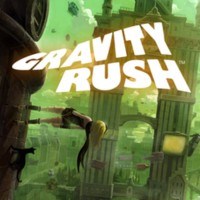
Gravity Rush - February 9, 2012 - PSV, PS4
WipEout 2048 - January 19, 2012 - PSV
Toro's Friend Network - December 17, 2011 - PSV
After Hours Athletes - November 17, 2011 - PS3
Carnival Island - November 15, 2011 - PS3
Move Mind Benders - November 9, 2011 - PS3
SingStar Back To The 80s - October 28, 2011 - PS3
Ico HD - September 22, 2011 - PS3
Shadow of the Colossus HD - September 22, 2011 - PS3
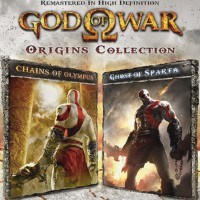
God of War: Origins Collection - September 13, 2011 - PS3
Bleach: Soul Resurreccion - June 23, 2011 - PS3
Patapon 3 - April 12, 2011 - PSP, PS4, PS5
echochrome II - December 22, 2010 - PS3
Ape Escape - December 9, 2010 - PS3
Jungle Party - November 19, 2010 - PSP
The Fight: Lights Out - November 5, 2010 - PS3
TV Superstars - October 12, 2010 - PS3
SingStar Polskie Hity 2 - September 22, 2010 - PS2, PS3
Kung Fu Rider - September 17, 2010 - PS3
Pinball Heroes - November 13, 2009 - PSV, PS4, PS5
Invizimals - November 11, 2009 - PSP
echoshift - November 1, 2009 - PSP, PS4, PS5
Buzz! Quiz World - October 30, 2009 - PS3, PSP
LocoRoco Midnight Carnival - October 29, 2009 - PSP, PS4, PS5
SingStar Polskie Hity - June 10, 2009 - PS2, PS3
Trash Panic - March 19, 2009 - PS3
Savage Moon - December 23, 2008 - PS3
Patapon 2 - November 27, 2008 - PSP
LocoRoco 2 - November 21, 2008 - PSP
EyeToy Play: Hero - November 12, 2008 - PS2
EyeToy Play: PomPom Party - November 12, 2008 - PS2
SingStar Singalong with Disney - November 7, 2008 - PS2
SingStar Country - October 28, 2008 - PS2
SingStar Hottest Hits - September 25, 2008 - PS2
The Last Guy - August 28, 2008 - PS3
Buzz! Quiz Master - July 25, 2008 - PSP
Siren: New Translation - July 13, 2008 - PS3
echochrome - May 1, 2008 - PSP, PS3, PS4, PS5
Patapon - February 22, 2008 - PSP
Go! Sports Skydiving - February 7, 2008 - PS3
WipEout HD - December 1, 2007 - PS3
EyeToy: Play Astro Zoo - November 1, 2007 - PS2
WipEout Pulse - October 26, 2007 - PSP, PS2
The Eye of Judgment - October 23, 2007 - PSP, PS3
SingStar Bollywood - October 19, 2007 - PS2
NBA 08: Block Party - October 2, 2007 - PSP
NBA 08: The Life v3 - October 2, 2007 - PS3, PS2
Syphon Filter: Logan's Shadow - October 2, 2007 - PSP, PS2, PS4, PS5
LocoRoco Cocoreccho! - September 21, 2007 - PS3
Snakeball - August 16, 2007 - PS3
Piyotama - August 9, 2007 - PS3
PaRappa the Rapper - July 17, 2007 - PSP
Nucleus - July 6, 2007 - PS3
Calling All Cars - May 10, 2007 - PSP, PS3
Monster Kingdom: Jewel Summoner - February 13, 2007 - PSP
WTF - December 6, 2006 - PSP
Buzz! The Sports Quiz - November 10, 2006 - PS2
Ape Academy 2 - September 29, 2006 - PS4, PS5, PSP
NBA 07 - September 26, 2006 - PS2, PS3, PSP
Rule of Rose - September 12, 2006 - PS2
Formula One 06 - July 26, 2006 - PS2, PSP
LocoRoco - June 23, 2006 - PSP
Talkman - June 16, 2006 - PSP
Ape Escape: On the Loose - May 5, 2006 - PSP, PS4, PS5
Neopets Petpet Adventures: The Wand of Wishing - March 14, 2006 - PSP
Syphon Filter: Dark Mirror - March 14, 2006 - PSP, PS2, PS4, PS5
24: The Game - February 28, 2006 - PS2
Siren 2 - February 9, 2006 - PS2
Ape Escape 3 - January 17, 2006 - PS2
PoPoLoCrois - November 29, 2005 - PSP
Wild Arms Alter Code: F - November 15, 2005 - PS2
The Con - October 18, 2005 - PSP
Shadow of the Colossus (2005) - October 14, 2005 - PS2
Ape Escape: Academy - September 1, 2005 - PSP, PS4, PS5
MediEvil Resurrection - September 1, 2005 - PSP, PS4, PS5
Formula One 05 - June 29, 2005 - PS2
Roland Garros 2005 - May 18, 2005 - PS2
SingStar Popworld - May 13, 2005 - PS2
Bleach: Heat the Soul - March 24, 2005 - PSP
EyeToy: Monkey Mania - March 18, 2005 - PS2
WipEout Pure - March 16, 2005 - PSP
Twisted Metal: Head-On - March 15, 2005 - PSP
Athens 2004 - October 13, 2004 - PC
DJ: Decks & FX - September 3, 2004 - PS2
Formula One 04 - July 30, 2004 - PS2
Anacondas: 3D Adventure Game - July 9, 2004 - PC
Syphon Filter: The Omega Strain - May 4, 2004 - PS2
Siren - March 12, 2004 - PS4, PS2
Rise to Honour - February 17, 2004 - PS2
Formula One 2003 - July 11, 2003 - PS2
Primal - March 25, 2003 - PS2, PS4
Ape Escape 2 - March 14, 2003 - PS2, PS4
Hot Shots Golf 3 - March 12, 2002 - PS2
Mad Maestro - March 6, 2002 - PS2
PaRappa the Rapper 2 - January 21, 2002 - PS2, PS4
Dropship: United Peace Force - January 18, 2002 - PS2, PS4, PS5
Tsugunai: Atonement - November 28, 2001 - PS2
Syphon Filter 3 - November 6, 2001 - AND, PSV, PS3, PS4, PS5
Ico - September 25, 2001 - PS2
Twisted Metal: Black - June 18, 2001 - PS2, PS4
Formula One 2001 - April 20, 2001 - PS2
C-12: Final Resistance - April 6, 2001 - PS1
WipEout Fusion - February 6, 2001 - PS2
Sky Odyssey - November 15, 2000 - PS2
Fantavision - October 25, 2000 - PS2, PS4
The Legend of Dragoon - June 13, 2000 - PS1, PS4, PS5
Chase the Express - May 31, 2000 - PS1
MediEvil 2 - April 19, 2000 - PS1, PS4, PS5
NBA ShootOut 2000 - November 30, 1999 - PS1
Ape Escape (1999) - May 31, 1999 - PS4, PS5, PS1
MediEvil (1998) - October 1, 1998 - PS4, PS5, PSV, AND, PS1, PS3, PSP
Blasto - March 31, 1998 - PS1
Ghost in the Shell - July 17, 1997 - PS1
Jumping Flash! - October 29, 1995 - PS4, PS5, PS1
Lemmings (1991) - April 6, 1991 - PS3
Eight Days - cancelled - PS3
List of all upcoming games that will be published by Sony Interactive Entertainment / PlayStation Publishing.
Until Dawn 2 - January 28, 2027 - PS5
God of War: Laufey - February 16, 2027 - PS5
Daba: Land of Water Scar - Q2 2027 - PS5, PC
4:LOOP - 2027 - PC, PS5
Intergalactic: The Heretic Prophet - 2027 - PS5
Kena: Scars of Kosmora - 2027 - PC, PS5
Ratchet & Clank: Ranger Rumble - TBA - AND, iOS
Horizon 3 - TBA - PS5
Fairgames - TBA - PC, PS5
Horizon: Hunters Gathering - TBA - PC, PS5
Horizon: Steel Frontiers - TBA - PC, AND, iOS
God of War Trilogy Remake - TBA - PS5
List of all released games published by Sony Interactive Entertainment / PlayStation Publishing.
Ghost of Yotei: Echoes of Sekigahara - October 1, 2026 - PS5
Marvel's Wolverine - September 15, 2026 - PS5
Marvel Tokon: Fighting Souls - August 6, 2026 - PS5, PC
Saros - April 30, 2026 - PS5
MLB: The Show 26 - March 17, 2026 - PS5, XSX, Switch
Ghost of Yotei: Legends - March 10, 2026 - PS5
God of War: Sons of Sparta - February 13, 2026 - PS5
Ghost of Yotei - October 2, 2025 - PS5
Lost Soul Aside - August 29, 2025 - PS4, PS5, PC
Midnight Murder Club - August 14, 2025 - PC, PS5
Days Gone Remastered - April 25, 2025 - PC, PS5
Days Gone: Broken Road - April 25, 2025 - PC
MLB: The Show 25 - March 18, 2025 - PS5, XSX, Switch
LEGO Horizon Adventures - November 14, 2024 - PC, PS5, Switch
Horizon: Zero Dawn Remastered - October 31, 2024 - PS5, PC
Until Dawn - October 4, 2024 - PC, PS5
Astro Bot - September 6, 2024 - PS5
Concord - August 23, 2024 - PC, PS5
Stellar Blade - April 26, 2024 - PS5
MLB: The Show 24 - March 19, 2024 - XONE, XSX, PS4, PS5, Switch
Helldivers 2 - February 8, 2024 - PC, PS5, XSX
The Last of Us: Part II Remastered - January 19, 2024 - PS5, PC
God of War: Ragnarok - Valhalla - December 12, 2023 - PS4, PS5, PC
Ghosthunter - December 5, 2023 - PS2, PS4, PS5
Marvel's Spider-Man 2 - October 20, 2023 - PS5, PC
Horizon: Forbidden West - Complete Edition - October 6, 2023 - PS5, PC
Firewall Ultra - August 24, 2023 - PS5
Horizon: Forbidden West - Burning Shores - April 19, 2023 - PS5
MLB: The Show 23 - March 28, 2023 - PS4, PS5, XONE, XSX, Switch
The Dark Pictures: Switchback VR - March 16, 2023 - PS5
Horizon: Call of the Mountain - February 22, 2023 - PS5
God of War: Ragnarok - November 9, 2022 - PS5, PS4, PC
The Last of Us: Part I - September 2, 2022 - PC, PS5
Marvel's Spider-Man Remastered - August 12, 2022 - PC, PS5
MLB: The Show 22 - April 5, 2022 - PS4, XONE, Switch, PS5, XSX
Gran Turismo 7 - March 4, 2022 - PS5, PS4
Horizon: Forbidden West - February 18, 2022 - PS4, PS5
Uncharted: Legacy of Thieves Collection - January 28, 2022 - PC, PS5
Death Stranding: Director's Cut - September 24, 2021 - PS5
Ghost of Tsushima: Director's Cut - August 20, 2021 - PS4, PS5, PC
Ratchet & Clank: Rift Apart - June 11, 2021 - PS5, PC
Returnal - April 30, 2021 - PS5, PC
MLB: The Show 21 - April 20, 2021 - PS4, XONE, PS5, XSX
Astro's Playroom - November 12, 2020 - PS5
Demon's Souls - November 12, 2020 - PS5
Marvel's Spider-Man: Miles Morales - November 12, 2020 - PC, PS4, PS5
Sackboy: A Big Adventure - November 12, 2020 - PS5, PS4, PC
Ghost of Tsushima: Legends - October 16, 2020 - PS4, PS5
Ghost of Tsushima - July 17, 2020 - PS4
Marvel's Iron Man VR - July 3, 2020 - PS4
The Last of Us: Part II - June 19, 2020 - PS4
Predator: Hunting Grounds - April 24, 2020 - PS4, PC
MLB: The Show 20 - March 17, 2020 - PS4
Dreams - February 14, 2020 - PS4
Patapon 2 Remastered - January 30, 2020 - PS4
Death Stranding - November 8, 2019 - PS4
MediEvil - October 25, 2019 - PS4
Concrete Genie - October 8, 2019 - PS4
ReadySet Heroes - October 1, 2019 - PS4, PC
Erica - August 19, 2019 - PS4
Mini-Mech Mayhem - June 18, 2019 - PS4
Blood & Truth - May 28, 2019 - PS4
Everybody's Golf VR - May 21, 2019 - PS4
Days Gone - April 26, 2019 - PS4, PC
Immortal Legacy: The Jade Cipher - April 16, 2019 - PS4
MLB: The Show 19 - March 26, 2019 - PS4
Spider-Man: The Silver Lining - December 21, 2018 - PS4
Lemmings - December 20, 2018 - AND, iOS
Spider-Man: Turf Wars - November 20, 2018 - PS4
Just Deal With It! - November 14, 2018 - PS4
Knowledge is Power: Decades - November 14, 2018 - PS4
Chimparty - November 13, 2018 - PS4
Deracine - November 6, 2018 - PS4
Spider-Man: The Heist - October 23, 2018 - PS4
Astro Bot: Rescue Mission - October 2, 2018 - PS4
Dark Eclipse - September 25, 2018 - PS4
Marvel's Spider-Man - September 7, 2018 - PS4
Firewall: Zero Hour - August 28, 2018 - PS4
Track Lab - August 22, 2018 - PS4
The Persistence - July 24, 2018 - PS4
Detroit: Become Human - May 25, 2018 - PS4
God of War - April 20, 2018 - PS4, PC
MLB: The Show 18 - March 27, 2018 - PS4
Bravo Team - March 6, 2018 - PS4
Frantics - March 6, 2018 - PS4
Moss - February 27, 2018 - PS5, PS4
Shadow of the Colossus - February 6, 2018 - PS4
The Inpatient - January 23, 2018 - PS4
The Last Guardian VR Demo - December 12, 2017 - PS4
LocoRoco 2 Remastered - December 9, 2017 - PS4
Horizon: Zero Dawn - The Frozen Wilds - November 7, 2017 - PS4, PC
Hidden Agenda - October 24, 2017 - PS4
Knowledge is Power - October 24, 2017 - PS4
SingStar Celebration - October 24, 2017 - PS4
Gran Turismo Sport - October 17, 2017 - PS4
No Heroes Allowed! VR - October 17, 2017 - PS4
Knack 2 - September 5, 2017 - PS4
Everybody's Golf - August 29, 2017 - PS4
Uncharted: The Lost Legacy - August 22, 2017 - PS4
Matterfall - August 15, 2017 - PS4
Patapon Remastered - August 1, 2017 - PS4
That's You! - July 4, 2017 - PS4
Crash Bandicoot 2 HD - June 30, 2017 - PS4
Crash Bandicoot 3 HD - June 30, 2017 - PS4
Crash Bandicoot HD - June 30, 2017 - PS4
Nex Machina: Death Machine - June 20, 2017 - PS4
WipEout: Omega Collection - June 7, 2017 - PS4
Farpoint - May 17, 2017 - PS4
LocoRoco Remastered - May 9, 2017 - PS4
Drawn to Death - April 4, 2017 - PS4
PaRappa the Rapper Remastered - April 4, 2017 - PS4
MLB: The Show 17 - March 28, 2017 - PS4
Horizon: Zero Dawn - Complete Edition - February 28, 2017 - PS4, PC
Gravity Rush 2 - January 18, 2017 - PS4
The Last Guardian - December 6, 2016 - PS4
Robinson: The Journey - November 8, 2016 - PS4
DriveClub VR - October 13, 2016 - PS4
Here They Lie - October 13, 2016 - PS4
Hustle Kings VR - October 13, 2016 - PS4
PlayStation VR Worlds - October 13, 2016 - PS4
Rigs: Mechanized Combat League - October 13, 2016 - PS4
SportsBarVR - October 13, 2016 - PS4
Super Stardust Ultra VR - October 13, 2016 - PS4
The Playroom VR - October 13, 2016 - PS4
Tumble VR - October 13, 2016 - PS4
Until Dawn: Rush of Blood - October 13, 2016 - PS4
Metrico+ - August 23, 2016 - PS4
Bound - August 16, 2016 - PS4
Brut@l - August 9, 2016 - PS4
No Man's Sky - August 9, 2016 - PS4
Kill Strain - July 12, 2016 - PS4
Dino Dini's Kick Off Revival - June 24, 2016 - PS4, PSV
Shadow of the Beast - May 17, 2016 - PS4
Uncharted 4: A Thief's End - May 10, 2016 - PC, PS4
Uncharted: Fortune Hunter - May 5, 2016 - iOS, AND
Alienation - April 26, 2016 - PS4
Ratchet & Clank - April 12, 2016 - PS4
MLB: The Show 16 - March 29, 2016 - PS4, PS3
Just Survive - February 17, 2016 - PS4
Hardware: Rivals - January 5, 2016 - PS4
Fat Princess Adventures - December 5, 2015 - PS4
Shadow Complex Remastered - December 3, 2015 - PS4
Big Fest - December 2, 2015 - PS4, PS3, PSV
Bloodborne: The Old Hunters - November 24, 2015 - PS4
DriveClub Bikes - October 27, 2015 - PS4
Uncharted: The Nathan Drake Collection - October 7, 2015 - PS4
Assault Android Cactus - September 23, 2015 - PS4, PSV
Tearaway Unfolded - September 8, 2015 - PS4
Until Dawn (2015) - August 25, 2015 - PS4
Everybody's Gone to the Rapture - August 11, 2015 - PS4
Gal Gunvolt - August 6, 2015 - PS4, PSV
GALAK-Z - August 4, 2015 - PS4, PSV
Submerged - August 4, 2015 - PS4
N++ - July 28, 2015 - PS4
God of War III Remastered - July 14, 2015 - PS4
Ender of Fire - June 25, 2015 - PS4
Looney Tunes Galactic Sports - May 22, 2015 - PSV
Guns Up! - May 19, 2015 - PS3, PS4, PSV, PC
Lost Orbit - May 12, 2015 - PS4
Project CARS - May 7, 2015 - PS3, WiiU
MonsterBag - April 7, 2015 - PSV
Primal Carnage: Extinction - April 3, 2015 - PS4
Axiom Verge - March 31, 2015 - PS4, XONE, WiiU
MLB 15: The Show - March 31, 2015 - PS3, PSV, PS4
Bloodborne - March 24, 2015 - PS4
Helldivers - March 3, 2015 - PS3, PSV, PS4, PC
Aaru's Awakening - February 24, 2015 - PS3, PS4
The Order: 1886 - February 20, 2015 - PS4
Super Stardust Ultra - February 10, 2015 - PS4
Kick & Fennick - February 3, 2015 - PSV
Super Mega Baseball: Extra Innings - December 16, 2014 - PS3, PS4
Guilty Gear Xrd -SIGN- - December 4, 2014 - PS3, PS4
Invokers: Tournament - December 3, 2014 - PS4, PS3, PSV
SingStar Frozen - December 3, 2014 - PS3, PS4
Final Horizon - December 2, 2014 - PS4, PSV
Secret Ponchos - December 2, 2014 - PS4
LittleBigPlanet 3 - November 18, 2014 - PS4, PS3
World of Warriors - November 6, 2014 - PS4
The Hungry Horde - November 4, 2014 - PSV
Don't Die, Mr. Robot! - October 29, 2014 - PSV
Run Sackboy! Run! - October 29, 2014 - PSV, iOS, AND
SingStar: Ultimate Party - October 29, 2014 - PS3, PS4
DriveClub - October 7, 2014 - PS4
Cosmophony - September 25, 2014 - PSV, PS4, PS3
Frozen Synapse: Prime - September 23, 2014 - PS3, PSV
Murasaki Baby - September 16, 2014 - PSV
Velocibox - September 8, 2014 - PS4, PS3, PSV
Velocity 2X - September 2, 2014 - PS4, PSV
inFamous: First Light - August 26, 2014 - PS4
CounterSpy - August 19, 2014 - PS3, PSV, PS4, iOS, AND
Hohokum - August 12, 2014 - PS3, PSV, PS4
Metrico - August 5, 2014 - PSV
Switch Galaxy Ultra - July 29, 2014 - PSV, PS4
Oddworld: Abe's Oddysee New N' Tasty - July 22, 2014 - PS3, PSV, PS4
Oreshika: Tainted Bloodlines - July 17, 2014 - PSV
Q*bert Rebooted - July 1, 2014 - PS4, PS3, PSV
Freedom Wars - June 26, 2014 - PSV
Killzone: Shadow Fall - Intercept - June 25, 2014 - PS4
Entwined - June 10, 2014 - PS4, PSV, PS3
PlayStation Vita Pets - June 3, 2014 - PSV
Among The Sleep - May 29, 2014 - XONE, PS4
Lemmings Touch - May 28, 2014 - PSV
Transistor - May 20, 2014 - PS4
Daylight - April 29, 2014 - PS4
No Heroes Allowed: No Puzzles Either! - April 15, 2014 - PSV
R.B.I. Baseball 14 - April 9, 2014 - PS3, PS4
Fort Defense: North Menace - April 8, 2014 - PS4, PSV
MLB 14: The Show - April 1, 2014 - PS3, PSV, PS4
Destiny of Spirits - March 25, 2014 - PSV
Ether One - March 25, 2014 - PS4
inFamous: Second Son - March 21, 2014 - PS4
Soul Sacrifice Delta - March 6, 2014 - PSV
BRAWL - February 25, 2014 - PS4
The Last of Us: Left Behind - February 14, 2014 - PS3, PS4
Fort Defense - February 11, 2014 - PSV, PS4
Doki-Doki Universe - December 10, 2013 - PS3, PSV, PS4
Gran Turismo 6 - December 6, 2013 - PS3
Wonderbook: Walking with Dinosaurs - November 29, 2013 - PS3
Tearaway - November 22, 2013 - PSV
Stick It to The Man! - November 19, 2013 - PS3, PSV, PS4
Killzone: Shadow Fall - November 15, 2013 - PS4
Knack - November 15, 2013 - PS4
Resogun - November 15, 2013 - PS4, PSV, PS3
Super Motherload - November 15, 2013 - PS3, PS4
The Playroom - November 15, 2013 - PS4
Ratchet & Clank: Into the Nexus - November 12, 2013 - PSV, PS3
Furmins - October 31, 2013 - PSV
Invizimals: The Alliance - October 30, 2013 - PSV
Invizimals: The Lost Kingdom - October 30, 2013 - PS3
Beyond: Two Souls - October 8, 2013 - PS3, PS4
Atomic Ninjas - October 2, 2013 - PS3, PSV
Rain - October 1, 2013 - PS3
Skydive: Proximity Flight - October 1, 2013 - PS3
Carnivores: Dinosaur Hunter HD - September 10, 2013 - PS3
Puppeteer - September 10, 2013 - PS3
Killzone Mercenary - September 4, 2013 - PSV
Open Me! - August 13, 2013 - PSV
ibb & obb - August 6, 2013 - PS3
PixelJunk Monsters Ultimate HD - July 30, 2013 - PSV
Futuridium EP Deluxe - July 16, 2013 - PSV, PS4
Best of PlayStation Network Vol. 1 - June 25, 2013 - PS3
The Last of Us - June 14, 2013 - PS3, PS4
The Dark Sorcerer - June 11, 2013 - PS4
Kite Fight - May 29, 2013 - PS3
Wonderbook: Diggs Nightcrawler - May 28, 2013 - PS3
Dying: Sinner Escape - May 25, 2013 - PSV
Men’s Room Mayhem - May 21, 2013 - PSV
Ratchet: Deadlocked HD - May 21, 2013 - PS3
Jacob Jones and the Bigfoot Mystery - May 14, 2013 - PSV
Draw Slasher - April 23, 2013 - PSV
Table Mini Golf - April 9, 2013 - PSV
Nun Attack - March 19, 2013 - PSV
God of War: Ascension - March 12, 2013 - PS3
WRC Powerslide - March 8, 2013 - PS3
Soul Sacrifice - March 7, 2013 - PSV
MLB 13: The Show - March 5, 2013 - PS3, PSV
Pro Foosball - February 20, 2013 - PS3
Urban Trial Freestyle - February 20, 2013 - PSV, PS3, 3DS
Bentley's Hackpack - February 5, 2013 - PS3, PSV
Sly Cooper: Thieves in Time - February 5, 2013 - PS3, PSV
Uncharted: Fight for Fortune - December 4, 2012 - PSV
Ratchet & Clank: Q-Force - November 27, 2012 - PS3, PSV
PlayStation All-Stars Battle Royale - November 20, 2012 - PS3, PSV
Wonderbook: Book of Spells - November 13, 2012 - PS3
Absolute Supercars - November 6, 2012 - PS3
LittleBigPlanet Karting - November 6, 2012 - PS3
When Vikings Attack - November 6, 2012 - PS3, PSV
Geronimo Stilton: The Return to the Kingdom of Fantasy - October 31, 2012 - PSP
Sports Champions 2 - October 30, 2012 - PS3
Killzone HD - October 23, 2012 - PS3
Killzone Trilogy - October 23, 2012 - PS3
Smart As... - October 23, 2012 - PSV
The Unfinished Swan - October 23, 2012 - PS3, PS4, PSV
DanceStar Party Hits - October 12, 2012 - PS3
SunFlowers - October 9, 2012 - PSV
King Oddball - September 27, 2012 - PS4, XONE
Table Ice Hockey - September 25, 2012 - PSV
Ecolibrium - September 12, 2012 - PSV
ZEN Pinball 2 - September 4, 2012 - WiiU, PS3, PSV, PS4
Snapshot - August 30, 2012 - PSV, PS3
Papo & Yo - August 15, 2012 - PS3
Sound Shapes - August 7, 2012 - PSV, PS3, PS4
Foosball 2012 - July 24, 2012 - PS3, PSV
Digimon World Re:Digitize - July 19, 2012 - PSP
Rainbow Moon - July 4, 2012 - PS3, PSV, PS4
The Ratchet & Clank Trilogy - June 29, 2012 - PS3, PSV
PulzAR - June 12, 2012 - PSV
Tokyo Jungle - June 7, 2012 - PS3
Bang Bang Racing - June 5, 2012 - PS3
Resistance: Burning Skies - May 29, 2012 - PSV
Sorcery - May 22, 2012 - PS3
Table Top Tanks - May 22, 2012 - PSV
PixelJunk 4am - May 15, 2012 - PS3
Datura - May 8, 2012 - PS3
StarHawk - May 8, 2012 - PS3
Frobisher Says! - May 2, 2012 - PSV
Surge Concerto: Ciel Nosurge - April 26, 2012 - PSV
Top Trumps: NBA All-Stars - April 26, 2012 - PSP, PSV
Pure Chess - April 11, 2012 - PS3, PSV, PS4
Wheels of Destruction: World Tour - April 3, 2012 - PS3
Journey - March 13, 2012 - PS3, PS4
Shoot Many Robots - March 13, 2012 - PS3
MLB 12: The Show - March 6, 2012 - PS3, PSV
Unit 13 - March 6, 2012 - PSV
Puzzle by Nikoli V: Sudoku - February 28, 2012 - PSV
Cliff Diving - February 22, 2012 - PSV
Escape Plan - February 22, 2012 - PSV, PS4
Fireworks - February 22, 2012 - PSV
MotorStorm RC - February 22, 2012 - PS3, PSV
Reality Fighters - February 22, 2012 - PSV
Smash `N` Survive - February 22, 2012 - PS3
Table Football - February 22, 2012 - PSV
Tales from Space: Mutant Blobs Attack - February 21, 2012 - PSV, PS3, X360
ModNation Racers: Road Trip - February 15, 2012 - PSV
Twisted Metal - February 14, 2012 - PS3
Gravity Rush - February 9, 2012 - PS4, PSV
Jak and Daxter HD Collection - February 7, 2012 - PS3, PSV
Hungry Giraffe - February 1, 2012 - PSV, PSP
Super Stardust Delta - January 19, 2012 - PSV
WipEout 2048 - January 19, 2012 - PSV
Zack Zero - January 11, 2012 - PS3
Oddworld: Stranger's Wrath HD - December 21, 2011 - PS3
Hot Shots Golf: World Invitational - December 17, 2011 - PS3, PSV
Little Deviants - December 17, 2011 - PSV
Toro's Friend Network - December 17, 2011 - PSV
Uncharted: Golden Abyss - December 17, 2011 - PSV
Start the Party: Save the World - November 23, 2011 - PS3
Move Fitness - November 22, 2011 - PS3
Minecraft - November 18, 2011 - PS3
After Hours Athletes - November 17, 2011 - PS3
Where is my Heart? - November 16, 2011 - PSP, PS3
Carnival Island - November 15, 2011 - PS3
EyePet & Friends - November 15, 2011 - PS3
Medieval Moves: Deadmund's Quest - November 15, 2011 - PS3
Move Mind Benders - November 9, 2011 - PS3
Uncharted 3: Drake's Deception - November 1, 2011 - PS3, PS4
SingStar Back To The 80s - October 28, 2011 - PS3
The War of the Worlds - October 26, 2011 - PS3
InFamous 2: Festival of Blood - October 25, 2011 - PS3
PixelJunk SideScroller - October 25, 2011 - PS3
DanceStar Party - October 20, 2011 - PS3
Ratchet & Clank: All 4 One - October 18, 2011 - PS3
Rocketbirds: Hardboiled Chicken - October 18, 2011 - PS3, PSV
Orcs Must Die! - October 5, 2011 - PS3
R.A. One - October 5, 2011 - PS3
Rochard - September 27, 2011 - PS3
Ico HD - September 22, 2011 - PS3
Shadow of the Colossus HD - September 22, 2011 - PS3
Team ICO Collection - September 22, 2011 - PS3
God of War: Origins Collection - September 13, 2011 - PS3
SkyDrift - September 7, 2011 - PS3
Resistance 3 - September 6, 2011 - PS3
Cubixx HD - August 17, 2011 - PS3
Beat Hazard Ultra - June 16, 2011 - PS3
inFamous 2 - June 7, 2011 - PS3
Under Siege - June 1, 2011 - PS3
Lone Survivor - April 24, 2011 - PC
Red Johnson's Chronicles - April 19, 2011 - PS3, PC
SOCOM 4: U.S. Navy SEALs - April 19, 2011 - PS3
Patapon 3 - April 12, 2011 - PSP, PS4, PS5
Chime Super Deluxe - March 29, 2011 - PS3
PlayStation Move Heroes - March 22, 2011 - PS3
Motorstorm Apocalypse - March 16, 2011 - PS3
MLB 11 The Show - March 8, 2011 - PS3
Left to Die in Zombhai - February 28, 2011 - PSP
Twisted Metal (1995) - February 23, 2011 - PS3, PSP, PSV, PS4, PS5
Killzone 3 - February 22, 2011 - PS3
Swap Zap! - February 16, 2011 - PSP, PS3
Tales from Space: About a Blob - February 8, 2011 - PS3
Enigmo - January 27, 2011 - PSP
Denki Blocks! - January 26, 2011 - PSP, PS3
Magic: The Gathering - Tactics - January 19, 2011 - PC, PS3
LittleBigPlanet 2 - January 18, 2011 - PS3
Dungeon Overlord - January 12, 2011 - PC
DC Universe Online - January 11, 2011 - PS4, PC, PS3
Soccer Bashi! - January 10, 2011 - PSP, PS3
White Knight Chronicles: Origins - January 3, 2011 - PSP
Eat Them! - December 22, 2010 - PS3
echochrome II - December 22, 2010 - PS3
Top Darts - December 21, 2010 - PS3, PSV
Ape Escape - December 9, 2010 - PS3
Dead Nation - November 30, 2010 - PSV, PS4, PS3
PixelJunk Shooter 2 - November 26, 2010 - PS3
Gran Turismo 5 - November 24, 2010 - PS3
Jungle Party - November 19, 2010 - PSP
Alien Breed 3: Descent - November 17, 2010 - PS3
Who's That Flying?! - November 16, 2010 - PSP, PS3
The Sly Collection - November 9, 2010 - PS3, PSV
SingStar Dance - November 5, 2010 - PS3
The Fight: Lights Out - November 5, 2010 - PS3
God of War: Ghost of Sparta - November 2, 2010 - PSP
Nimbus - October 25, 2010 - PS3
The Shoot - October 19, 2010 - PS3
SingStar Guitar - October 13, 2010 - PS3
TV Superstars - October 12, 2010 - PS3
Apache Overkill - September 29, 2010 - PSP
Blade Kitten - September 22, 2010 - PS3, PC
SingStar Polskie Hity 2 - September 22, 2010 - PS2, PS3
Start the Party! - September 19, 2010 - PS3
Kung Fu Rider - September 17, 2010 - PS3
Sports Champions - September 17, 2010 - PS3
Clone Wars Adventures - September 15, 2010 - PC
Flying Hamster - September 8, 2010 - PSP, PSV
TerRover - September 7, 2010 - PS3
MotorStorm 3D Rift - August 24, 2010 - PS3
Carnivores: Dinosaur Hunter - August 17, 2010 - PSP, PS3
Fly Fu - July 21, 2010 - PSP
White Knight Chronicles 2 - July 8, 2010 - PS3
4x4 Jam - June 22, 2010 - PSP
Toy Story 3: The Video Game - June 15, 2010 - PS4, PS5
Voodoo Dice - May 26, 2010 - PS3
Soldner-X 2: Final Prototype - May 25, 2010 - PSV, PS3
ModNation Racers - May 21, 2010 - PSP, PS3
God of War III - March 16, 2010 - PS3
MLB 10 The Show - March 2, 2010 - PS3, PS2, PSP
Greed Corp - February 24, 2010 - PS3
Heavy Rain - February 23, 2010 - PS3, PS4
Alien Zombie Death - February 18, 2010 - PSP
SOCOM: U.S. Navy SEALs Fireteam Bravo 3 - February 16, 2010 - PSP
MAG - January 26, 2010 - PS3
Hustle Kings - December 22, 2009 - PSV, PS3, PS4
Dragon's Lair - December 21, 2009 - PS3
PixelJunk Shooter - December 10, 2009 - PS3
Revenge of the Wounded Dragons - December 10, 2009 - PS3
Zombie Driver HD - December 4, 2009 - PS3
Gravity Crash - November 24, 2009 - PSP, PS3, PS4, PS5, PSV
God of War Collection - November 17, 2009 - PSV, PS3
Pinball Heroes - November 13, 2009 - PSP, PSV, PS4, PS5
Invizimals - November 11, 2009 - PSP
SingStar: Take That - November 6, 2009 - PS3, PS2
Jak and Daxter: The Lost Frontier - November 3, 2009 - PSP, PS2, PS4, PS5
echoshift - November 1, 2009 - PSP, PS4, PS5
Buzz! Quiz World - October 30, 2009 - PS3, PSP
LocoRoco Midnight Carnival - October 29, 2009 - PSP, PS4, PS5
Ratchet & Clank Future: A Crack in Time - October 27, 2009 - PS3
EyePet - October 23, 2009 - PS3, PSP
.deTuned - October 15, 2009 - PS3
Uncharted 2: Among Thieves - October 13, 2009 - PS3, PS4
Afrika - October 6, 2009 - PS3
NBA 10: The Inside - October 6, 2009 - PSP
Gran Turismo (PSP) - October 1, 2009 - PSP
MotorStorm: Arctic Edge - September 18, 2009 - PSP, PS2
Singstar Motown - September 18, 2009 - PS3, PS2
Fat Princess - July 30, 2009 - PSP, PS3
SingStar Polskie Hity - June 10, 2009 - PS2, PS3
inFamous - May 26, 2009 - PS3
Echoes - May 7, 2009 - PSP
Plants vs Zombies - May 5, 2009 - PSV
Buzz!: Polish Puzzles - April 29, 2009 - PSP, PS3, PS2
Free Realms - April 28, 2009 - PC, PS3
Rag Doll Kung Fu: Fists of Plastic - April 9, 2009 - PS3
Trash Panic - March 19, 2009 - PS3
SingStar Queen - March 18, 2009 - PS2, PS3
Resistance: Retribution - March 17, 2009 - PSP, PS4, PS5
MLB '09: The Show - March 3, 2009 - PS3, PS2, PSP
Killzone 2 - February 25, 2009 - PS3
Flower - February 12, 2009 - PS3, PSV, PS4
White Knight Chronicles - December 25, 2008 - PS3
Savage Moon - December 23, 2008 - PS3
Spelunky - December 21, 2008 - PS3, PSV
Crash Commando - December 18, 2008 - PS3
PlayStation Home - December 11, 2008 - PS3
Patapon 2 - November 27, 2008 - PSP
Super Stardust Portable - November 25, 2008 - PSP, PS5
LocoRoco 2 - November 21, 2008 - PSP
SingStar ABBA - November 14, 2008 - PS2, PS3
SingStar Vol. 3 - November 14, 2008 - PS3
EyeToy Play: Hero - November 12, 2008 - PS2
EyeToy Play: PomPom Party - November 12, 2008 - PS2
SingStar Singalong with Disney - November 7, 2008 - PS2
Resistance 2 - November 4, 2008 - PS3
MotorStorm: Pacific Rift - October 28, 2008 - PS3
SingStar Country - October 28, 2008 - PS2
LittleBigPlanet - October 27, 2008 - PSV, PS3, PSP
SOCOM: Confrontation - October 14, 2008 - PS3
Linger in Shadows - October 9, 2008 - PS3
SingStar Hottest Hits - September 25, 2008 - PS2
Jeopardy! (2008) - September 11, 2008 - PS3
PAIN: Amusement Park - September 11, 2008 - PS3
The Last Guy - August 28, 2008 - PS3
Castle Crashers - August 27, 2008 - PS3
Ratchet & Clank Future: Quest for Booty - August 21, 2008 - PS3
PixelJunk Eden - July 31, 2008 - PS3
Buzz! Quiz Master - July 25, 2008 - PSP
Siren: New Translation - July 13, 2008 - PS3
Buzz! Quiz TV - July 4, 2008 - PS3
Elefunk - June 26, 2008 - PS3
SingStar Vol. 2 - June 20, 2008 - PS3
Secret Agent Clank - June 17, 2008 - PSP, PS2, PS4, PS5
Hot Shots Golf: Open Tee 2 - June 3, 2008 - PSP
PixelJunk Monsters Encore - May 8, 2008 - PS3
echochrome - May 1, 2008 - PSP, PS3, PS4, PS5
SingStar Summer Party - April 25, 2008 - PS2
Gran Turismo 5 Prologue - March 26, 2008 - PS3
Hot Shots Golf: Out of Bounds - March 25, 2008 - PS3
Wild Arms XF - March 11, 2008 - PSP
God of War: Chains of Olympus - March 4, 2008 - PSP
MLB '08: The Show - March 4, 2008 - PS3, PS2, PSP
Buzz! Junior: Dino Den - February 22, 2008 - PS2
Patapon - February 22, 2008 - PSP
Go! Sports Skydiving - February 7, 2008 - PS3
PixelJunk Monsters - January 24, 2008 - PSP, PS3
Pirates of the Burning Sea - January 22, 2008 - PC
Toy Home - December 20, 2007 - PS3
Pursuit Force: Extreme Justice - December 7, 2007 - PS2, PSP, PS4, PS5
WipEout HD - December 1, 2007 - PS3
PAIN - November 29, 2007 - PS3
Uncharted: Drake's Fortune - November 19, 2007 - PS3, PS4
Dark Mist - November 8, 2007 - PS3
SOCOM: U.S. Navy SEALs Tactical Strike - November 6, 2007 - PSP
Buzz! Junior: Monster Rumble - November 2, 2007 - PS2
EyeToy: Play Astro Zoo - November 1, 2007 - PS2
SingStar R&B - October 26, 2007 - PS2
WipEout Pulse - October 26, 2007 - PSP, PS2
Ratchet & Clank Future: Tools of Destruction - October 23, 2007 - PS3
The Eye of Judgment - October 23, 2007 - PS3, PSP
Buzz! The Hollywood Quiz - October 19, 2007 - PS2
SingStar Bollywood - October 19, 2007 - PS2
Folklore - October 9, 2007 - PSP, PS3
Go! Sports Ski - October 4, 2007 - PS3
NBA 08: Block Party - October 2, 2007 - PSP
NBA 08: The Life v3 - October 2, 2007 - PS3, PS2
Syphon Filter: Logan's Shadow - October 2, 2007 - PSP, PS2, PS4, PS5
High Stakes on the Vegas Strip: Poker Edition - October 1, 2007 - PS3
High Velocity Bowling - October 1, 2007 - PS3
LocoRoco Cocoreccho! - September 21, 2007 - PS3
SingStar Rock Ballads - September 21, 2007 - PS2
SingStar Amped - September 18, 2007 - PS2
PixelJunk Racers - September 13, 2007 - PS3
Heavenly Sword - September 12, 2007 - PS3
Crash Bandicoot 2: Cortex Strikes Back - August 30, 2007 - PS3, PSP, PSV, AND
Lair - August 30, 2007 - PS3
Legends of Norrath: Oathbound - August 28, 2007 - PC
Warhawk - August 28, 2007 - PS3
Snakeball - August 16, 2007 - PS3
Jeanne d'Arc - August 14, 2007 - PSP, PS4, PS5
Piyotama - August 9, 2007 - PS3
SingStar '90s - August 3, 2007 - PS2
Blast Factor: Advanced Research - August 2, 2007 - PS3
PaRappa the Rapper - July 17, 2007 - PSP
Nucleus - July 6, 2007 - PS3
Super Stardust HD - June 28, 2007 - PS3
Championship Sprint - May 31, 2007 - PS3
Buzz! Junior: RoboJam - May 25, 2007 - PS2
Calling All Cars - May 10, 2007 - PS3, PSP
Rampart - May 10, 2007 - PS3
Stargate Online Trading Card Game - April 27, 2007 - PC
Hot Shots Tennis - April 13, 2007 - PSP, PS2
SingStar Pop Hits - April 3, 2007 - PS2
Blast Factor - March 23, 2007 - PS3
God of War II - March 13, 2007 - PS2
MotorStorm - March 6, 2007 - PS3
flOw - February 22, 2007 - PSP, PS3, PS4, PSV
MLB '07: The Show - February 22, 2007 - PS2, PS3, PSP
Q*bert - February 22, 2007 - PS3
Ratchet & Clank: Size Matters - February 13, 2007 - PS2, PSP, PS4, PS5
Shinobido: Tales of the Ninja - February 7, 2007 - PSP
Rogue Galaxy - January 30, 2007 - PS4, PS2
Crash Bandicoot - January 25, 2007 - PS3, PSP, PSV, AND
Gran Turismo HD Concept - December 24, 2006 - PS3
WTF - December 6, 2006 - PSP
Cash Guns Chaos - November 17, 2006 - PSP
EyeToy: Kinetic Combat - November 17, 2006 - PS2
Resistance: Fall of Man - November 17, 2006 - PS3
Untold Legends: Dark Kingdom - November 17, 2006 - PS3
Genji: Days of the Blade - November 13, 2006 - PS3
Buzz! The Sports Quiz - November 10, 2006 - PS2
SOCOM: U.S. Navy SEALs Combined Assault - November 7, 2006 - PS2
SOCOM: U.S. Navy SEALs Fireteam Bravo 2 - November 7, 2006 - PSP
EyeToy: Play Sports - November 3, 2006 - PS2
ATV Offroad Fury 4 - October 31, 2006 - PS2
Killzone: Liberation - October 31, 2006 - PSP, PS4, PS5
SingStar Legends - October 27, 2006 - PS2
ATV Offroad Fury Pro - October 26, 2006 - PSP
Buzz! Junior: Jungle Party - October 20, 2006 - PS3, PS2
Ape Academy 2 - September 29, 2006 - PSP, PS4, PS5
B-Boy - September 29, 2006 - PS2, PSP
NBA 07 - September 26, 2006 - PSP, PS2, PS3
Gangs of London - September 1, 2006 - PSP
SingStar Anthems - August 4, 2006 - PS2
Formula One 06 - July 26, 2006 - PS3, PS2, PSP
LocoRoco - June 23, 2006 - PSP
World Tour Soccer 2 - June 23, 2006 - PSP
Talkman - June 16, 2006 - PSP
Field Commander - May 22, 2006 - PSP
Ape Escape: On the Loose - May 5, 2006 - PSP, PS4, PS5
SingStar Rocks! - April 14, 2006 - PS2
Tourist Trophy - April 4, 2006 - PS2
Everyday Shooter - March 29, 2006 - PS3
Buzz! The BIG Quiz - March 17, 2006 - PS2
Daxter - March 14, 2006 - PSP, PS4, PS5
Neopets Petpet Adventures: The Wand of Wishing - March 14, 2006 - PSP
Syphon Filter: Dark Mirror - March 14, 2006 - PSP, PS2, PS4, PS5
MLB '06: The Show - March 1, 2006 - PSP, PS2
Pirates: Constructible Strategy Game Online - February 22, 2006 - PC
Siren 2 - February 9, 2006 - PS2
Ape Escape 3 - January 17, 2006 - PS2
Go! Sudoku - December 2, 2005 - PS3
Pursuit Force - November 18, 2005 - PS4, PS5, PSP
Kingdom of Paradise - November 15, 2005 - PSP, PS4, PS5
SOCOM: U.S. Navy SEALs Fireteam Bravo - November 8, 2005 - PSP
EyeToy: Play 3 - November 4, 2005 - PS2
SingStar '80s - November 4, 2005 - PS2
Star Wars Galaxies: Trials of Obi-Wan - November 1, 2005 - PC
Ratchet: Deadlocked - October 25, 2005 - PS2
Buzz! The Music Quiz - October 21, 2005 - PS2
Jak X: Combat Racing - October 18, 2005 - PS2, PS4
The Con - October 18, 2005 - PSP
Shadow of the Colossus (2005) - October 14, 2005 - PS2
Stuart Little 3: Big Photo Adventure - October 14, 2005 - PS2
WRC: Rally Evolved - October 14, 2005 - PS2
SOCOM 3: U.S. Navy SEALs - October 11, 2005 - PS2
NBA 06 - October 4, 2005 - PS2, PSP
Sly 3: Honor Among Thieves - September 30, 2005 - PS4, PS5, PS2
AFL Premiership 2005 - September 22, 2005 - PS2
Frantix - September 20, 2005 - PSP
Genji: Dawn of the Samurai - September 20, 2005 - PS2
Gretzky NHL '06 - September 20, 2005 - PS2, PSP
GripShift - September 12, 2005 - PS3
Brave: The Search for Spirit Dancer - September 2, 2005 - PS2
Ape Escape: Academy - September 1, 2005 - PSP, PS4, PS5
F1 Grand Prix - September 1, 2005 - PSP
Fired Up - September 1, 2005 - PSP
MediEvil Resurrection - September 1, 2005 - PSP, PS4, PS5
Asheron's Call: Throne of Destiny - July 18, 2005 - PC
Garou: Mark of the Wolves - June 30, 2005 - PS4, PSV
Formula One 05 - June 29, 2005 - PS2
Roland Garros 2005 - May 18, 2005 - PS2
SingStar Popworld - May 13, 2005 - PS2
Asheron's Call 2: Legions - May 4, 2005 - PC
Hot Shots Golf: Open Tee - May 3, 2005 - PSP
ATV Offroad Fury: Blazin' Trails - April 19, 2005 - PSP
Rise of the Kasai - April 5, 2005 - PS2, PS4
EyeToy: AntiGrav - March 25, 2005 - PS2
Bleach: Heat the Soul - March 24, 2005 - PSP
God of War (2005) - March 22, 2005 - PS2
EyeToy: Monkey Mania - March 18, 2005 - PS2
WipEout Pure - March 16, 2005 - PSP
Twisted Metal: Head-On - March 15, 2005 - PS2, PSP
World Tour Soccer - March 14, 2005 - PSP
Gran Turismo 4 - February 22, 2005 - PS2
EyeToy: Chat - February 11, 2005 - PS2
EyeToy: Kinetic - February 1, 2005 - PS2
SingStar Party - November 19, 2004 - PS2
The Getaway: Black Monday - November 12, 2004 - PS2
Jak 3 - November 9, 2004 - PS4, PS2
EyeToy: Play 2 - November 5, 2004 - PS2
Ratchet & Clank: Up Your Arsenal - November 3, 2004 - PS2
ATV Offroad Fury 3 - November 2, 2004 - PS2
Killzone - November 2, 2004 - PS2
WRC 4 (2004) - October 22, 2004 - PS2
Time Crisis: Crisis Zone - October 17, 2004 - PS2
This is Football 2005 - October 6, 2004 - PS2
Jackie Chan Adventures - September 24, 2004 - PS2
Sly 2: Band of Thieves - September 14, 2004 - PS2, PS4, PS5
DJ: Decks & FX - September 3, 2004 - PS2
Hot Shots Golf Fore! - August 17, 2004 - PS2
Formula One 04 - July 30, 2004 - PS2
Anacondas: 3D Adventure Game - July 9, 2004 - PC
SingStar - May 21, 2004 - PS3, PS2
Syphon Filter: The Omega Strain - May 4, 2004 - PS2
Siren - March 12, 2004 - PS4, PS2
Rise to Honour - February 17, 2004 - PS2
Destruction Derby Arenas - January 9, 2004 - PS2
Gran Turismo 4: Prologue - January 6, 2004 - PS2
WRC 3 (2003) - November 21, 2003 - PS2
EyeToy: Groove - November 14, 2003 - PS2
Ratchet & Clank: Going Commando - November 11, 2003 - PS2
SOCOM II: U.S. Navy SEALs - November 4, 2003 - PS2
Dog's Life - October 31, 2003 - PS2
PlanetSide: Core Combat - October 29, 2003 - PC
Jak II: Renegade - October 14, 2003 - PS2, PS4
Amplitude (2003) - September 24, 2003 - PS2
Downhill Domination - July 22, 2003 - PS2
Formula One 2003 - July 11, 2003 - PS2
EyeToy: Play - July 9, 2003 - PS2
Arc the Lad: Twilight of the Spirits - June 24, 2003 - PS2, PS4
Charlie's Angels Angel X - June 3, 2003 - PC
Toontown Online - June 2, 2003 - PC
PlanetSide - May 20, 2003 - PC
Primal - March 25, 2003 - PS2, PS4
Ape Escape 2 - March 14, 2003 - PS4, PS2
My Street - March 9, 2003 - PS2
Dark Cloud 2 - February 17, 2003 - PS2
War of the Monsters - January 14, 2003 - PS2, PS4
The Getaway - December 11, 2002 - PS2
WRC II Extreme - November 29, 2002 - PS2
ATV Offroad Fury 2 - November 9, 2002 - PS2
Ratchet & Clank (2002) - November 4, 2002 - PS2
Jet X2O - October 29, 2002 - PS2
Sly Cooper and the Thievius Raccoonus - September 23, 2002 - PS2, PS4, PS5
Kingdom Hearts - September 16, 2002 - PS2
Twisted Metal: Black Online - August 28, 2002 - PS2
SOCOM: U.S. Navy SEALs - August 27, 2002 - PS2
The Mark of Kri - July 30, 2002 - PS2, PS4
Gran Turismo Concept 2002 Tokyo-Geneva - July 17, 2002 - PS2
SkyGunner - June 24, 2002 - PS4, PS5
Alfred Chicken - April 12, 2002 - PS1
Wild Arms 3 - March 14, 2002 - PS4
Hot Shots Golf 3 - March 12, 2002 - PS2
Headhunter - February 26, 2002 - PS2
Ecco the Dolphin: Defender of the Future - January 30, 2002 - PS2
Drakan: The Ancient's Gates - January 28, 2002 - PS2
PaRappa the Rapper 2 - January 21, 2002 - PS2, PS4
Dropship: United Peace Force - January 18, 2002 - PS2, PS4, PS5
Jak and Daxter: The Precursor's Legacy - December 5, 2001 - PS2, PS4, PS5
WRC (2001) - November 30, 2001 - PSP
Tsugunai: Atonement - November 28, 2001 - PS2
Frequency - November 19, 2001 - PS2
Syphon Filter 3 - November 6, 2001 - PS4, PS5, PS1, PS3, PSV, AND
Kinetica - October 16, 2001 - PS2, PS4
Okage: Shadow King - October 1, 2001 - PS2, PS4
Ico - September 25, 2001 - PS2
Atlantis: The Lost Empire - September 19, 2001 - PS1, PS4, PS5
AirBlade - September 11, 2001 - PS2
Klonoa 2 - July 23, 2001 - PS2
Final Fantasy X - July 19, 2001 - PS2
Gran Turismo 3: A-Spec - July 9, 2001 - PS2
Twisted Metal: Black - June 18, 2001 - PS4, PS2
Extermination - June 8, 2001 - PS2
Dark Cloud - May 28, 2001 - PS2, PS4
Cool Boarders 2001 - May 21, 2001 - PS2
Formula One 2001 - April 20, 2001 - PS2
Cosmic Rift Online - April 18, 2001 - PC
C-12: Final Resistance - April 6, 2001 - PS1
WipEout Fusion - February 6, 2001 - PS2
ATV Offroad Fury - February 5, 2001 - PS2
Disney's Aladdin in Nasira's Revenge - December 1, 2000 - PS1
Harvest Moon: Back to Nature - November 22, 2000 - PS4, PS5
Star Wars: Demolition - November 12, 2000 - PS4, PS5
Crash Bash - November 6, 2000 - PS1
Fantavision - October 25, 2000 - PS2, PS4
Spyro: Year of the Dragon - October 24, 2000 - PS1
Team Buddies - September 15, 2000 - PS1
Terracon - August 25, 2000 - PS1
In Cold Blood - July 14, 2000 - PS1
The Legend of Dragoon - June 13, 2000 - PS1, PS4, PS5
Chase the Express - May 31, 2000 - PS1
MediEvil 2 - April 19, 2000 - PS1, PS4, PS5
Syphon Filter 2 - March 14, 2000 - PS5, PS4
Space Debris - January 1, 2000 - PS1
Tombi! 2 - December 31, 1999 - PS1
Gran Turismo 2 - December 23, 1999 - PS1
Vib-Ribbon - December 12, 1999 - PS1, PS3, PSP, PSV
This is Football - December 1, 1999 - PS1
NBA ShootOut 2000 - November 30, 1999 - PS1
Rayman 2: The Great Escape - November 4, 1999 - PS3, PSP
Spyro 2: Ripto's Rage! - November 2, 1999 - PS1
CTR: Crash Team Racing - October 19, 1999 - PS3, PSP, PSV, PS1
Wipeout 3 (1999) - September 8, 1999 - PS1
Wild Arms 2 - September 2, 1999 - PS4, PS5, PS1
Omega Boost - August 31, 1999 - PS1
Ape Escape (1999) - May 31, 1999 - PS1, PS4, PS5
Um Jammer Lammy - March 18, 1999 - PS1
Syphon Filter - February 11, 1999 - PS3, PSP, PSV, AND, PS4, PS5
R-Type Delta - November 19, 1998 - PS1
Oddworld: Abe's Exoddus - November 17, 1998 - PS3, PSP, PSV, PS4, PS5, PS1
Bust-A-Groove - October 31, 1998 - PS1
Crash Bandicoot 3: Warped - October 31, 1998 - PS3, PSP, PSV, PS1
MediEvil (1998) - October 1, 1998 - PS1, PS3, PSP, PSV, AND, PS4, PS5
Cool Boarders 3 - September 30, 1998 - PS1
The Fifth Element - September 23, 1998 - PS1
Spyro the Dragon - September 9, 1998 - PS1
Tombi! - September 4, 1998 - PS1
Kula World - July 10, 1998 - PS1
X-Files: The Game - May 31, 1998 - PS1
Gran Turismo - May 8, 1998 - PS1
Blasto - March 31, 1998 - PS1
SaGa Frontier - March 31, 1998 - PS1
Final Fantasy Tactics - January 28, 1998 - PS1
Rapid Racer - November 14, 1997 - PS1
Cool Boarders 2 - October 31, 1997 - PS1
Jet Rider 2 - October 31, 1997 - PS1, PS4, PS5
Broken Sword II: The Smoking Mirror - October 30, 1997 - PS1
PaRappa the Rapper (1997) - October 26, 1997 - PS1
Bushido Blade - September 30, 1997 - PS1
Kurushi - September 30, 1997 - PS1, PS4, PS5
Rampage World Tour - September 30, 1997 - PS3
Oddworld: Abe's Oddysee - September 18, 1997 - PS3, PSP, PSV
Treasures of the Deep - August 31, 1997 - PS1
Ghost in the Shell - July 17, 1997 - PS1
Armored Core - July 10, 1997 - PS1, PS4, PS5
Carnage Heart - January 31, 1997 - PS1
Ray Tracers - January 17, 1997 - PS1
Cool Boarders - December 31, 1996 - PS1, PS4, PS5
Wild Arms - December 20, 1996 - PS4, PS5, PS1
Jet Moto - October 31, 1996 - PS4, PS5, PS1, PC
Twisted Metal 2: World Tour - October 31, 1996 - PC, PS1, PS4, PS5
Broken Sword: The Shadow of the Templars - September 30, 1996 - PS1
Destruction Derby - August 12, 1996 - PS3, PSP, PSV, AND
Motor Toon Grand Prix 2 - May 24, 1996 - PS1
Battle Arena Toshinden 2 - May 23, 1996 - PS1
Mickey's Wild Adventure - March 1, 1996 - PS1
Jumping Flash! - October 29, 1995 - PS1, PS4, PS5
Mortal Kombat 3 - October 6, 1995 - PS1
WipEout - September 29, 1995 - PS3, PSP, PSV, AND
Rayman - September 1, 1995 - PS3, PSP, PSV
Philosoma - July 28, 1995 - PS1
Arc the Lad - June 30, 1995 - PS1
Rapid Reload - April 25, 1995 - PS1
Pinball Fantasies - September 29, 1994 - PSP
Novastorm - January 1, 1994 - PS1
Lemmings (1991) - April 6, 1991 - PSP, PS3
Centipede - September 20, 1983 - PS3, PSP
Rayman 2: The Great Escape managed to surprise players with its difficulty level toward the end of the adventure. Nevertheless, this Ubisoft title deserves to be called a timeless classic, as it hasn't aged a bit.
Files and Mods
September 27, 2026
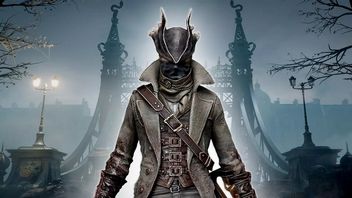
FromSoftware CEO Hidetaka Miyazaki has admitted that Bloodborne „represents perhaps the strongest reflection of my type of flavoring of a game that one can experience.” However, hopes for a new game are in vain, at least for now.
video games
January 13, 2026
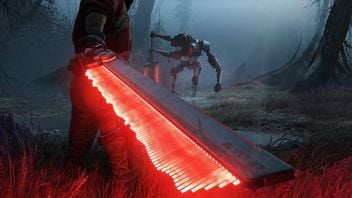
Naughty Dog was expected to return to the crunch (at least temporarily) to meet the deadline imposed by Sony for the development of Intergalactic: The Heretic Prophet.
video games
December 19, 2025
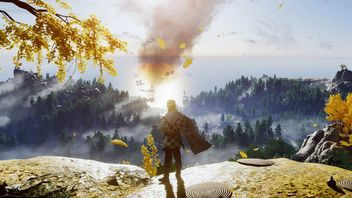
The co-founder and head of Sucker Punch Productions will soon leave the position he has held for nearly 30 years. We have met the two successors who will take over next year.
video games
December 17, 2025
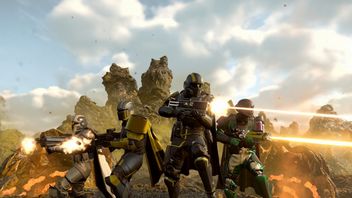
When playing games like Helldivers 2, you'd better be prepared for changes. Developers often add something new, but sometimes it also happens that something else disappears from the gameplay.
Cooldown
December 14, 2025
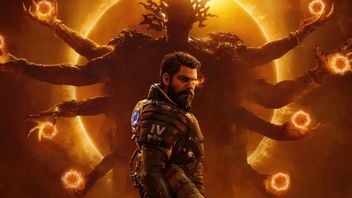
A new trailer for Saros was shown at The Game Awards 2025, and an updated release date was revealed.
video games
December 11, 2025
Starting on December 16th, nine more games will be added to the PlayStation Plus Game Catalog. This could be your chance to try out some great games.
video games
December 10, 2025
Banjo-Kazooie lived to see a short sequel in a unique form, made by one fan and his helper. The result of their work impressed even Rare.
video games
December 8, 2025
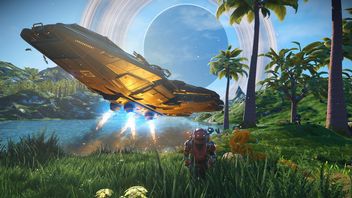
Players of Once Human and No Man's Sky weren't thrilled with a premium item. Until Sean Murray revealed a little secret.
video games
December 4, 2025
Reducing the file size of Helldivers 2 on PC is now possible. How to do it? Read our article to find out.
How to
December 3, 2025